Le Cireygeol — History & Facts
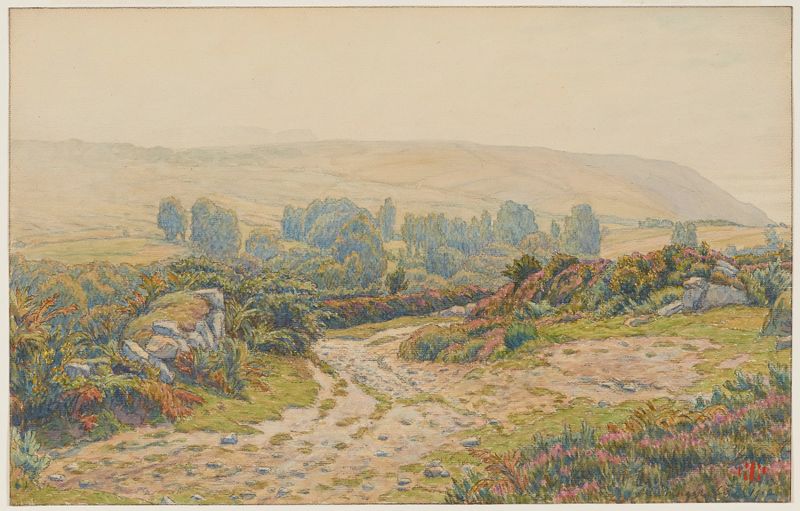
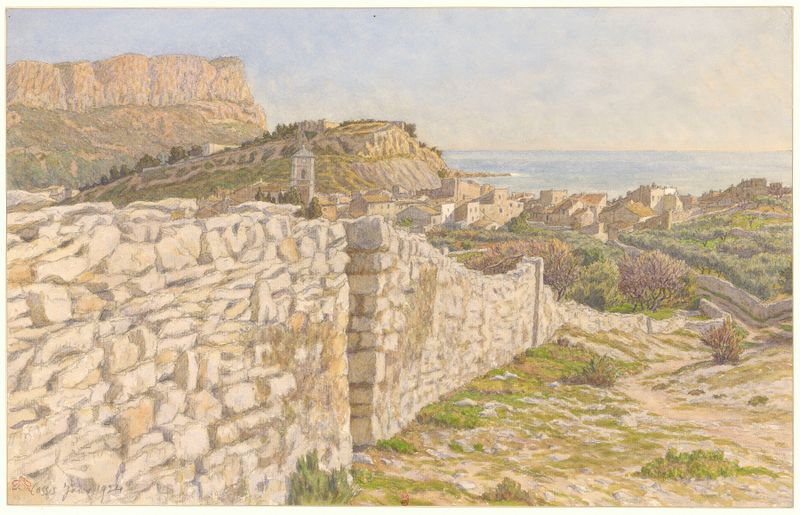
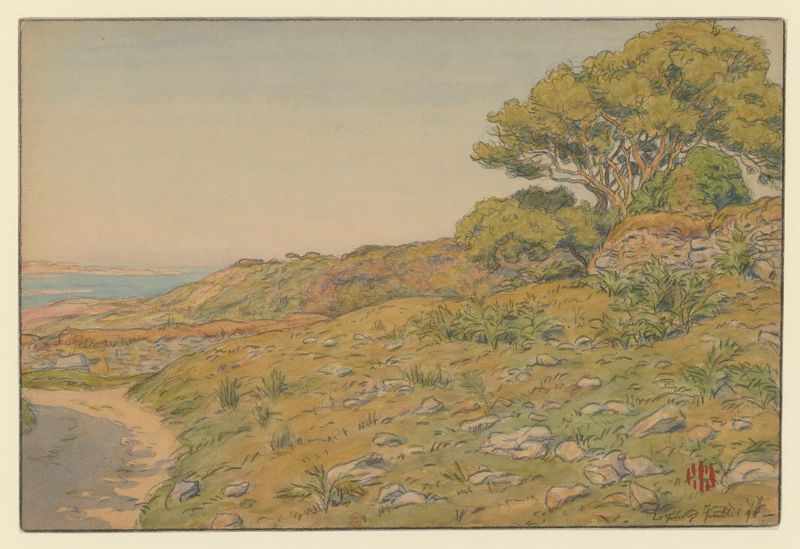
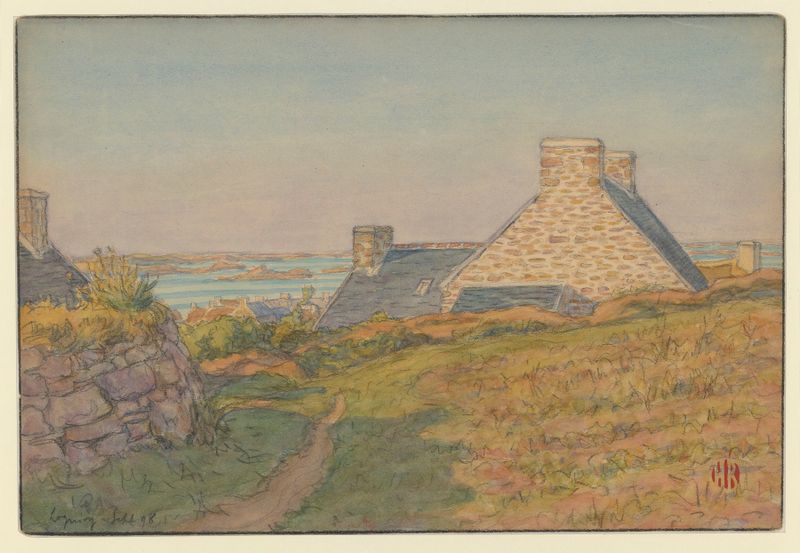
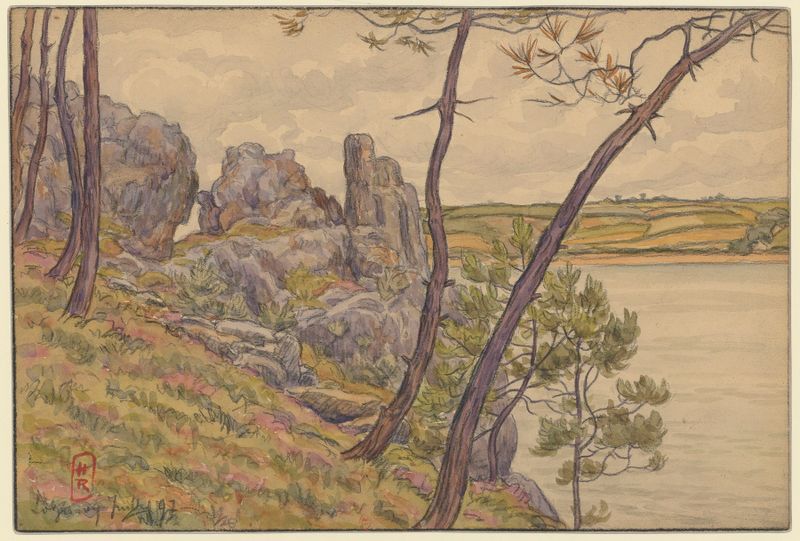
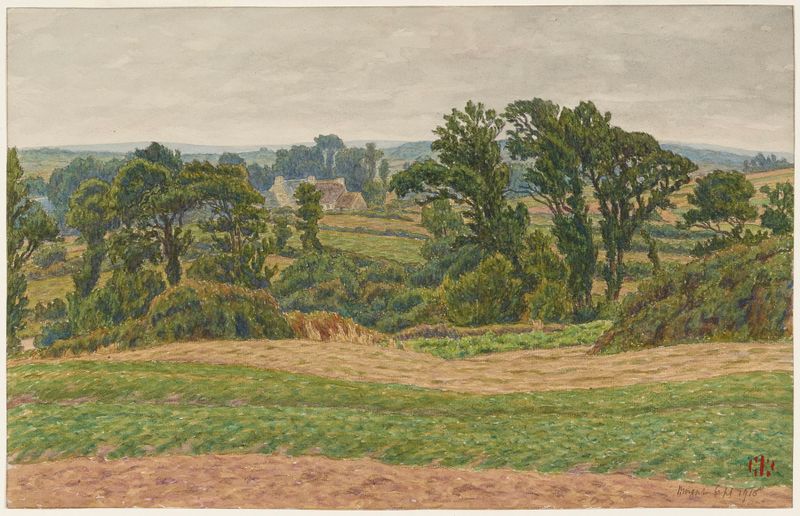
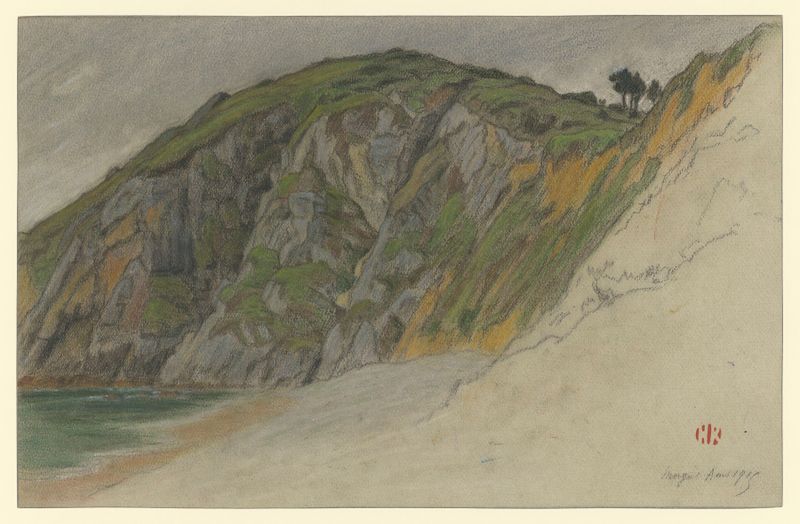
When did color learn to lie? In the delicate interplay of hues, one finds a narrative of hope intertwined with illusion, whispering truths embedded in the layers of paint. First, look to the left at the soft, undulating waves of blue and green that command the canvas, their rhythm mimicking the breath of the sea. Notice how the gentle strokes create a sense of movement, inviting the viewer to lose themselves in the tranquil embrace of the water. Rivière's choice of muted tones contrasts sharply with the dazzling highlights, illuminating certain areas while leaving others shrouded in mystery, a visual dance that suggests both serenity and tension. As you explore further, consider the juxtaposition of light and shadow, which evokes a profound emotional resonance.
The vibrant colors appear to oscillate between reality and fantasy; the waves might cradle dreams or drown them. This duality speaks to the struggles of existence, where hope often flickers against the backdrop of despair, prompting reflections on resilience in the face of uncertainty. Henri Rivière painted Le Cireygeol during 1943, a turbulent time marked by the shadows of World War II. Living in France under the weight of occupation, Rivière’s work offers a window into his inner world, where the external chaos was often met with a longing for solace and beauty.
In the midst of societal turmoil, this piece stands as a testament to the enduring human spirit and the search for light amidst darkness.