
Le Dolmen — History & Facts
What secret hides in the quiet of the canvas? In the stillness of Le Dolmen, a world on the brink of rebirth quietly unfolds, inviting viewers to peer into its enigmatic depths. Look to the center, where a monumental dolmen stands, its ancient stones rising solemnly against a backdrop of lush greenery. The earthy browns and muted greens create a serene contrast, while sunlight delicately kisses the top of the stones, casting a soft glow that hints at the weight of history. Notice how the interplay of shadow and light invites contemplation, urging us to explore the relationships between the natural and the supernatural, the past and the present. Peering closer, details reveal the emotional tension embedded within the scene.
The dolmen, a relic of bygone eras, evokes a sense of reverence, suggesting the cycles of life and death. The surrounding foliage, vibrant and alive, hints at nature’s unwavering resilience, while the cool stone structure embodies stillness and permanence. This juxtaposition creates a dialogue between decay and renewal, inviting thoughts on the passage of time and the weight of memory. Arnold Böcklin painted Le Dolmen in 1847 during his time in Switzerland.
This period was marked by his deep exploration of symbolism and mythology, as he sought to convey profound themes through his art. The burgeoning Romantic movement influenced his work, as artists of the time grappled with nature, the subconscious, and the eternal, shaping a narrative that resonates even today.
More Artworks by Arnold Böcklin
Browse all →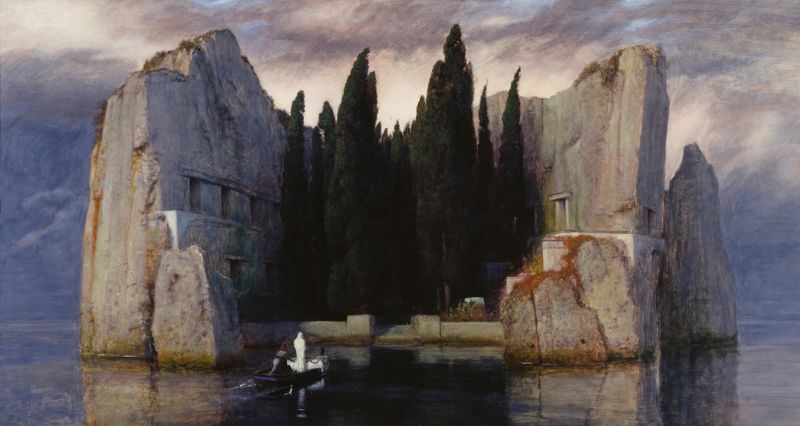
Die Toteninsel III
Arnold Böcklin
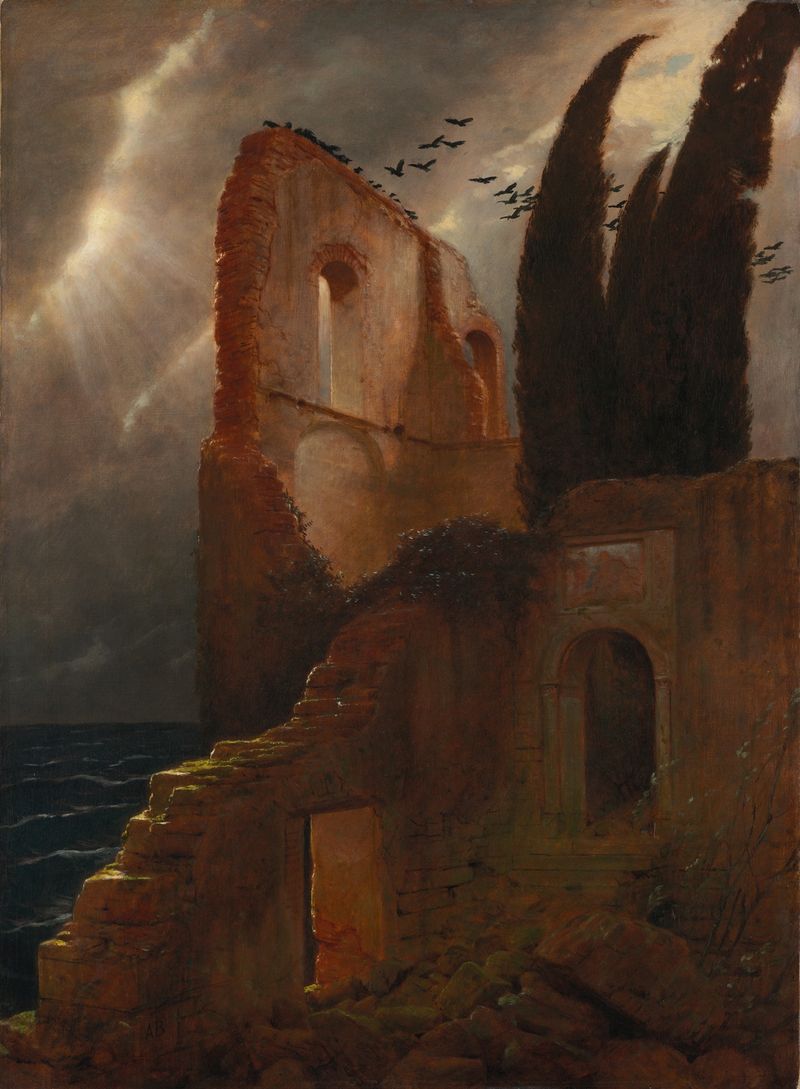
Ruin by the Sea
Arnold Böcklin
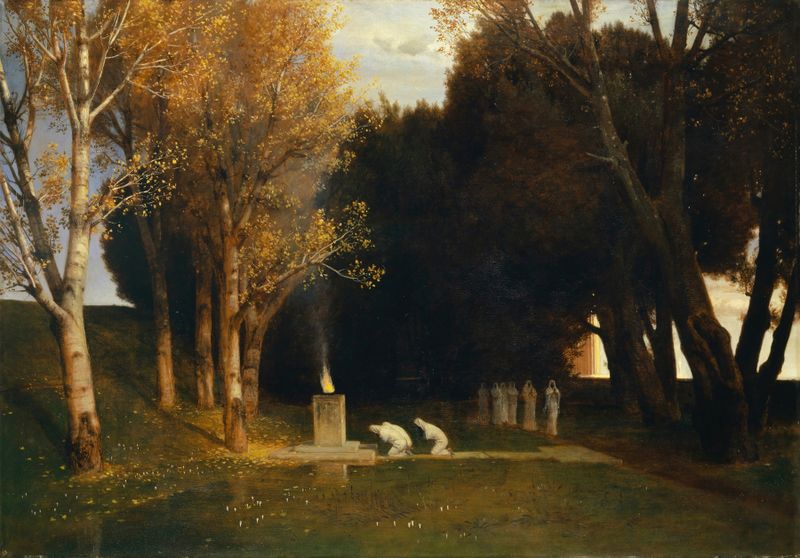
The Sacred Grove
Arnold Böcklin
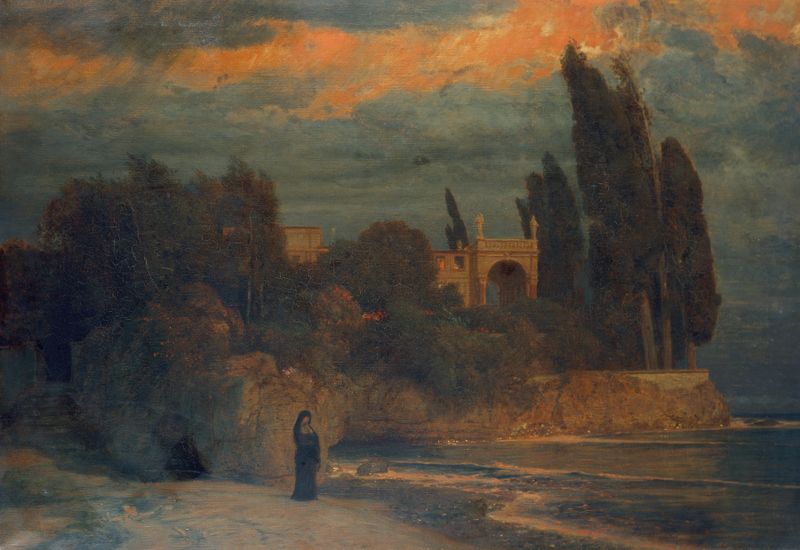
Villa by the Sea
Arnold Böcklin
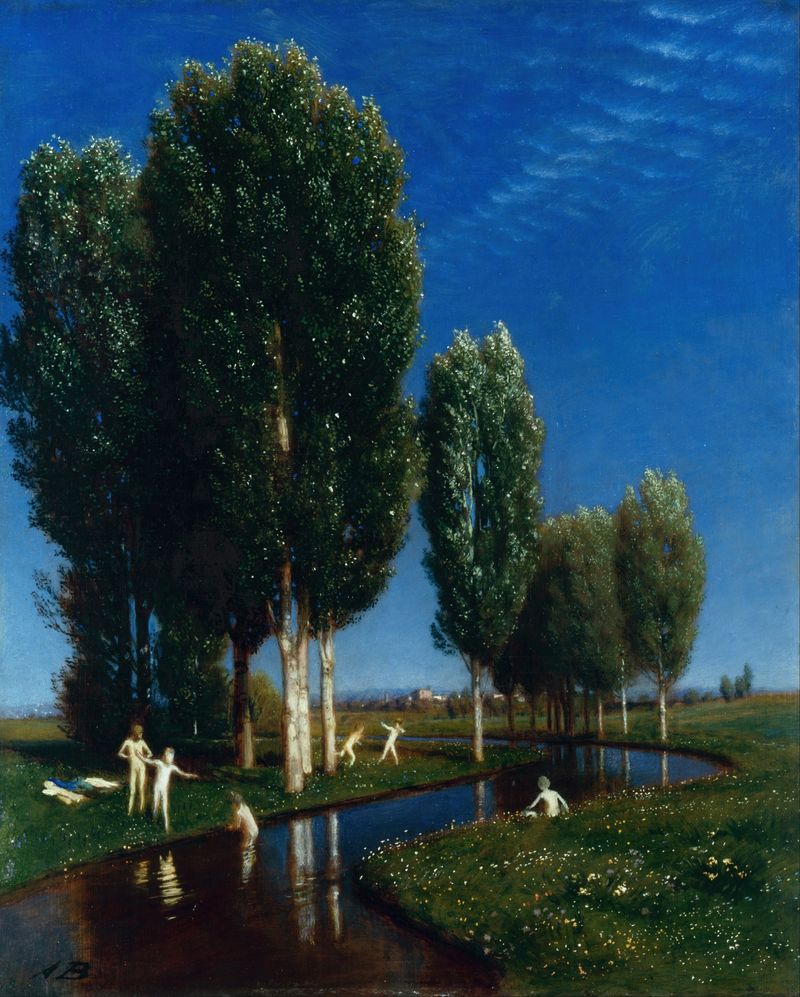
Summer Day
Arnold Böcklin
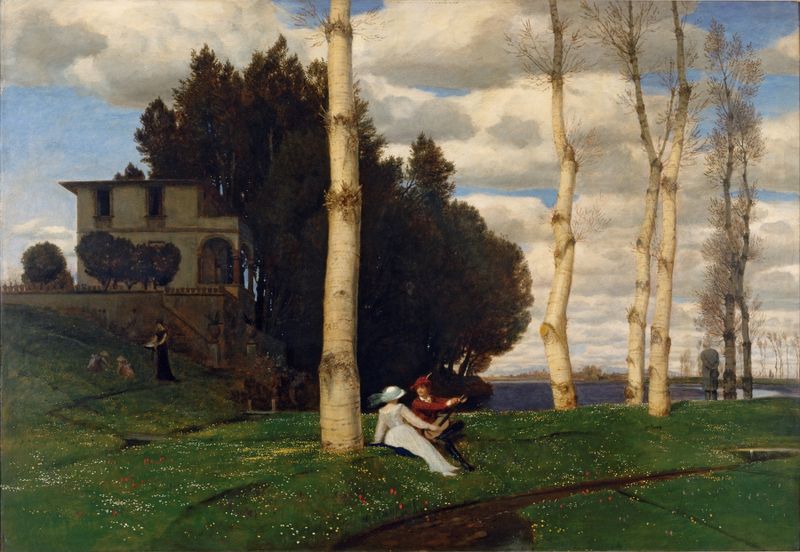
Spring Day (The Three Life Ages)
Arnold Böcklin
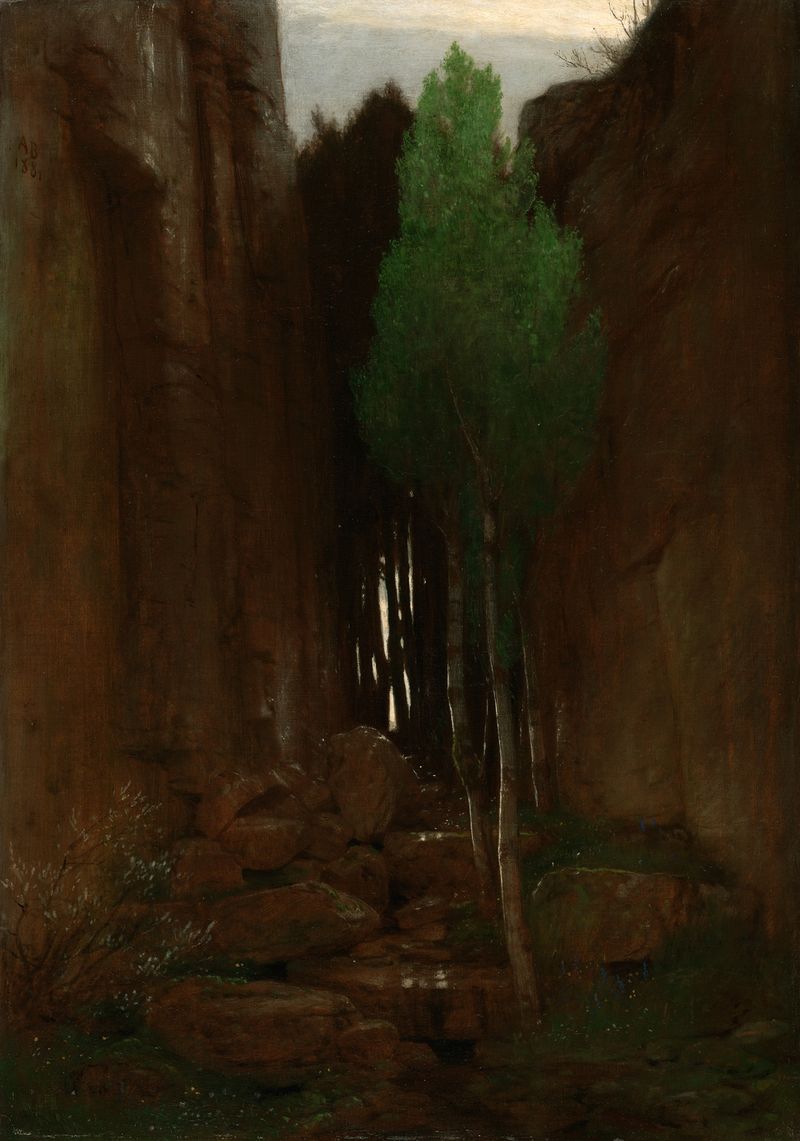
Spring in a Narrow Gorge (Quell in einer Felsschluct)
Arnold Böcklin
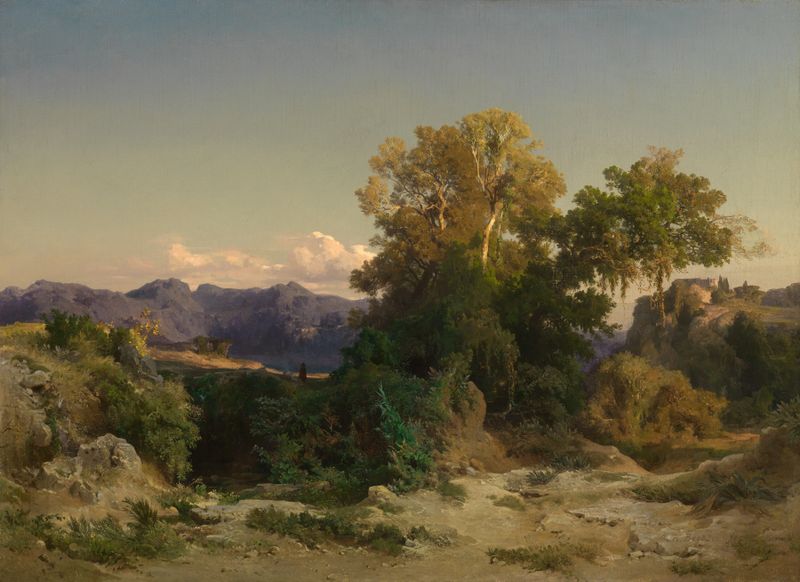
Landscape in the Roman Campagna
Arnold Böcklin
Landscape near Palestrina
Arnold Böcklin
High Mountain Landscape With Chamois
Arnold Böcklin





