Le Granier. Barberaz — History & Facts
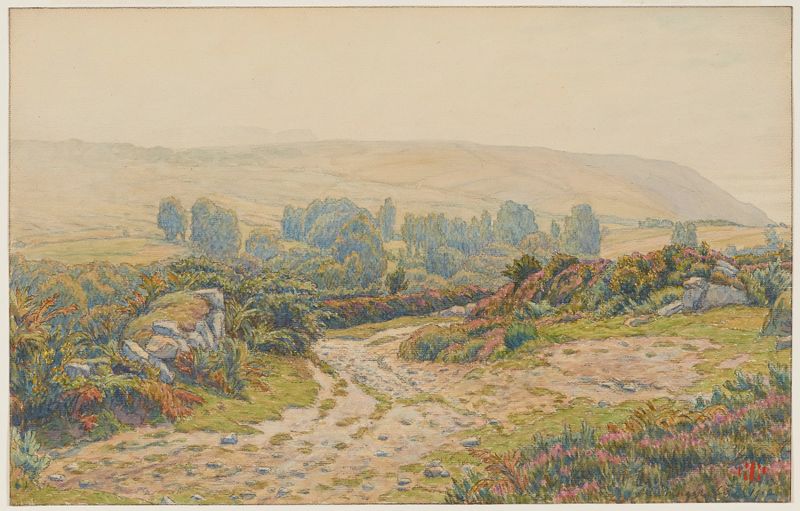
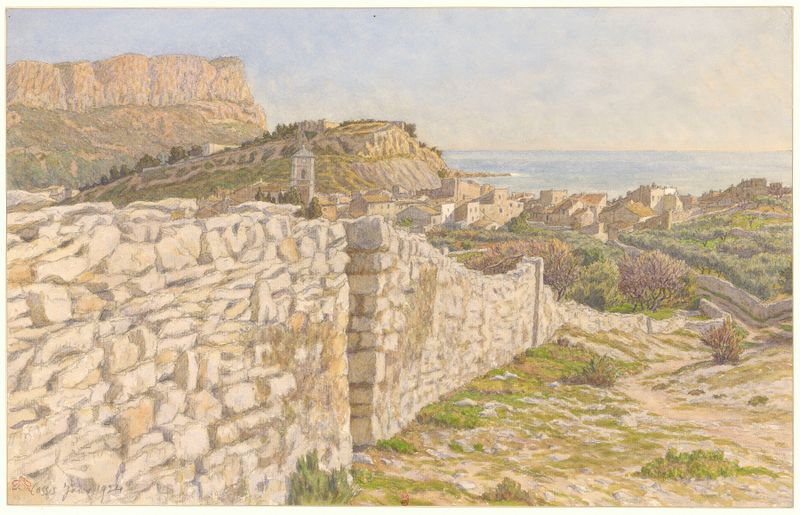
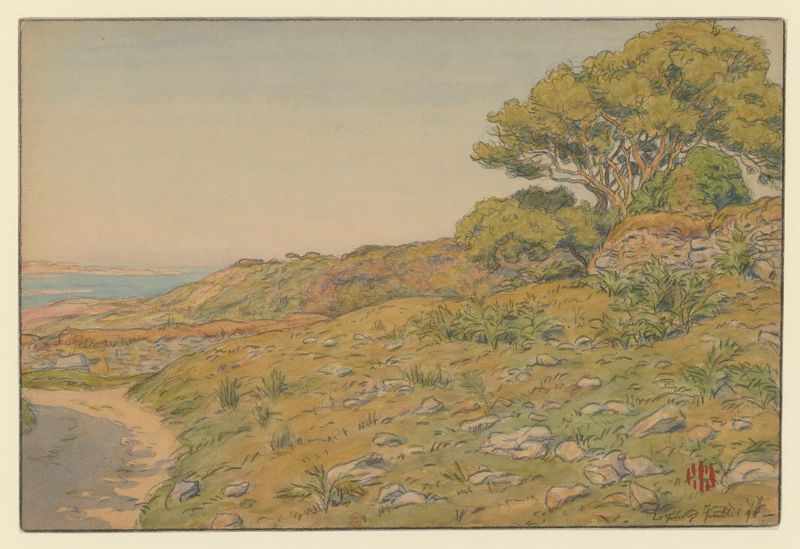
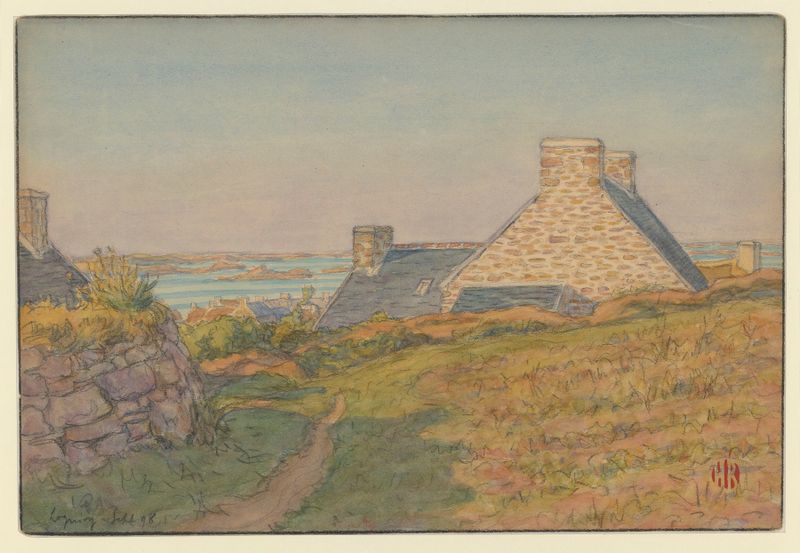
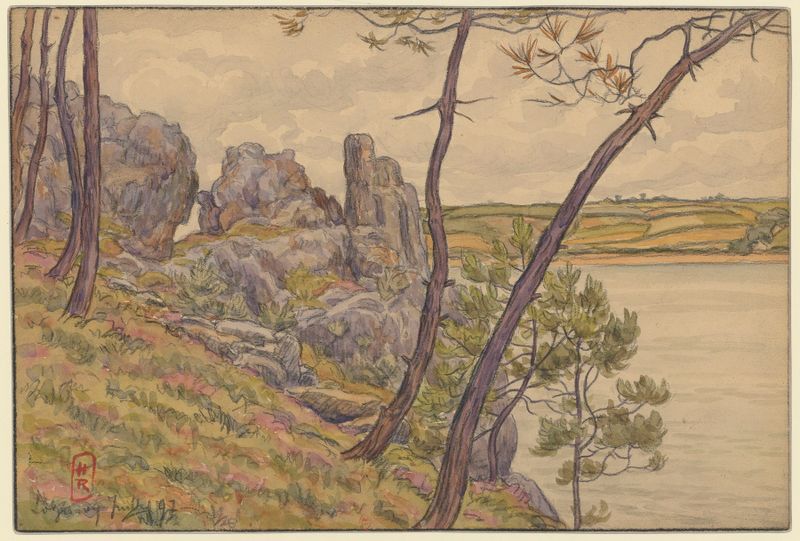
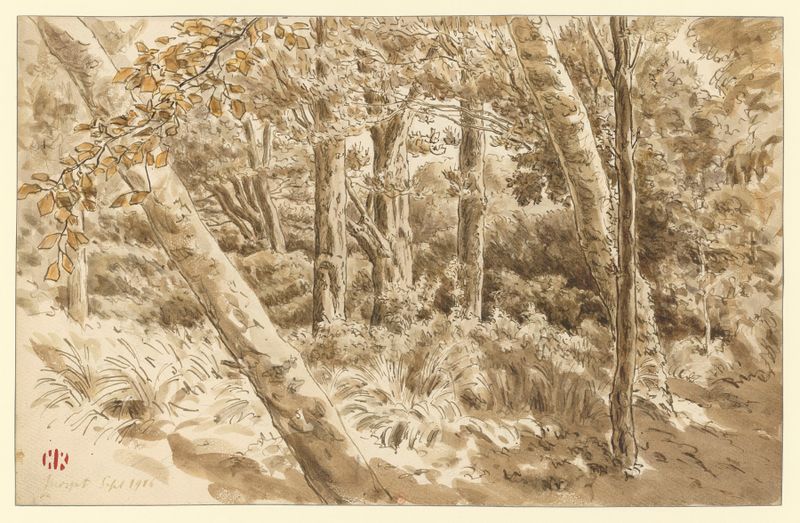
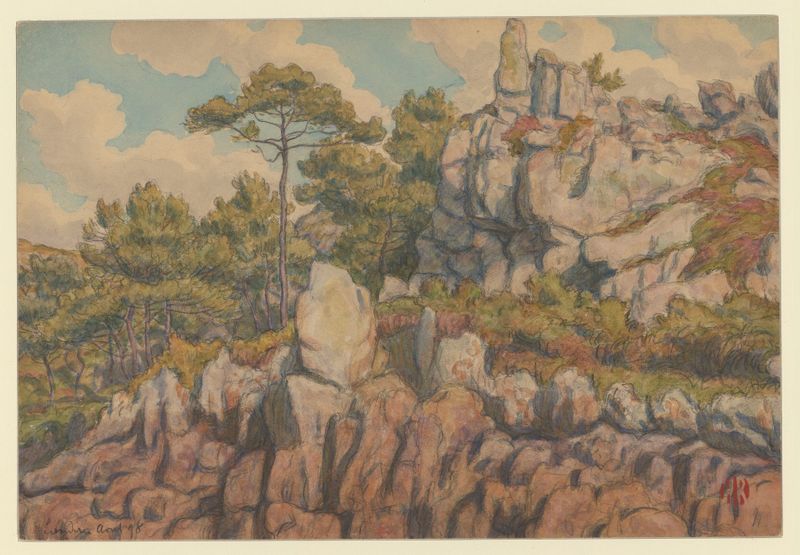
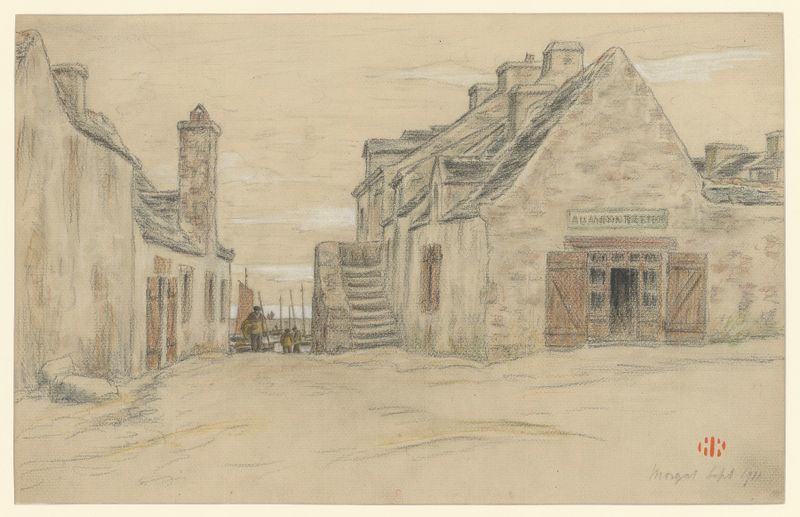
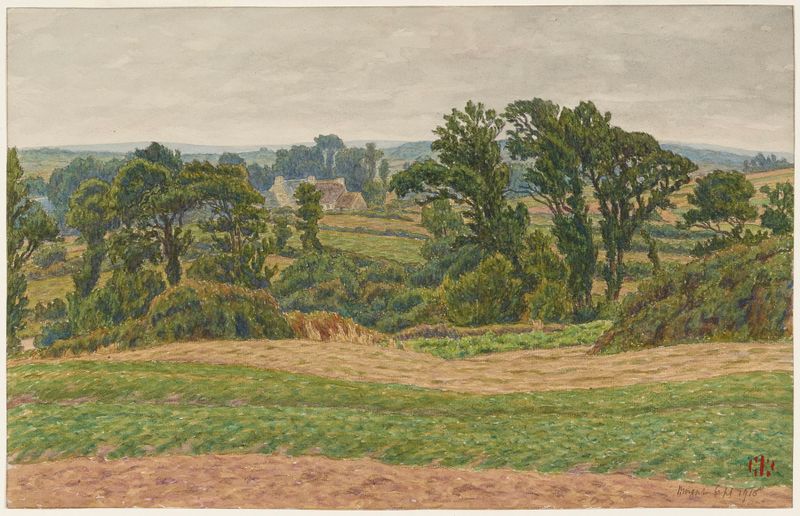
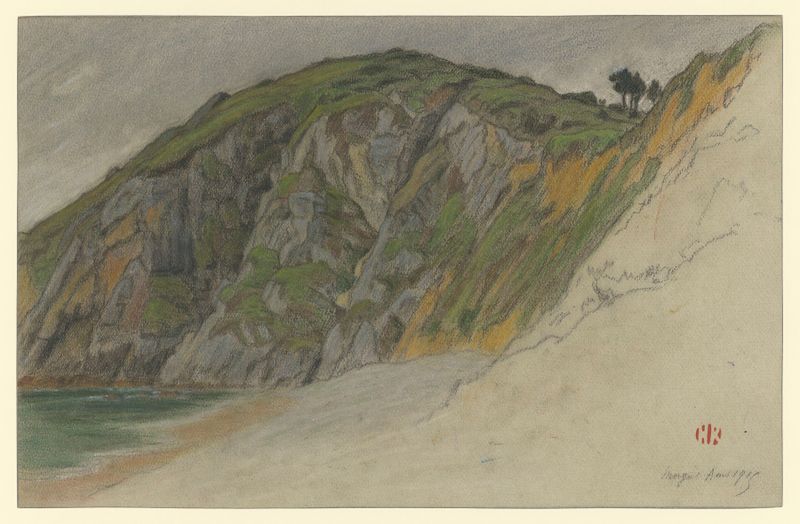
What if silence could speak through light? In the delicate interplay between shadow and illumination, we find ourselves suspended in a moment of reflection and wonder. Look closely at the foreground; the intricate detail of the small structures draws the eye immediately. The light dances across the rooftops, casting long shadows that create a delicate tension between reality and the illusion of space. The soft hues of blue and green bleed into the earth tones, allowing the viewer to feel the warmth of the setting sun, as if time itself has paused to admire the scene. Yet, it is in the subtle contrasts that deeper emotions emerge.
The structures on the left appear almost whimsical, while the looming presence of the mountains in the background suggests a weighty permanence against fleeting human endeavors. The juxtaposition of a vibrant sky and the darkening earth elicits a feeling of transience—a gentle reminder that beauty is often found in the ephemeral. Each brushstroke tells a story of a world caught between the tangible and the imagined, where illusion reigns. Created in 1918, this artwork emerged during a time of profound change for Henri Rivière.
Living in France, he was deeply influenced by the post-impressionist movement and the evolving landscape of art as it transitioned towards modernism. This period marked a significant shift, both personally and artistically, as he sought to capture the essence of his surroundings while grappling with the aftermath of World War I. The interplay of light and shadow in this piece reflects his ongoing exploration of the natural world and human experience.