Le Mars, troisieme Planete, et son influxion — History & Facts
Can beauty exist without sorrow? In Le Mars, troisieme Planete, et son influxion, the vibrant hues and meticulous detail intertwine to evoke a complex tapestry of emotion. Focus first on the fiery reds and deep oranges that swirl around the planet, drawing your gaze towards Mars at the center. Notice how the colors pulse and vibrate, as if alive, while the cool blues and greens of the surrounding cosmos gently cradle it. This contrast creates a visual dialogue, suggesting a harmony between chaos and calm, tension and tranquility.
The artist’s technique of layering paint enhances the vibrancy, lending depth to the celestial bodies that seem to leap off the canvas. Delve deeper into the swirling cosmos, where stars twinkle like distant thoughts, each flicker a reminder of dreams suspended in the vastness of space. The planet, intricately detailed, embodies both allure and a sense of foreboding, hinting at the duality of existence. The interplay of light and shadow across its surface evokes a poignant reflection on human experience, where beauty often walks hand in hand with sorrow, inviting contemplation on the universe's unfathomable mysteries. Georg Balthasar Probst created this work in the early 18th century, a time marked by scientific exploration and artistic innovation.
Living in Germany, he was part of a burgeoning interest in astronomy that influenced the Enlightenment. As artists increasingly sought to harmonize art with newfound knowledge, Probst’s painting stands as a testament to a world captivated by the celestial, capturing both the beauty of Mars and the philosophical queries it inspires.
More Artworks by Georg Balthasar Probst
Browse all →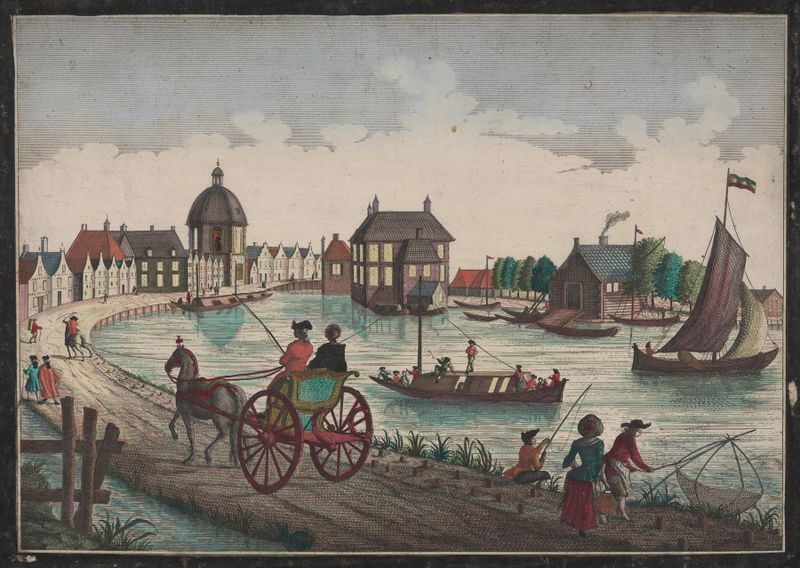
View of Amsterdam from the East side.
Georg Balthasar Probst
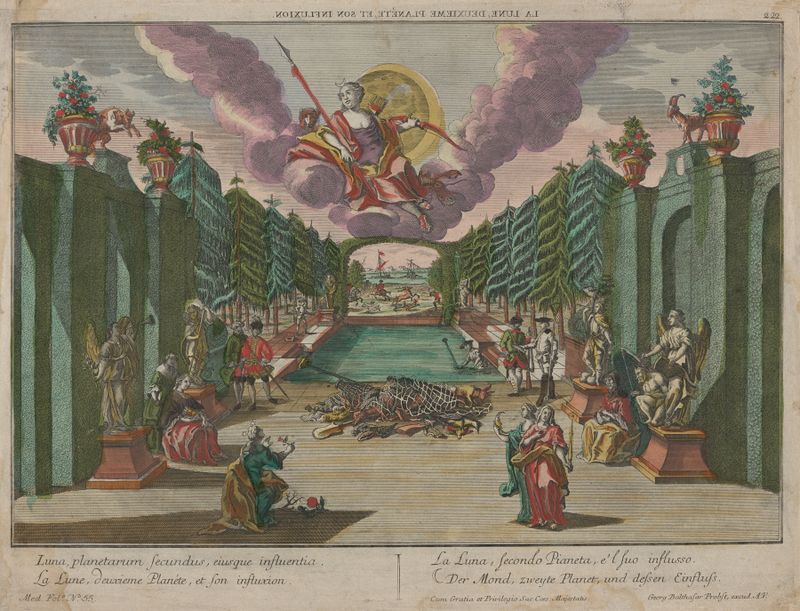
La Lune, deuxieme planete, et son influxion
Georg Balthasar Probst
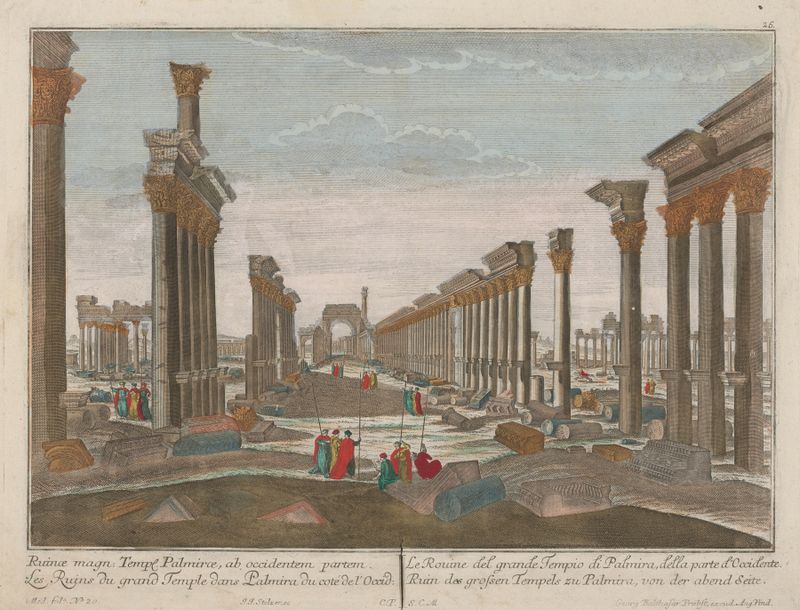
The Ruins of the great Temple at Palmira, from the West
Georg Balthasar Probst
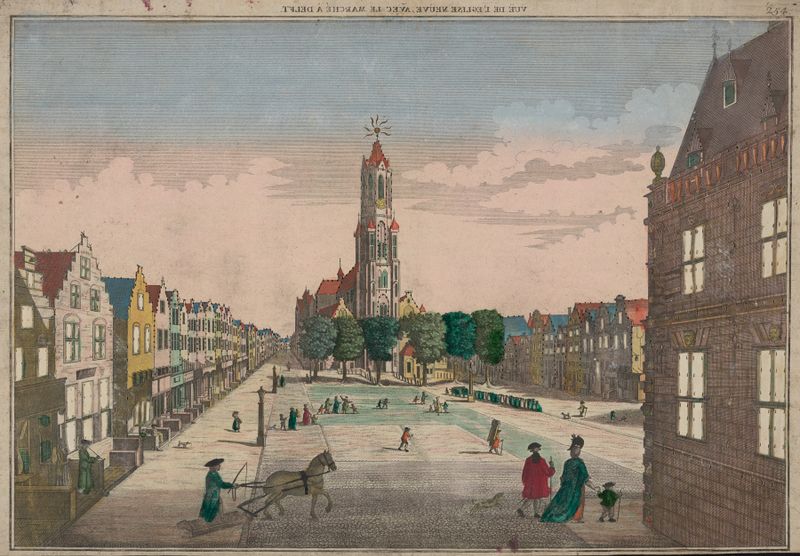
View of the new church and the market in Delft
Georg Balthasar Probst
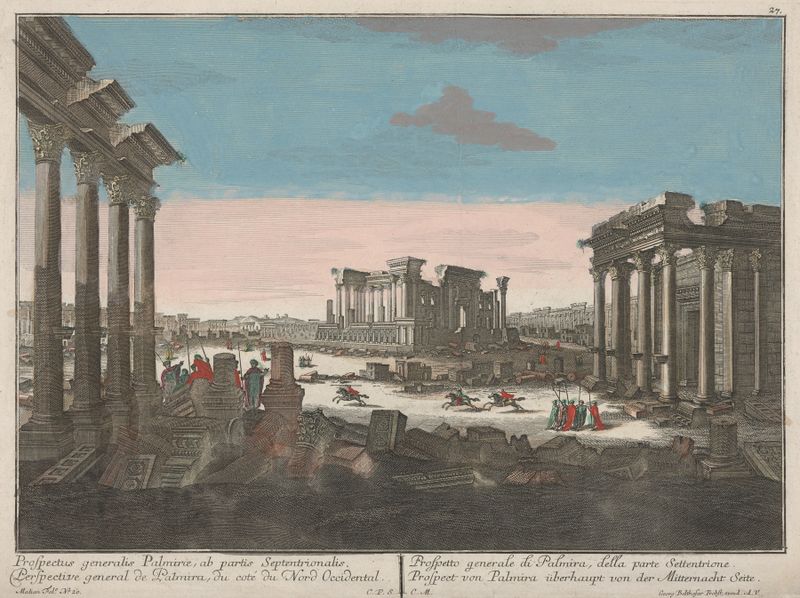
General Perspective of Palmira, as seen from the North-West
Georg Balthasar Probst

View of the Church of St. Martin in London
Georg Balthasar Probst

View of the Eastern entrance in Rotterdam
Georg Balthasar Probst
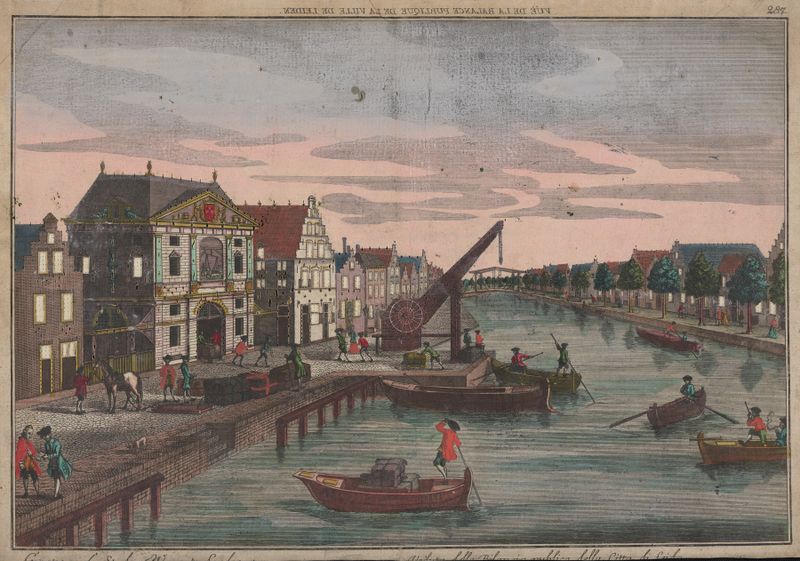
A view of the public scale in the City of Leiden
Georg Balthasar Probst
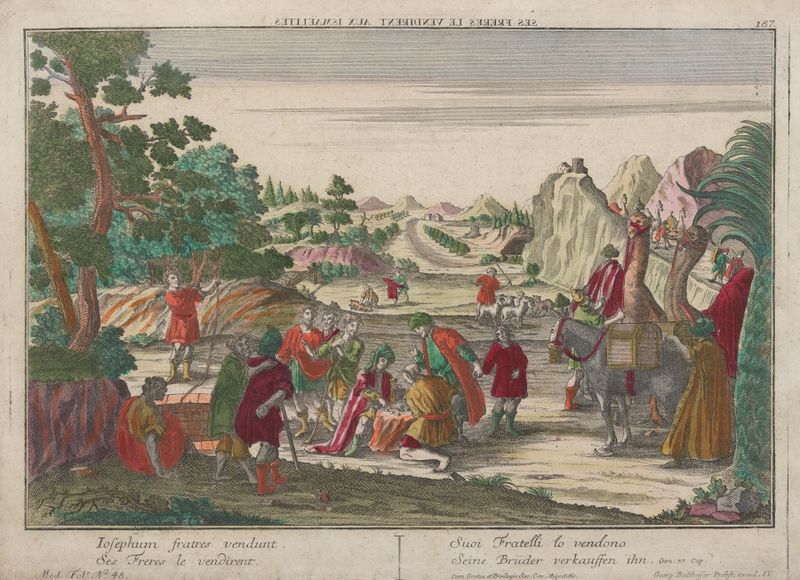
His Brothers sold him to the Ishmaelites
Georg Balthasar Probst
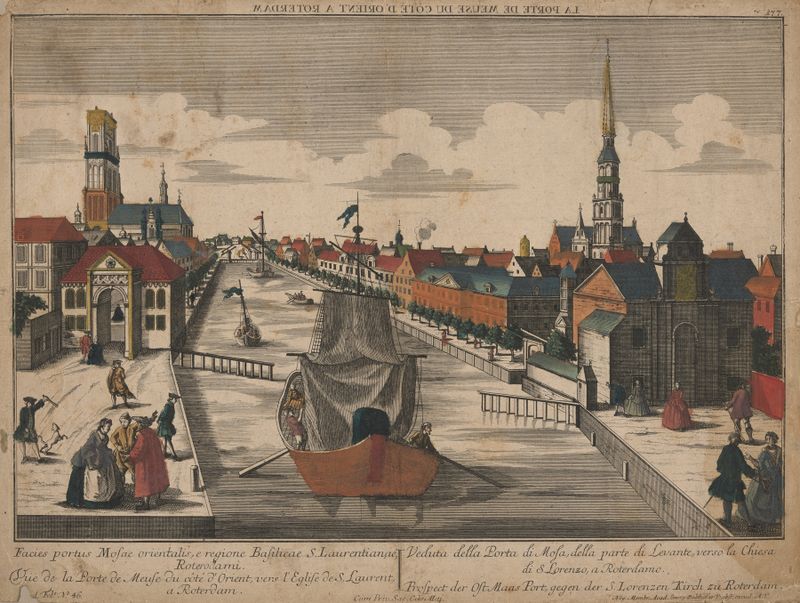
The East entrance to the Museum in Rotterdam
Georg Balthasar Probst