
His Brothers sold him to the Ishmaelites — History & Facts
In the stillness of Probst's creation, a dream unfolds, layered with emotion and consequence. The weight of choices hangs heavily in the air, inviting contemplation of betrayal and the unravelling of kinship. Look to the center of the canvas, where a young figure, bound and vulnerable, captures our gaze. His expression, a mixture of fear and resignation, draws our attention immediately.
The surrounding figures, cloaked in ominous shadows, create a stark contrast against the golden hues that illuminate the boy's face. The artist's meticulous use of chiaroscuro enhances the tension, as the light almost seems to plead for empathy amidst the darkness of the scene. Amidst the turmoil, notice the intricate details: the textures of the garments, the careful positioning of the hands, the subtle expressions of each figure. Each element serves as a testament to the emotional weight of the narrative.
What lies beneath the surface is a complex interplay of familial bonds and the harsh reality of survival. The boy's plight resonates as a universal theme of sacrifice, evoking both compassion and discomfort in the viewer. Georg Balthasar Probst created this poignant work in 1750, a time when the Rococo period was yielding to the rising tide of Neoclassicism across Europe. His oeuvre reflected the changing artistic landscape, marked by an increasing interest in moral narratives and humanity’s darker chapters.
In an era rife with social upheaval, Probst channeled the complexities of human emotion into his art, creating a timeless commentary on loyalty and betrayal.
More Artworks by Georg Balthasar Probst
Browse all →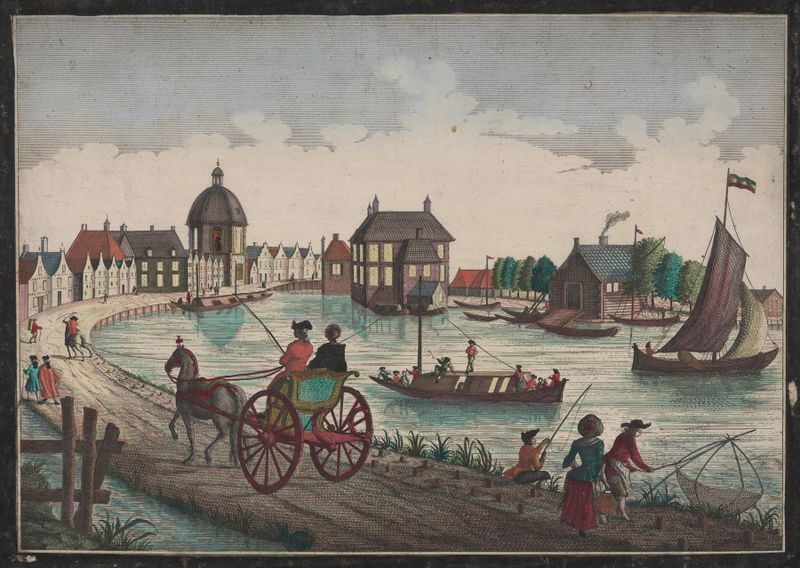
View of Amsterdam from the East side.
Georg Balthasar Probst
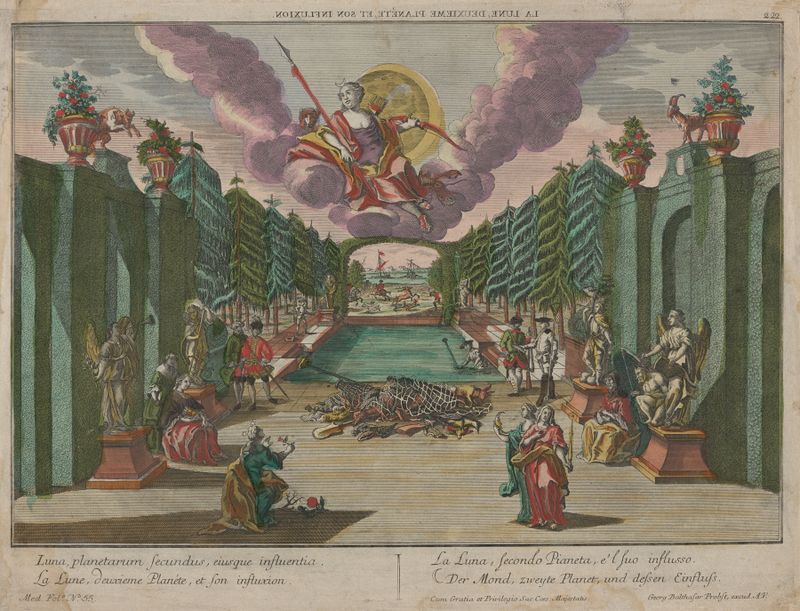
La Lune, deuxieme planete, et son influxion
Georg Balthasar Probst
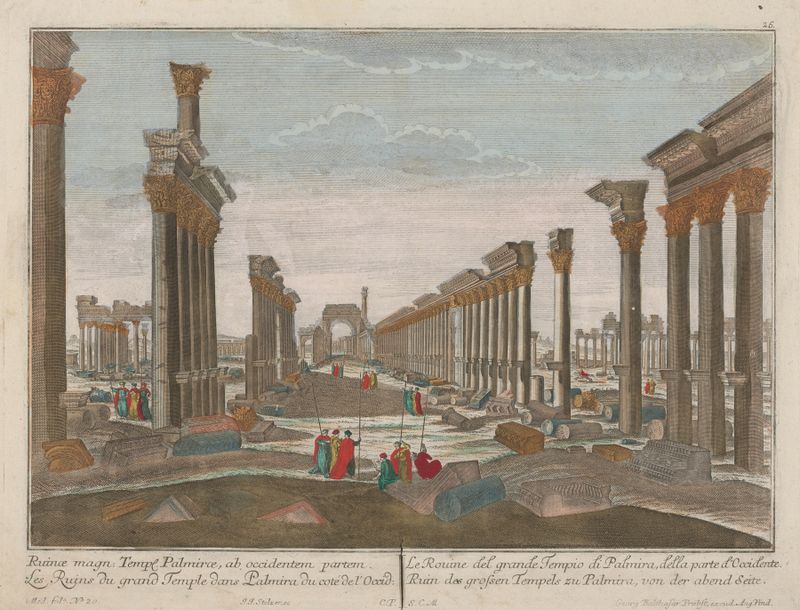
The Ruins of the great Temple at Palmira, from the West
Georg Balthasar Probst
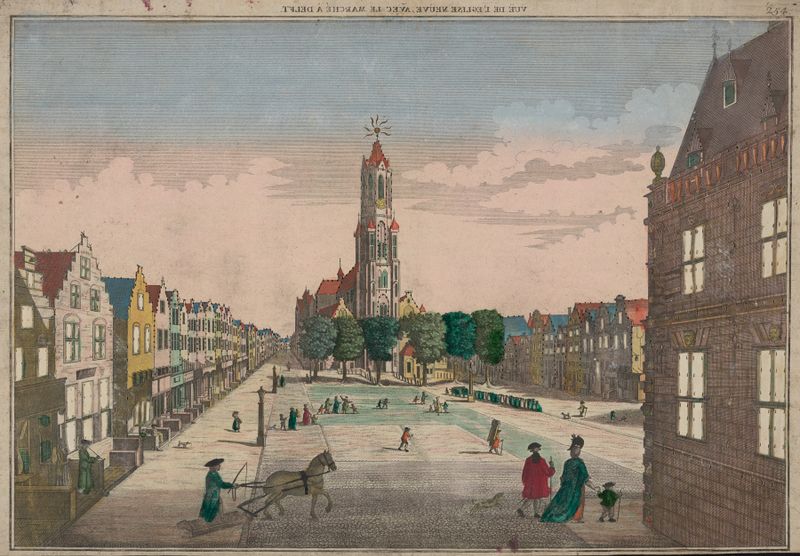
View of the new church and the market in Delft
Georg Balthasar Probst
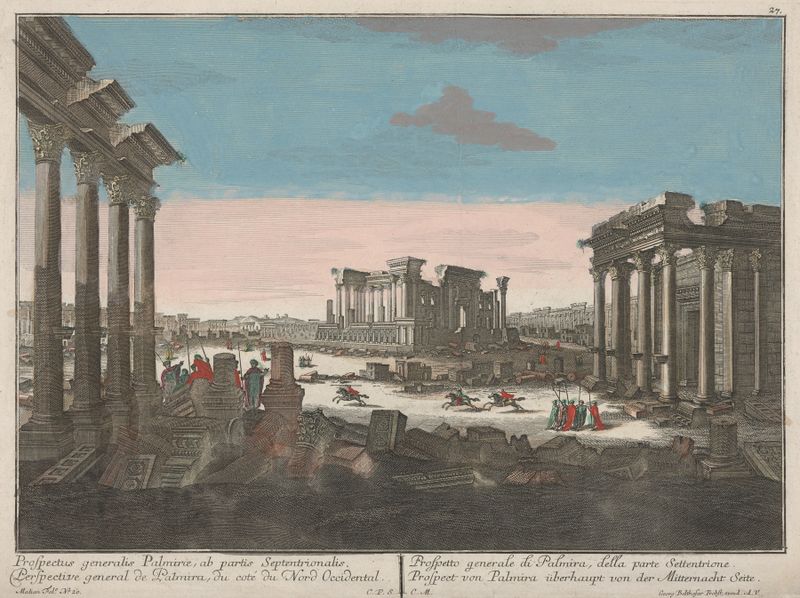
General Perspective of Palmira, as seen from the North-West
Georg Balthasar Probst

View of the Church of St. Martin in London
Georg Balthasar Probst

View of the Eastern entrance in Rotterdam
Georg Balthasar Probst
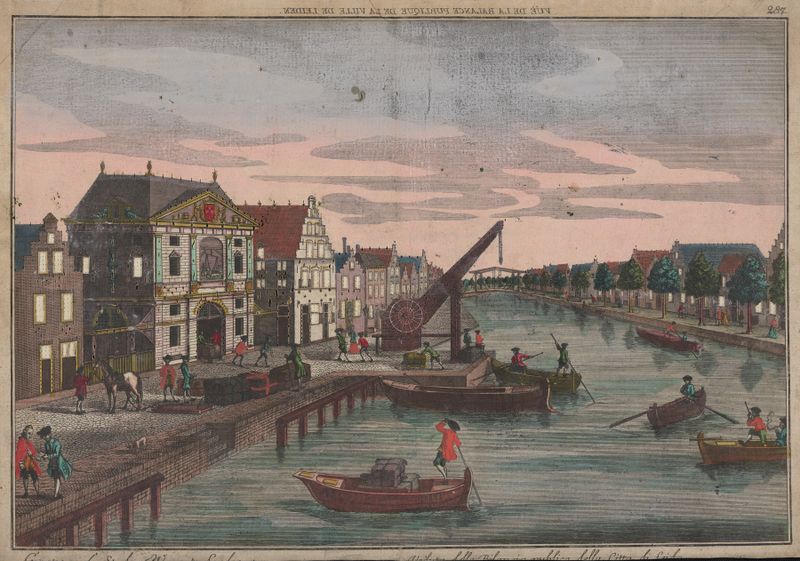
A view of the public scale in the City of Leiden
Georg Balthasar Probst

Le Mars, troisieme Planete, et son influxion
Georg Balthasar Probst
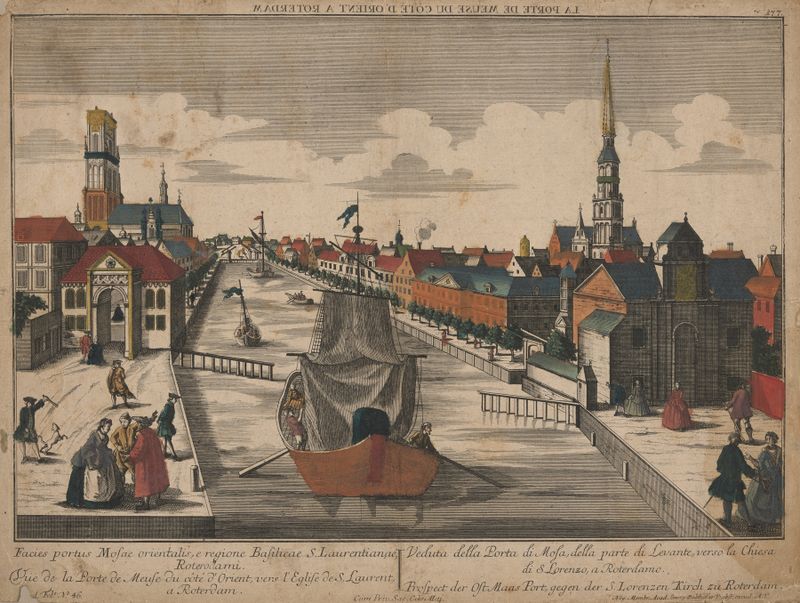
The East entrance to the Museum in Rotterdam
Georg Balthasar Probst
More Historical Art
Browse all →
The Night Watch Militia Company of District II under the Command of Captain Frans Banninck Cocq
Rembrandt van Rijn

Lincoln Memorial
Henry Bacon

The Third of May 1808
Francisco de Goya

Isaac and Rebecca, Known as ‘The Jewish Bride’
Rembrandt van Rijn

The Charge of the Mamelukes (1814)
Francisco de Goya

De vier ruiters van de apocalyps
Albrecht Dürer