La Lune, deuxieme planete, et son influxion — History & Facts
In La Lune, deuxieme planete, et son influxion, memory and emotion intertwine, capturing the fragile essence of human experience with the cosmos. The interplay of celestial bodies invites reflection on our place in the universe, offering a poignant exploration of existence. Look closely at the luminous moon, painted with ethereal tones that shimmer against the dark expanse of space. Notice how the artist meticulously details the craters and shadows, giving the moon a sense of weight and depth.
The surrounding planets radiate vibrant hues, each orb pulsing with a distinct energy, creating a dynamic composition that draws your eye from the serene calm of the lunar surface to the bustling vibrancy of the planets in motion. The tension between the stillness of the moon and the vibrancy of the planets evokes a contrast between solitude and connection. Each celestial body seems to communicate a fragment of history—memories of ancient civilizations gazing at the same night sky, a reminder of humanity’s relentless quest for knowledge. The delicate brushwork and layering of colors convey a sense of time, as if the viewer is witnessing the very moment when dreams of exploration and understanding first blossomed. Georg Balthasar Probst created this work in the late 18th century, during a time when astronomy was rapidly evolving and capturing the public imagination.
Living in Augsburg, he was part of a rich cultural milieu that valued both scientific inquiry and artistic expression. This painting reflects the burgeoning interest in celestial phenomena, marking a significant moment in the intersection of art and science.
More Artworks by Georg Balthasar Probst
Browse all →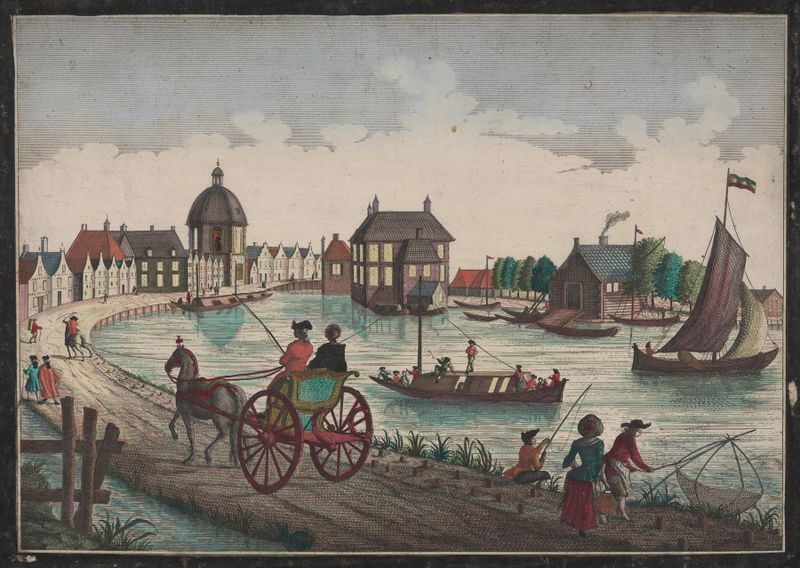
View of Amsterdam from the East side.
Georg Balthasar Probst
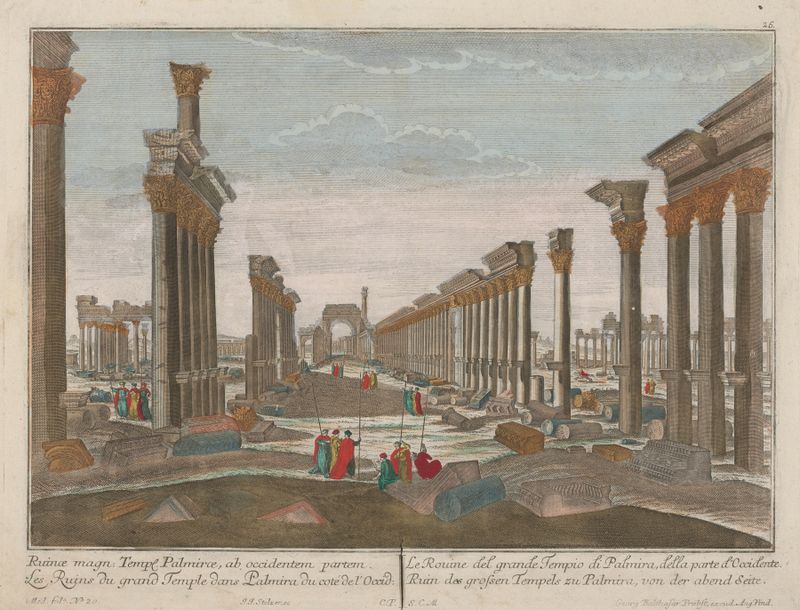
The Ruins of the great Temple at Palmira, from the West
Georg Balthasar Probst
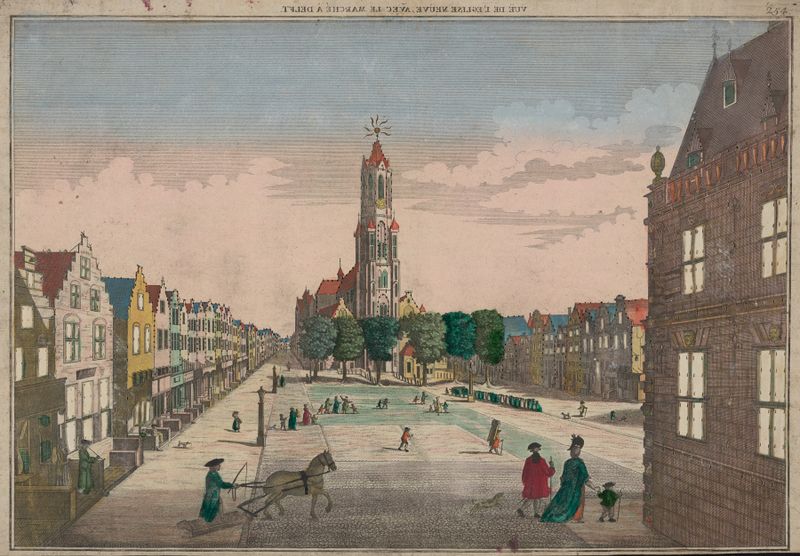
View of the new church and the market in Delft
Georg Balthasar Probst
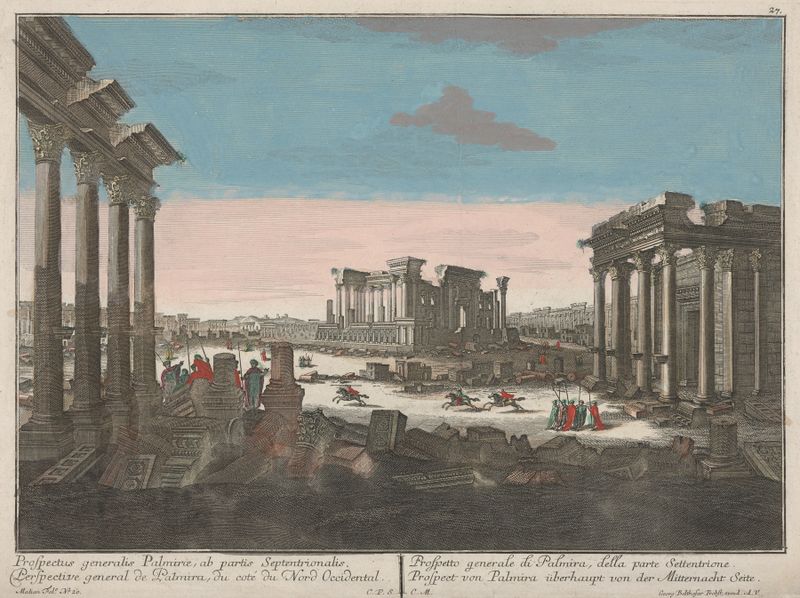
General Perspective of Palmira, as seen from the North-West
Georg Balthasar Probst

View of the Church of St. Martin in London
Georg Balthasar Probst

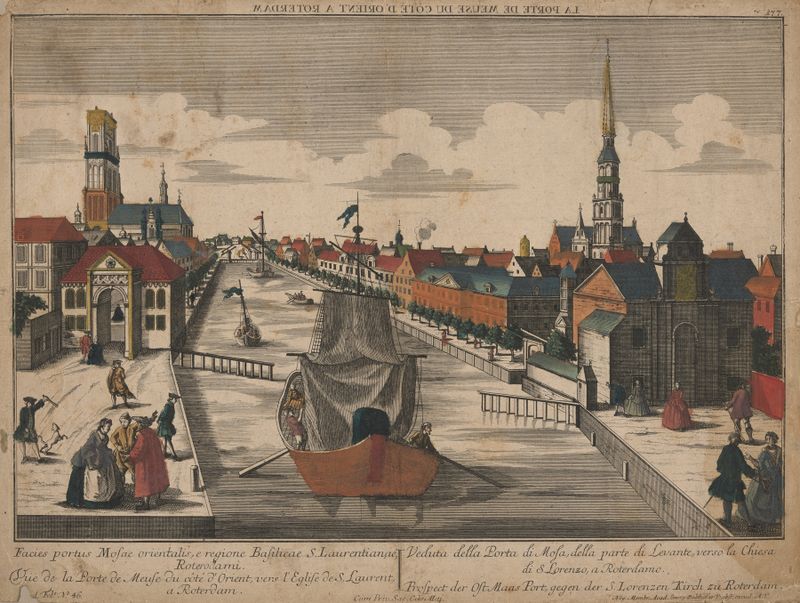
View of the Eastern entrance in Rotterdam
Georg Balthasar Probst
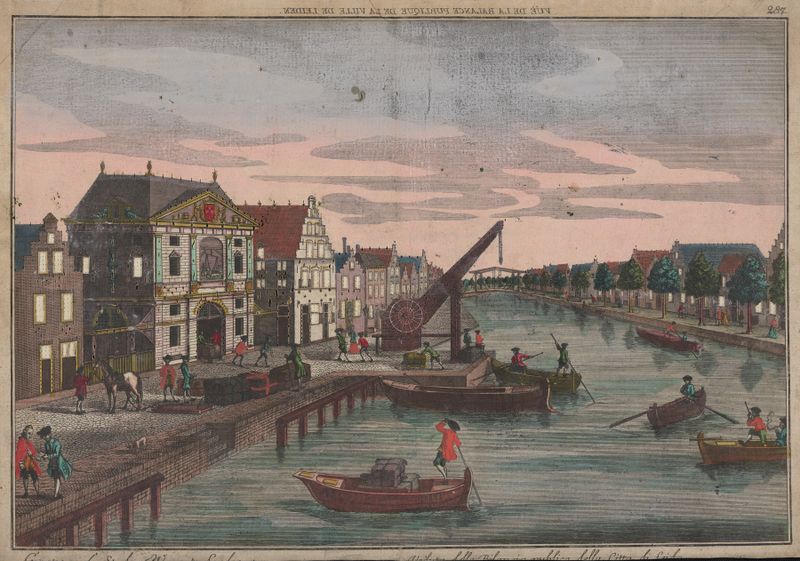
A view of the public scale in the City of Leiden
Georg Balthasar Probst

Le Mars, troisieme Planete, et son influxion
Georg Balthasar Probst
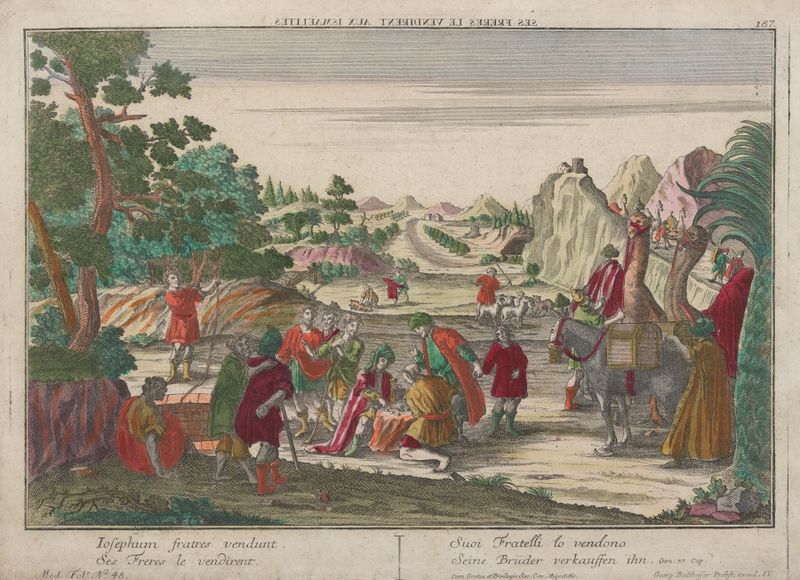
His Brothers sold him to the Ishmaelites
Georg Balthasar Probst
The East entrance to the Museum in Rotterdam
Georg Balthasar Probst