
View of the Church of St. Martin in London — History & Facts
What secret hides in the quiet of the canvas? A moment captured in time, revealing the tension between serenity and the storm lurking just beyond the frame. Look to the left at the elegant silhouette of the Church of St. Martin, its spire reaching toward the heavens, bathed in the soft glow of a fading sun. The artist employs a muted palette of earth tones and grays, giving the structure a sense of permanence amidst the fleeting light.
Notice how the shadows deepen as they stretch across the cobblestones, inviting the eye to wander into the delicate interplay between light and dark, peace and unrest. Each brushstroke seems to whisper the presence of history, hinting at untold stories that resonate beneath the tranquil surface. The painting evokes a sense of juxtaposition—the serene facade of the church against a backdrop that feels laden with tension. A few figures meander in the foreground, seemingly unaware of the weight of the world outside this sanctuary.
Yet, the vibrant green of the surrounding trees contrasts starkly with the oppressive gray sky, suggesting the underlying turmoil of urban life in the 18th century. The stillness of the scene belies the violence that era was known for, as whispers of conflict and change linger just out of sight. Georg Balthasar Probst painted this work in 1750, a period marked by the rise of urbanization and the complexities of modern life. Living in London, he was influenced by the city’s rapid transformation and the artistic movements of his time, including the shift towards landscapes and cityscapes that integrated architectural elements.
His work reflects a moment of calm before the impending social upheaval, encapsulating both the beauty and the fragility of that pivotal moment in history.
More Artworks by Georg Balthasar Probst
Browse all →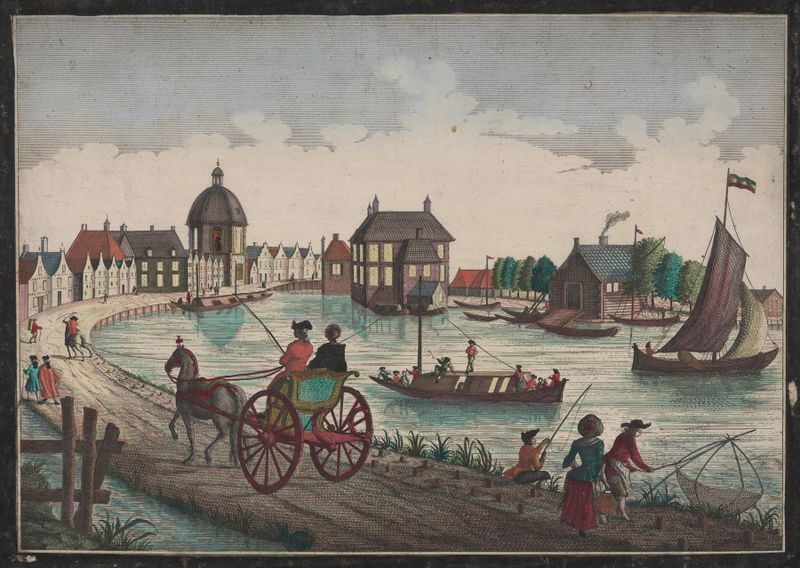
View of Amsterdam from the East side.
Georg Balthasar Probst
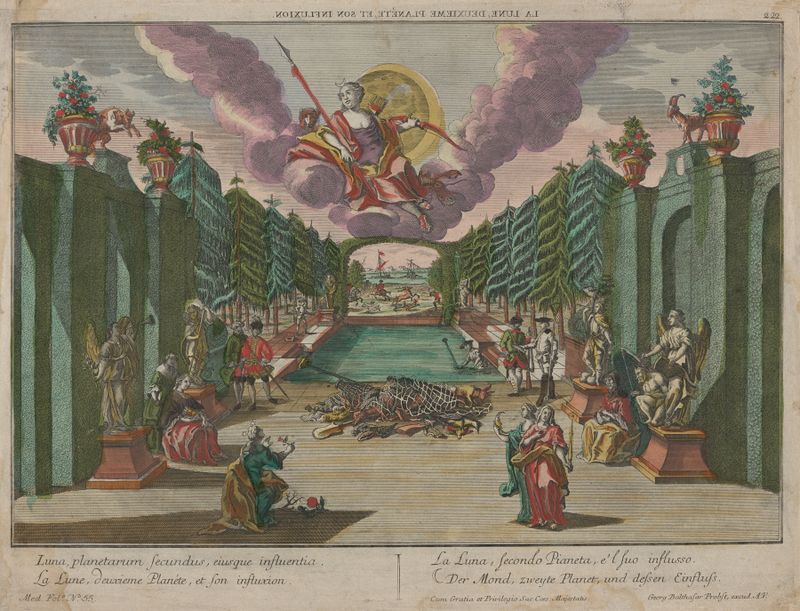
La Lune, deuxieme planete, et son influxion
Georg Balthasar Probst
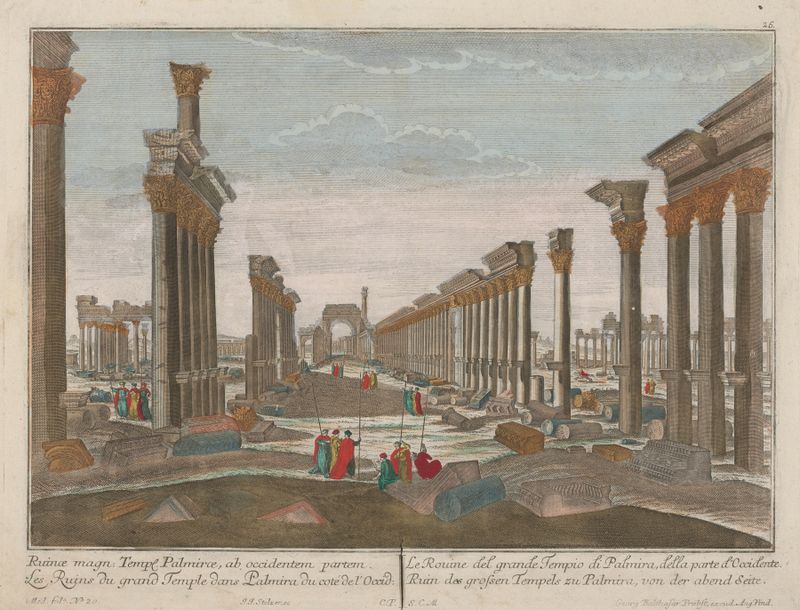
The Ruins of the great Temple at Palmira, from the West
Georg Balthasar Probst
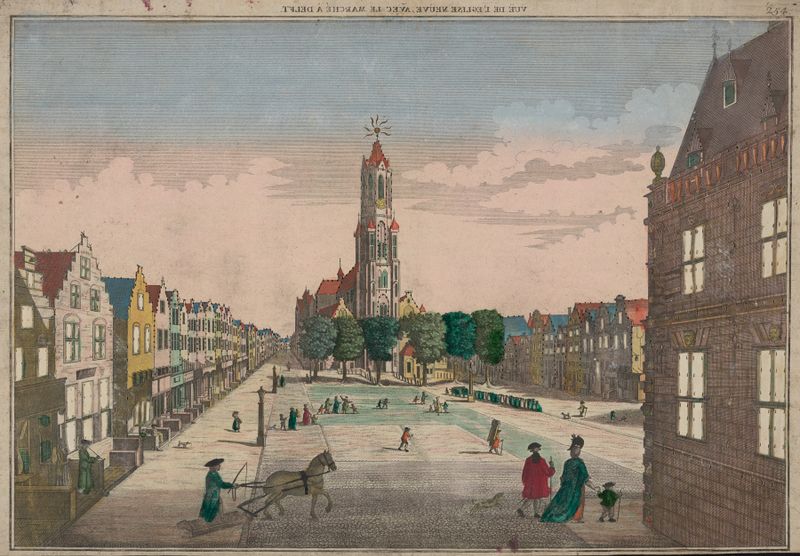
View of the new church and the market in Delft
Georg Balthasar Probst
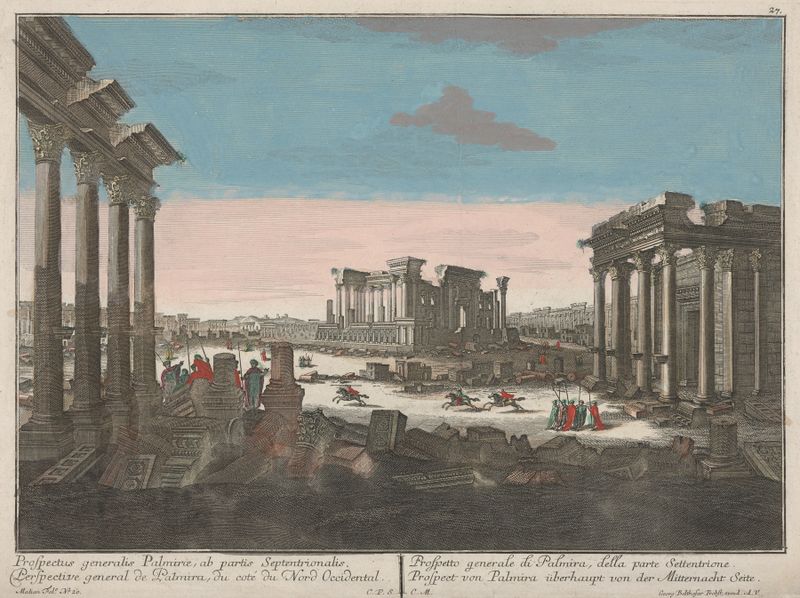
General Perspective of Palmira, as seen from the North-West
Georg Balthasar Probst

View of the Eastern entrance in Rotterdam
Georg Balthasar Probst
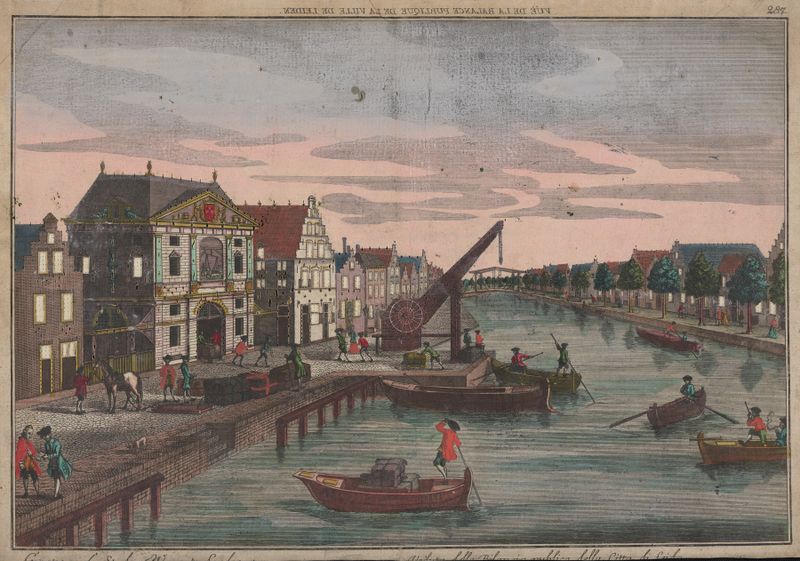
A view of the public scale in the City of Leiden
Georg Balthasar Probst

Le Mars, troisieme Planete, et son influxion
Georg Balthasar Probst
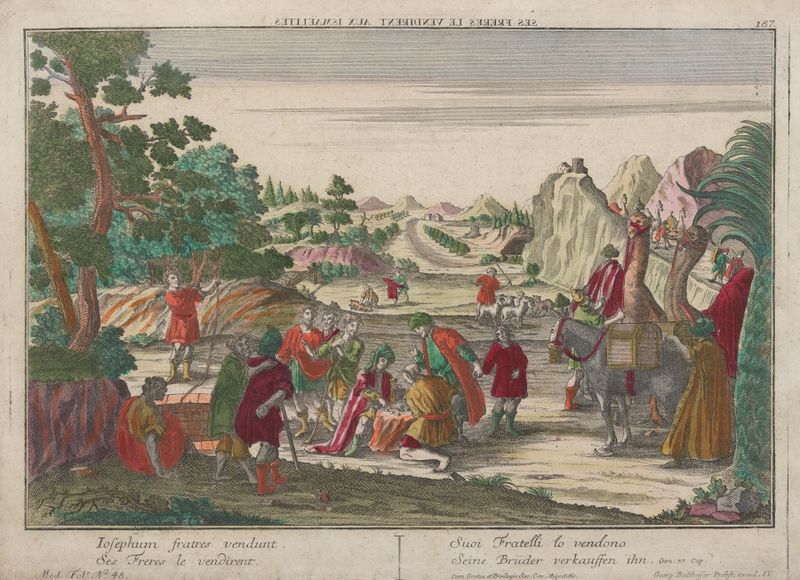
His Brothers sold him to the Ishmaelites
Georg Balthasar Probst
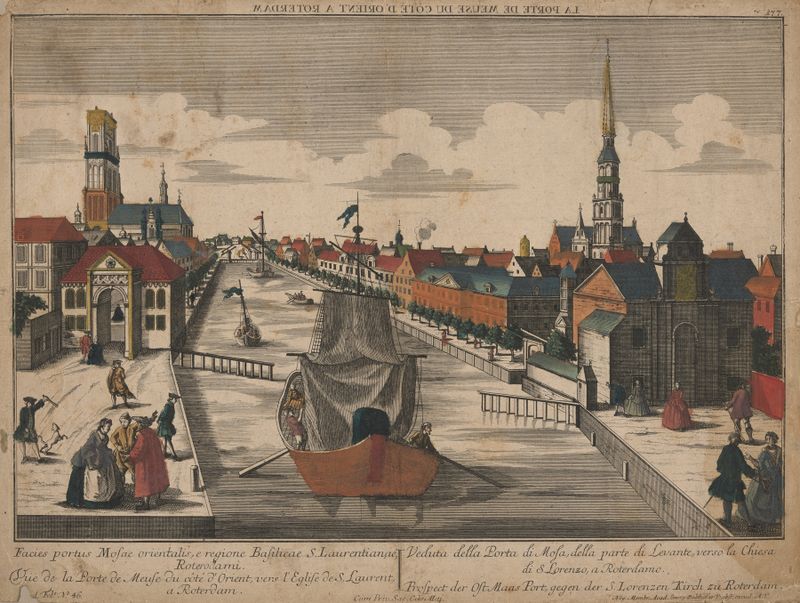
The East entrance to the Museum in Rotterdam
Georg Balthasar Probst
More Architecture Art
Browse all →
The statue of Liberty
Frédéric Auguste Bartholdi

View of Houses in Delft, Known as ‘The Little Street’
Johannes Vermeer

View of Houses in Delft, Known as ‘The Little Street’
Johannes Vermeer

The Cathedral in Rouen. The portal, Grey Weather
Claude Monet

The yellow house
Vincent van Gogh

The Church in Auvers-sur-Oise, View from the Chevet
Vincent van Gogh