
The Ruins of the great Temple at Palmira, from the West — History & Facts
The ancient ruins whisper tales of faith, loss, and resilience, inviting us to ponder the past while confronting our own fragile existence. Look to the left at the majestic columns, their weathered surfaces rising defiantly against a vast, cloud-streaked sky. The artist captures the starkness of the stone against the ethereal light, illuminating both the grandeur and decay. Notice how the warm tones of ochre and earth contrast with the cool blues above, evoking a sense of longing for what once was, while shadows linger in the crevices, hinting at stories beneath the surface. At first glance, the image speaks of monumental beauty, yet deeper reflection reveals an underlying melancholy.
The juxtaposition of the temple’s former glory with its current state of ruin evokes a poignant narrative about the passage of time and the fragility of faith. Each crumbling stone symbolizes lost faith in the permanence of human achievement, stirring emotions about transience and the relentless march of history. Created in 1750, this piece emerged from a period of exploration and fascination with ruins as emblems of antiquity. Probst, working in Germany, was part of an artistic movement that revered classical heritage, reflecting the Enlightenment's growing interest in history and archaeology.
His detailed depiction not only serves as a window into a lost civilization but also a meditation on the human spirit's enduring quest for meaning amidst the remnants of past glories.
More Artworks by Georg Balthasar Probst
Browse all →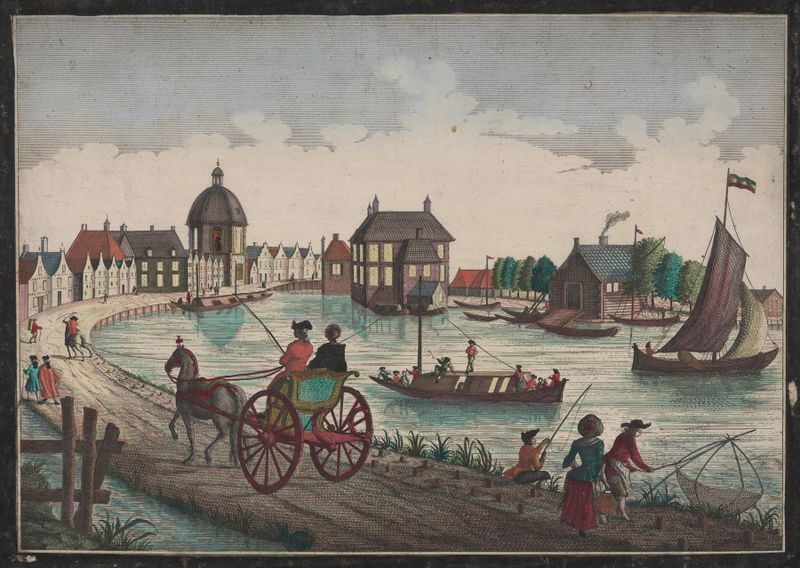
View of Amsterdam from the East side.
Georg Balthasar Probst
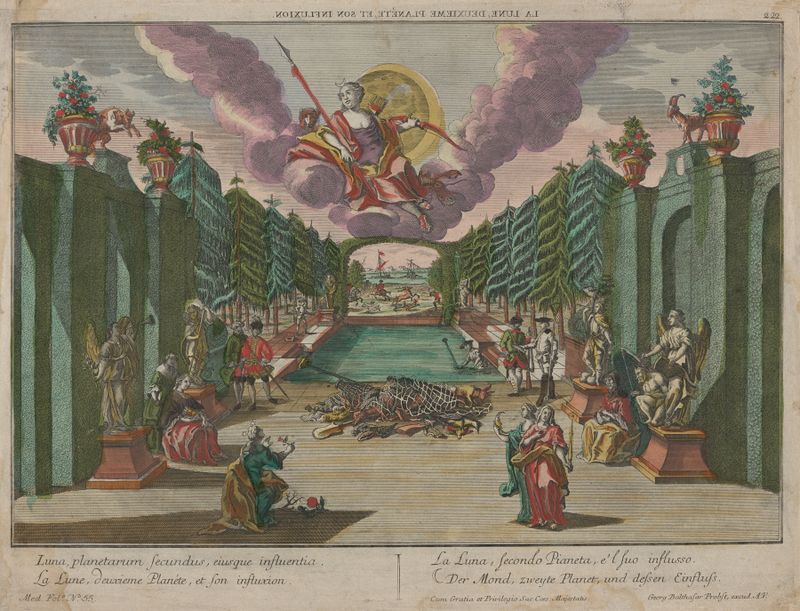
La Lune, deuxieme planete, et son influxion
Georg Balthasar Probst
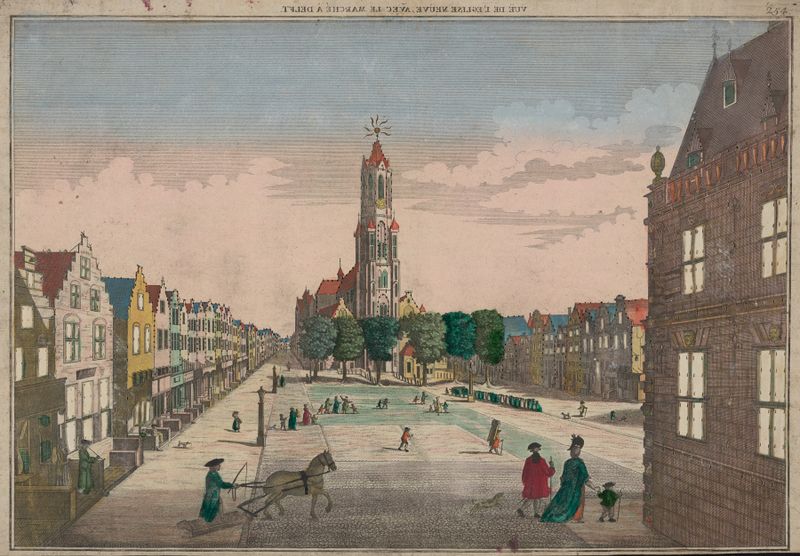
View of the new church and the market in Delft
Georg Balthasar Probst
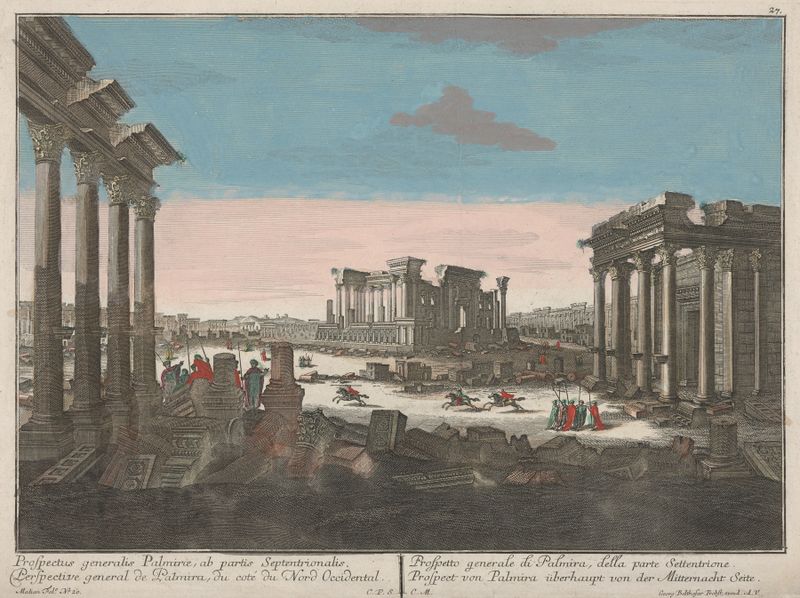
General Perspective of Palmira, as seen from the North-West
Georg Balthasar Probst

View of the Church of St. Martin in London
Georg Balthasar Probst

View of the Eastern entrance in Rotterdam
Georg Balthasar Probst
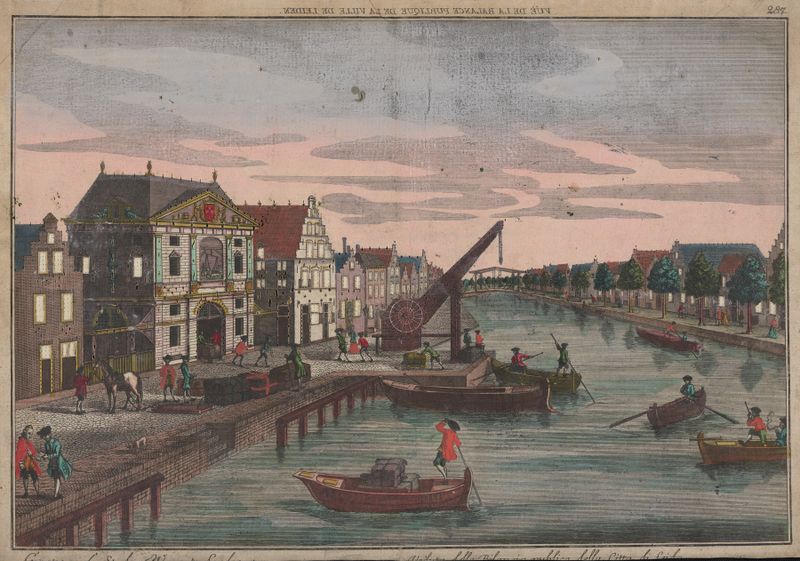
A view of the public scale in the City of Leiden
Georg Balthasar Probst

Le Mars, troisieme Planete, et son influxion
Georg Balthasar Probst
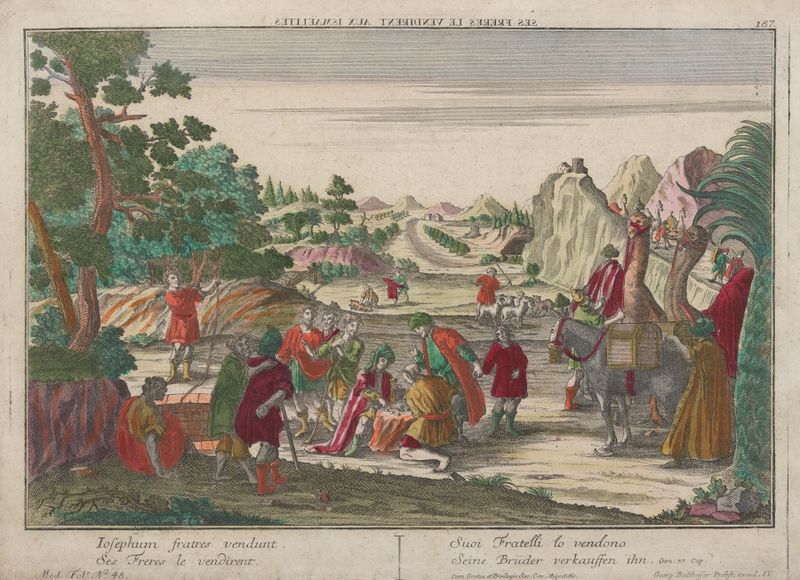
His Brothers sold him to the Ishmaelites
Georg Balthasar Probst
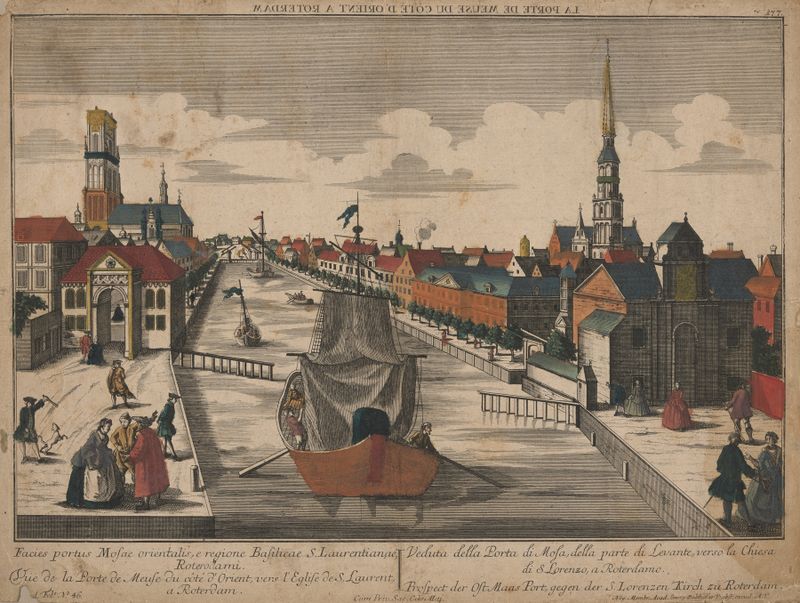
The East entrance to the Museum in Rotterdam
Georg Balthasar Probst
More Architecture Art
Browse all →
The statue of Liberty
Frédéric Auguste Bartholdi

View of Houses in Delft, Known as ‘The Little Street’
Johannes Vermeer

View of Houses in Delft, Known as ‘The Little Street’
Johannes Vermeer

The Cathedral in Rouen. The portal, Grey Weather
Claude Monet

The yellow house
Vincent van Gogh

The Church in Auvers-sur-Oise, View from the Chevet
Vincent van Gogh