
Le Palais du Trocadéro vu des jardins — History & Facts
In a world forever shifting, the act of artistry becomes a solemn repository of moments lost to time. Focus on the elegant expanse of the gardens that unfurl in front of you, with their meticulously trimmed hedges and vibrant flower beds. The composition leads your gaze towards the grand facade of the Trocadéro, a magnificent structure that looms elegantly in the distance, framed by the carefully arranged flora. Notice how the light dances across the surfaces, casting a warm glow that contrasts the cool shadows, revealing the interplay of nature and man-made beauty.
The color palette is a symphony of greens and soft pastels, inviting reflection on the balance between life and the memories we cherish. Yet beneath this serene beauty lies a poignant tension—an unspoken loss. The juxtaposition of the thriving gardens against the architectural monument evokes a sense of nostalgia, a reminder that even beauty fades. The flowers bloom while the Trocadéro stands as a relic, a testament to human ambition that will one day weather and crumble.
Each petal reaching towards the sun speaks of fleeting moments, while the structure symbolizes permanence, perhaps hinting at what we inevitably leave behind. In 1910, during a period marked by social and artistic upheaval, the painter crafted this piece as a response to the changing world around him. Renoux was working in France, amidst a surge of artistic experimentation and modernization, yet he chose to depict a scene that speaks to both the ephemeral nature of life and the enduring qualities of architectural beauty. In capturing this moment, he engages with themes of loss and memory against the backdrop of his time.
More Artworks by Ernest Jules Renoux
Browse all →
L’Entrée du Pont Alexandre III
Ernest Jules Renoux
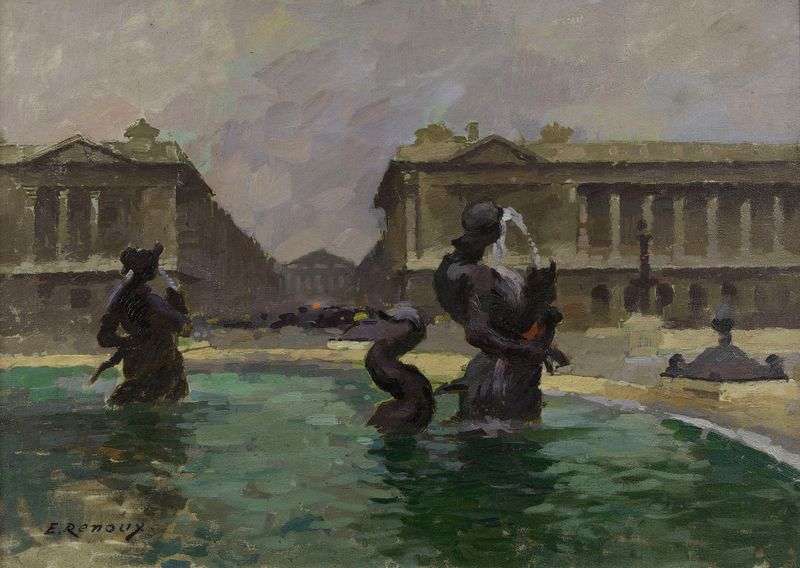
La Place de la Concorde et la rue Royale
Ernest Jules Renoux

Le Dôme des Invalides vu depuis l’avenue de Ségur
Ernest Jules Renoux
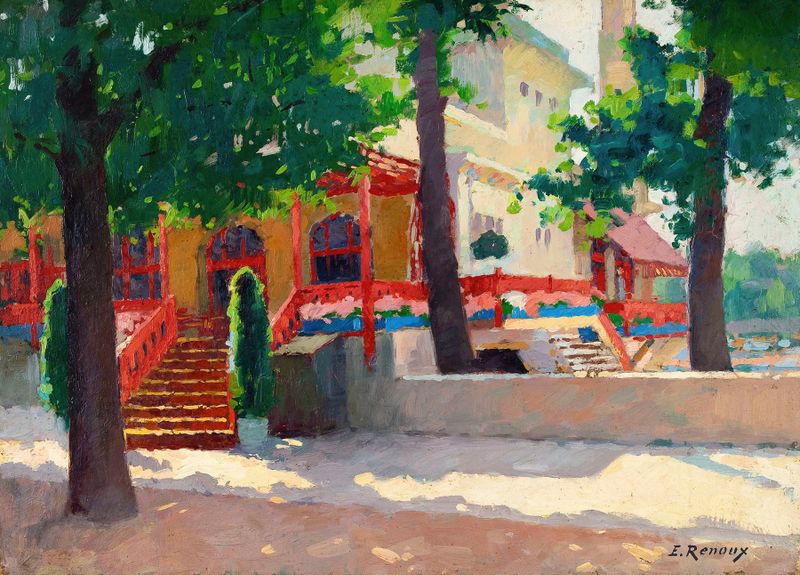
Un pavillon de l’Exposition des Arts décoratifs
Ernest Jules Renoux
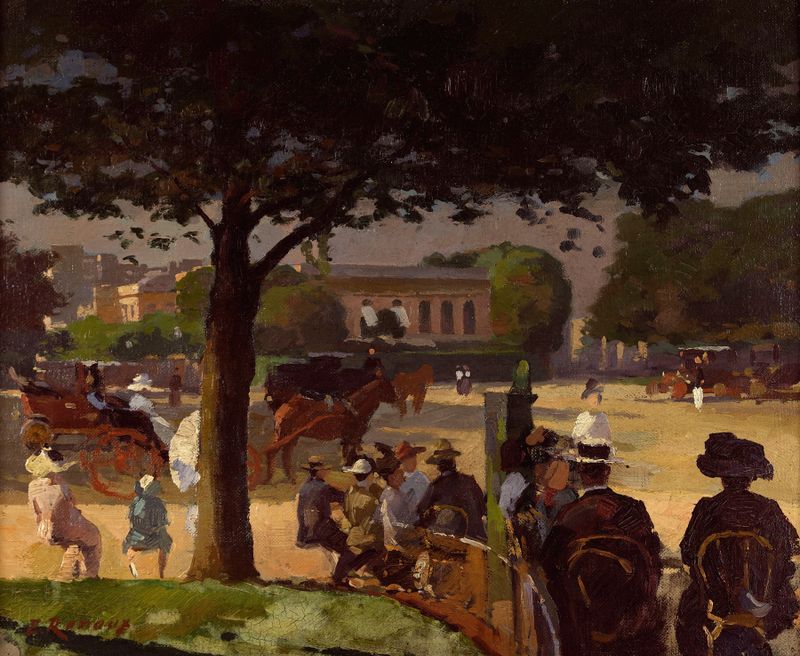
Le Palais Rose
Ernest Jules Renoux
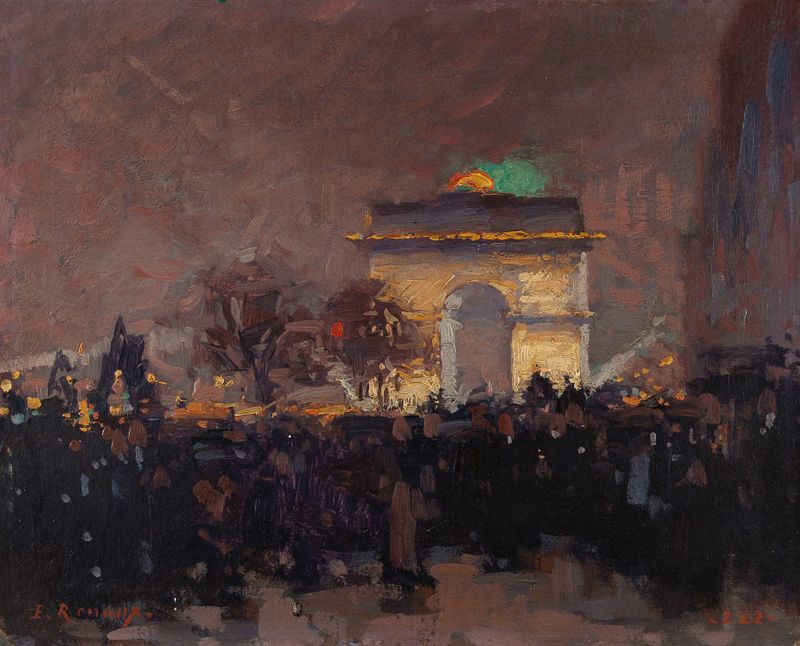
11 novembre 1920. Installation des cendres du soldat inconnu sous l’Arc de Triomphe de l’Etoile
Ernest Jules Renoux
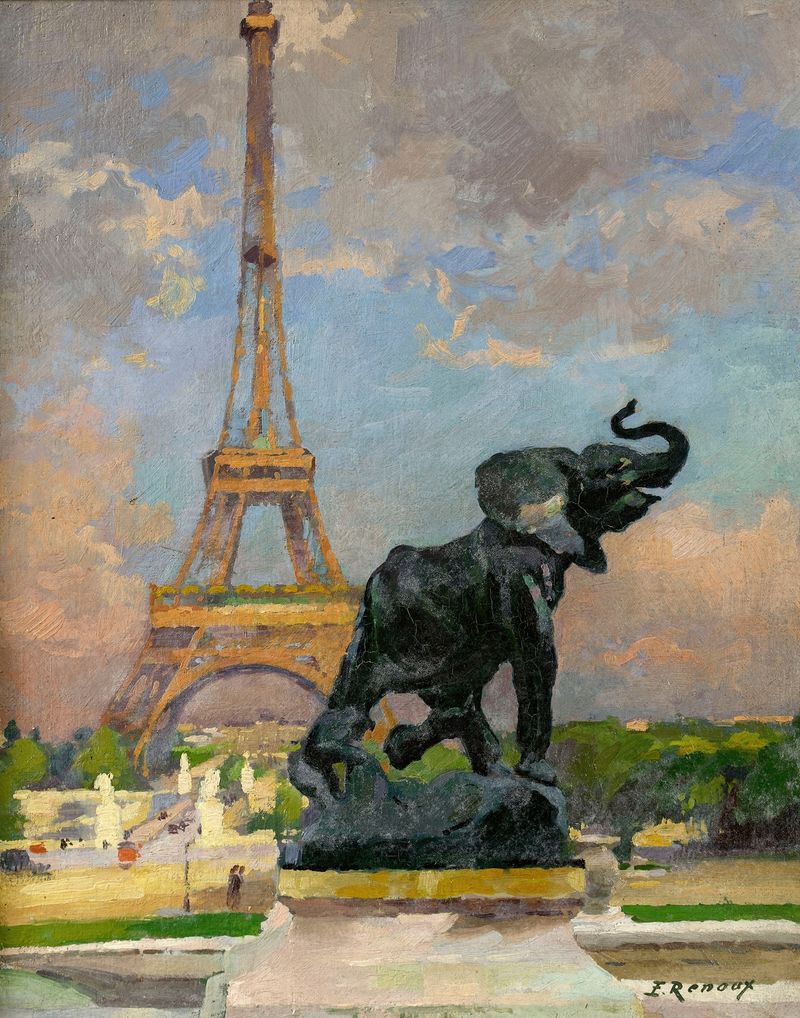
L’Eléphant pris au piège de Frémiet et la Tour Eiffel
Ernest Jules Renoux
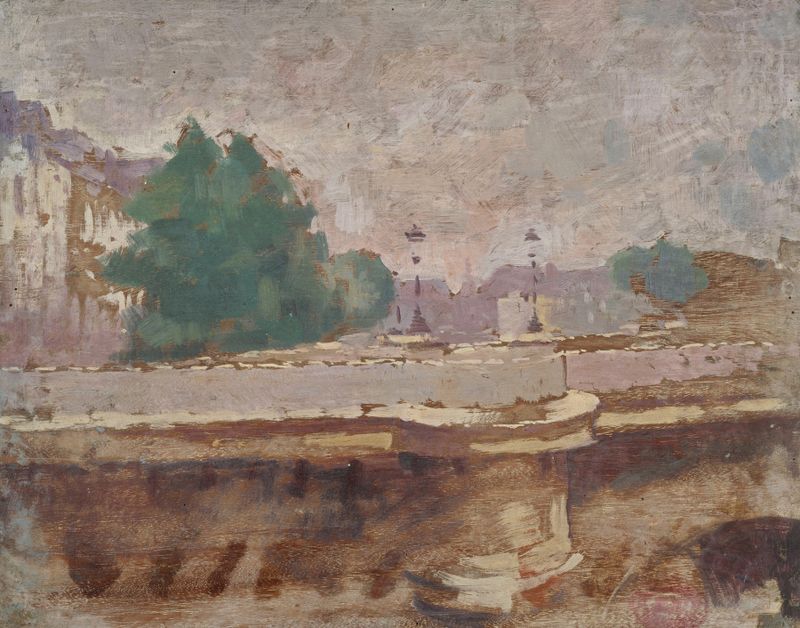
Paris, le pont Neuf
Ernest Jules Renoux
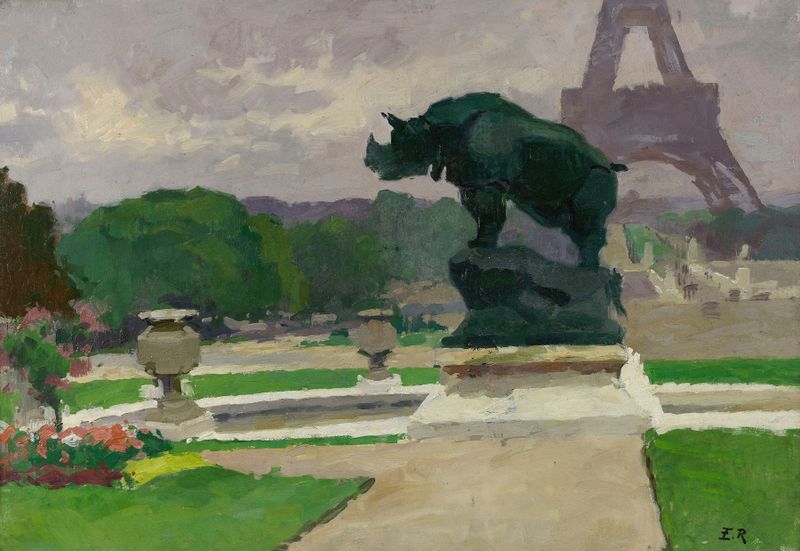
Jardin du Trocadéro avec le Rhinocéros de Jacquemart
Ernest Jules Renoux
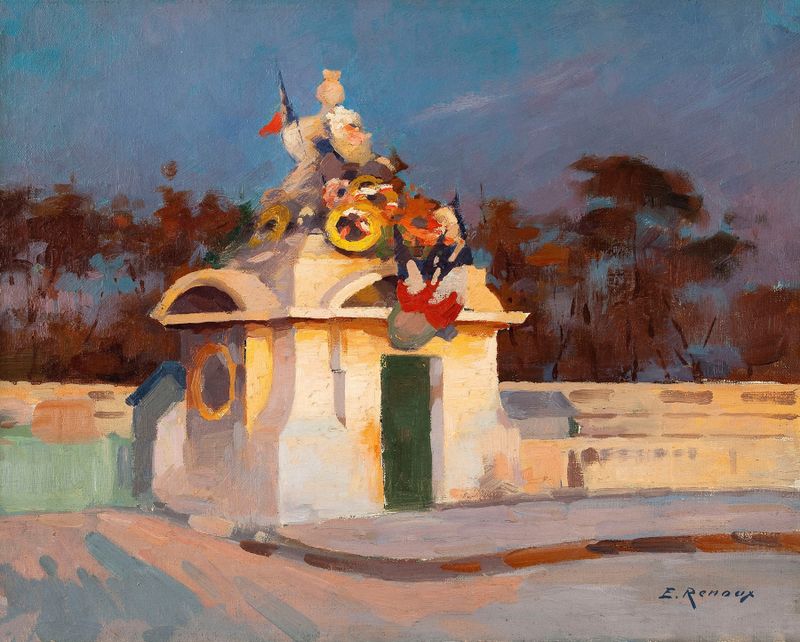
Place de la Concorde, statue de la ville de Strasbourg
Ernest Jules Renoux





