Jardin du Trocadéro avec le Rhinocéros de Jacquemart — History & Facts
In the quiet corners of art, a yearning lingers, often unseen yet deeply felt. The interplay of longing and stillness draws us into a delicate dance of emotion, inviting us to look closer. Focus on the foreground where vibrant flowers burst forth in a riot of colors, each petal a testament to nature's beauty. Notice how the lush greens cradle the rhino, grounding the magnificent creature in an oasis of life.
The light dances across the canvas, casting soft shadows that echo the textures of the flora, inviting your gaze to linger on the intricate details of the animal's skin. The contrast of the vivid blooms against the muted tones of the rhino speaks to the harmony and tension that exist in the world. Beneath this visual feast lies a deeper narrative of longing—a desire to connect with the wild, to reclaim a piece of the lost wilderness. The composition beckons us to explore the relationship between the animal and its environment, with the rhino's solitary stance highlighting the isolation of creatures in an increasingly urbanized world.
The tension between the familiar and the exotic reveals an unspoken story of conservation and the fragility of existence, urging reflection on our role in preserving nature’s wonders. Painted in 1922, the work emerges from a time when Ernest Jules Renoux was captivated by the allure of exotic animals and their symbolism. He created it in Paris, a hub of artistic innovation, while grappling with the shifting dynamics of post-World War I Europe. The art scene was marked by a growing interest in surrealism and the natural world, reflecting an era where artists sought to capture both the beauty and vulnerability of life around them.
More Artworks by Ernest Jules Renoux
Browse all →
L’Entrée du Pont Alexandre III
Ernest Jules Renoux
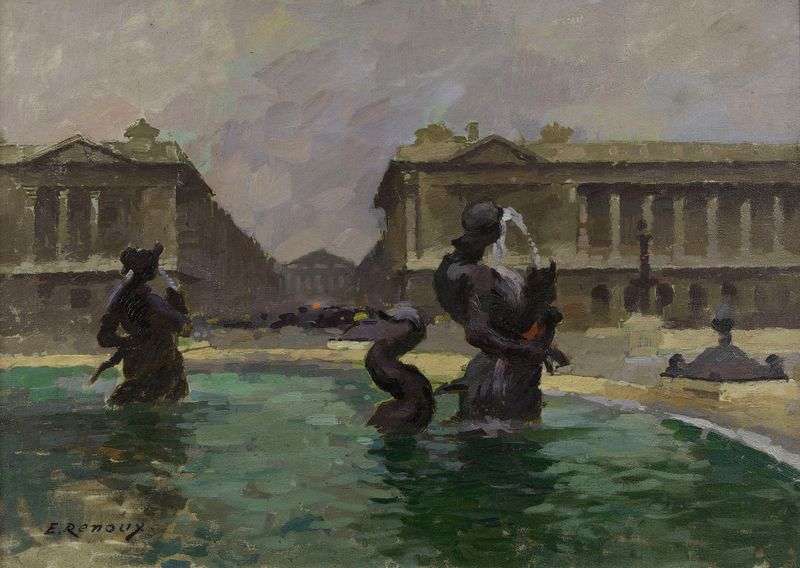
La Place de la Concorde et la rue Royale
Ernest Jules Renoux

Le Dôme des Invalides vu depuis l’avenue de Ségur
Ernest Jules Renoux
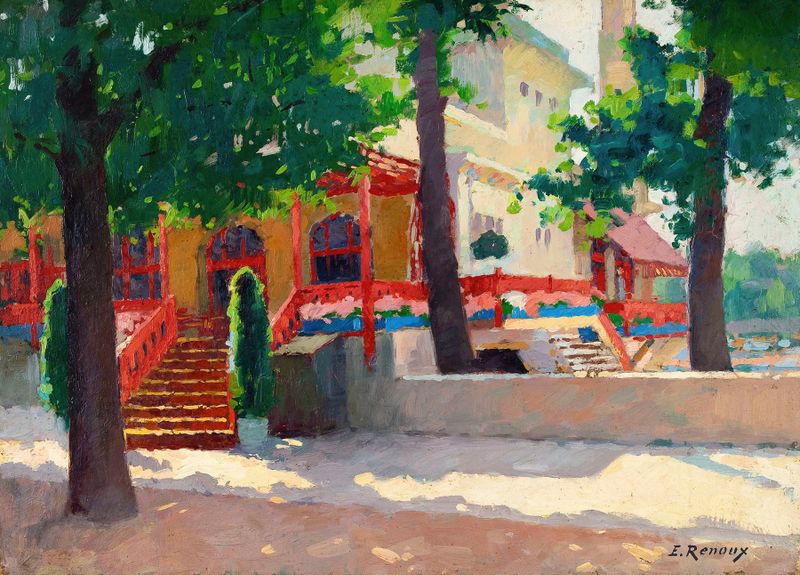
Un pavillon de l’Exposition des Arts décoratifs
Ernest Jules Renoux
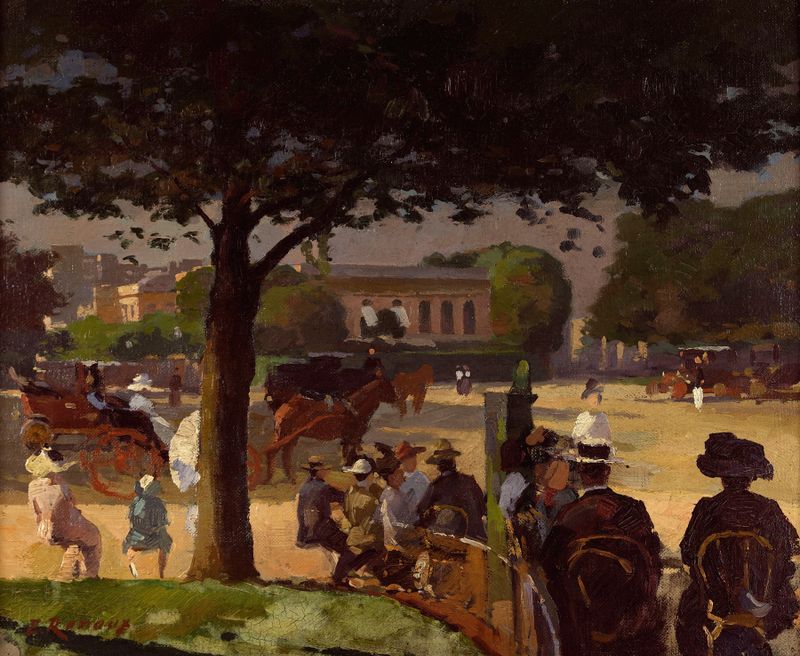
Le Palais Rose
Ernest Jules Renoux
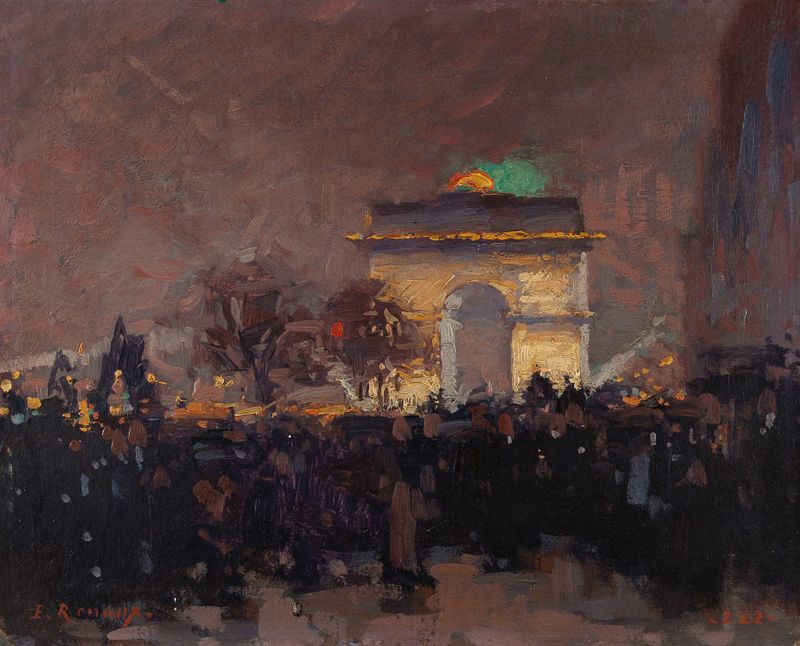
11 novembre 1920. Installation des cendres du soldat inconnu sous l’Arc de Triomphe de l’Etoile
Ernest Jules Renoux
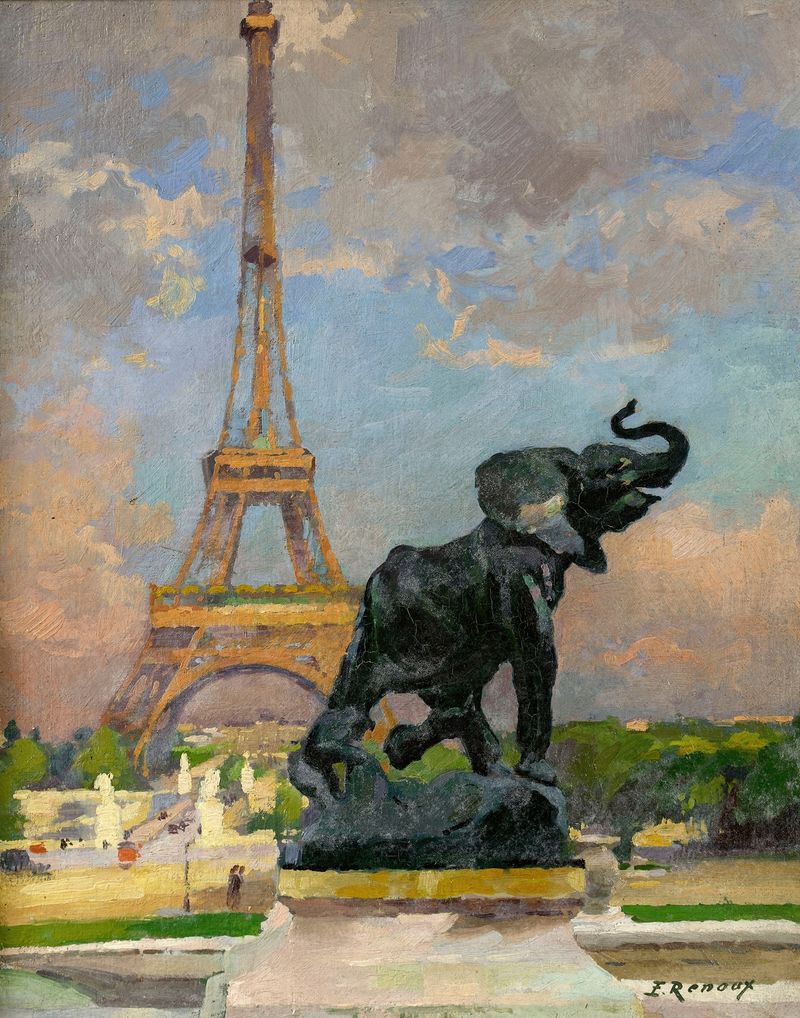
L’Eléphant pris au piège de Frémiet et la Tour Eiffel
Ernest Jules Renoux
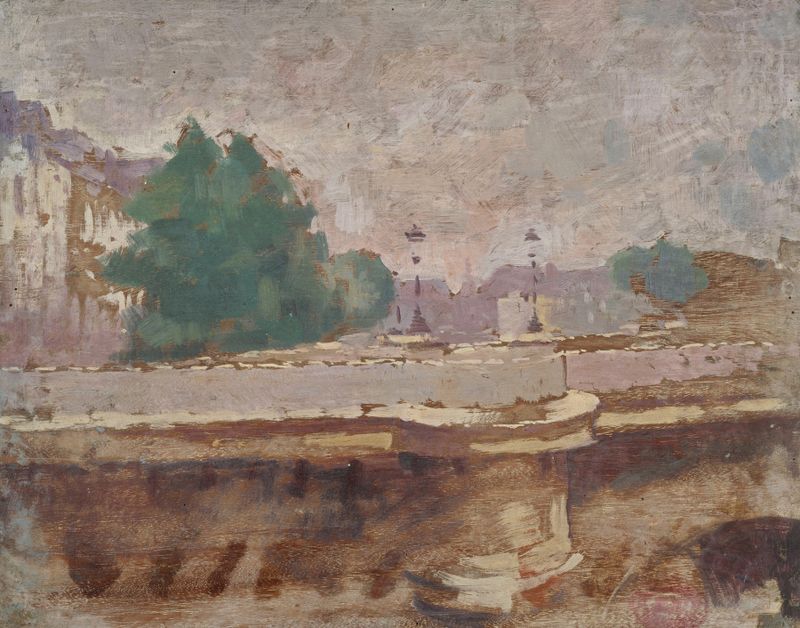
Paris, le pont Neuf
Ernest Jules Renoux
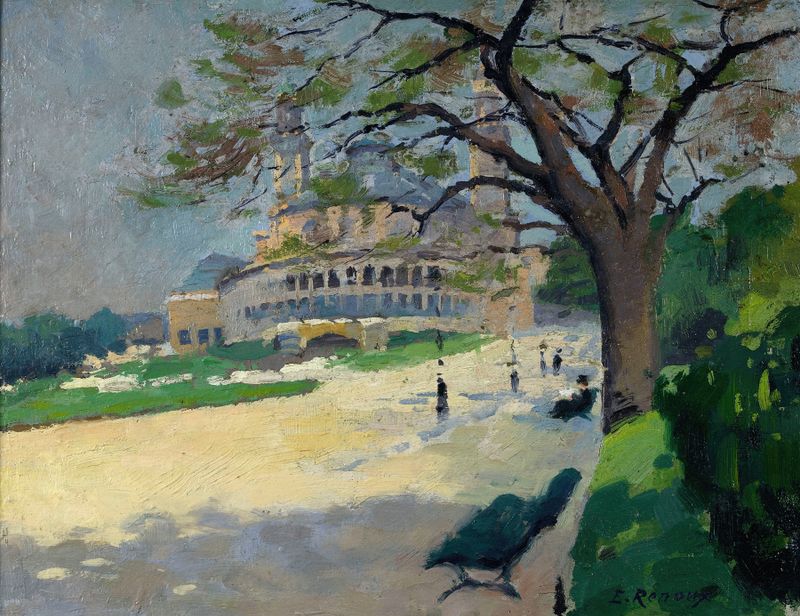
Le Palais du Trocadéro vu des jardins
Ernest Jules Renoux
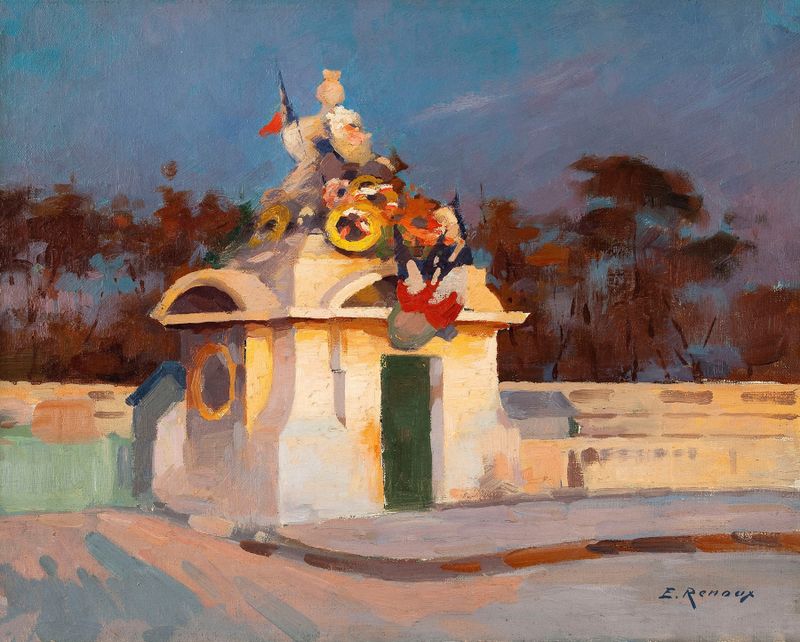
Place de la Concorde, statue de la ville de Strasbourg
Ernest Jules Renoux