L’Eléphant pris au piège de Frémiet et la Tour Eiffel — History & Facts
What if beauty was never meant to be finished? In a world where innocence meets the harsh realities of life, this painting captures the vulnerability of both nature and human ambition. Look towards the center of the canvas, where the imposing figure of the trapped elephant commands attention. Its gentle eyes are filled with a haunting mix of confusion and resignation, contrasting sharply with the stark lines of the Tower standing behind it. Observe the soft hues of browns and greys that envelop the creature, juxtaposed against the cold steel of the Eiffel Tower, a testament to the intersection of nature and human artistry.
The warm sunlight casts elongated shadows, creating a dialogue of light and darkness that emphasizes the tension between the two figures. Here, innocence is both cherished and ensnared. The elephant, a symbol of grace and strength, contrasts starkly with the industrial monument that dwarfs it, suggesting the clash between the primal instinct of the wild and the calculated manipulation of the urban landscape. This juxtaposition evokes a profound sense of loss, encapsulating the idea that progress often comes at a price.
The viewer is left to grapple with the implications of their own existence within this manufactured world, where beauty is both celebrated and imprisoned. Created in 1922, this work by Ernest Jules Renoux reflects a period of rapid industrialization in France, marked by the juxtaposition of nature and progress. Renoux was deeply influenced by the changing landscape of Paris, where tradition met modernity, and this piece encapsulates the tension of that era. It serves as a poignant commentary on the innocence lost amidst the relentless drive for advancement.
More Artworks by Ernest Jules Renoux
Browse all →
L’Entrée du Pont Alexandre III
Ernest Jules Renoux
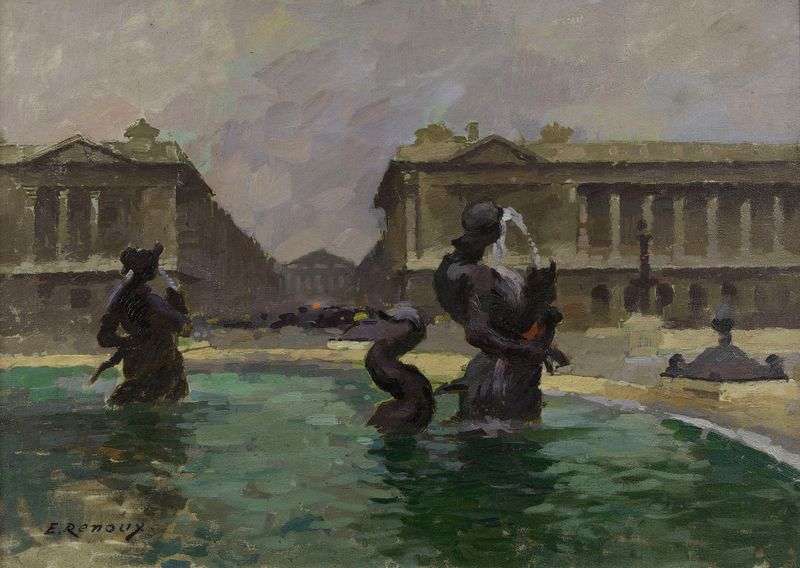
La Place de la Concorde et la rue Royale
Ernest Jules Renoux

Le Dôme des Invalides vu depuis l’avenue de Ségur
Ernest Jules Renoux
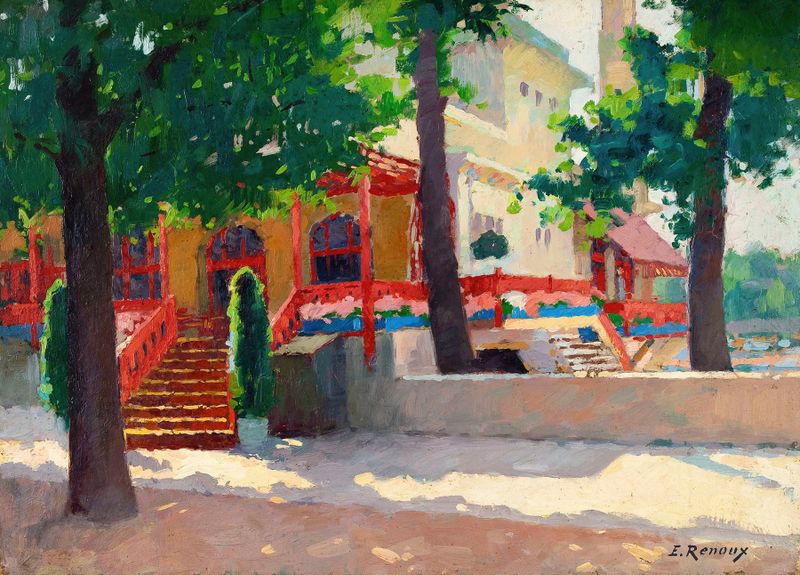
Un pavillon de l’Exposition des Arts décoratifs
Ernest Jules Renoux
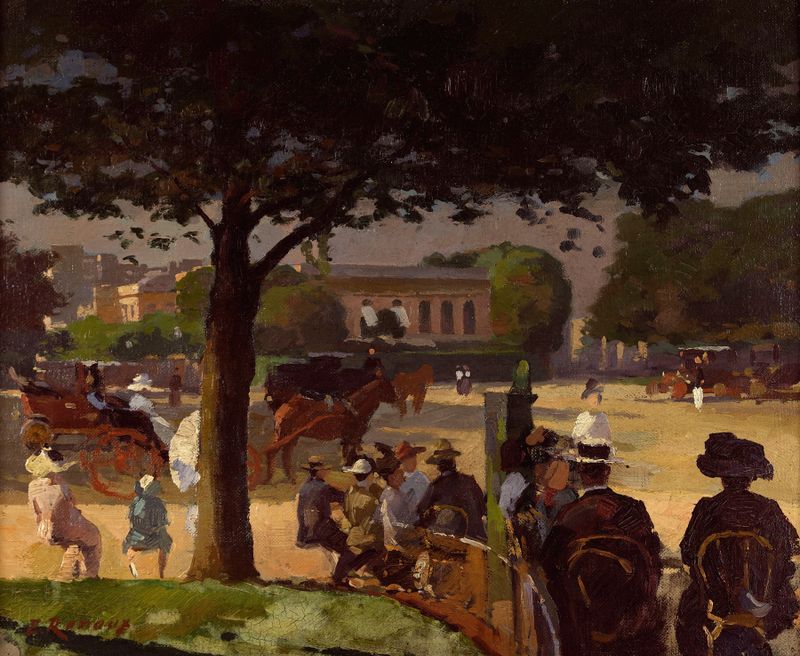
Le Palais Rose
Ernest Jules Renoux
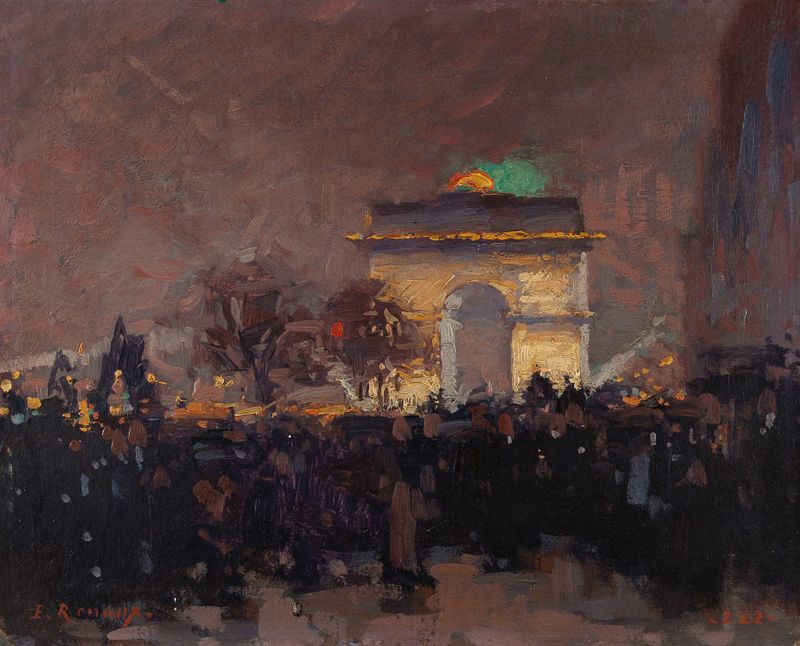
11 novembre 1920. Installation des cendres du soldat inconnu sous l’Arc de Triomphe de l’Etoile
Ernest Jules Renoux
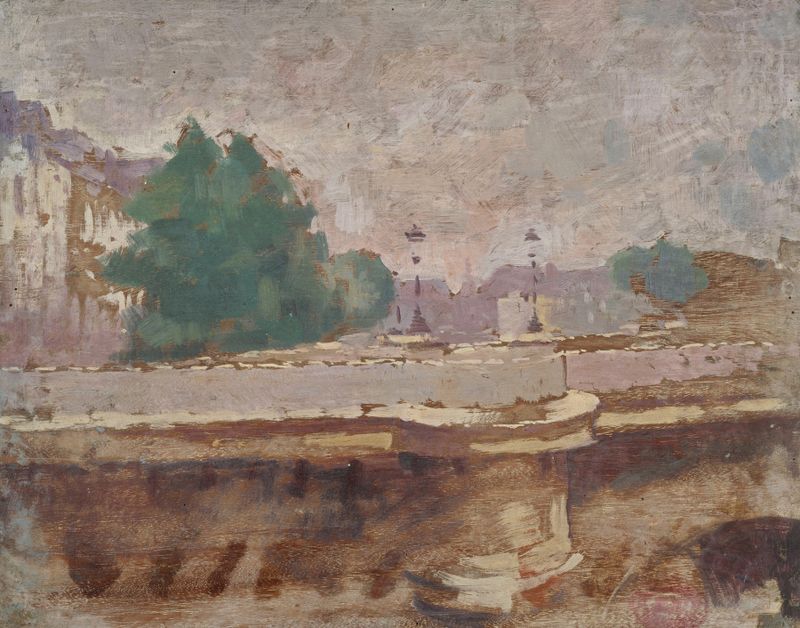
Paris, le pont Neuf
Ernest Jules Renoux
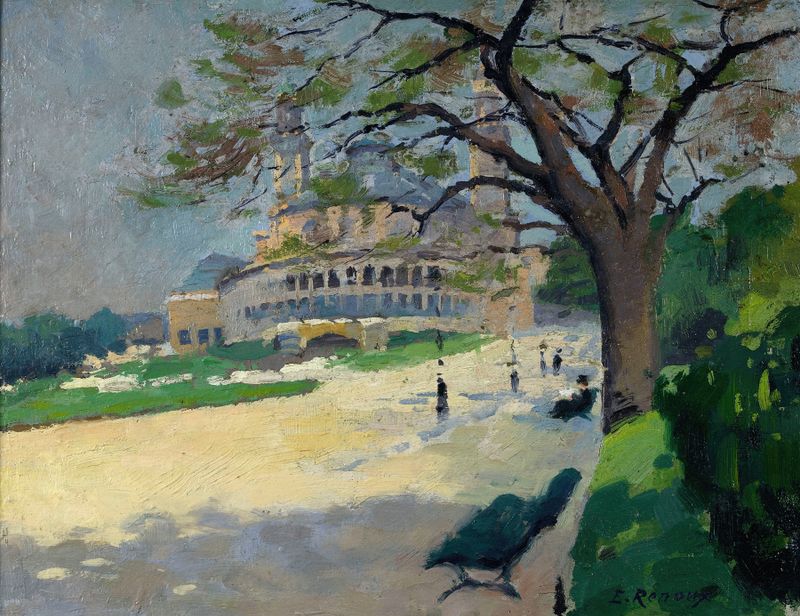
Le Palais du Trocadéro vu des jardins
Ernest Jules Renoux
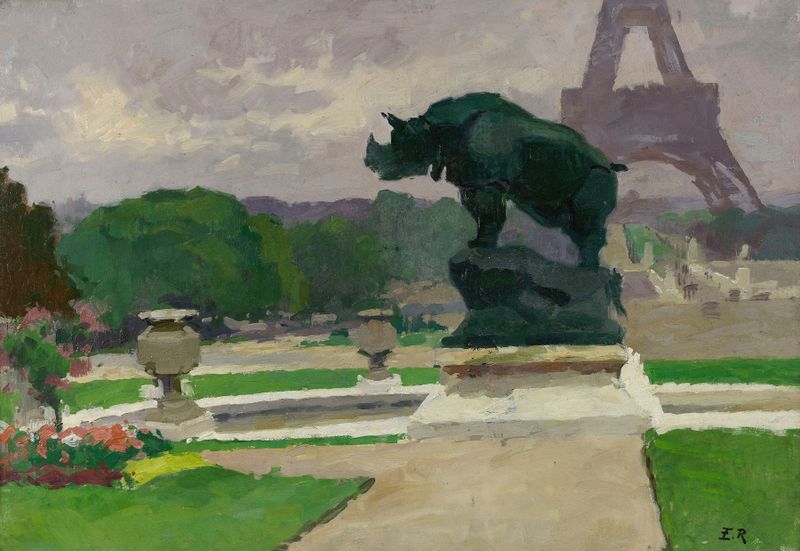
Jardin du Trocadéro avec le Rhinocéros de Jacquemart
Ernest Jules Renoux
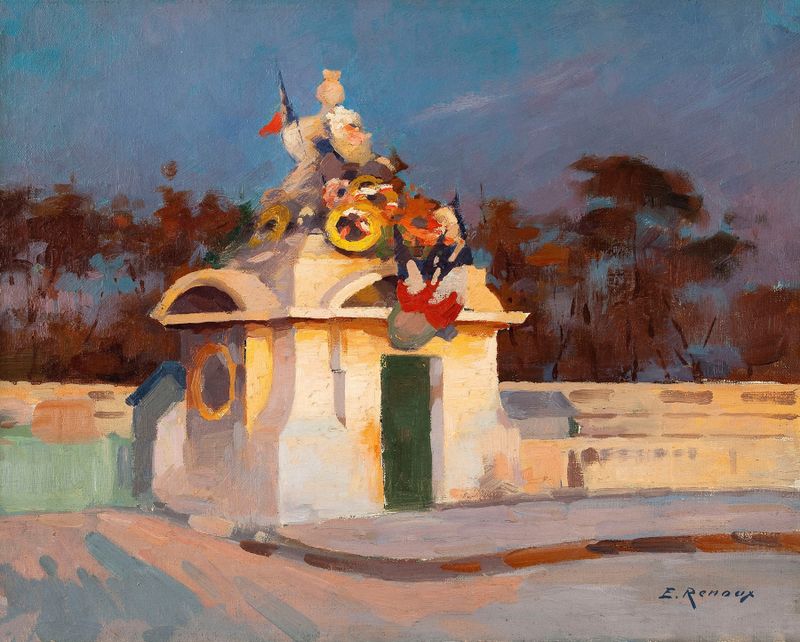
Place de la Concorde, statue de la ville de Strasbourg
Ernest Jules Renoux