
Un pavillon de l’Exposition des Arts décoratifs — History & Facts
Did the painter know this moment would outlive them? Within the halls of artistic expression, captured amidst the grandeur of the 1925 Exposition des Arts décoratifs, lies a testament to the pursuit of truth in design and form. Look to the left at the vibrant interplay of colors, where bold reds and deep blues converge to create a rhythm that pulsates with life. Notice how the soft lighting caresses the edges of the architectural details, emphasizing the delicate balance between ornamentation and functionality. The composition draws the eye upward, invoking a sense of aspiration, while the meticulous brushwork reveals both energy and discipline in the execution. Yet, beneath this surface beauty lies a deeper narrative, one of cultural celebration and artistic ambition.
The juxtaposition of modernity and tradition whispers of the tensions during the early 20th century, where the quest for aesthetic truth often collided with the weight of history. Each ornament tells a story, representing not just an era’s aesthetic ideals but also a yearning for connection amid the complexities of a rapidly changing world. Created in Paris during a period of artistic experimentation and innovation, this work reflects Ernest Jules Renoux's engagement with the Art Deco movement. At this time, the world was recovering from the Great War, and artists were eager to redefine beauty and craftsmanship.
Renoux's participation in the exposition served not only as a platform for his own vision but also as a crucial moment in the dialogue of design, signaling a new chapter in the history of art.
More Artworks by Ernest Jules Renoux
Browse all →
L’Entrée du Pont Alexandre III
Ernest Jules Renoux
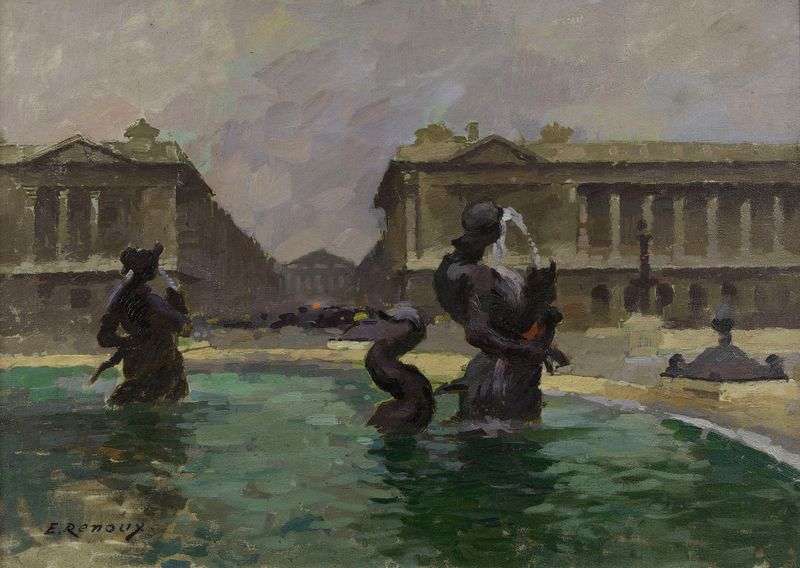
La Place de la Concorde et la rue Royale
Ernest Jules Renoux

Le Dôme des Invalides vu depuis l’avenue de Ségur
Ernest Jules Renoux
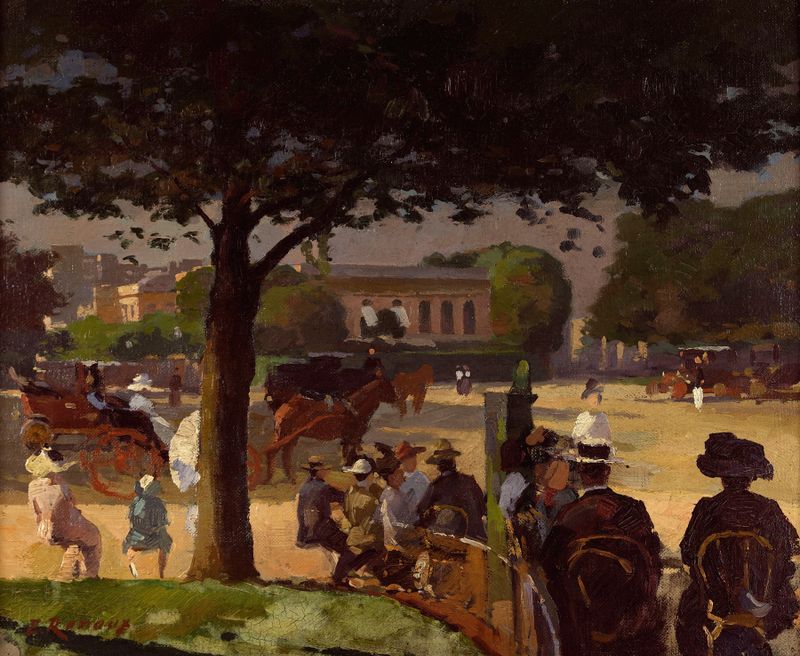
Le Palais Rose
Ernest Jules Renoux
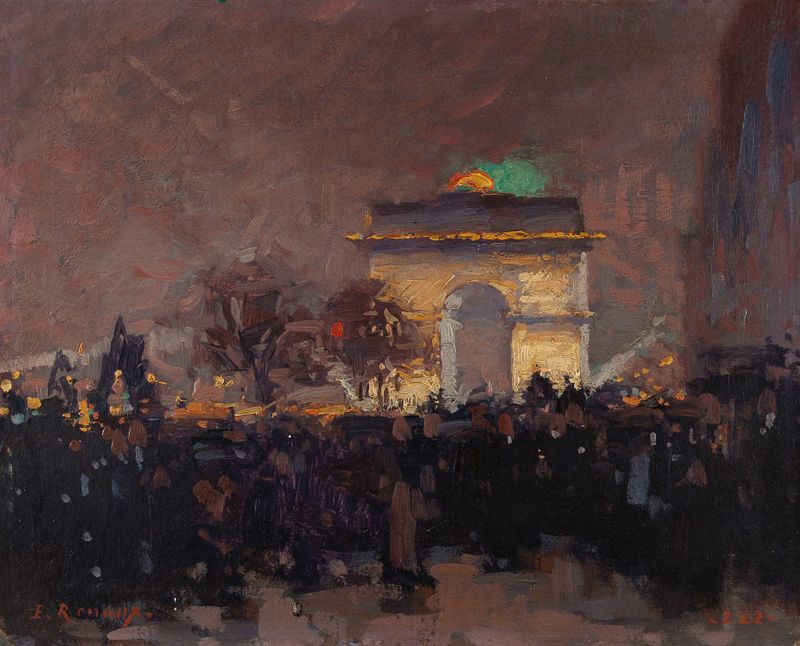
11 novembre 1920. Installation des cendres du soldat inconnu sous l’Arc de Triomphe de l’Etoile
Ernest Jules Renoux
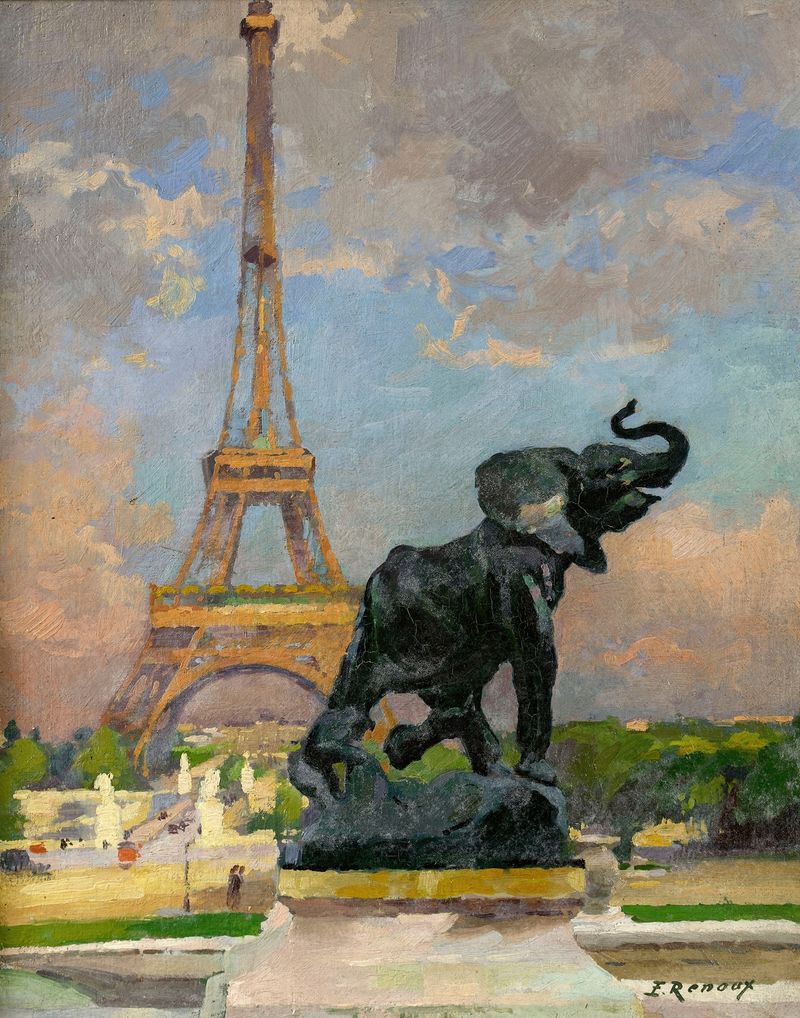
L’Eléphant pris au piège de Frémiet et la Tour Eiffel
Ernest Jules Renoux
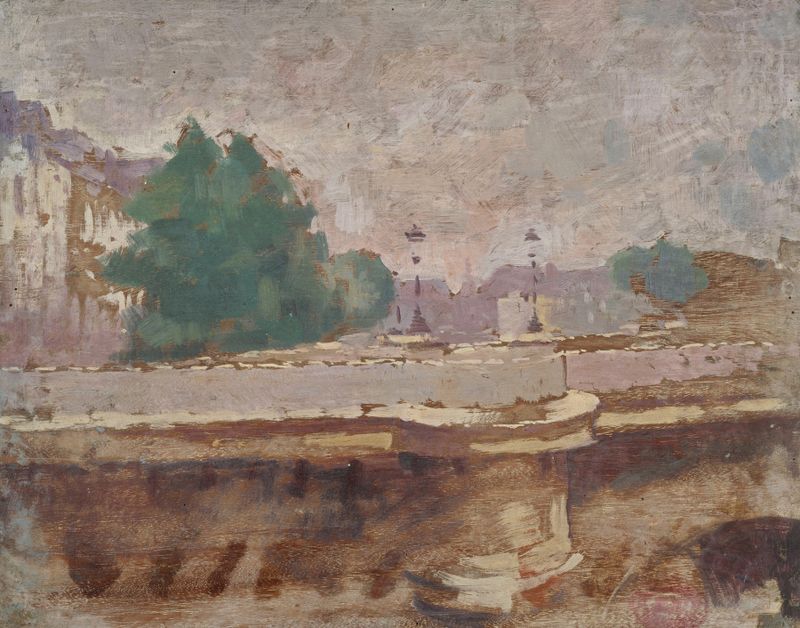
Paris, le pont Neuf
Ernest Jules Renoux
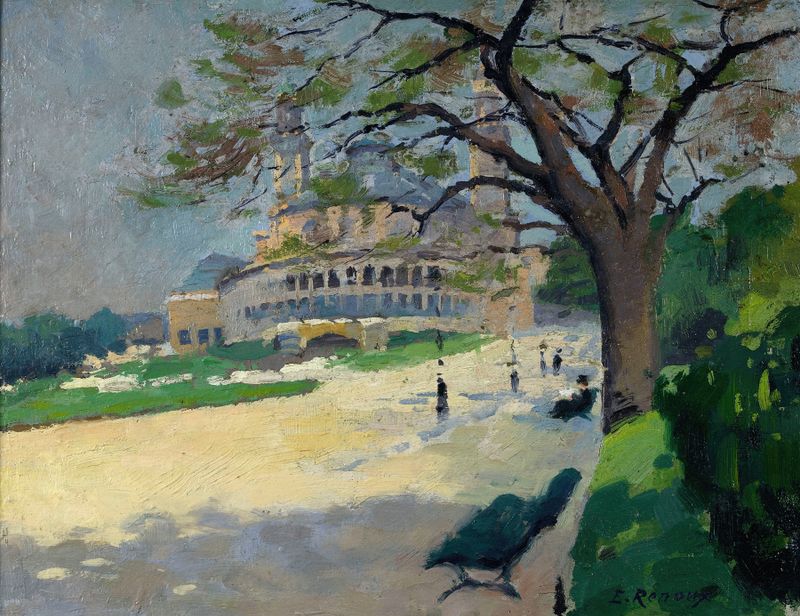
Le Palais du Trocadéro vu des jardins
Ernest Jules Renoux
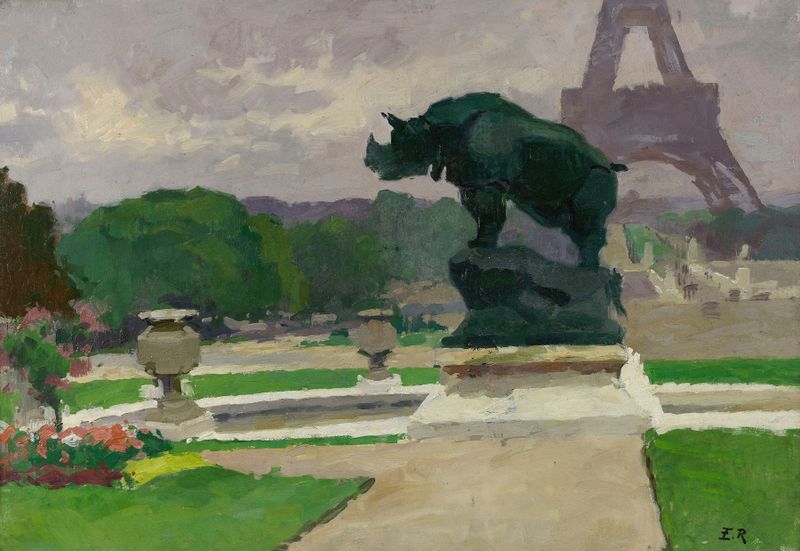
Jardin du Trocadéro avec le Rhinocéros de Jacquemart
Ernest Jules Renoux
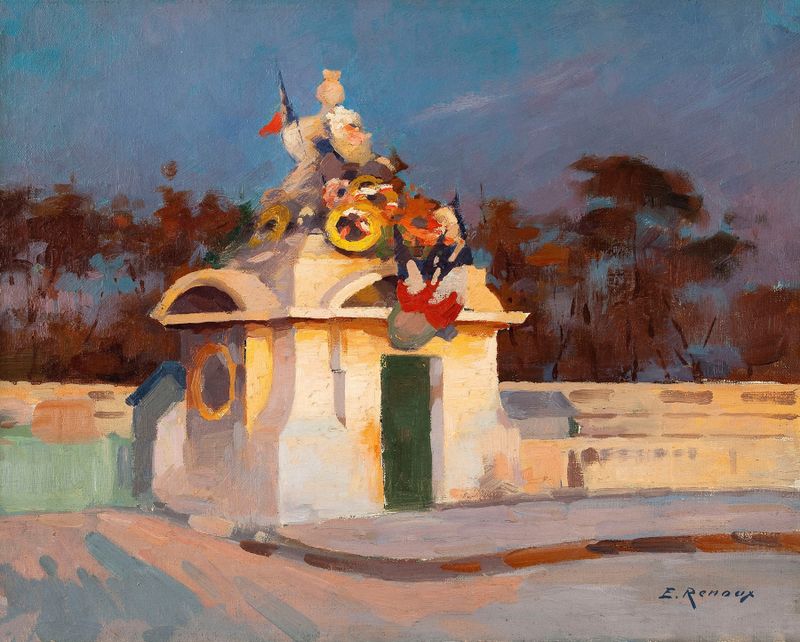
Place de la Concorde, statue de la ville de Strasbourg
Ernest Jules Renoux
More Architecture Art
Browse all →
The statue of Liberty
Frédéric Auguste Bartholdi

View of Houses in Delft, Known as ‘The Little Street’
Johannes Vermeer

View of Houses in Delft, Known as ‘The Little Street’
Johannes Vermeer

The Cathedral in Rouen. The portal, Grey Weather
Claude Monet

The yellow house
Vincent van Gogh

The Church in Auvers-sur-Oise, View from the Chevet
Vincent van Gogh