
Place de la Concorde, statue de la ville de Strasbourg — History & Facts
What if silence could speak through light? In Ernest Jules Renoux’s Place de la Concorde, statue de la ville de Strasbourg, the stillness of the urban landscape echoes the solitude of its subjects, inviting contemplation of the unseen emotions that linger in the air. Look to the center, where the majestic statue stands tall, commanding attention amidst the grandeur of the Place de la Concorde. Notice how the soft, muted colors blend seamlessly into the background, creating a contrast that highlights the figure’s stoicism. The delicate interplay of light and shadow emphasizes the intricate details of the statue, while the empty space surrounding it evokes a poignant sense of loneliness, as though the statue itself is yearning for connection in an otherwise bustling world. Beneath the surface, a deeper melancholy rests within this portrayal.
The statue, symbolizing a lost past, contrasts sharply with the vibrant energy of the surrounding architecture, suggesting a yearning for the days when people gathered in its presence. Additionally, the absence of human figures reinforces a feeling of isolation, capturing a moment when the city’s pulse seems to falter, offering a glimpse of longing and unfulfilled hopes. Renoux created this piece in 1918, during a period marked by the aftermath of World War I, a time when Europe was reeling from the effects of conflict. As France sought to rebuild and redefine itself, the artist channeled his feelings of loss and nostalgia into this work.
Capturing the Place de la Concorde in such a state of quietude, he reflected the somber mood of a nation in recovery, encapsulating both the beauty and the fragility of life during a turbulent era.
More Artworks by Ernest Jules Renoux
Browse all →
L’Entrée du Pont Alexandre III
Ernest Jules Renoux
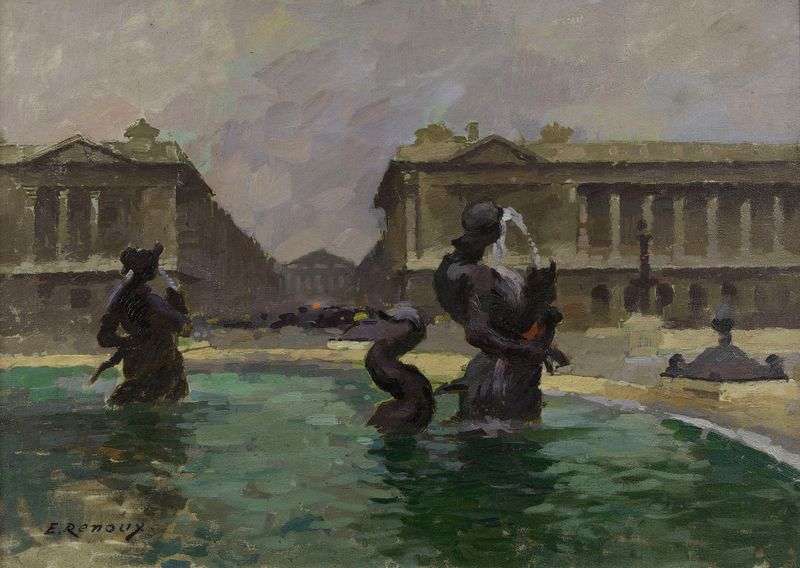
La Place de la Concorde et la rue Royale
Ernest Jules Renoux

Le Dôme des Invalides vu depuis l’avenue de Ségur
Ernest Jules Renoux
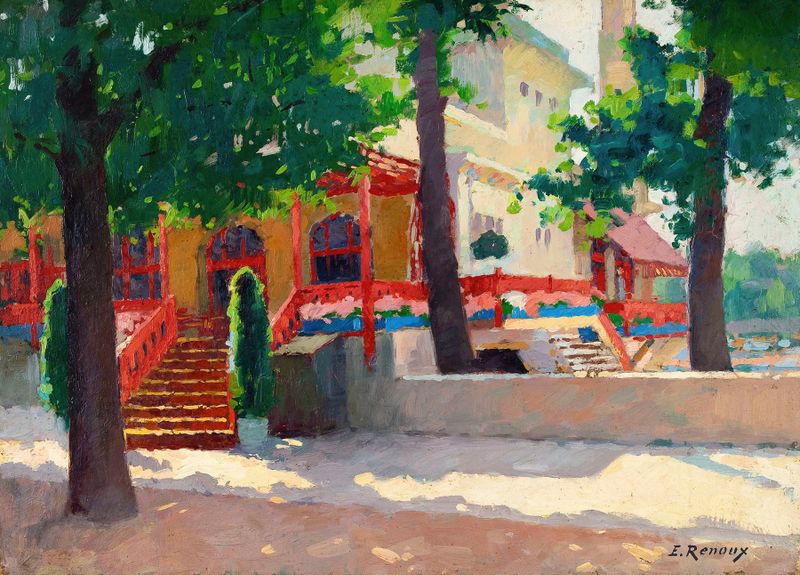
Un pavillon de l’Exposition des Arts décoratifs
Ernest Jules Renoux
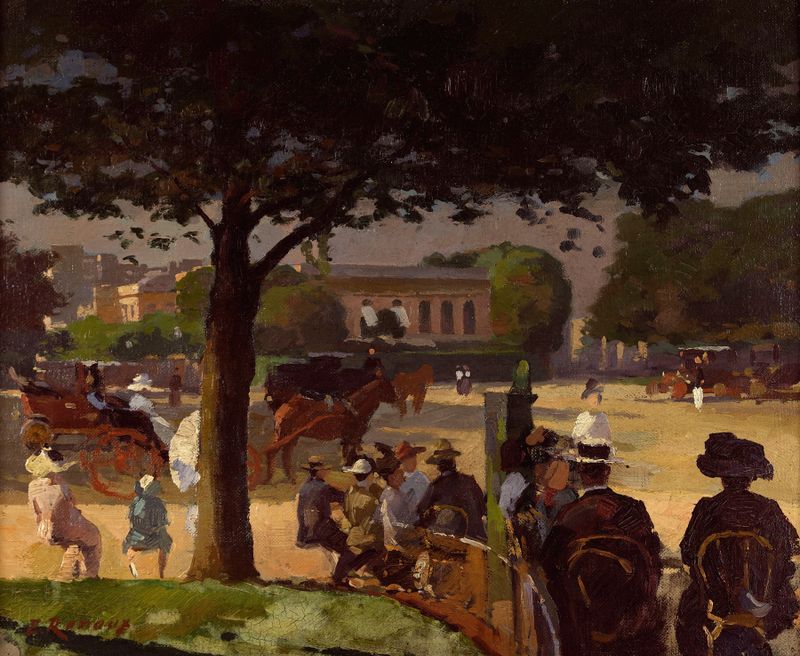
Le Palais Rose
Ernest Jules Renoux
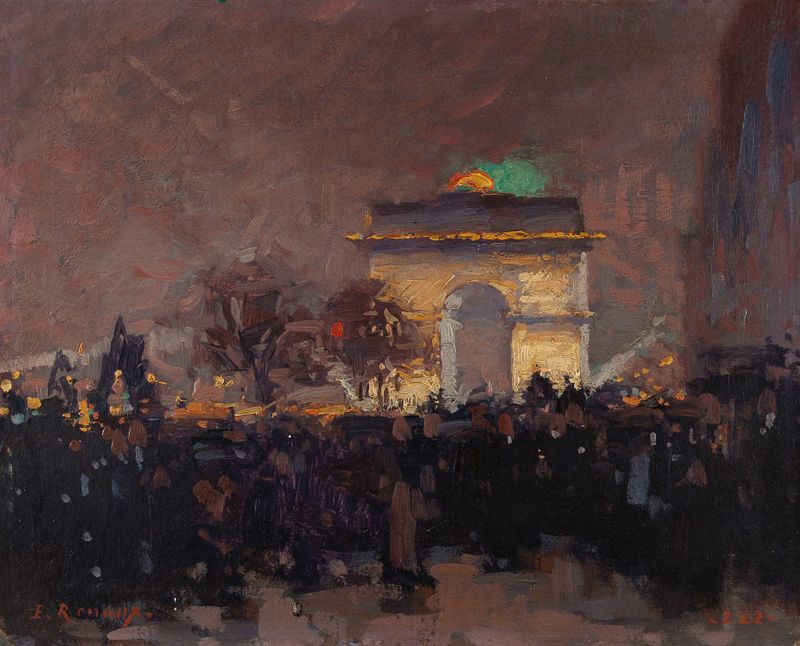
11 novembre 1920. Installation des cendres du soldat inconnu sous l’Arc de Triomphe de l’Etoile
Ernest Jules Renoux
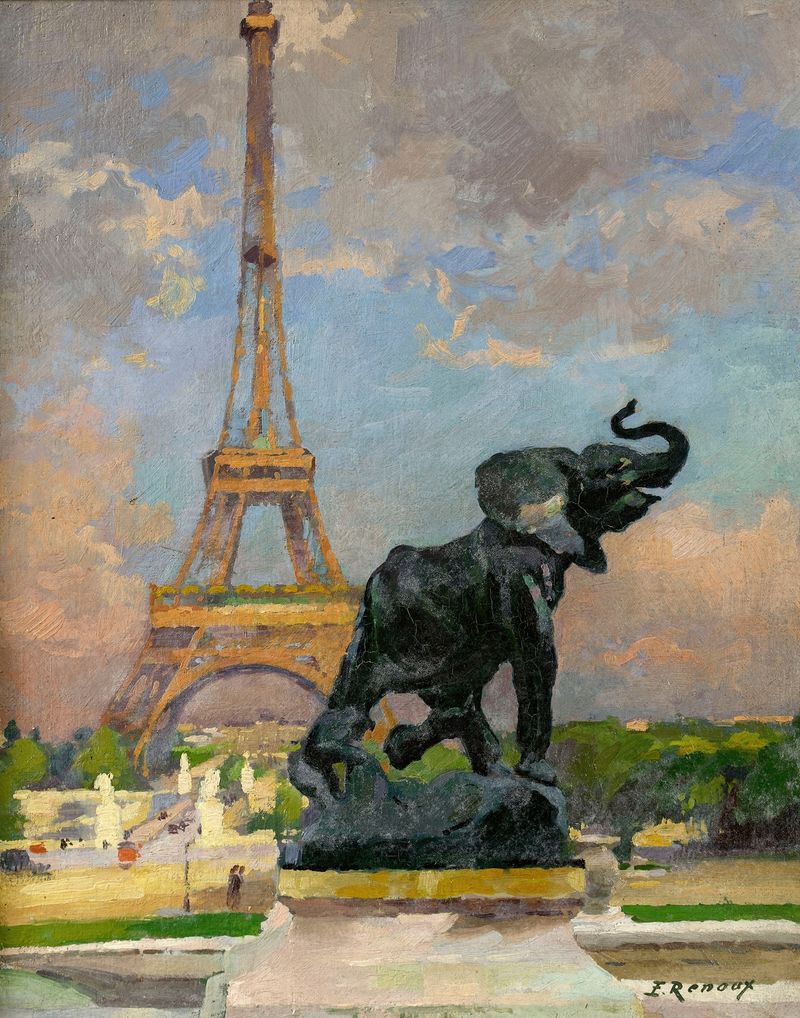
L’Eléphant pris au piège de Frémiet et la Tour Eiffel
Ernest Jules Renoux
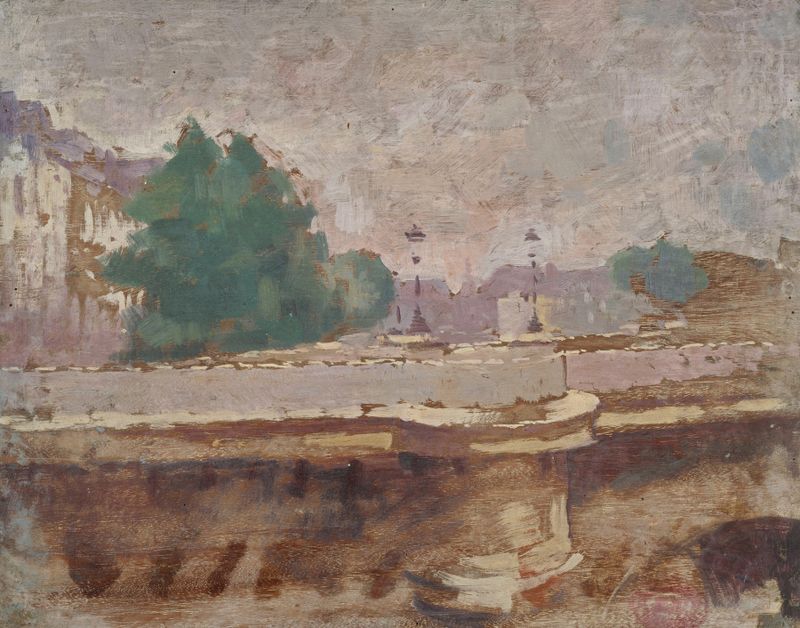
Paris, le pont Neuf
Ernest Jules Renoux
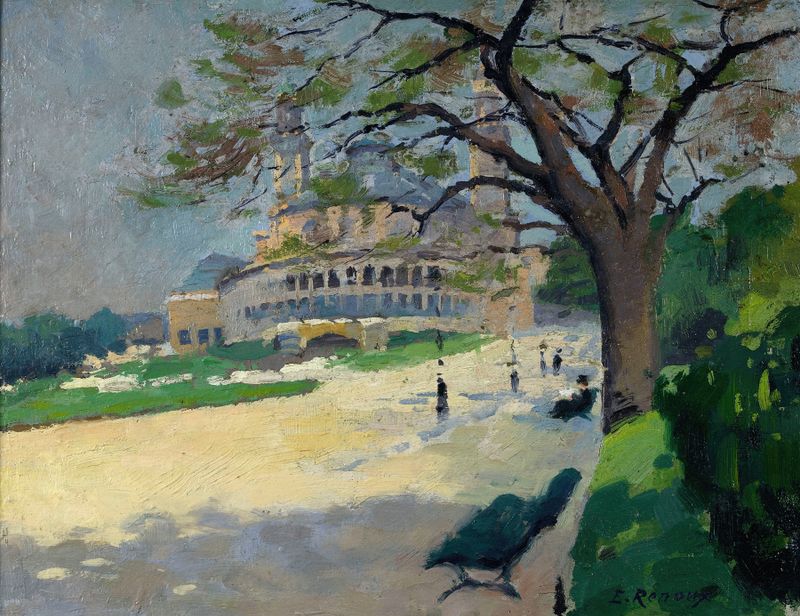
Le Palais du Trocadéro vu des jardins
Ernest Jules Renoux
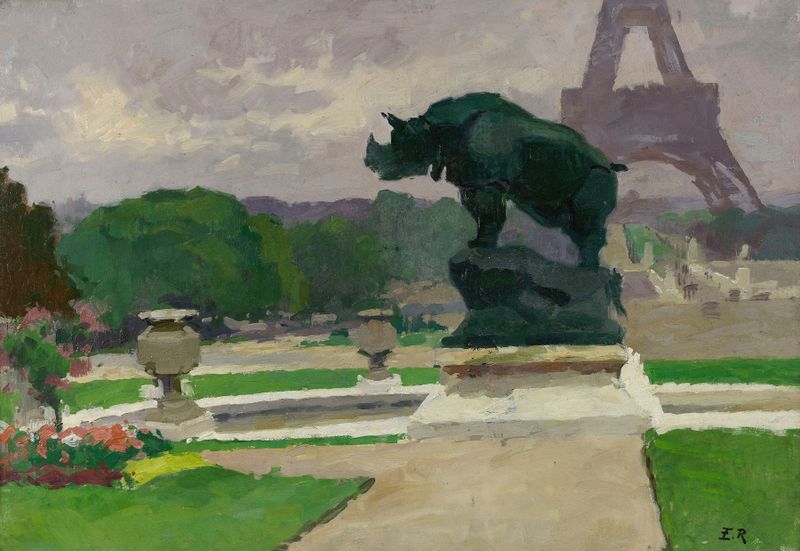
Jardin du Trocadéro avec le Rhinocéros de Jacquemart
Ernest Jules Renoux





