
Le parvis du Sacré Cœur — History & Facts
Can paint confess what words never could? In Le parvis du Sacré Cœur, the quiet resignation of urban decay transforms into a poignant narrative, capturing a moment where the sacred meets the profane, the past mingles with the present. Focus on the upper left, where the majestic dome of Sacré-Cœur rises against a turbulent sky, a looming fortress of faith set against the creeping shadows of time. Notice how the weathered stone blends seamlessly with the ashen hues of the background, hinting at the passage of years. The artist's brushwork creates a textured quality that invites the viewer to feel each chip and crack, like echoes of whispered stories long forgotten.
The fading light spills across the cobblestones, creating a sense of quiet melancholy, urging us to reflect on what is lost. Hidden within the grandeur lies an emotional tension, a contrast between the vibrancy of the church and the decay surrounding it. The trees, bare and twisted, stand as sentinels of time, watching over the dilapidated pathways. Each blade of grass that pushes through the cracks symbolizes resilience, a reminder that life persists amid neglect.
This intimate dialogue between decay and endurance evokes a deep sense of nostalgia, forcing us to confront the impermanence of beauty and faith. In 1925, Ferdinand Boberg painted this scene during a time when Paris was recovering from the scars of World War I. The city, while bustling with artistic innovation, was also grappling with the remnants of its past. Boberg, influenced by the evolving narrative of urban life, sought to capture not just the architecture but the spirit of a society in transition, embracing the beauty found in decay as the cycle of life continued.
More Artworks by Ferdinand Boberg
Browse all →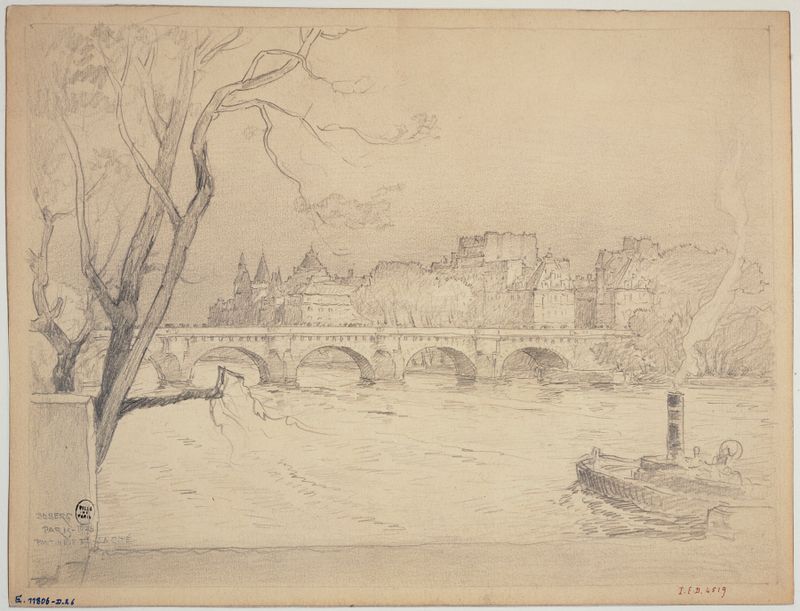
Le Pont-Neuf et la Cité
Ferdinand Boberg
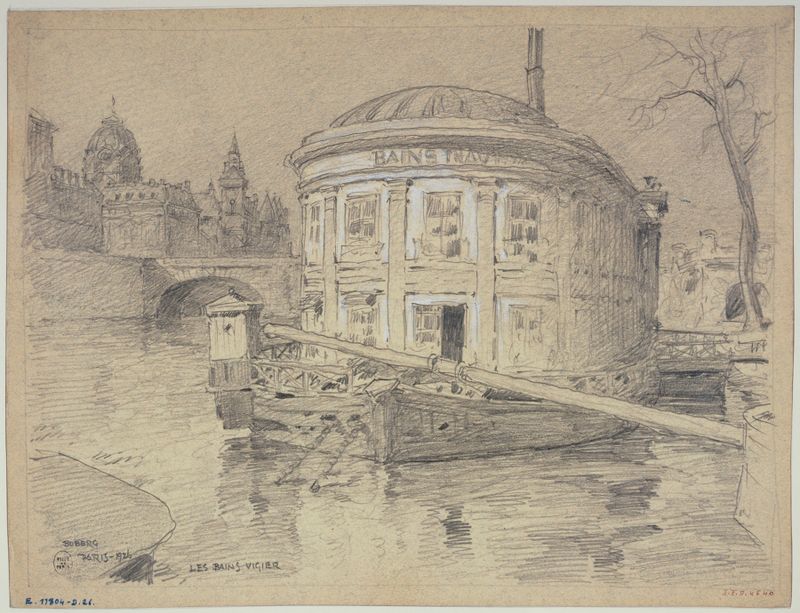
Les bains Vigier au Pont-Neuf
Ferdinand Boberg
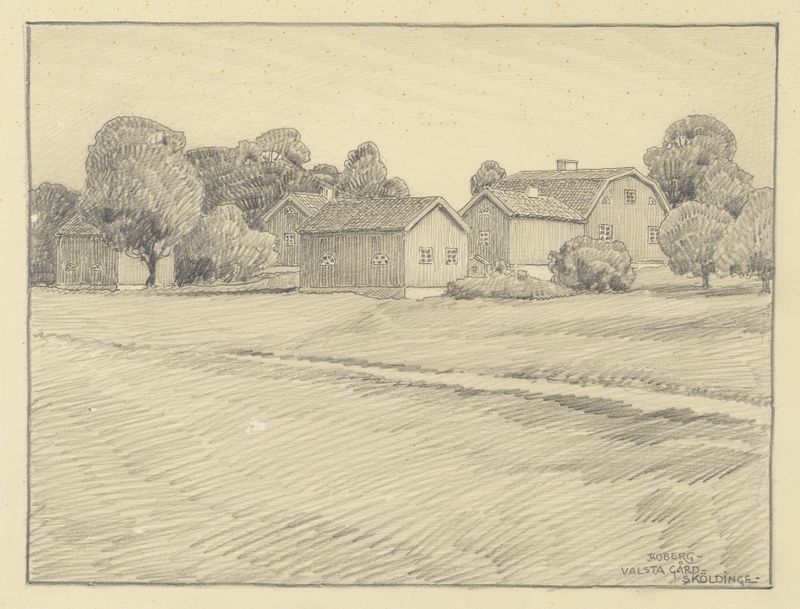
Valsta Gård
Ferdinand Boberg
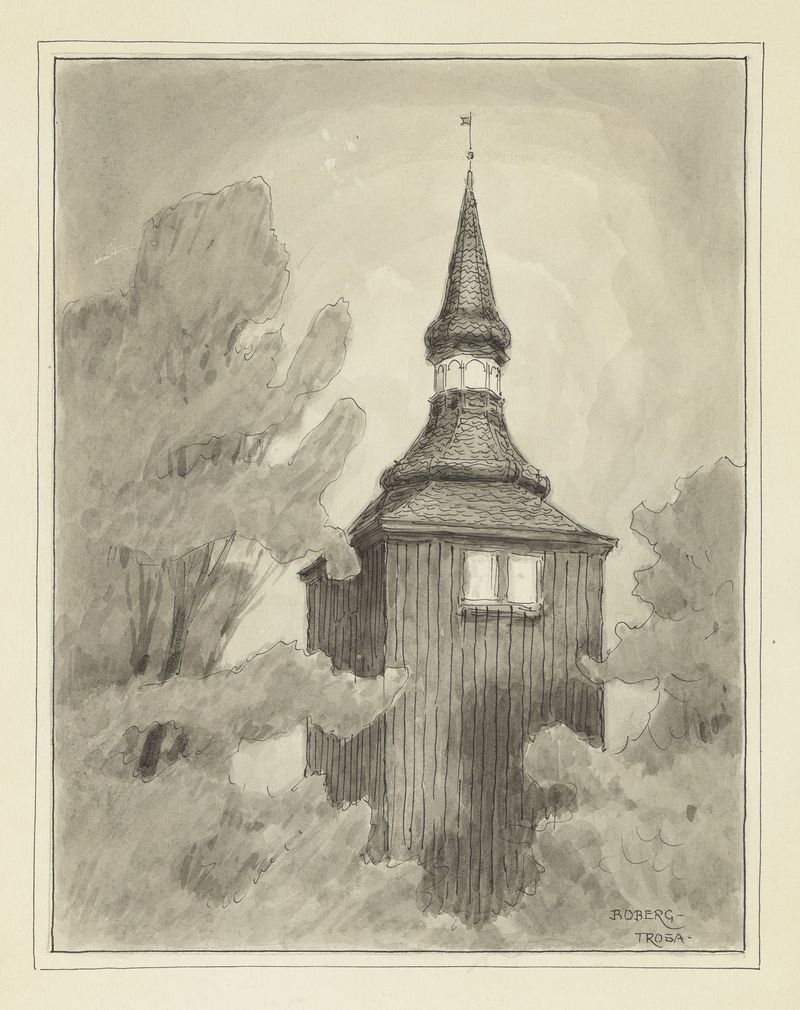
Trosa
Ferdinand Boberg
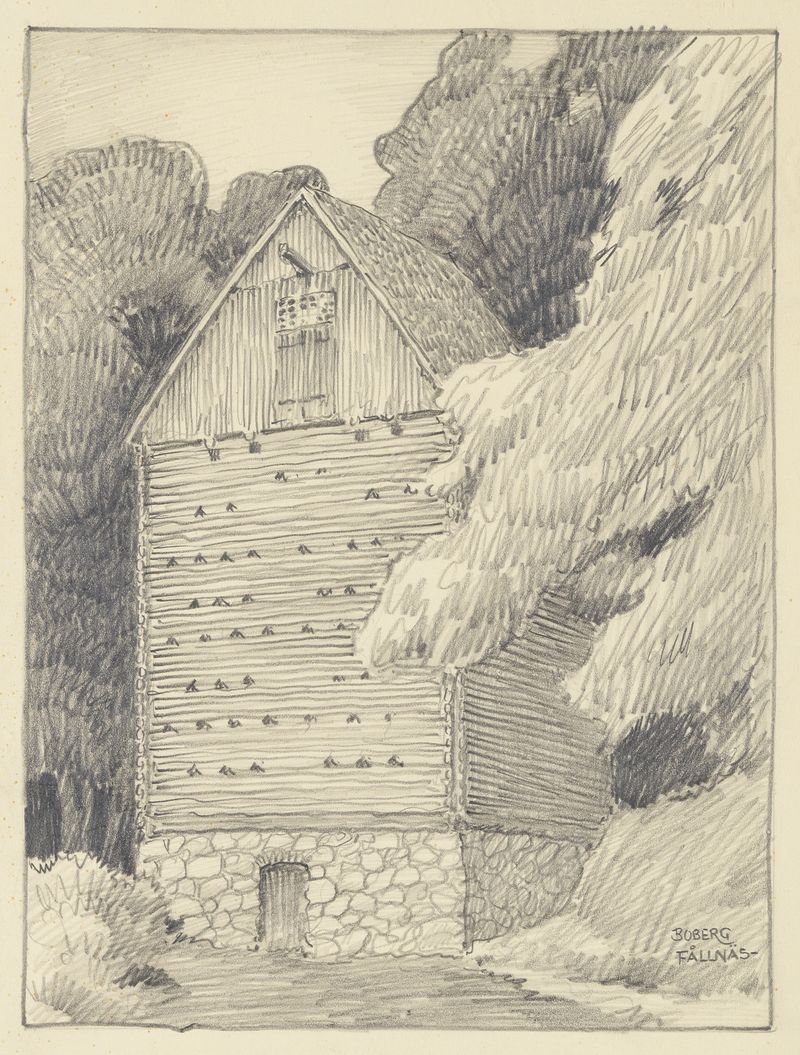
Fållnäs
Ferdinand Boberg
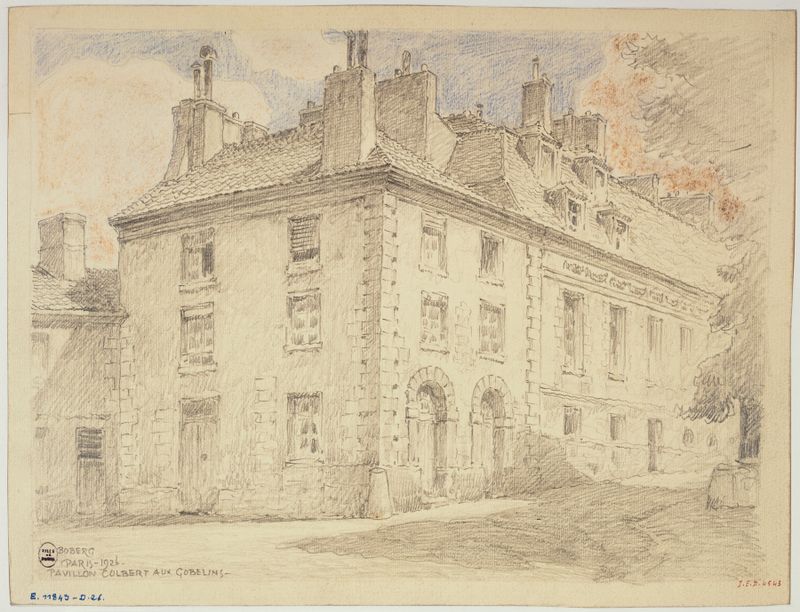
Le pavillon Colbert aux Gobelins
Ferdinand Boberg
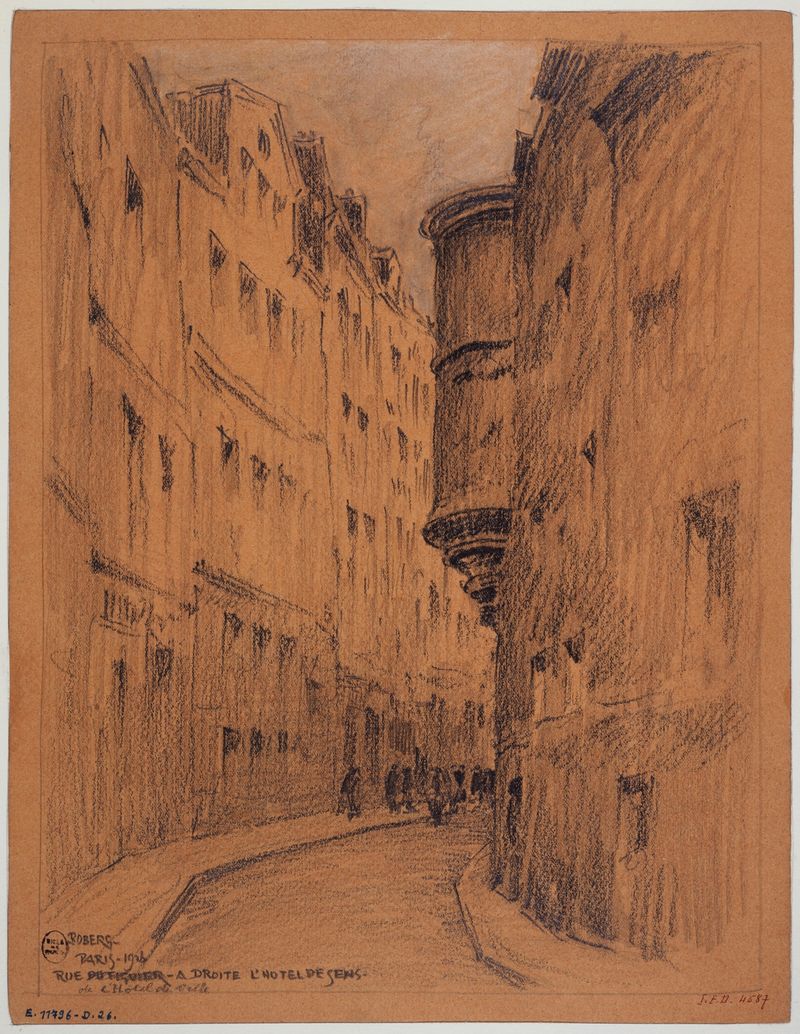
Rue de l’Hôtel de Ville; l’hôtel de Sens
Ferdinand Boberg
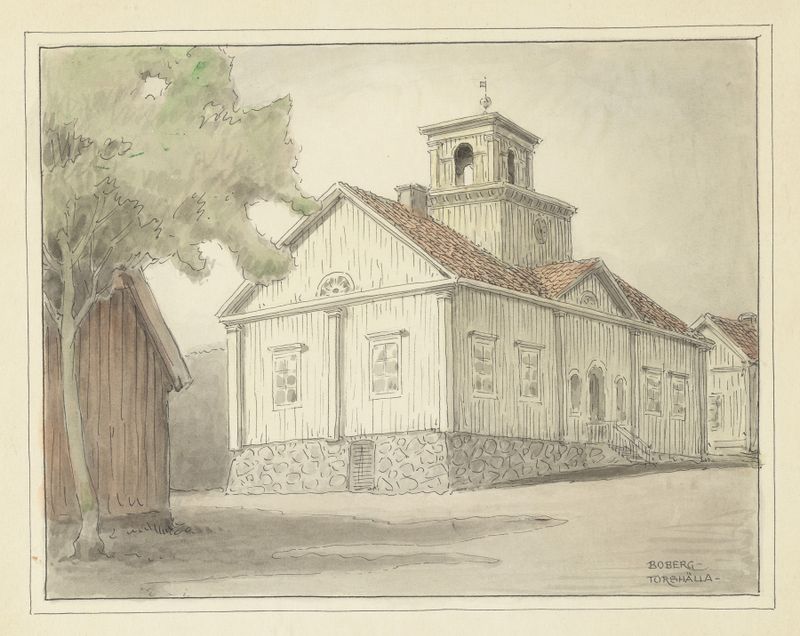
Torshälla
Ferdinand Boberg
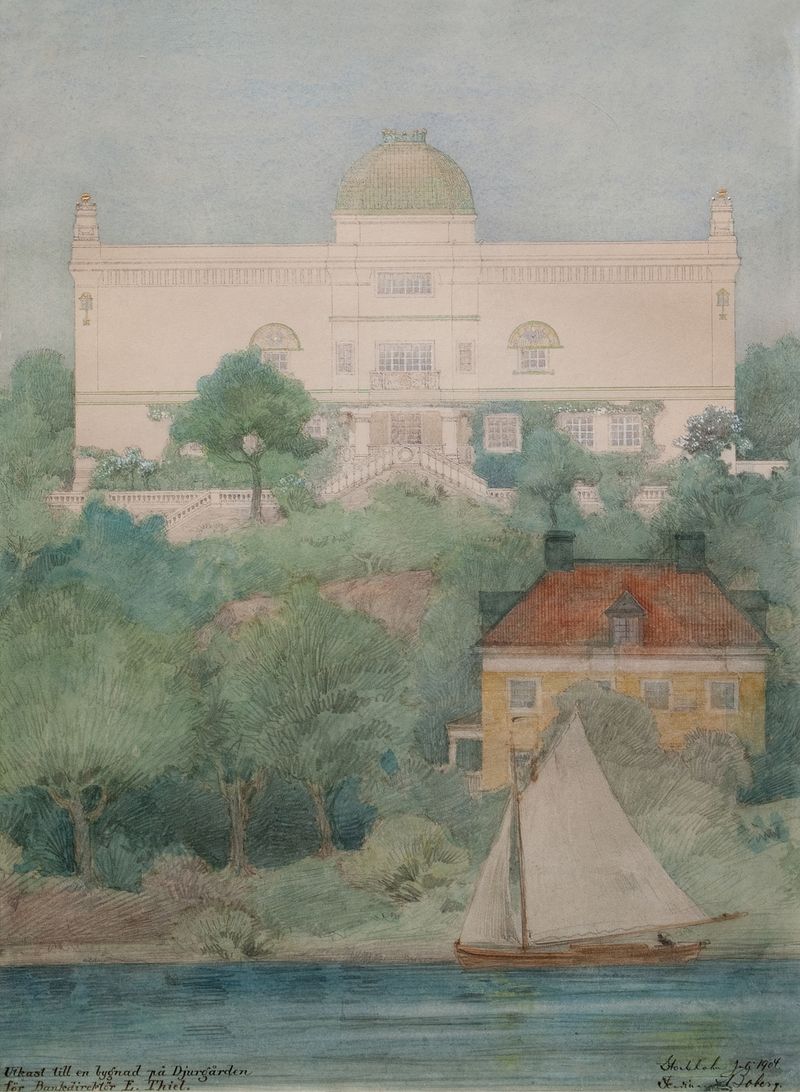
Sketch for a building for Thiel’s Gallery
Ferdinand Boberg
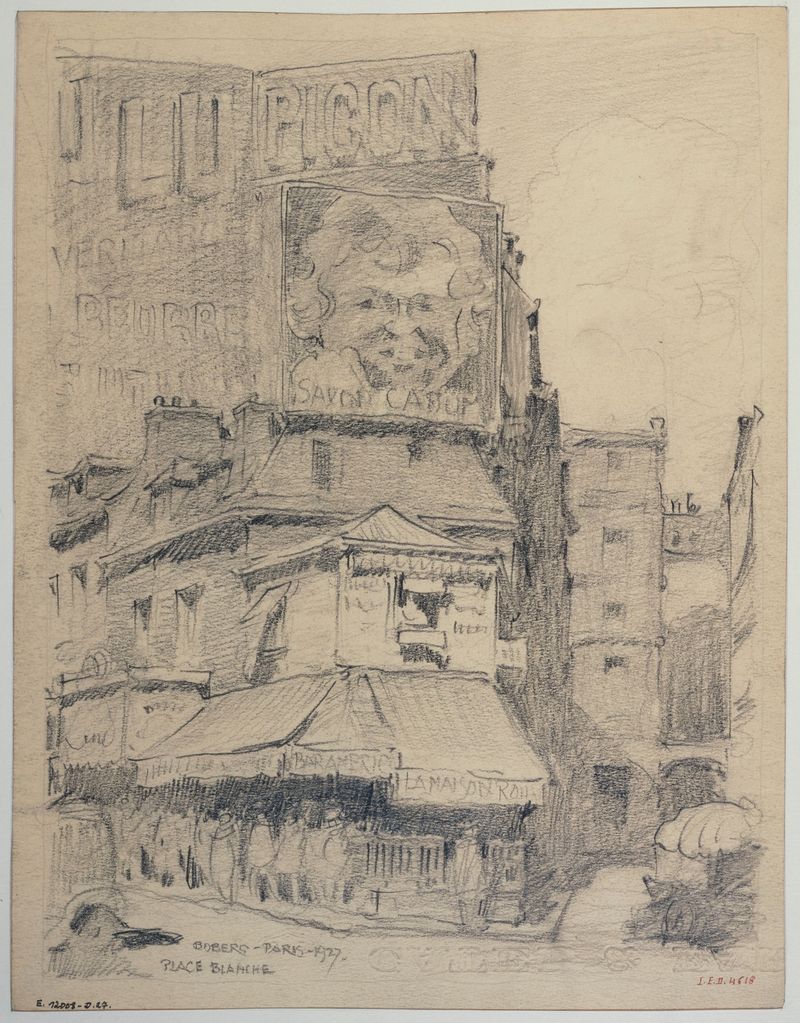
La place Blanche
Ferdinand Boberg
More Architecture Art
Browse all →
The statue of Liberty
Frédéric Auguste Bartholdi

View of Houses in Delft, Known as ‘The Little Street’
Johannes Vermeer

View of Houses in Delft, Known as ‘The Little Street’
Johannes Vermeer

The Cathedral in Rouen. The portal, Grey Weather
Claude Monet

The yellow house
Vincent van Gogh

The Church in Auvers-sur-Oise, View from the Chevet
Vincent van Gogh