
Le passage Cottin — History & Facts
Could beauty survive in a century of chaos? Le passage Cottin, created by Ferdinand Boberg in 1926, poses this poignant question as it captures an enchanting moment suspended in time. Look to the left where the elegant archway beckons you into a shadowy embrace. The interplay of light and dark here is masterful; soft, dappled sunlight filters through the foliage, illuminating fragments of weathered brick and lush greenery. The artist's deft brushwork creates a textured surface that invites the viewer to run their fingers over the canvas, while a muted palette of earthy tones evokes a sense of nostalgia blended with tranquility. Within this intimate passage, a contrast unfolds—between the harmony of nature and the whispers of human existence.
Notice the way nature seems to reclaim the space, vines cascading against the sturdy architecture, suggesting resilience amidst decay. The subtle tension between the organic and the manmade resonates deeply, a reflection on the fleeting nature of beauty, especially in an era marred by turmoil. Ferdinand Boberg painted Le passage Cottin during a period of significant social change in Europe. Living in Paris, he was influenced by the post-World War I climate, where artists sought solace in the serenity of their surroundings.
This work captures not only the physical space of a charming passage but also the collective longing for peace and beauty, serving as a poignant reminder of creation amidst adversity.
More Artworks by Ferdinand Boberg
Browse all →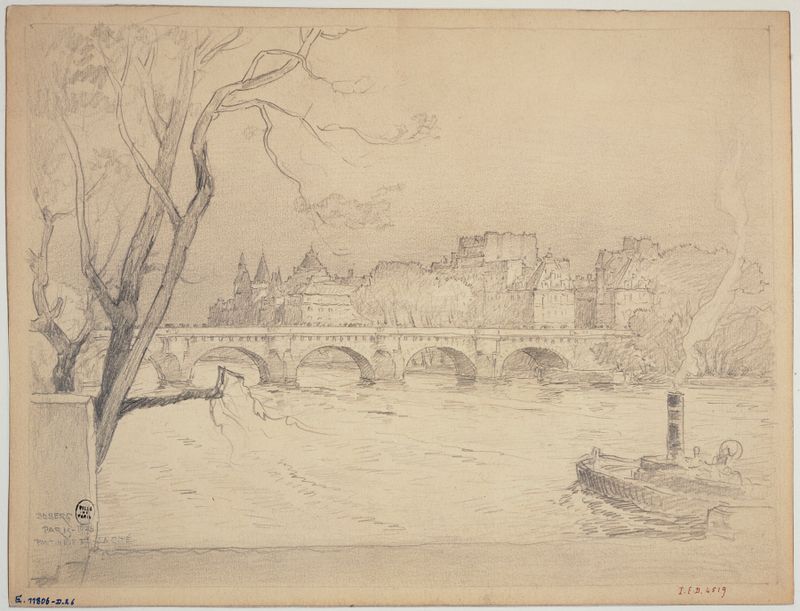
Le Pont-Neuf et la Cité
Ferdinand Boberg
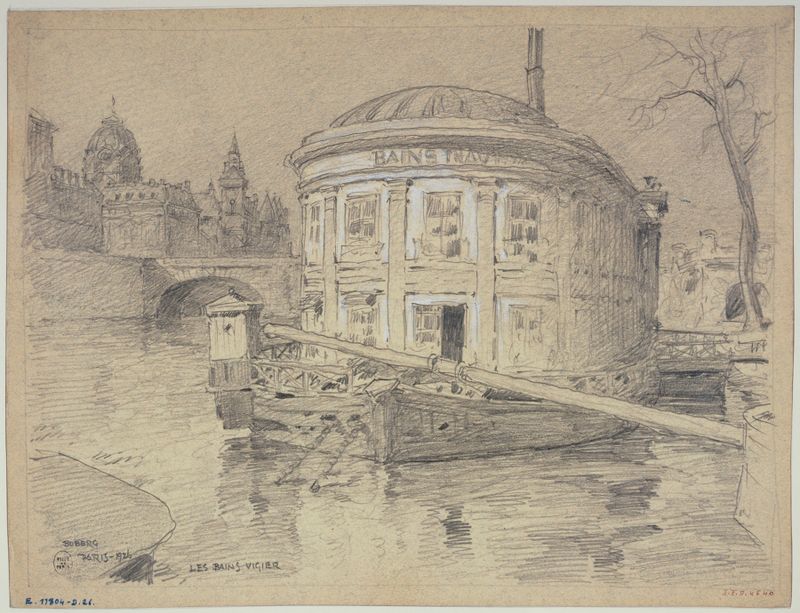
Les bains Vigier au Pont-Neuf
Ferdinand Boberg
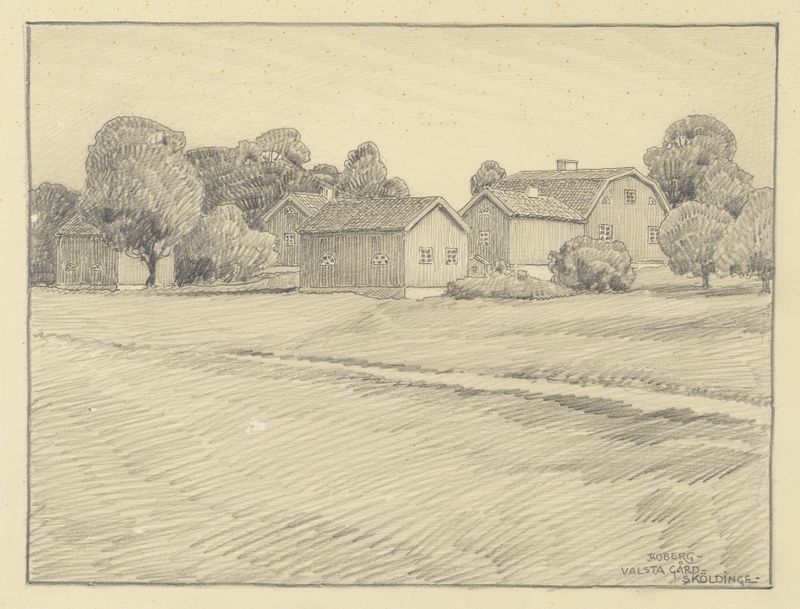
Valsta Gård
Ferdinand Boberg
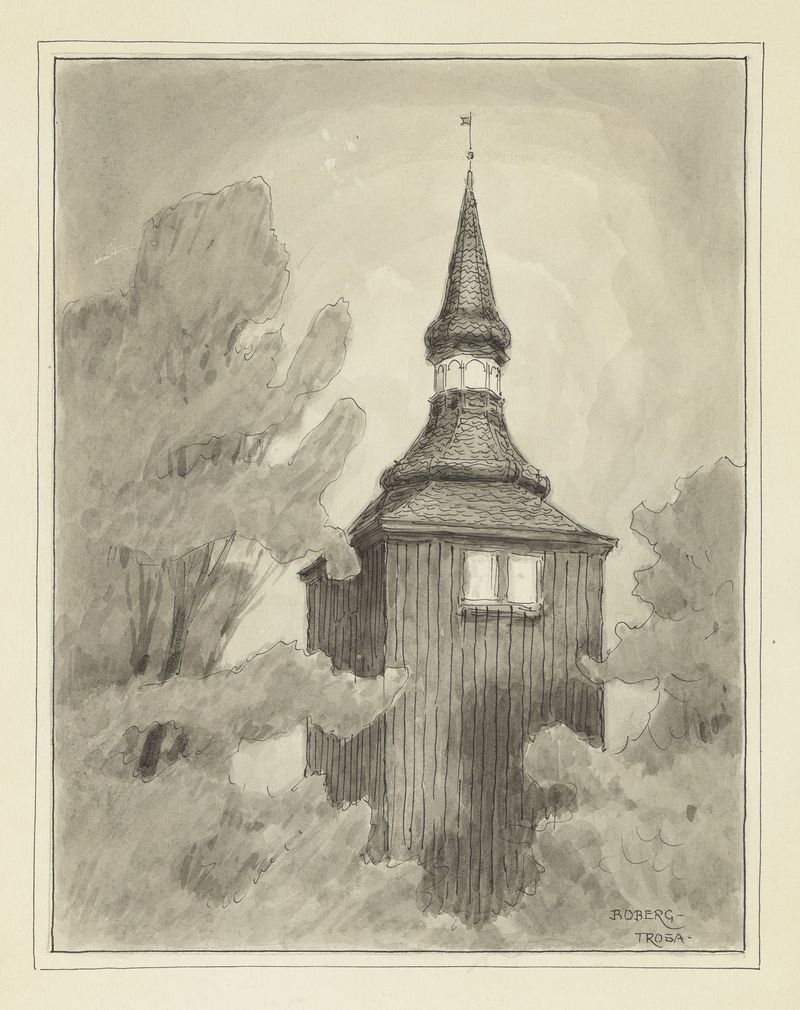
Trosa
Ferdinand Boberg
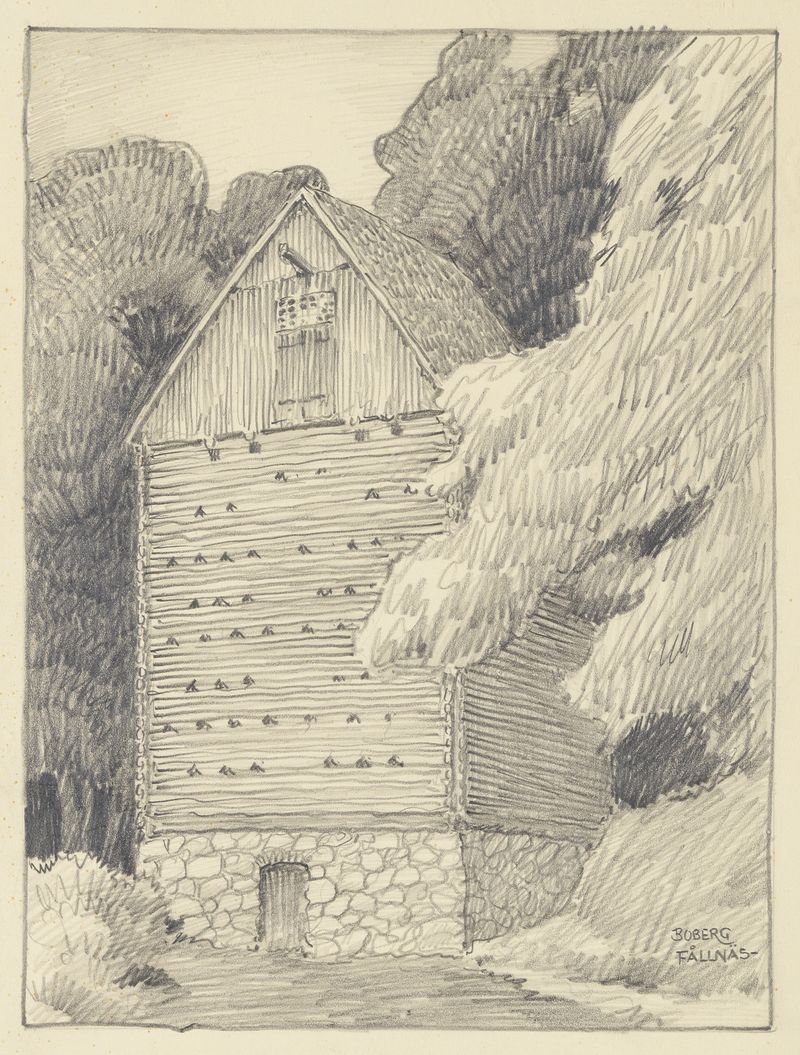
Fållnäs
Ferdinand Boberg
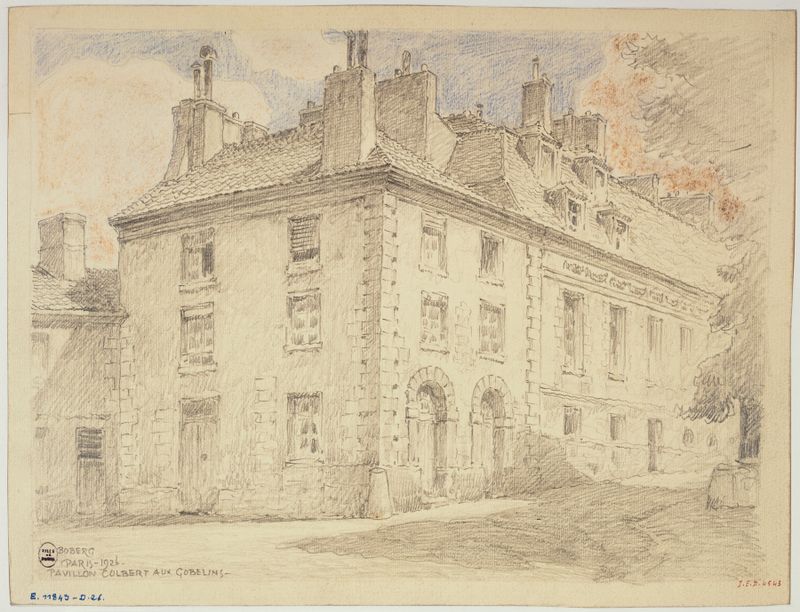
Le pavillon Colbert aux Gobelins
Ferdinand Boberg
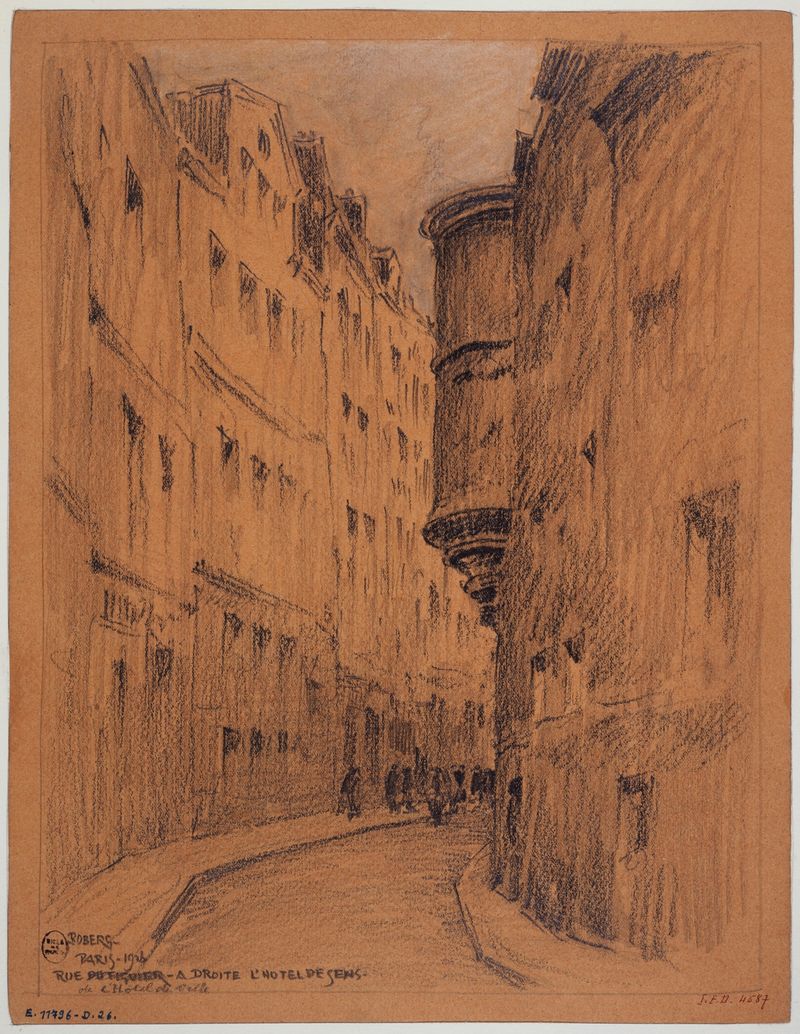
Rue de l’Hôtel de Ville; l’hôtel de Sens
Ferdinand Boberg
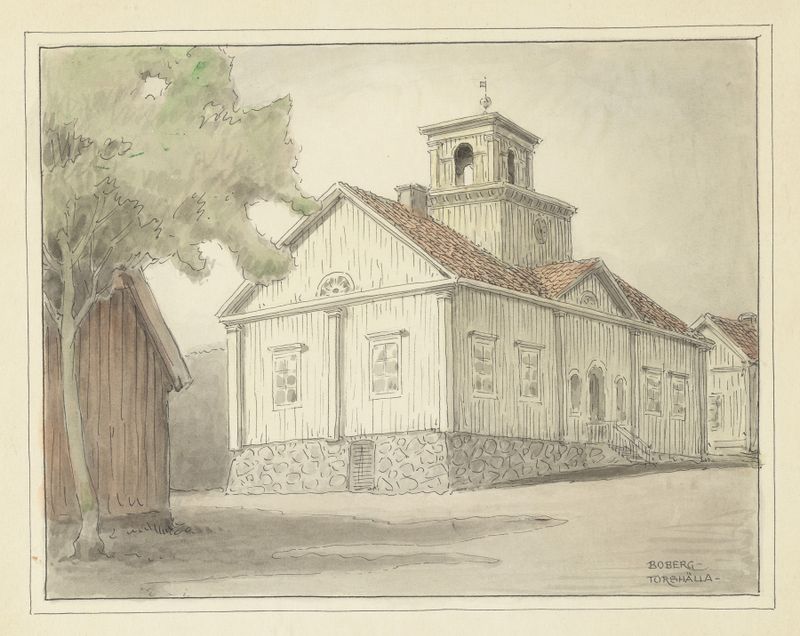
Torshälla
Ferdinand Boberg
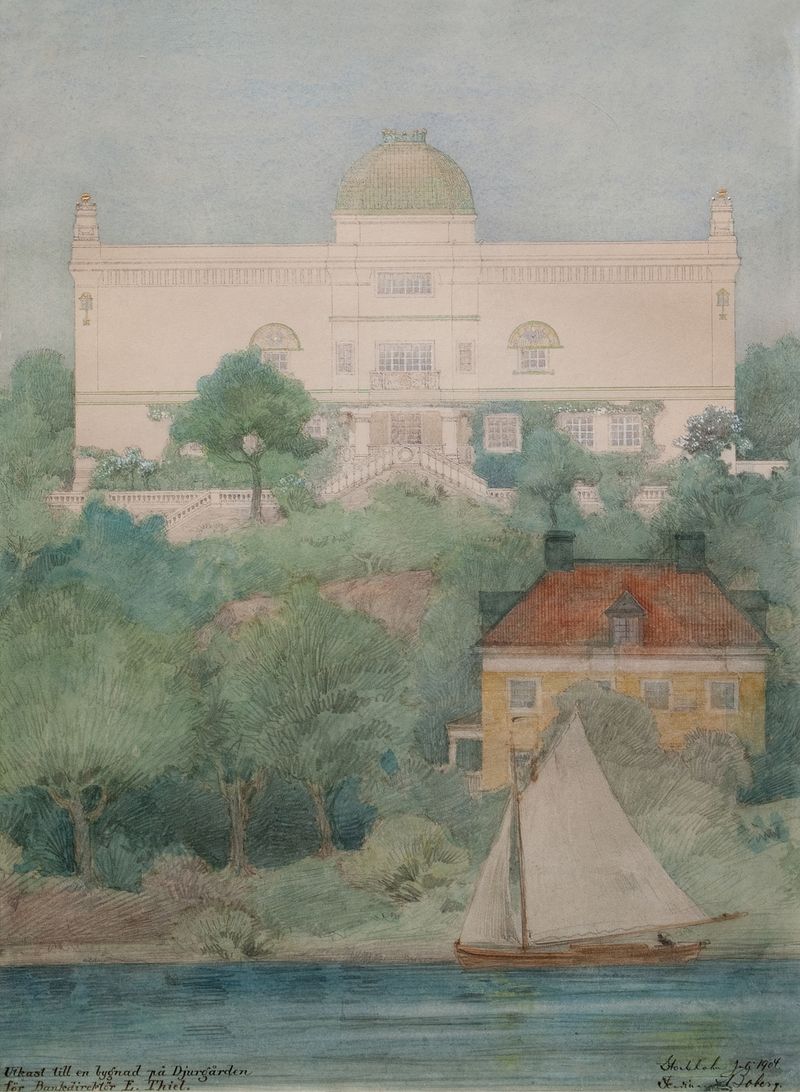
Sketch for a building for Thiel’s Gallery
Ferdinand Boberg
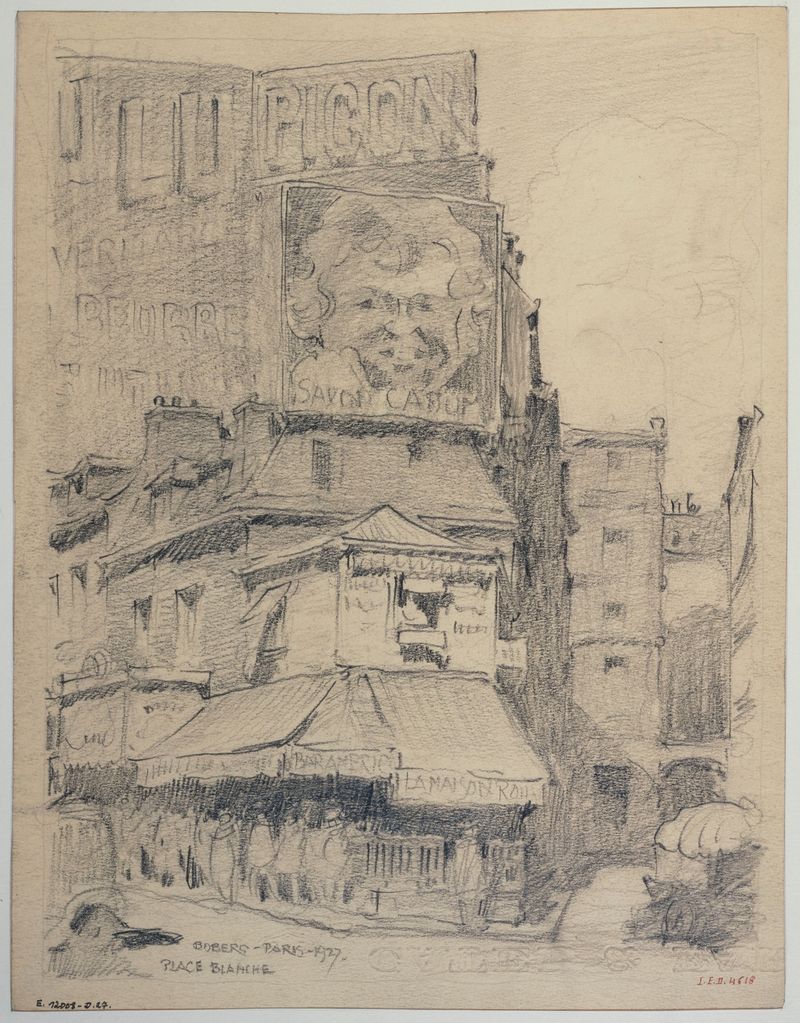
La place Blanche
Ferdinand Boberg
More Architecture Art
Browse all →
The statue of Liberty
Frédéric Auguste Bartholdi

View of Houses in Delft, Known as ‘The Little Street’
Johannes Vermeer

View of Houses in Delft, Known as ‘The Little Street’
Johannes Vermeer

The Cathedral in Rouen. The portal, Grey Weather
Claude Monet

The yellow house
Vincent van Gogh

The Church in Auvers-sur-Oise, View from the Chevet
Vincent van Gogh