
Le percement du boulevard Haussmann — History & Facts
Is this a mirror — or a memory? In Le percement du boulevard Haussmann, a striking reflection of modernity emerges, challenging our perceptions of time and place, intertwining destiny with the bustling life of Paris. Look to the left at the vivid, swirling brushstrokes that capture the façade of newly erected buildings, pulsating with the energy of transformation. Notice how the light cascades through the urban landscape, illuminating the figures that traverse the street, their motion depicted with both urgency and grace. The palette, a harmonious blend of ochres and grays, evokes the essence of a city on the brink of change, while the sharp lines of the architecture suggest progress and ambition. Delve deeper, and you'll uncover the tension between past and present.
The juxtaposition of the grand structures against the fleeting moments of everyday life—pedestrians caught in a moment of haste—illustrates the relentless march toward the future. The distant shadows hint at nostalgia, a longing for a bygone era that contrasts sharply with the bright optimism of the new boulevard. Each detail resonates with an emotional complexity, inviting contemplation on how we navigate our own destinies amid the ceaseless flow of time. Ferdinand Boberg painted this work in 1926, at a pivotal moment in Paris's history, as the city rapidly modernized following World War I.
The artist, immersed in the vibrant art movement of the time, sought to depict not just architectural change, but the essence of urban life itself, reflecting both the aspirations and anxieties of an evolving society. This piece captures the spirit of an era where progress was not merely external but internal, shaping the very identity of a city and its inhabitants.
More Artworks by Ferdinand Boberg
Browse all →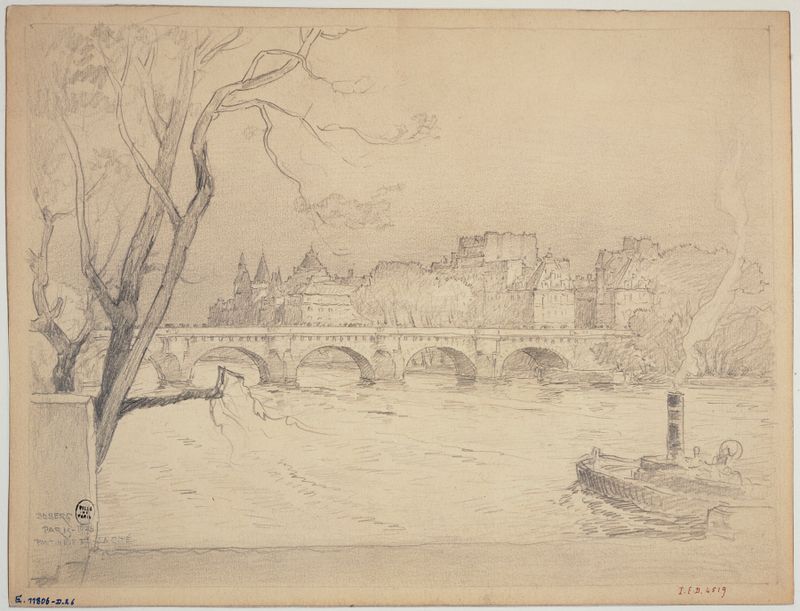
Le Pont-Neuf et la Cité
Ferdinand Boberg
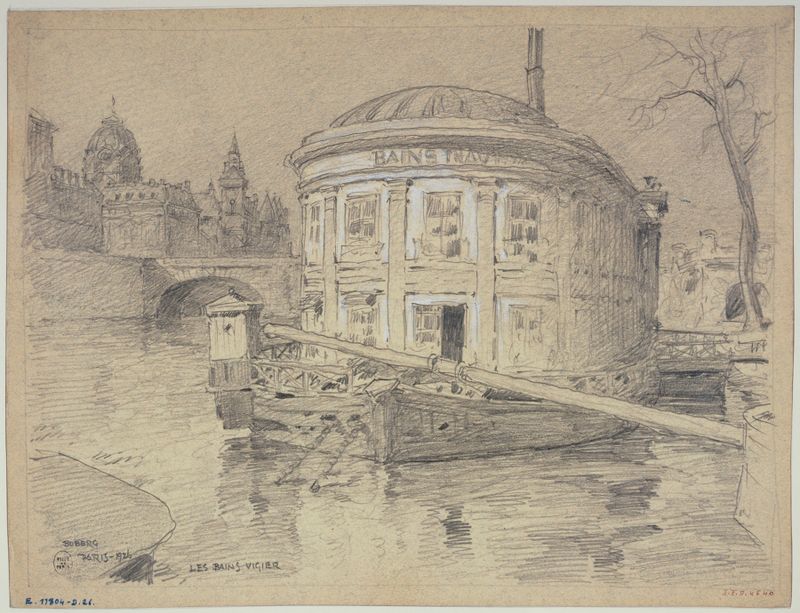
Les bains Vigier au Pont-Neuf
Ferdinand Boberg
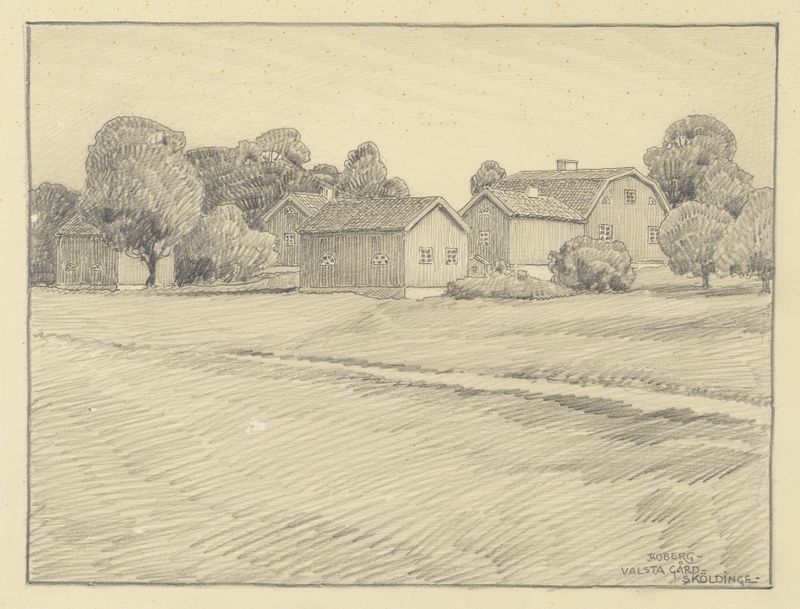
Valsta Gård
Ferdinand Boberg
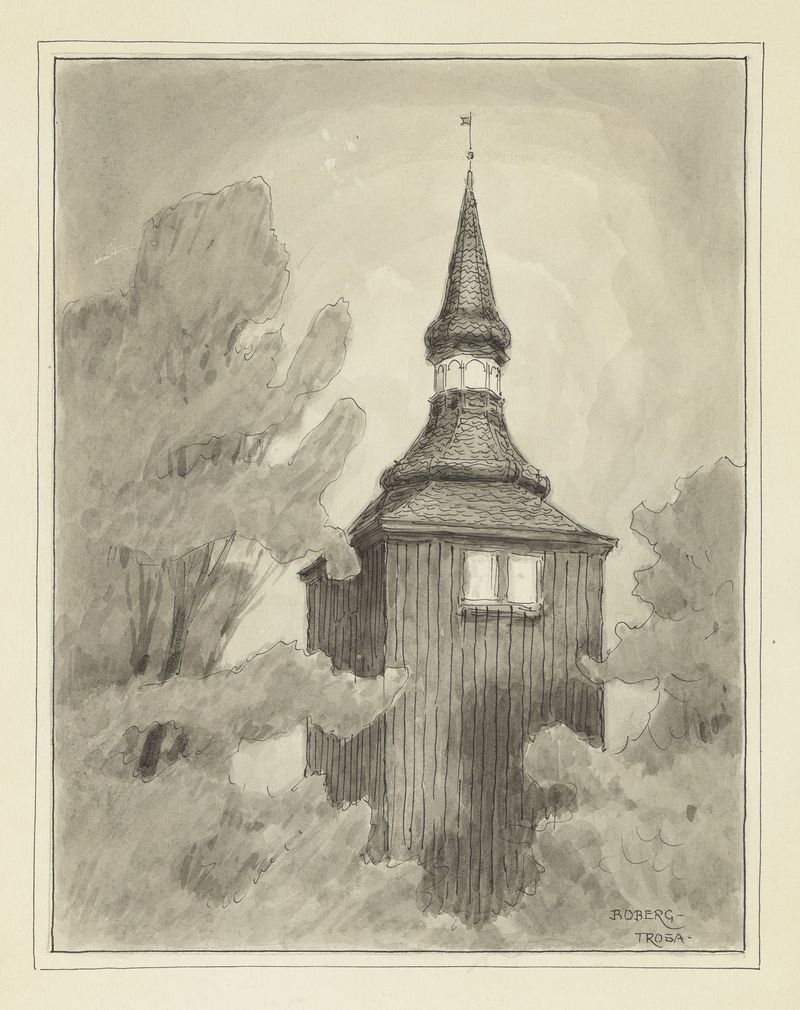
Trosa
Ferdinand Boberg
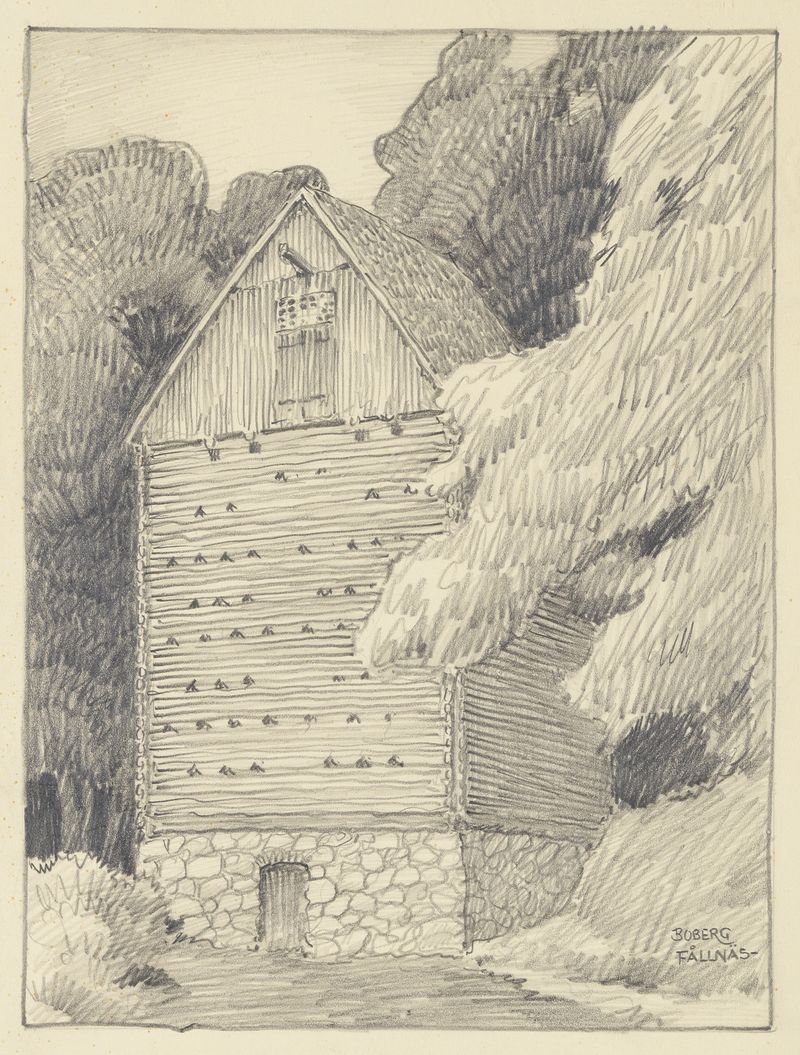
Fållnäs
Ferdinand Boberg
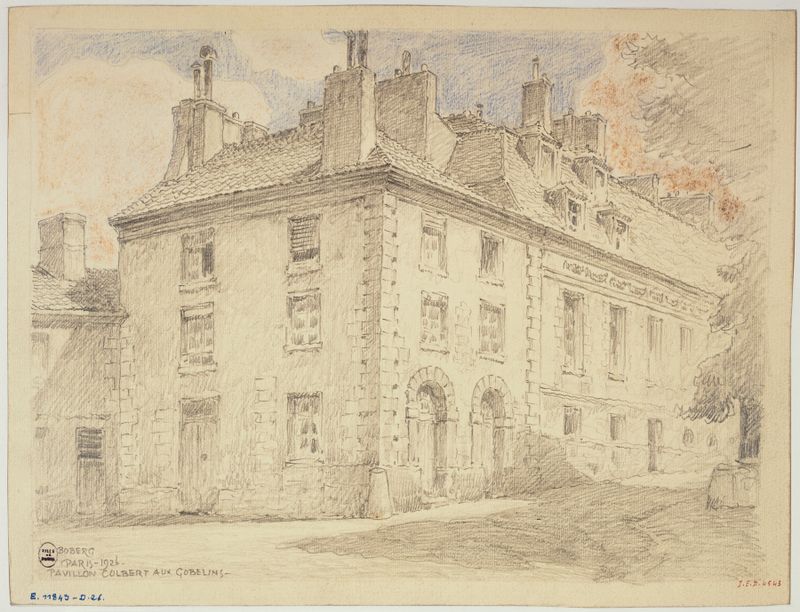
Le pavillon Colbert aux Gobelins
Ferdinand Boberg
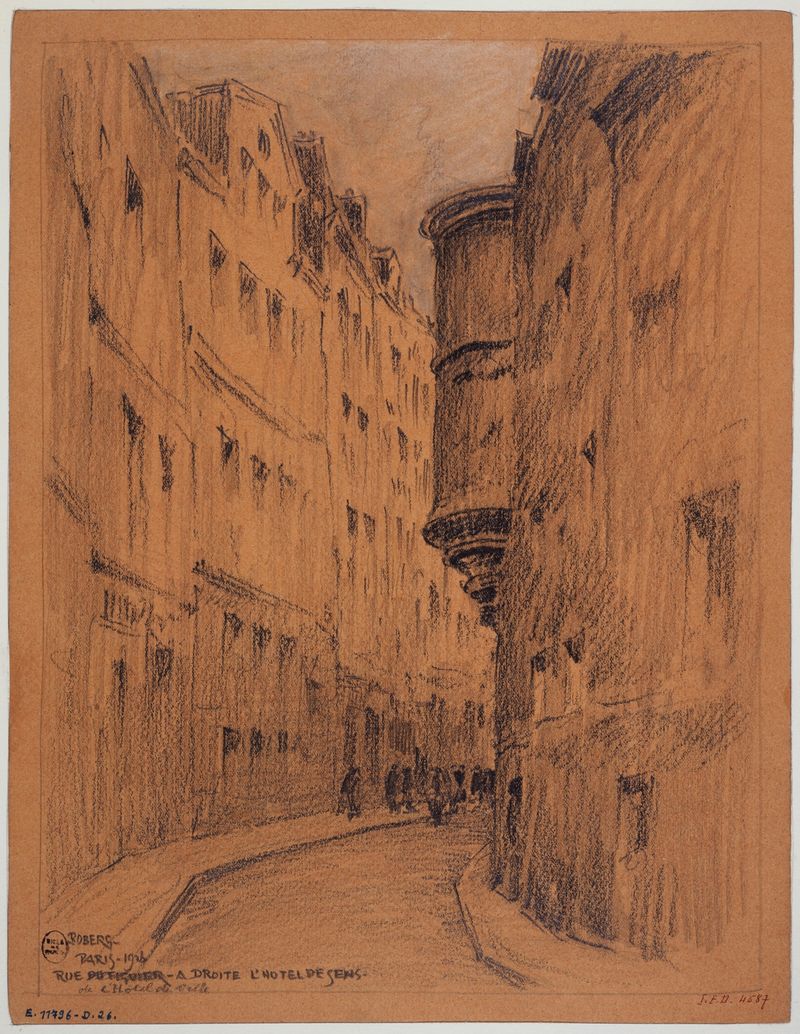
Rue de l’Hôtel de Ville; l’hôtel de Sens
Ferdinand Boberg
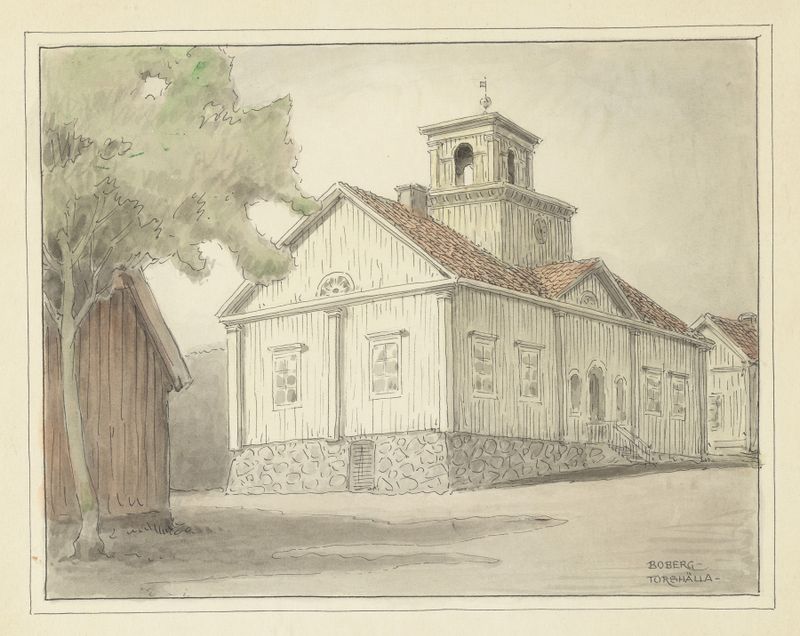
Torshälla
Ferdinand Boberg
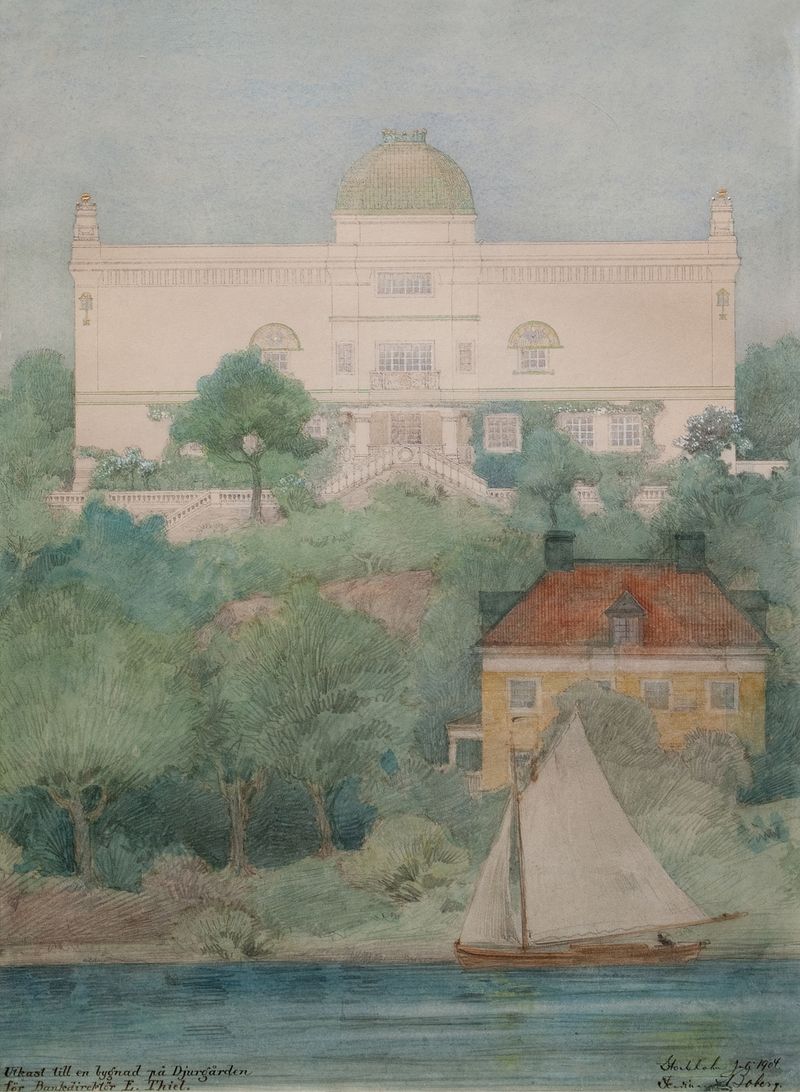
Sketch for a building for Thiel’s Gallery
Ferdinand Boberg
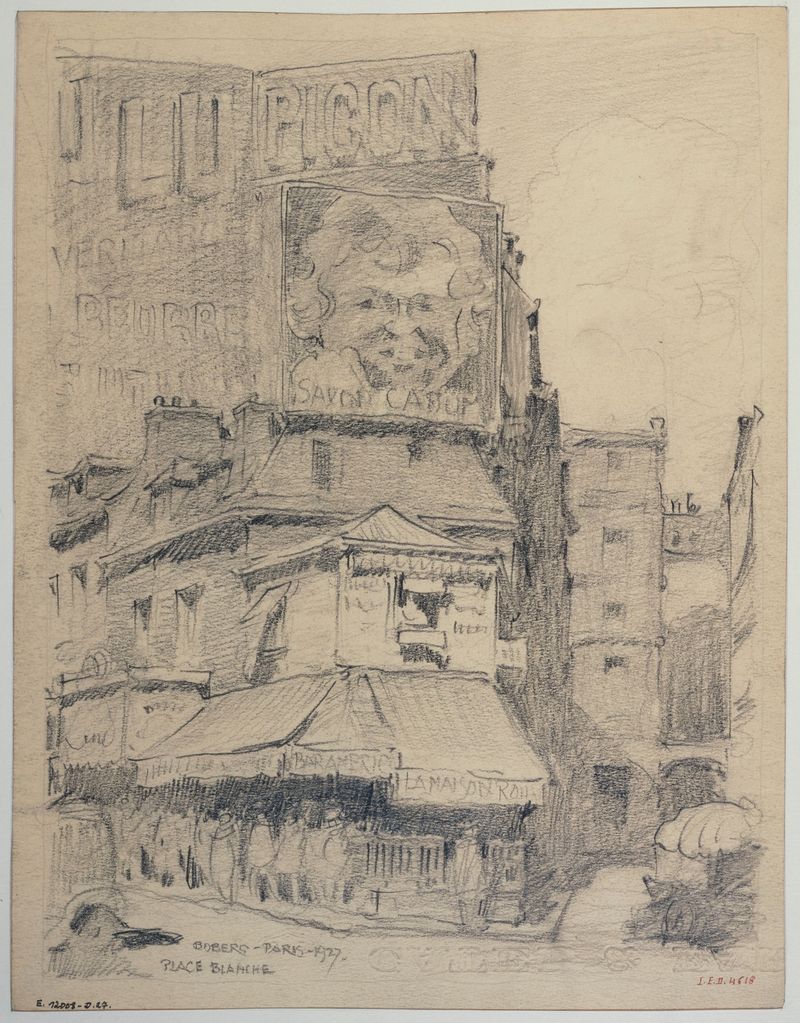
La place Blanche
Ferdinand Boberg
More Architecture Art
Browse all →
The statue of Liberty
Frédéric Auguste Bartholdi

View of Houses in Delft, Known as ‘The Little Street’
Johannes Vermeer

View of Houses in Delft, Known as ‘The Little Street’
Johannes Vermeer

The Cathedral in Rouen. The portal, Grey Weather
Claude Monet

The yellow house
Vincent van Gogh

The Church in Auvers-sur-Oise, View from the Chevet
Vincent van Gogh