
Le petit berger (The little shepherd) — History & Facts
Where does light end, and longing begin? In the quiet grace of a young shepherd, we find a poignant exploration of beauty and innocence, illuminated by nature’s tender embrace. Focus on the serene figure nestled in the lush greenery, the light dappling across his tousled hair. The subtle earth tones of his clothing contrast with the vibrant greens surrounding him, while the gentle brushstrokes evoke a sense of soft tranquility. Notice how the light falls upon his face, casting a warm glow that brings forth an expression of contemplative wonder, inviting us into a moment suspended in time. Within this pastoral scene lies an emotional depth that speaks to both the simplicity of rural life and the underlying complexities of human experience.
The shepherd’s gaze, directed slightly off from the viewer, suggests a yearning beyond the immediate landscape, hinting at dreams and aspirations that lay just out of reach. The interplay between light and shadow here embodies the tension between beauty and melancholy, reflecting the fleeting nature of youth and the passage of time. Created in 1855, the painting emerged during a period of artistic transition for its creator, who was deeply influenced by the Barbizon School movement. Working in France, Corot sought to capture the essence of nature while blending Romantic and Realist elements.
At this time, he was establishing himself as a master of landscape painting, experimenting with light and atmosphere while simultaneously juggling the expectations of the evolving art world.
More Artworks by Jean-Baptiste-Camille Corot
Browse all →
View of Genoa
Jean-Baptiste-Camille Corot
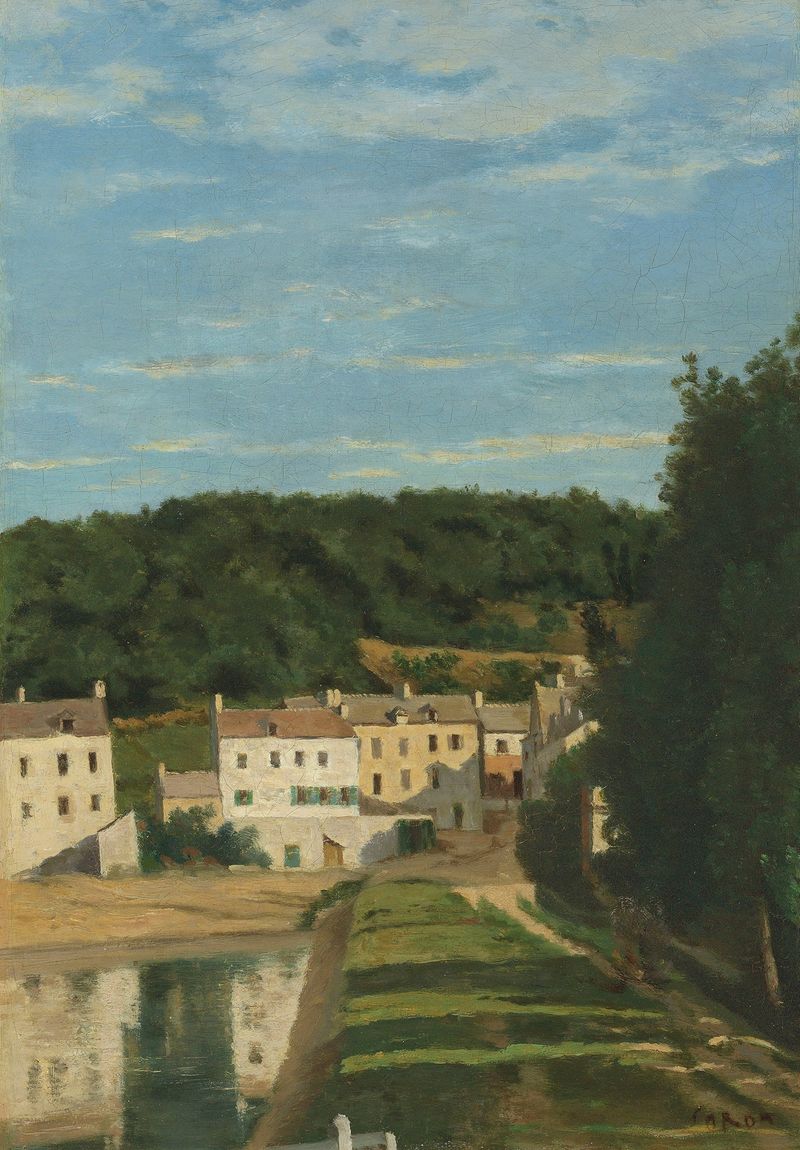
Les Maisons Cabassud À Ville D’avray
Jean-Baptiste-Camille Corot

La solitude. Souvenir de Vigen (Limousin)
Jean-Baptiste-Camille Corot
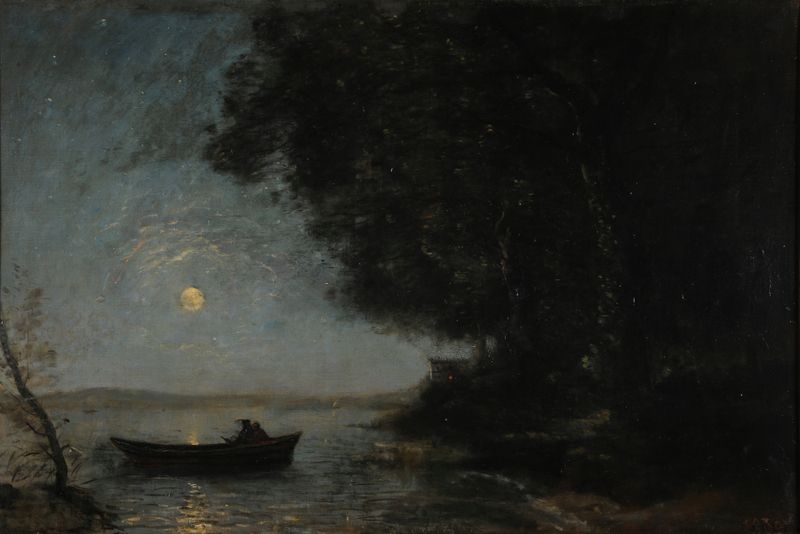
Le lac ; effet de nuit
Jean-Baptiste-Camille Corot
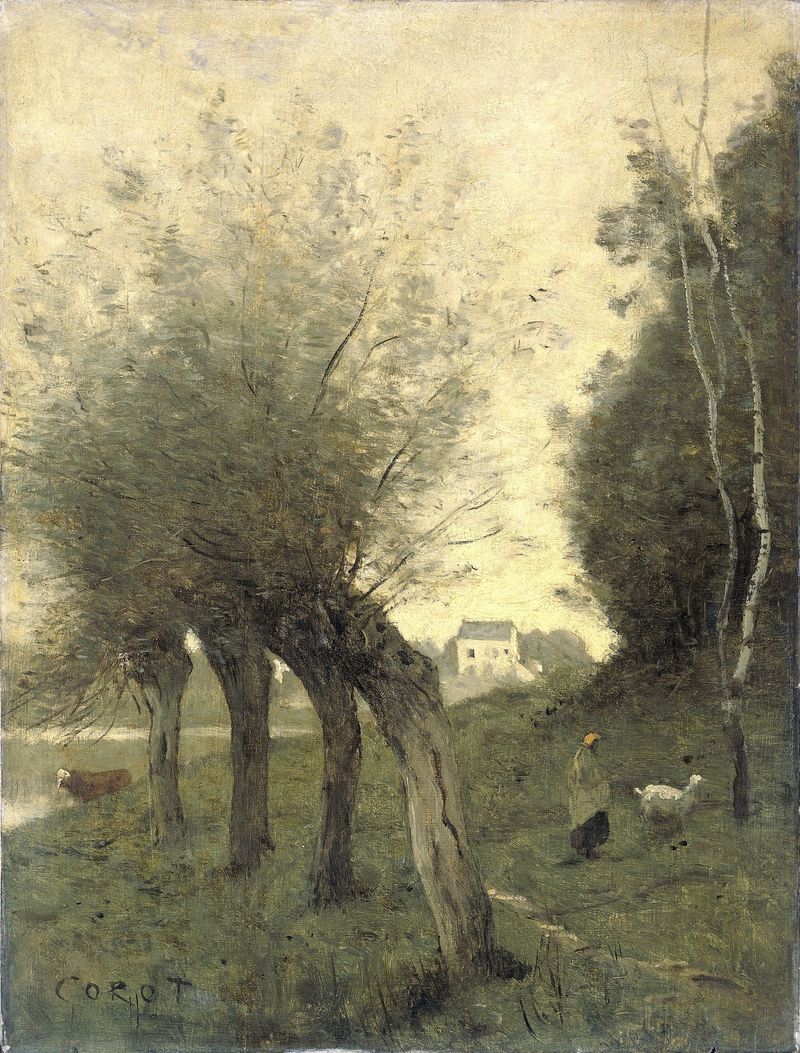
Landscape with Pollard Willows
Jean-Baptiste-Camille Corot
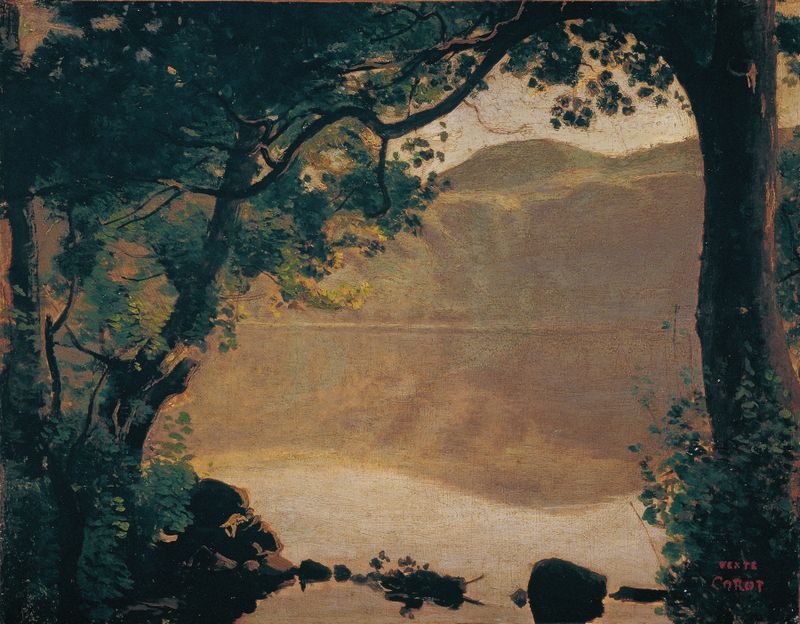
Der Nemisee
Jean-Baptiste-Camille Corot
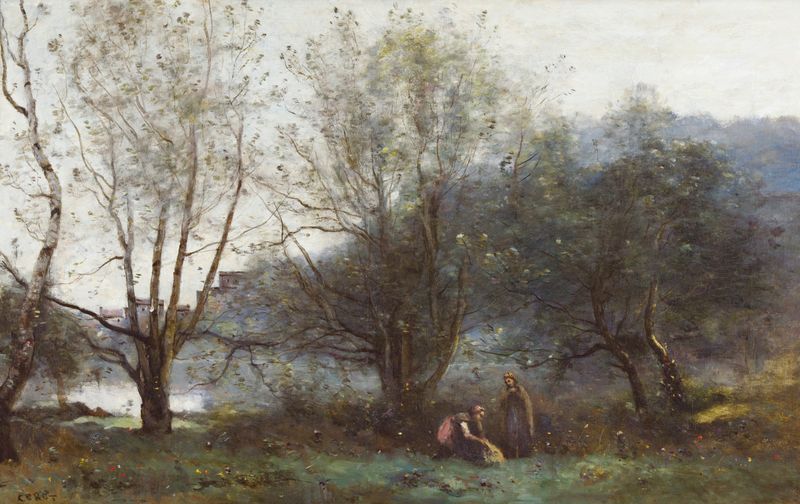
Les Étangs De Ville D’avray
Jean-Baptiste-Camille Corot
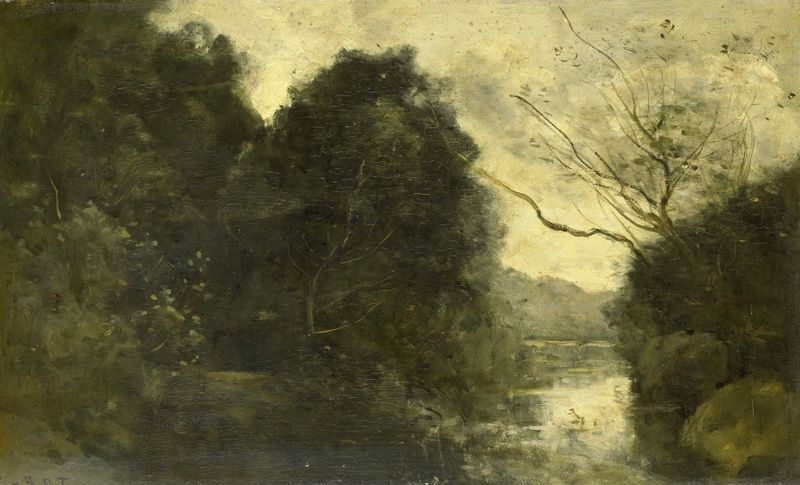
Pond in the Woods
Jean-Baptiste-Camille Corot
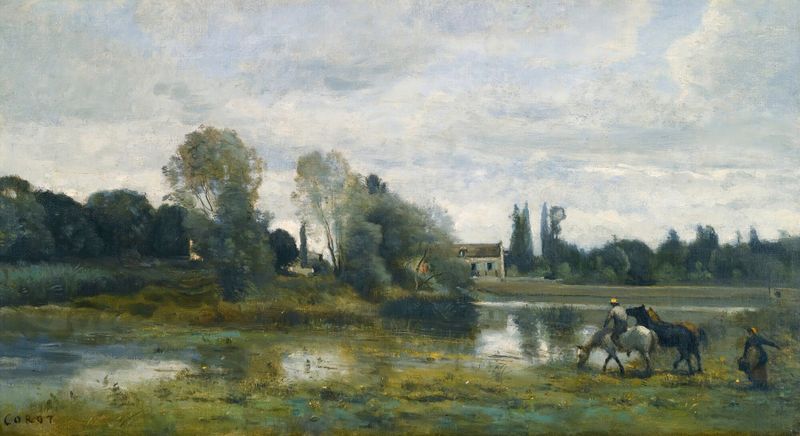
Ville D’avray; L’abreuvoir Des Chevaux
Jean-Baptiste-Camille Corot
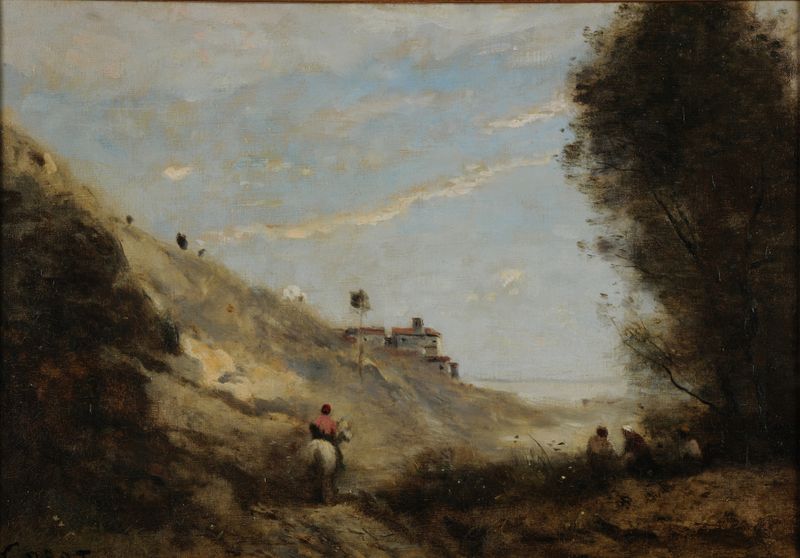
Le vallon au cavalier
Jean-Baptiste-Camille Corot





