
Le port de Rotterdam — History & Facts
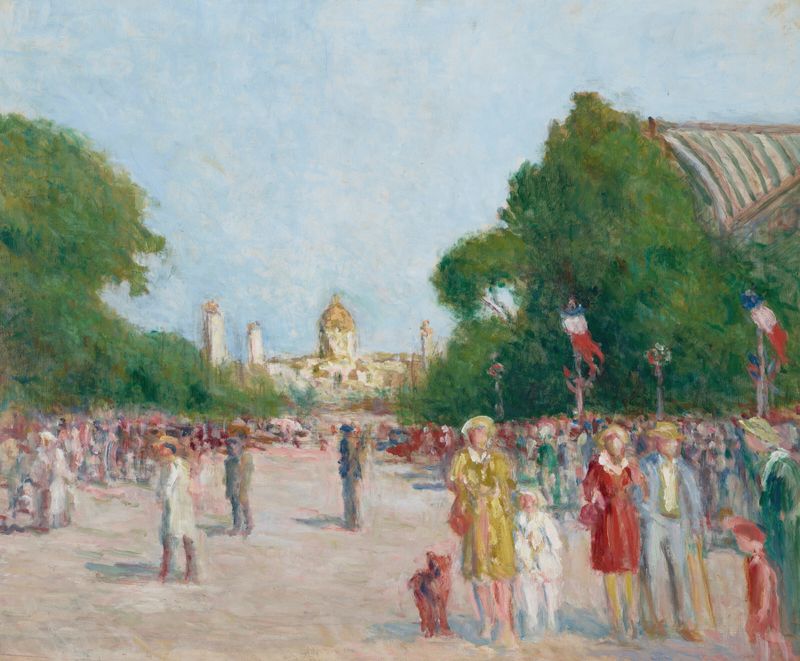
This sentiment echoes through the canvas, capturing a moment forever suspended between progress and memory, a reminder of our transient nature. Look to the left, where the sun dips low over the bustling port, casting a warm golden hue upon the myriad of boats lined up against the wharf. The brushstrokes, thick and expressive, create a lively rhythm, drawing your gaze across the water toward the silhouettes of industrial factories rising against the horizon. Notice how the interplay of light and shadow reveals a vibrant palette of blues and ochres, evoking both the vitality of the scene and the weight of nostalgia. Yet, beneath this lively exterior lies a tension between advancement and loss.
The ships, symbols of commerce and progress, also conjure memories of a simpler past, of quiet days spent by the shore. Observe the figures engaged in their daily routines; their gestures are imbued with a sense of purpose, yet their faces are slightly obscured, hinting at the anonymity that often comes with industrial growth. It’s a reflection on the bittersweet nature of modernization, where the pulse of life quickens but at what cost? In 1908, Luce created this work in the midst of an evolving art world, influenced by Impressionism and the burgeoning modern movement.
Living in Paris, he was part of a group that sought to capture the vibrancy of everyday life while remaining deeply aware of social changes. The painting not only reflects the innovation of its time but also serves as a poignant commentary on the inevitable march of progress that threatens to overshadow simpler moments.
More Artworks by Maximilien Luce
Browse all →
Le Quai Montebello Et La Colline Sainte-Geneviève
Maximilien Luce

Le Pont-Neuf, La Seine, Petit Bras
Maximilien Luce
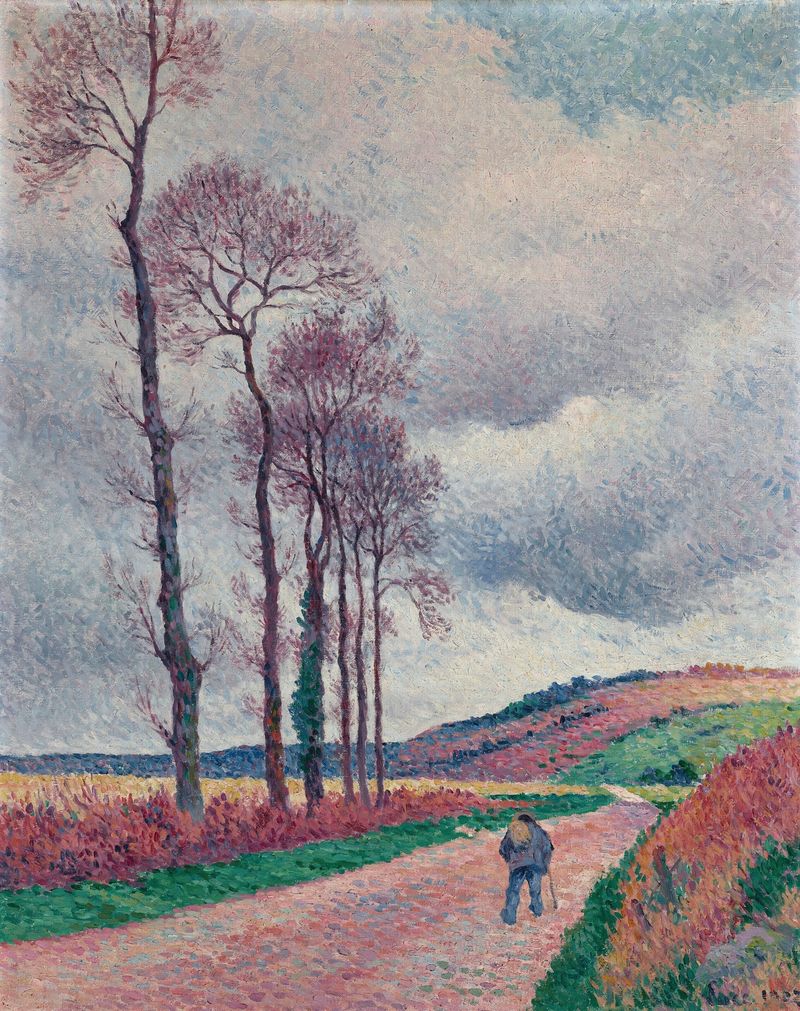
La route aux environs de Méréville
Maximilien Luce
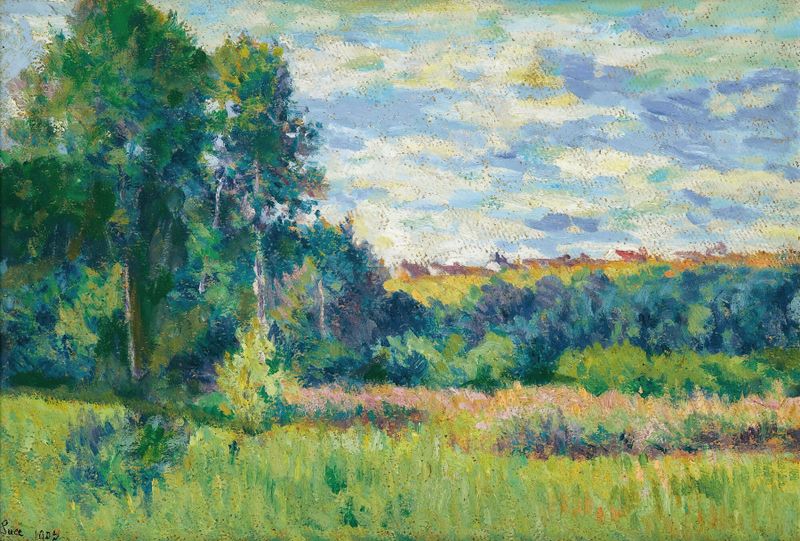
Paysage
Maximilien Luce
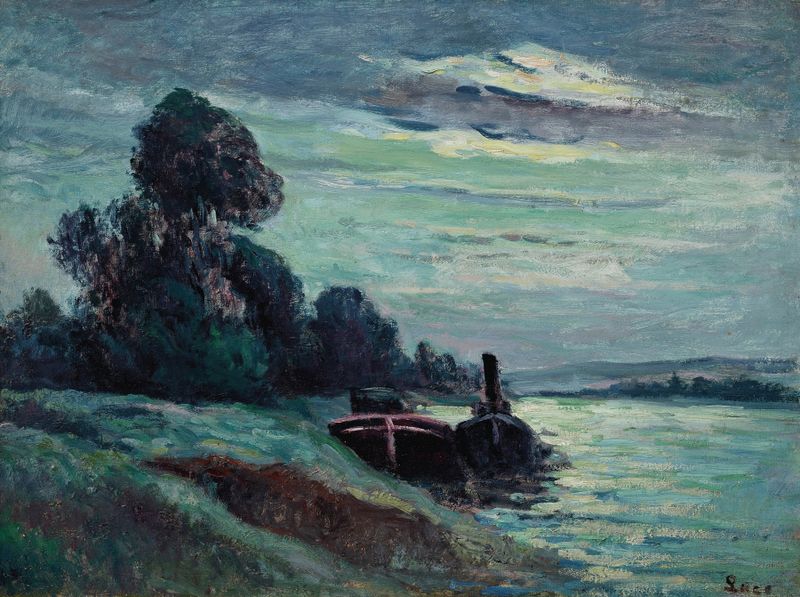
Péniches sur la Seine
Maximilien Luce

Notre Dame de Paris
Maximilien Luce
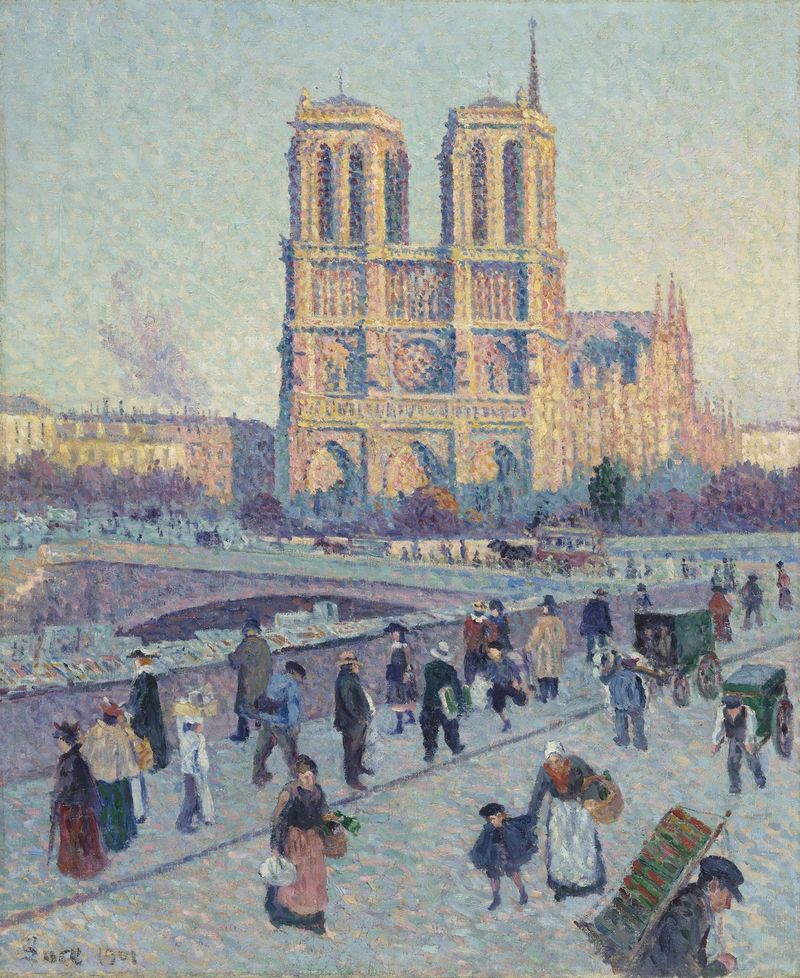
The Quai Saint-Michel and Notre-Dame
Maximilien Luce

La Seine au Pont Mirabeau
Maximilien Luce
L’avenue Winston-Churchill, Paris
Maximilien Luce

Paris, Le Quartier De Vaugirard
Maximilien Luce





