
Le Puy — History & Facts
What secret hides in the quiet of the canvas? In the stillness of Le Puy, the viewer is drawn into a world where silence speaks volumes, unraveling layers of thought and introspection. Focus on the soft hues in the foreground, where muted greens and browns create a serene landscape that invites contemplation. Notice how the brushstrokes blend seamlessly, giving texture to the rolling hills. The distant sky, bathed in warm pastels, casts a gentle light over the scene, illuminating the solitary figure perched on the hilltop, creating a poignant focal point that evokes both isolation and connection. As you delve deeper, notice the contrast between the vibrant earth and the ethereal sky.
The figure, cloaked in shadow, embodies a deep sense of solitude amidst nature's embrace. This juxtaposition hints at the broader themes of existence and the traveler’s journey through life, inviting viewers to reflect on their own paths and the silence that often accompanies them. Created during a period between 1888 and 1934, the artist crafted Le Puy while exploring the tensions of modernity and introspection. Grondhout's life was marked by significant transitions within the art world, navigating movements that celebrated both realism and impressionism.
This painting stands as a testament to his ability to capture not just a moment, but the essence of stillness in an ever-changing landscape.
More Artworks by Willem Adrianus Grondhout
Browse all →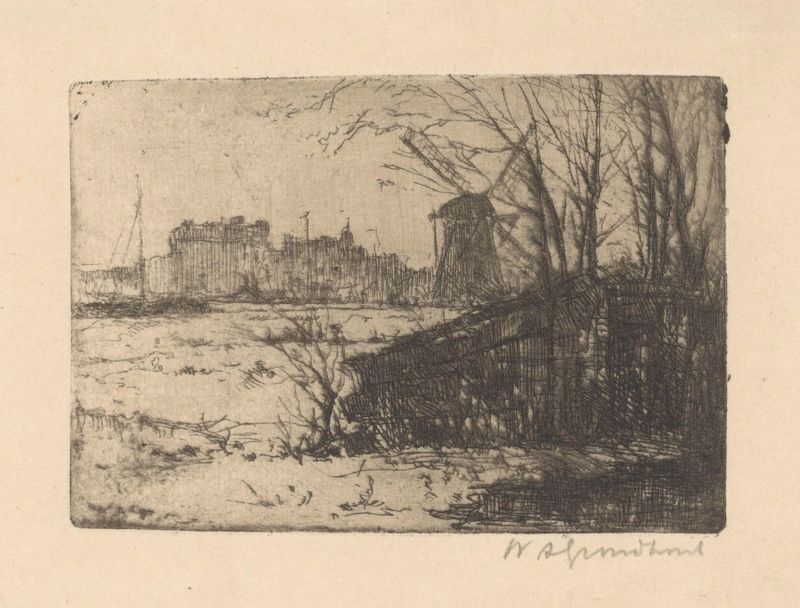
Landschap met molen in de Binckhorst in Den Haag
Willem Adrianus Grondhout
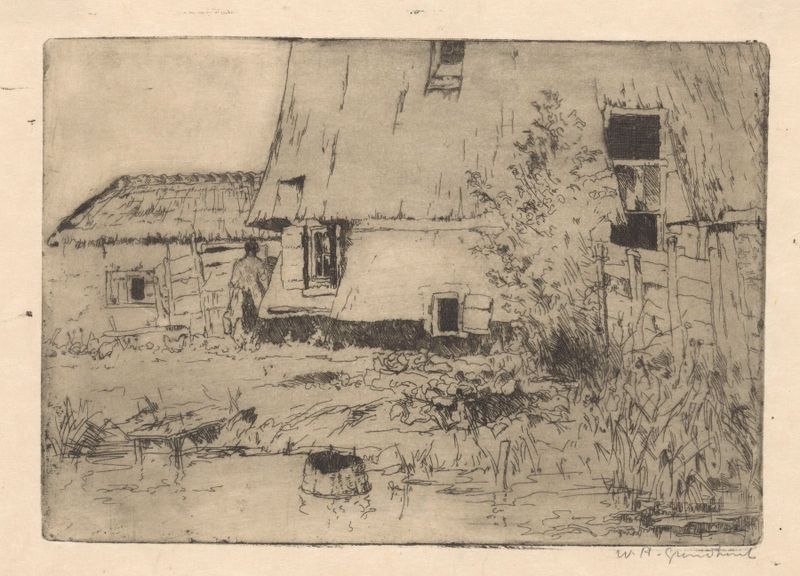
Voet van een molen in Voorburg
Willem Adrianus Grondhout
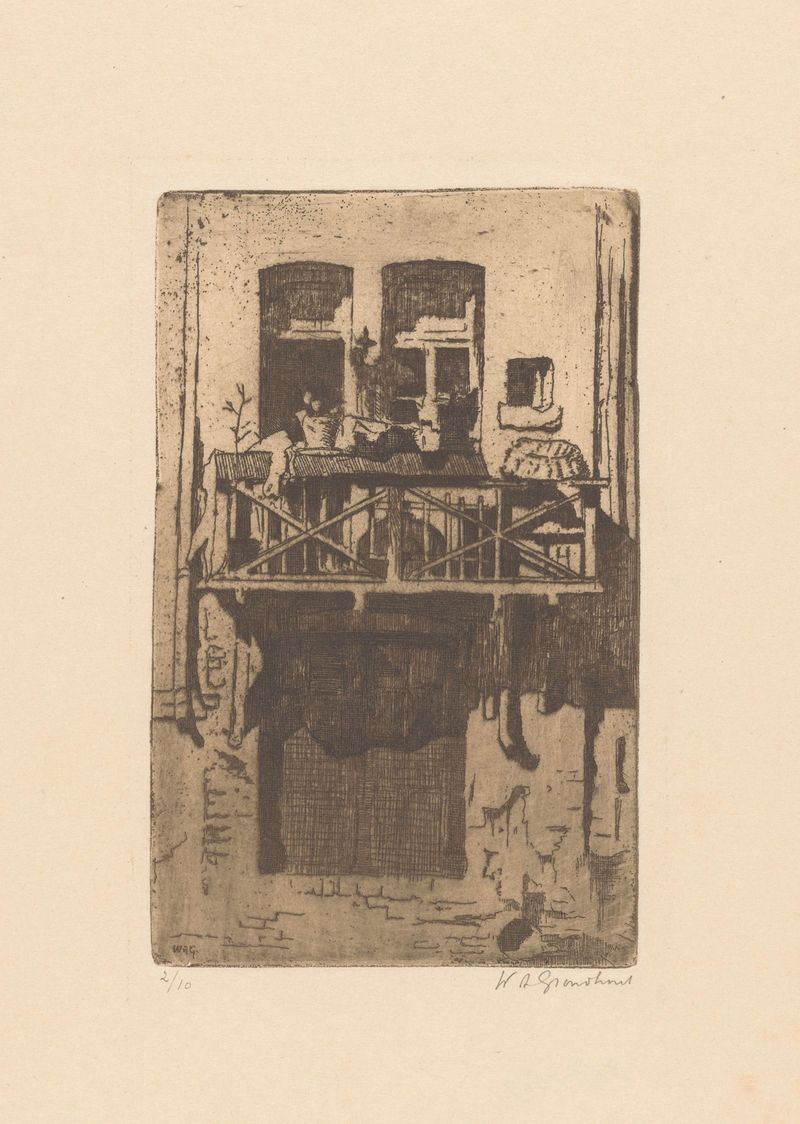
Balkon van een huis aan de Oudezijds Kolk in Amsterdam
Willem Adrianus Grondhout
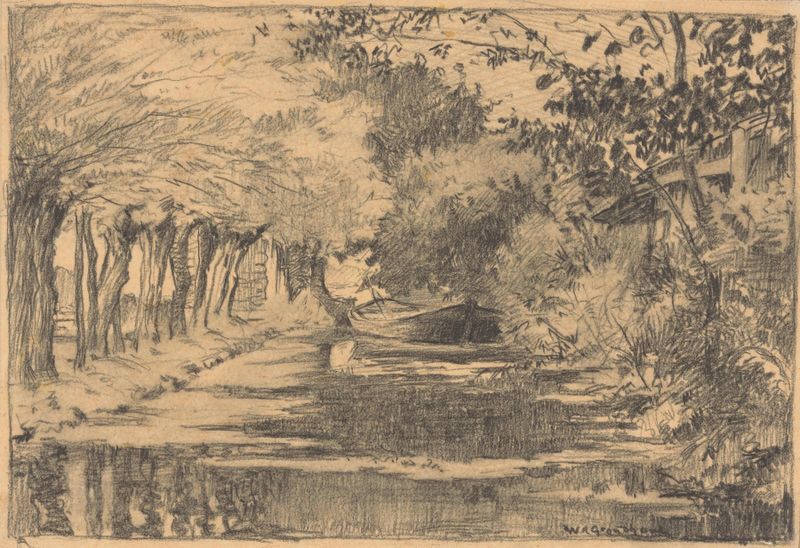
Broeksloot bij Voorburg
Willem Adrianus Grondhout
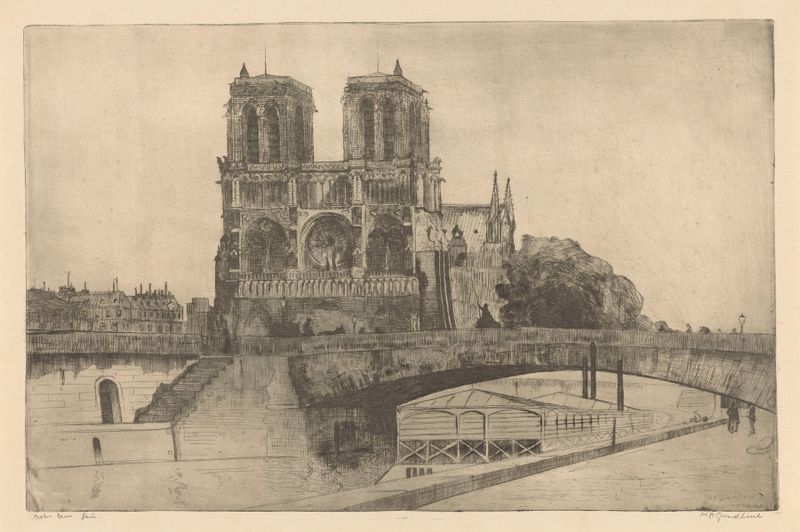
Notre-Dame, Paris
Willem Adrianus Grondhout
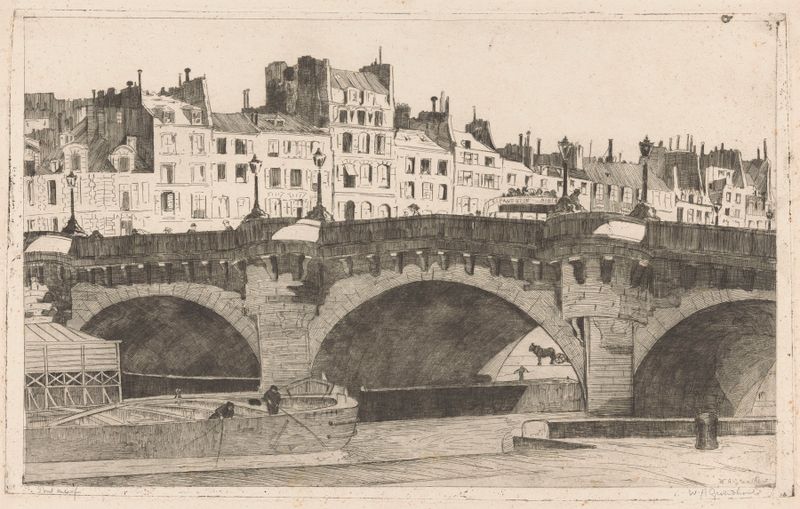
Pont Neuf
Willem Adrianus Grondhout
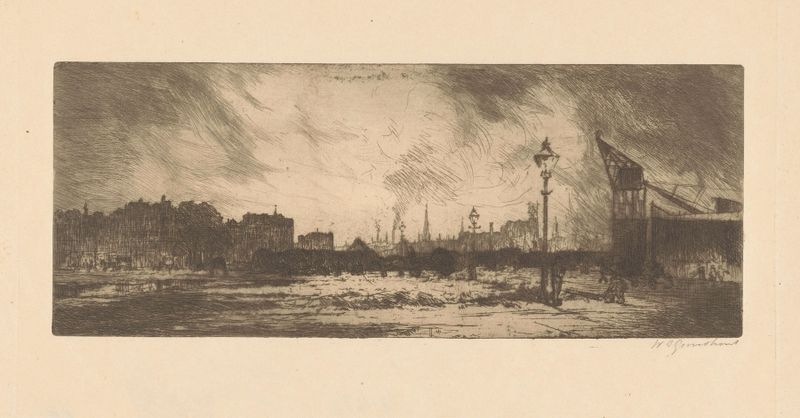
Havenkade met lantaarnpalen in Rotterdam
Willem Adrianus Grondhout
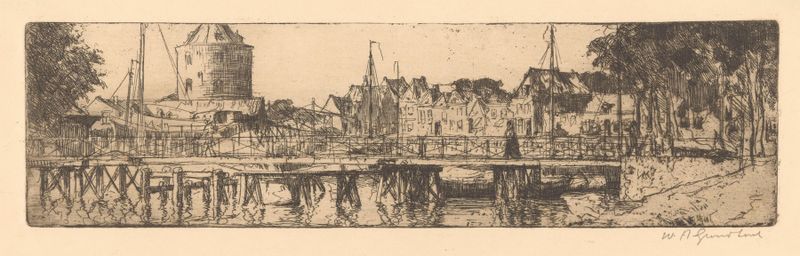
Enkhuizen
Willem Adrianus Grondhout
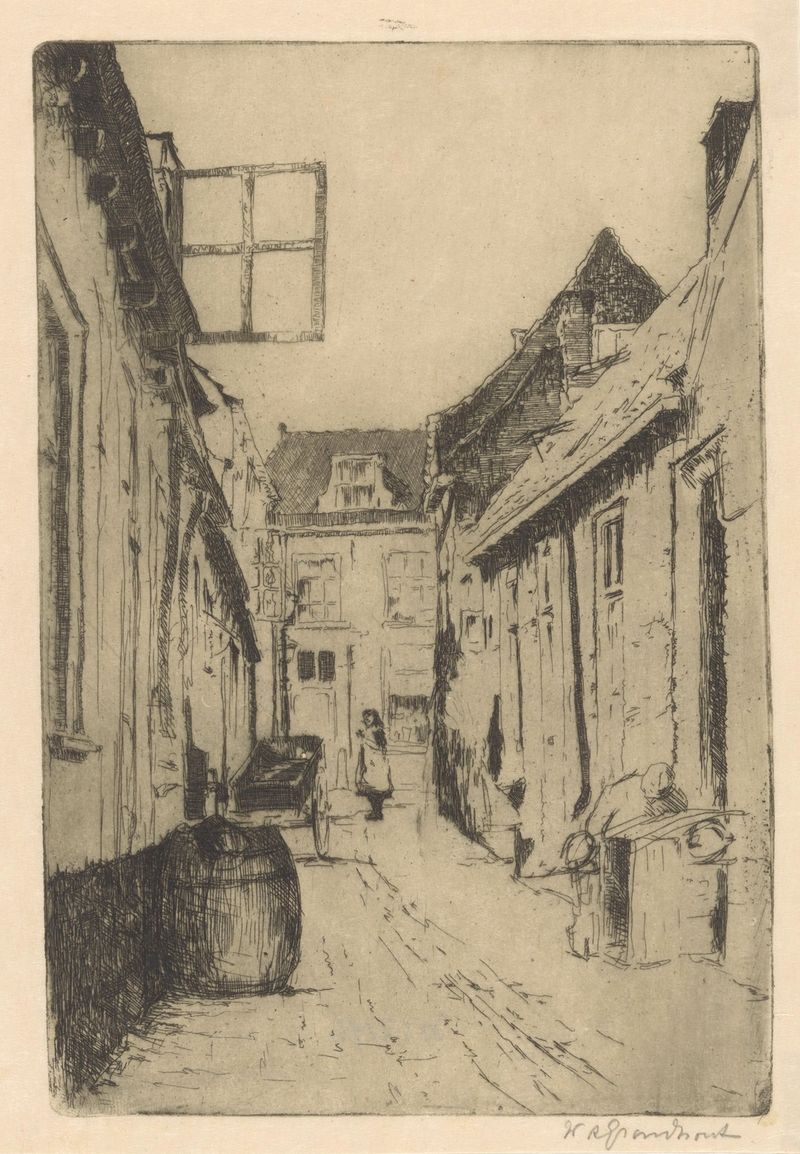
Straatje in Voorburg.
Willem Adrianus Grondhout
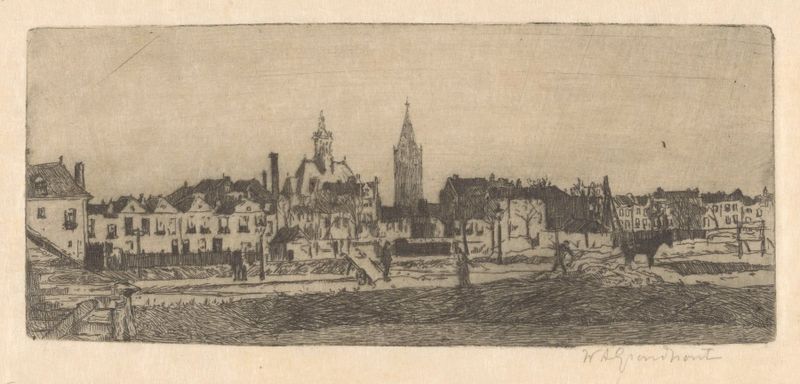
Delft
Willem Adrianus Grondhout





