
Le Puy — History & Facts
Serenity permeates the canvas, whispering the tranquility of a moment suspended in gentle hues and soft forms. Look to the tranquil foreground where a quiet landscape unfolds. The rolling hills, bathed in muted greens and soft browns, invite the eye to wander. Notice how the delicate play of light casts a peaceful glow over the scene, highlighting the distant trees with a golden warmth.
Here, every brushstroke feels deliberate, capturing not just the physical realm but the emotional essence of a serene day. As you delve deeper, observe the subtle contrasts between the vibrant sky and the calm earth. The soft puffs of clouds roll lazily above, suggesting a gentle wind; they cradle the sun, hinting at the fleeting nature of time itself. The delicate balance between light and shadow conveys a sense of harmony, while hints of life, perhaps a distant figure or a grazing animal, evoke a profound connection to nature and solitude. Willem Adrianus Grondhout painted Le Puy during a period of reflection between 1888 and 1934, a time when artistic expression was shifting towards more personal, introspective themes.
Living in the Netherlands, he found himself amidst a burgeoning art scene that valued both tradition and innovation. This canvas reflects not only his technical prowess but also a deeper understanding of the human experience, encapsulating a moment of serenity in a rapidly changing world.
More Artworks by Willem Adrianus Grondhout
Browse all →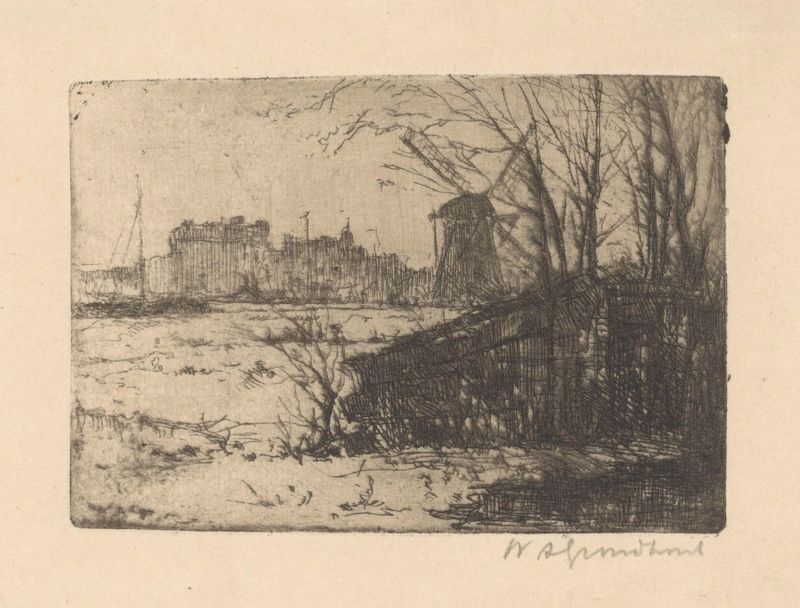
Landschap met molen in de Binckhorst in Den Haag
Willem Adrianus Grondhout
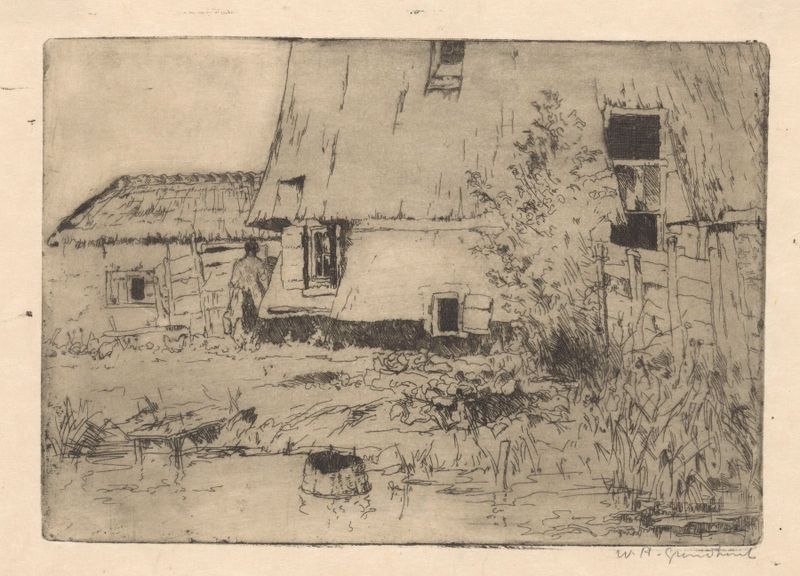
Voet van een molen in Voorburg
Willem Adrianus Grondhout
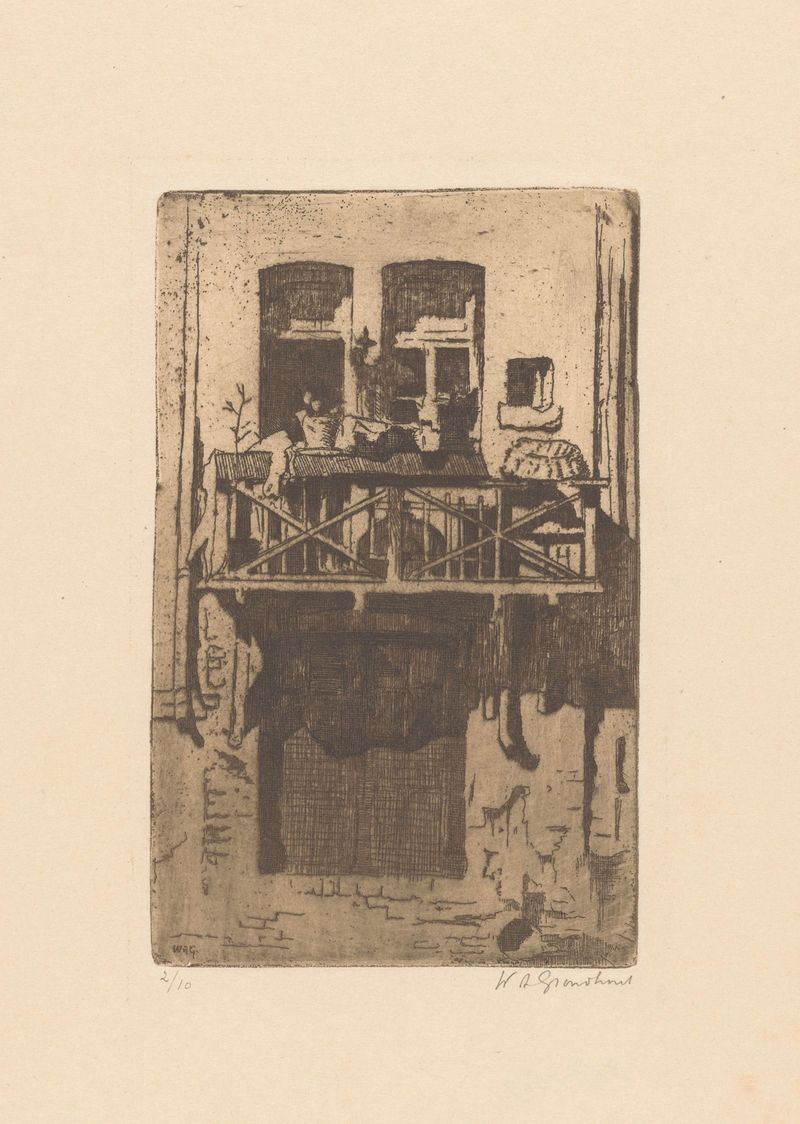
Balkon van een huis aan de Oudezijds Kolk in Amsterdam
Willem Adrianus Grondhout
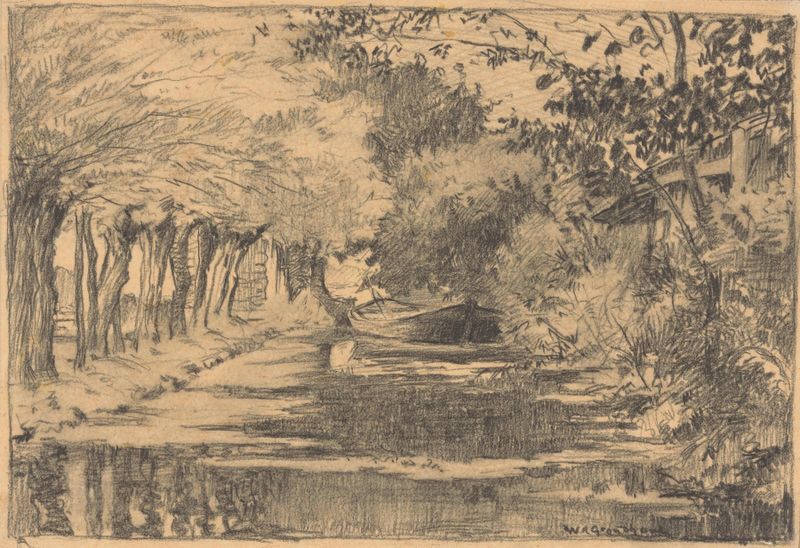
Broeksloot bij Voorburg
Willem Adrianus Grondhout
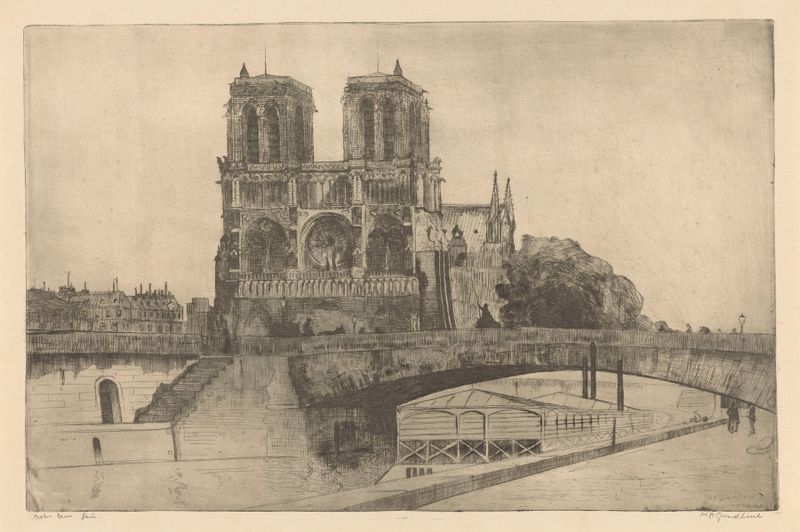
Notre-Dame, Paris
Willem Adrianus Grondhout
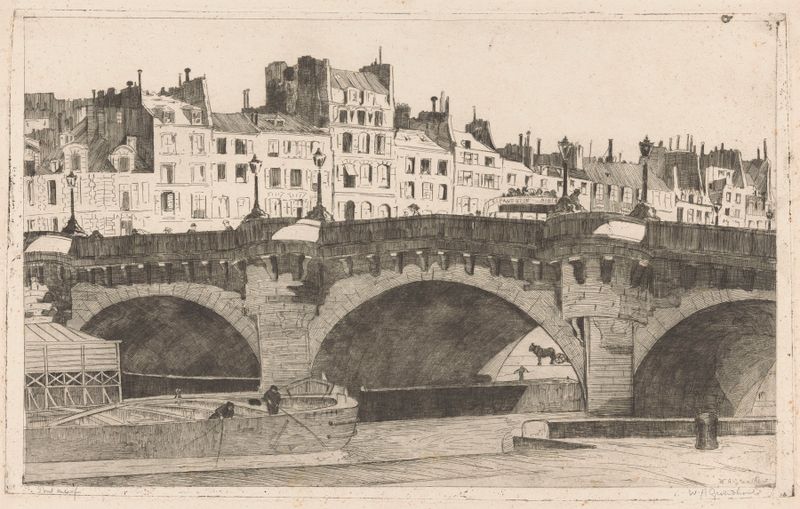
Pont Neuf
Willem Adrianus Grondhout
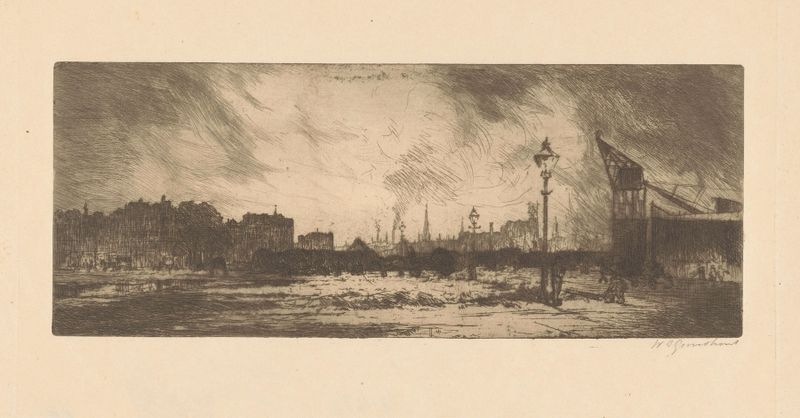
Havenkade met lantaarnpalen in Rotterdam
Willem Adrianus Grondhout
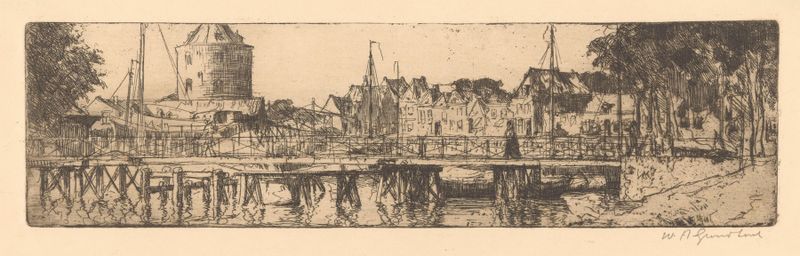
Enkhuizen
Willem Adrianus Grondhout
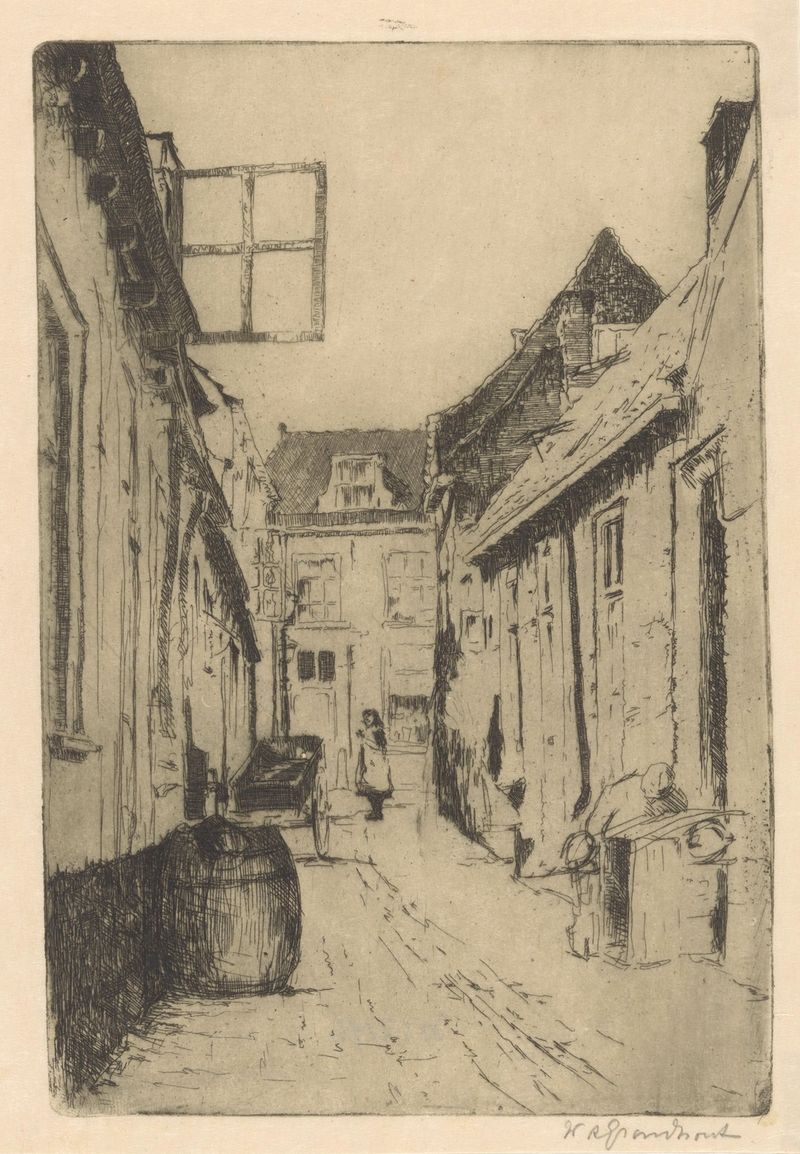
Straatje in Voorburg.
Willem Adrianus Grondhout
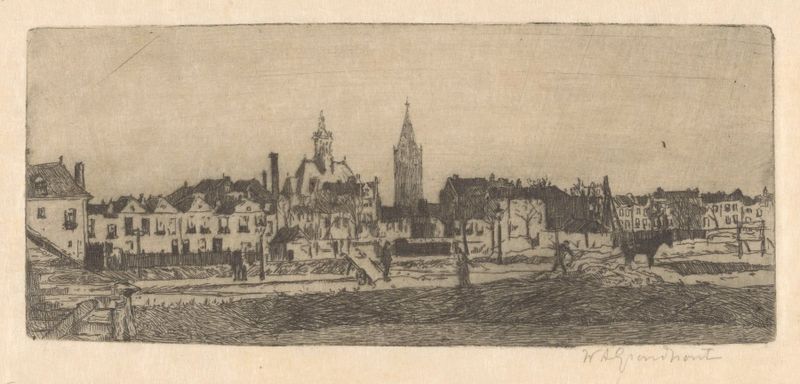
Delft
Willem Adrianus Grondhout





