
Le Puy En Hiver — History & Facts
What if silence could speak through light? In Le Puy En Hiver, this question hangs delicately in the air, beckoning viewers to listen closely to the whispers of winter. Focus on the soft hues that envelop the canvas, drawing your gaze toward the horizon where muted blues and whites converge. The snow-dusted landscape, punctuated by the silhouettes of trees, creates a tranquil backdrop, while the gentle strokes evoke the chill of the season. Notice how the light filters through the branches, casting a serene glow upon the scene, inviting contemplation and introspection.
Each brushstroke seems to breathe, capturing a moment suspended in time. As you absorb the composition, consider the layers of emotional tension woven throughout. The contrast of the lively sky against the stillness of the ground reflects an inner obsession with nature’s quiet beauty and fragility. The distant village, almost obscured in the snowy embrace, hints at human presence yet remains remarkably untouched, suggesting solitude and a longing for connection.
Here lies a profound dialogue between isolation and the allure of existence. In 1889, Dubois-Pillet painted this work amidst a burgeoning movement in the art world, where Impressionism challenged traditional norms. Living in France during a time of artistic innovation, he sought to convey not just the visual essence of winter, but also the emotional resonance that such scenes evoke. His commitment to capturing subtle atmospheres and transient moments reflects a pivotal period in his life, one that was saturated with the exploration of light and color, forever altering the landscape of art.
More Artworks by Albert Dubois-Pillet
Browse all →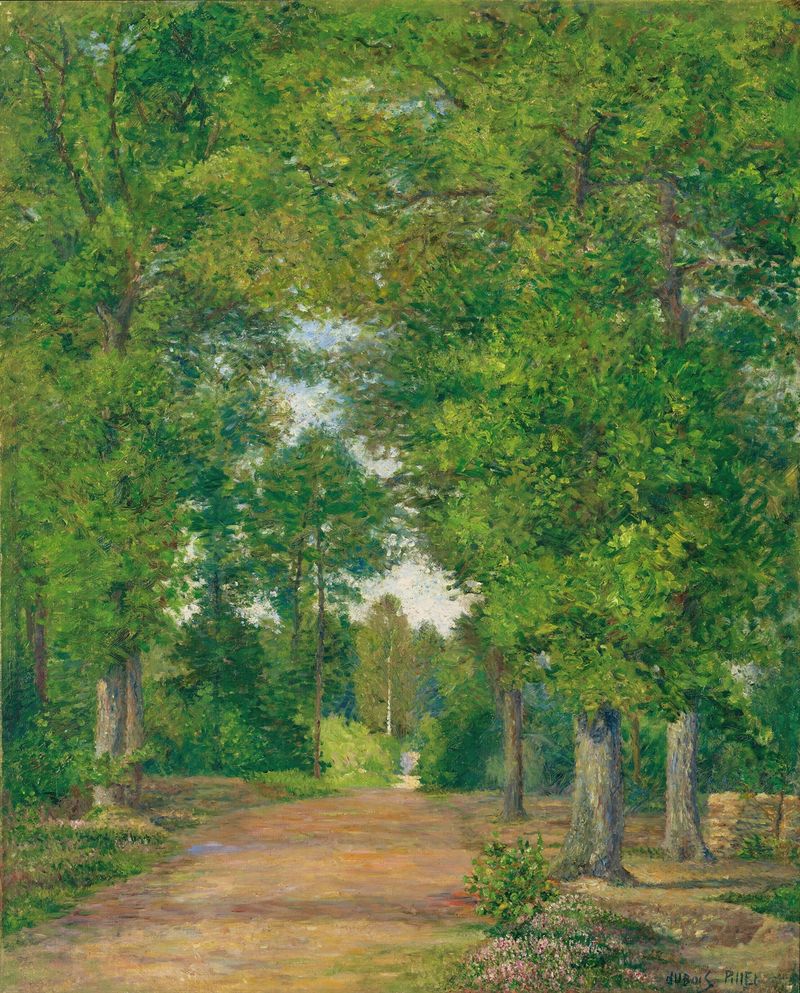
Paysage de forêt
Albert Dubois-Pillet
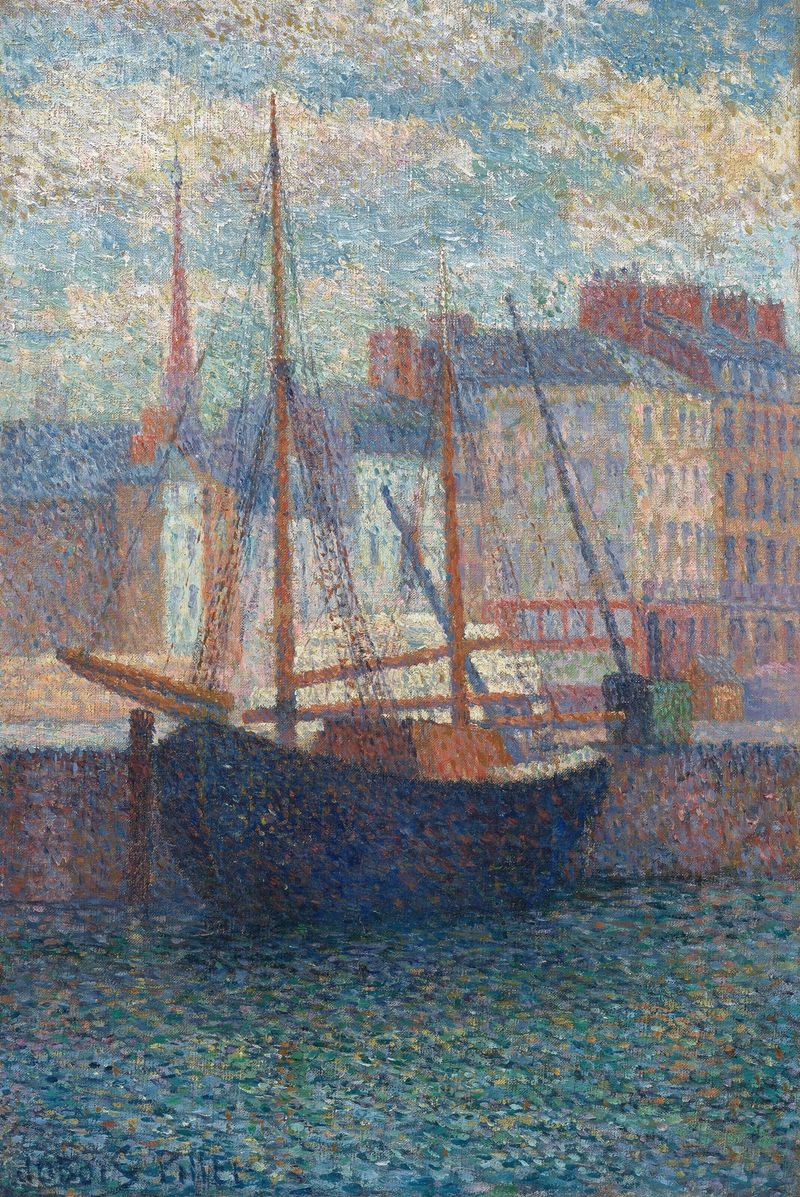
Voilier à quai
Albert Dubois-Pillet
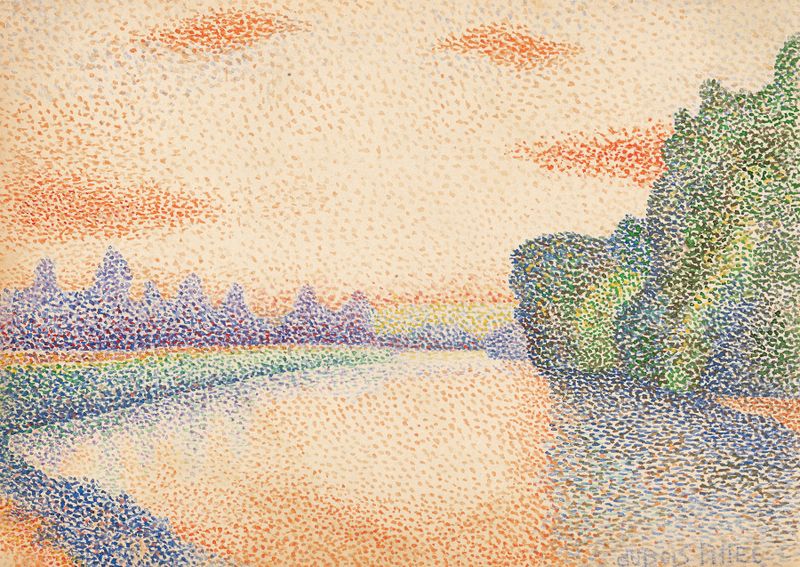
The Banks of the Marne at Dawn
Albert Dubois-Pillet
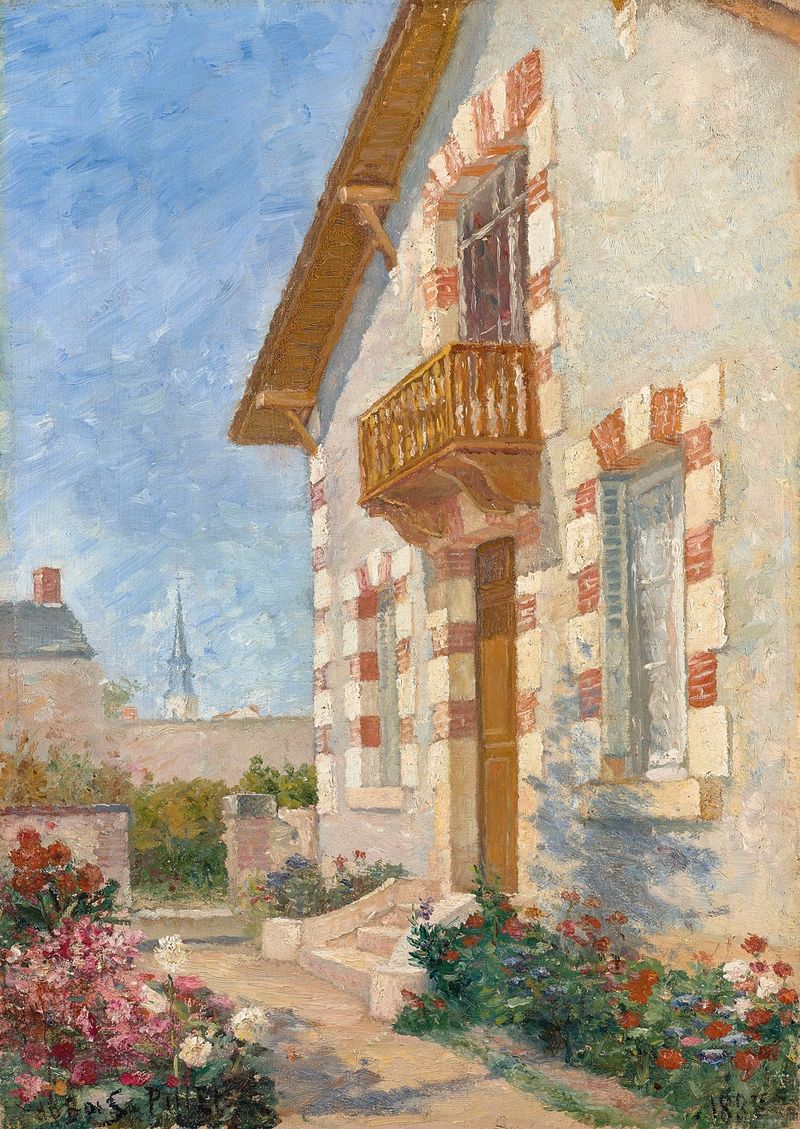
Maison de M.B. à Seur
Albert Dubois-Pillet
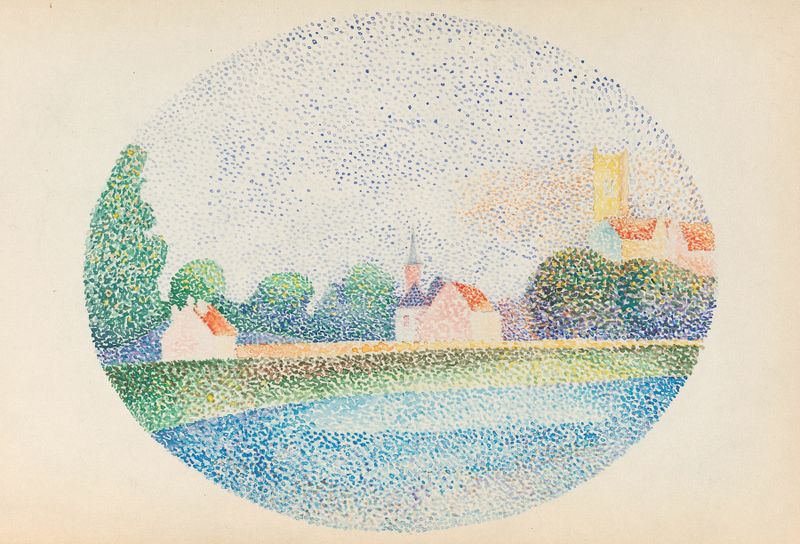
Morning on the Marne at Meaux
Albert Dubois-Pillet

Trois Péniches Amarées Aux Abords D’une Ville Industrielle
Albert Dubois-Pillet
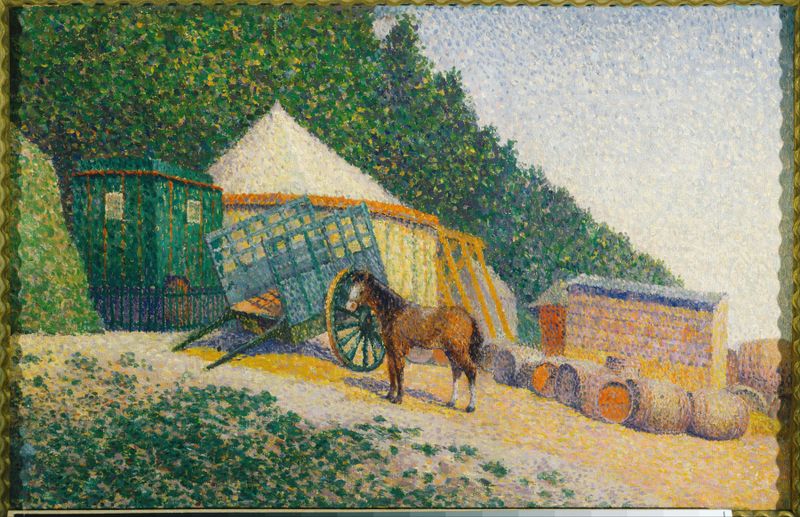
Little Circus Camp
Albert Dubois-Pillet





