
Voilier à quai — History & Facts
In the quiet expanse of a harbor, the air thickens with a palpable yearning for adventure yet to unfold. Each brushstroke dances with life, capturing the moment just before the sailboats embark on their journeys to far-off lands, leaving behind the safety of the dock. Look to the foreground, where a cluster of boats rests serenely, their hulls reflecting shimmering hues of blue and green. The delicate brushwork creates a sense of movement in the water, while the sails, taut yet still, hint at the promise of the wind.
Notice how light plays across the scene, illuminating the boats and casting gentle shadows that echo the ripples in the water, inviting the viewer to linger in this tranquil moment. Beneath the surface of this idyllic harbor lies a tension between stillness and the pull of adventure. The contrast between the vibrant colors of the boats and the muted tones of the dock evokes a sense of longing — a desire to escape the confines of the familiar. The gentle lapping of waves serves as a metaphor for dreams waiting to be realized, while the absence of figures accentuates the solitude inherent in this yearning for freedom. In the late 1880s, Albert Dubois-Pillet created Voilier à quai while immersing himself in the Impressionist movement in France, seeking to capture the transient beauty of everyday life.
This period was marked by a growing interest in color and light, reflecting the changing dynamics of modernity. As he painted, the world around him was buzzing with innovation and new ideas, mirroring the very essence of the yearning captured in his work.
More Artworks by Albert Dubois-Pillet
Browse all →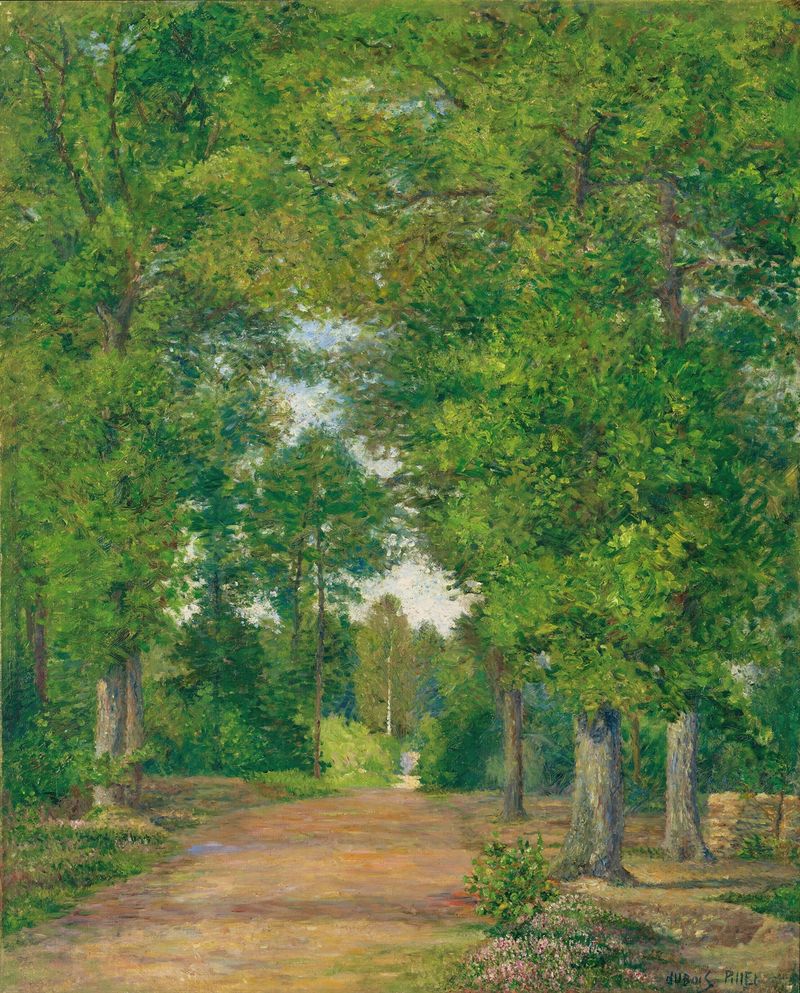
Paysage de forêt
Albert Dubois-Pillet
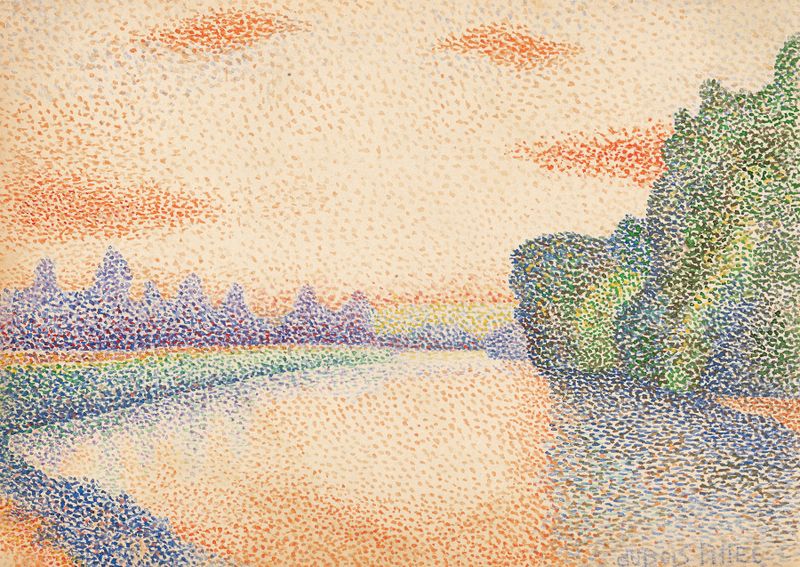
The Banks of the Marne at Dawn
Albert Dubois-Pillet
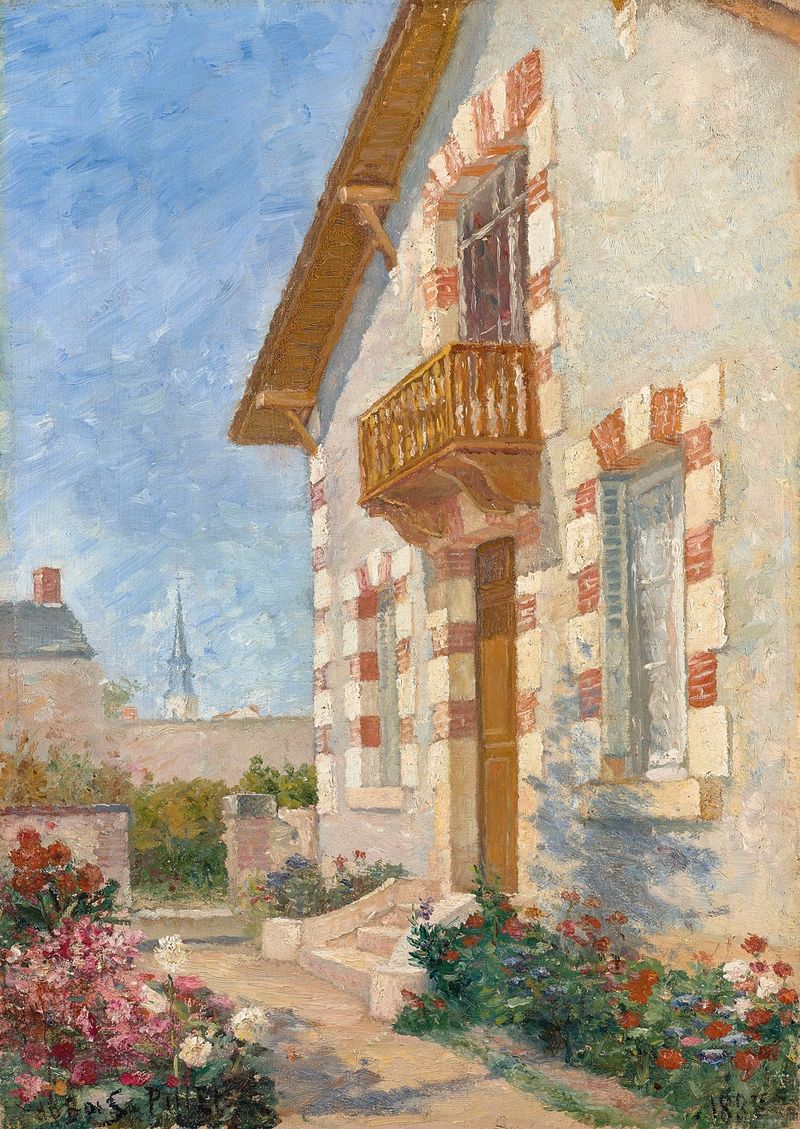
Maison de M.B. à Seur
Albert Dubois-Pillet

Le Puy En Hiver
Albert Dubois-Pillet
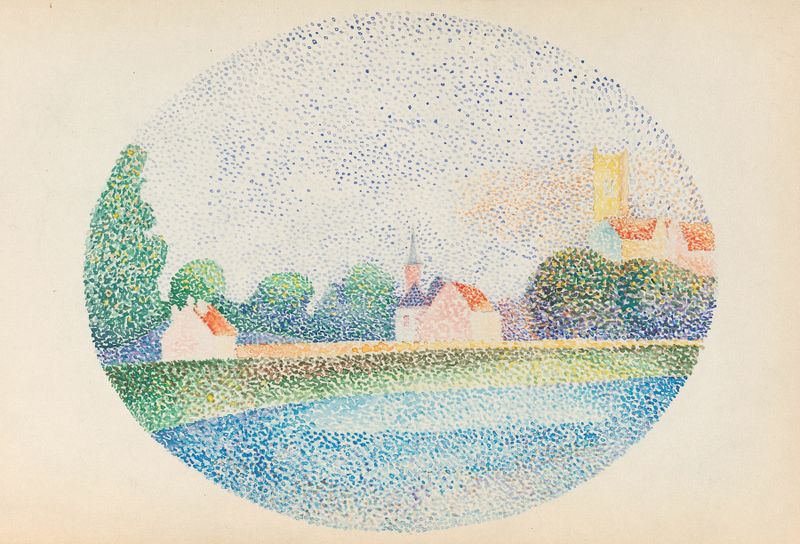
Morning on the Marne at Meaux
Albert Dubois-Pillet

Trois Péniches Amarées Aux Abords D’une Ville Industrielle
Albert Dubois-Pillet
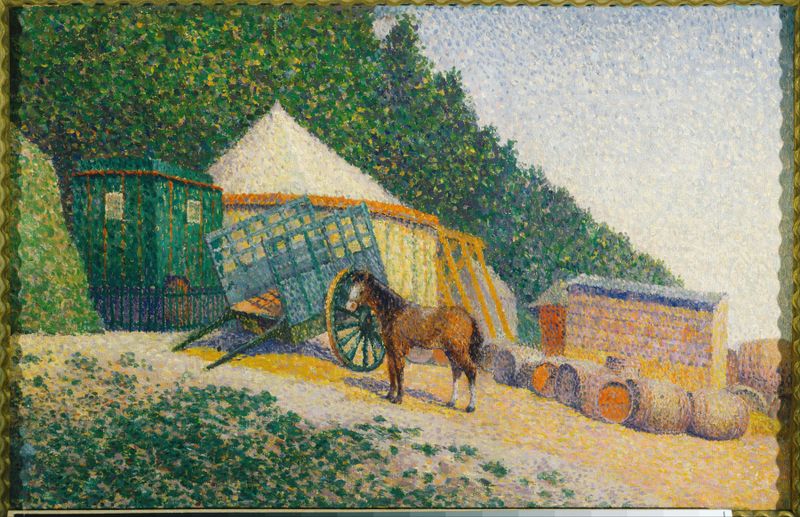
Little Circus Camp
Albert Dubois-Pillet





