
Little Circus Camp — History & Facts
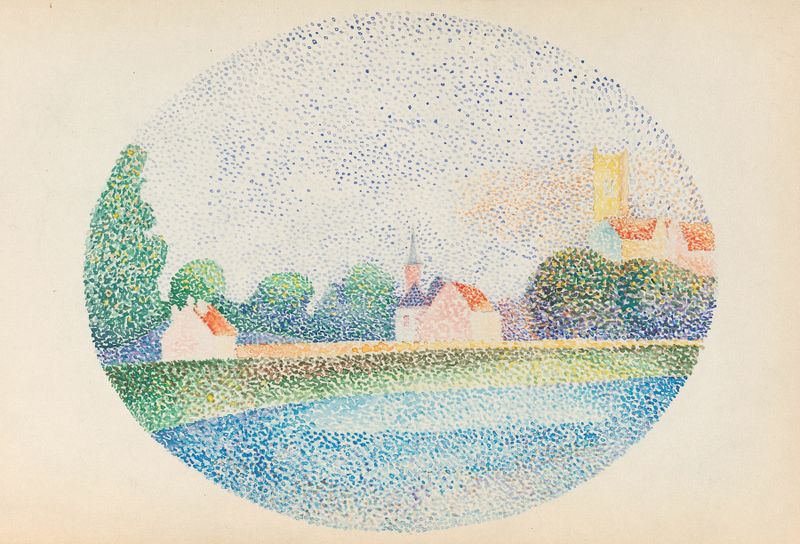
What if silence could speak through light? In Little Circus Camp, the interplay of hue and shadow invites the viewer into an atmosphere of profound stillness, where emptiness resonates. Look to the center of the canvas, where a tent stands solemnly against the muted backdrop. The muted pastels, particularly the soft yellows and gentle blues, evoke a dawning light that bathes the scene in ethereal calm. Notice how the brushwork creates a sense of movement in the folds of the canvas, yet the absence of figures instills a palpable longing.
Every color choice seems deliberate, as if each shade is whispering stories of laughter and life left behind. Deeper within this seemingly serene tableau, the emptiness becomes a poignant character. The tent’s welcoming appearance contrasts with the desolation of the surrounding landscape, suggesting a fleeting moment in the life of a circus that once thrived. The gentle gradient of colors may symbolize the passage of time, inviting reflections on nostalgia and the impermanence of joy.
Here, the silence speaks volumes of the abandonment and yearning that linger in the air. Created during a period of artistic exploration, Dubois-Pillet painted this piece around the late 1880s, amidst the rise of Impressionism. Working in France, he was deeply influenced by the movement's emphasis on atmosphere and light. The artistic world was buzzing with new ideas, yet this work stands out for its haunting stillness, revealing a tension between the vibrant life of the circus and the quietude of an empty camp.
More Artworks by Albert Dubois-Pillet
Browse all →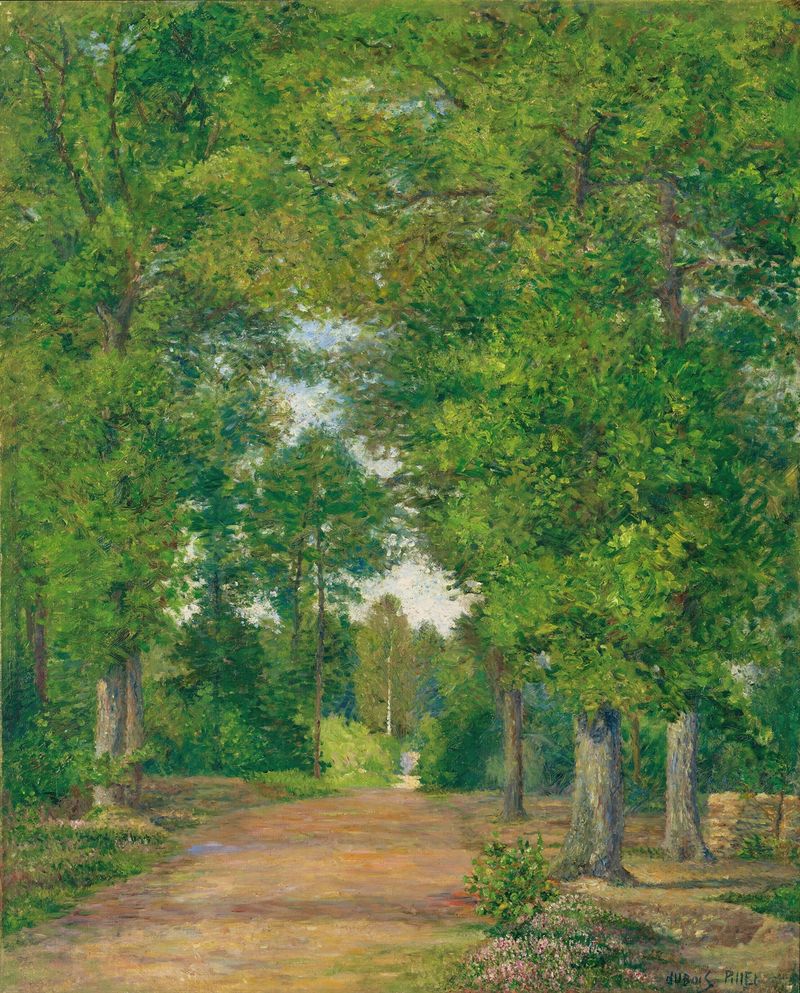
Paysage de forêt
Albert Dubois-Pillet
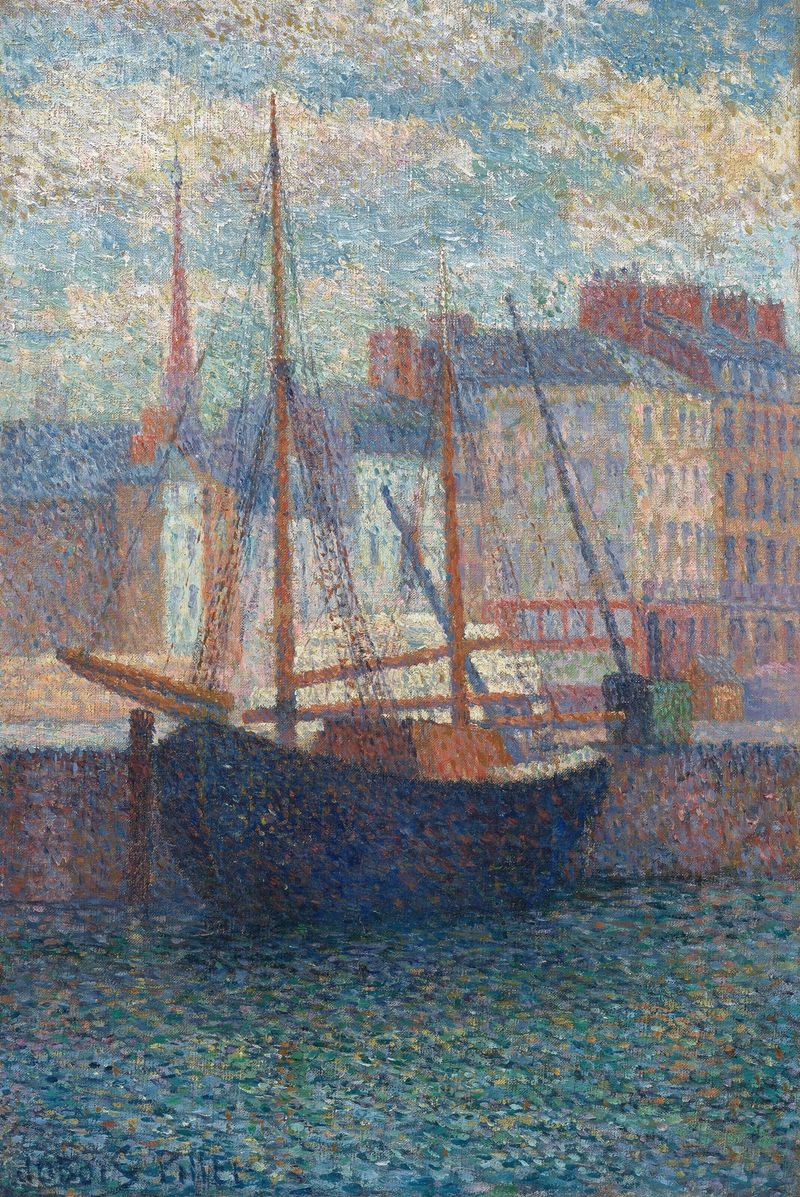
Voilier à quai
Albert Dubois-Pillet
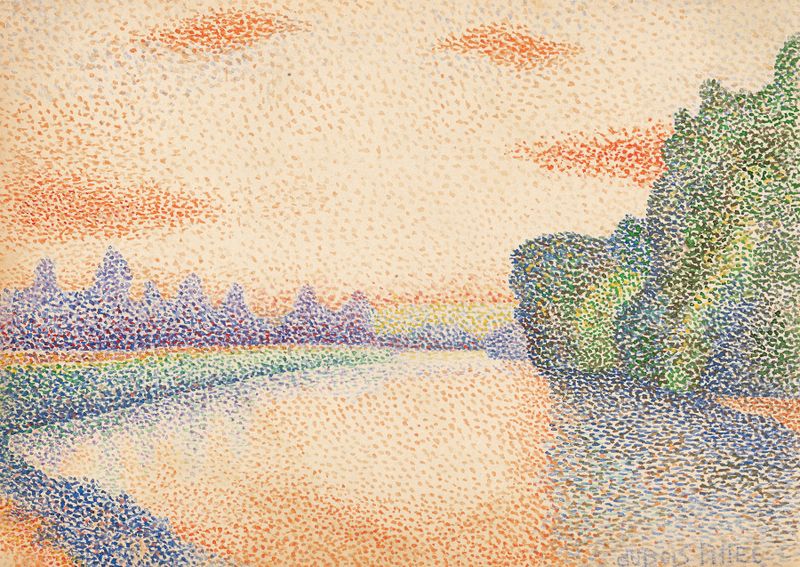
The Banks of the Marne at Dawn
Albert Dubois-Pillet
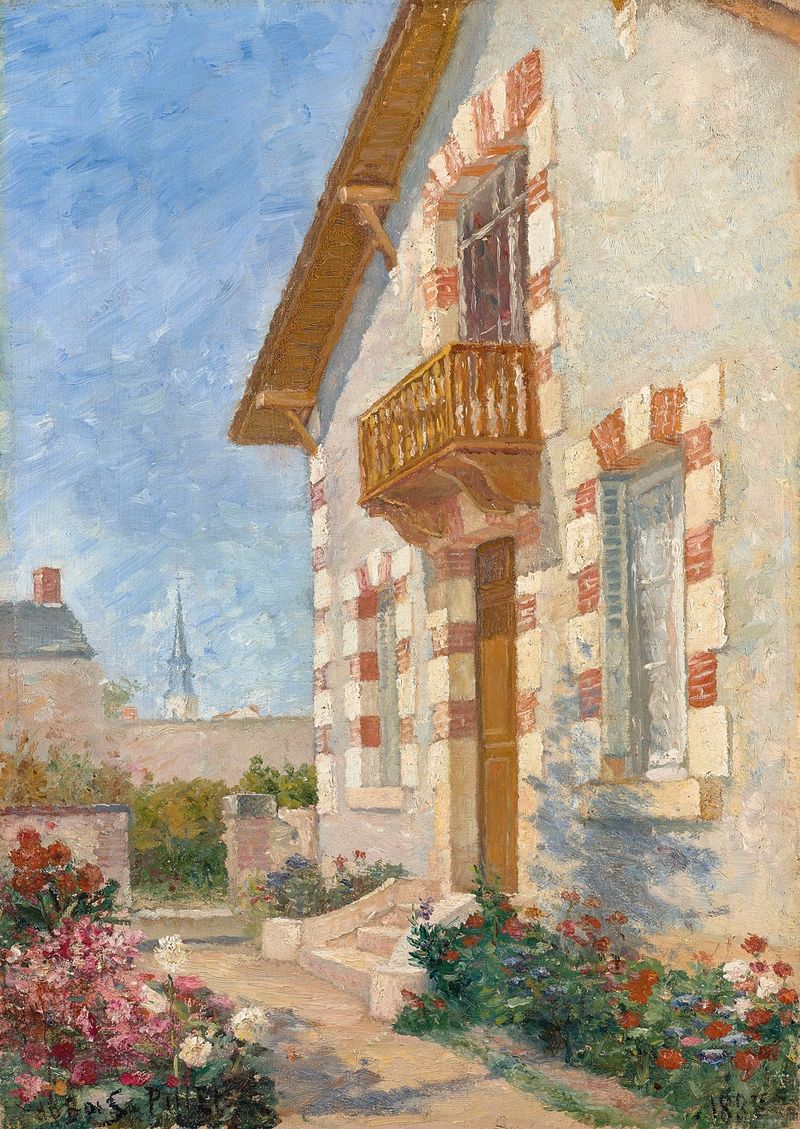
Maison de M.B. à Seur
Albert Dubois-Pillet

Le Puy En Hiver
Albert Dubois-Pillet
Morning on the Marne at Meaux
Albert Dubois-Pillet

Trois Péniches Amarées Aux Abords D’une Ville Industrielle
Albert Dubois-Pillet





