
The Banks of the Marne at Dawn — History & Facts
Could a single brushstroke hold eternity? In The Banks of the Marne at Dawn, serenity washes over the canvas, inviting contemplation and quiet reflection, as if time itself pauses to bask in the dawn’s embrace. Look to the lower left corner, where soft hues of lavender and pale gold mingle with the gentle ripples of the water. The delicate application of paint captures a moment when the first light kisses the surface, creating a shimmering pathway into the distance. Notice how the trees frame the scene, their silhouettes stark against the awakening sky, guiding your gaze across the tranquil landscape.
The artist's choice of pastel colors evokes a sense of calm, while the fluid brushwork conveys the ephemeral beauty of dawn. Within the quietude of this artwork lies a juxtaposition between the stillness of nature and the inevitability of change. The tranquil waters reflect the sky’s vibrant palette, symbolizing the duality of life—where beauty hovers fleetingly at the brink of day. The seemingly simple scene encapsulates a profound stillness, reminding us of moments often overlooked.
Each brushstroke is intentional, revealing the artist's longing to capture the transient beauty of dawn that resonates with the deeper currents of existence. Created around 1888, this piece reflects Dubois-Pillet's involvement in the Impressionist movement as it embraced new techniques and the exploration of light. He painted this work during a time of significant artistic experimentation in France, where artists were moving away from traditional forms to capture the fleeting nature of reality. It is a testament to both his technical prowess and the broader cultural shift towards capturing the essence of a moment in time.
More Artworks by Albert Dubois-Pillet
Browse all →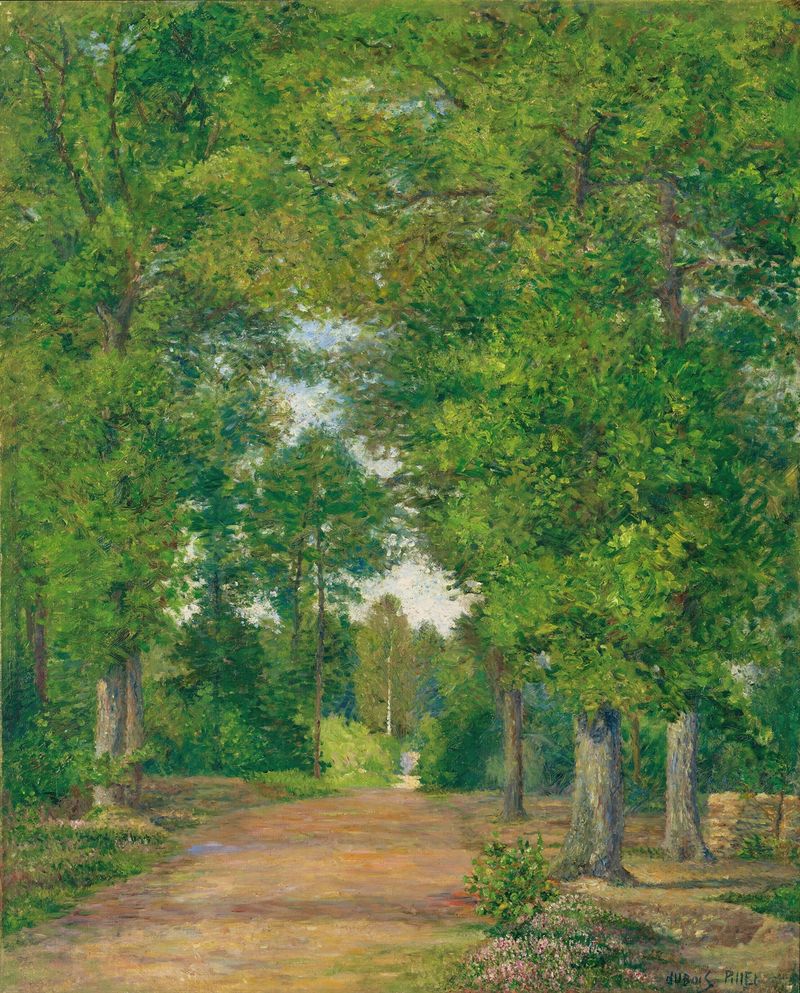
Paysage de forêt
Albert Dubois-Pillet
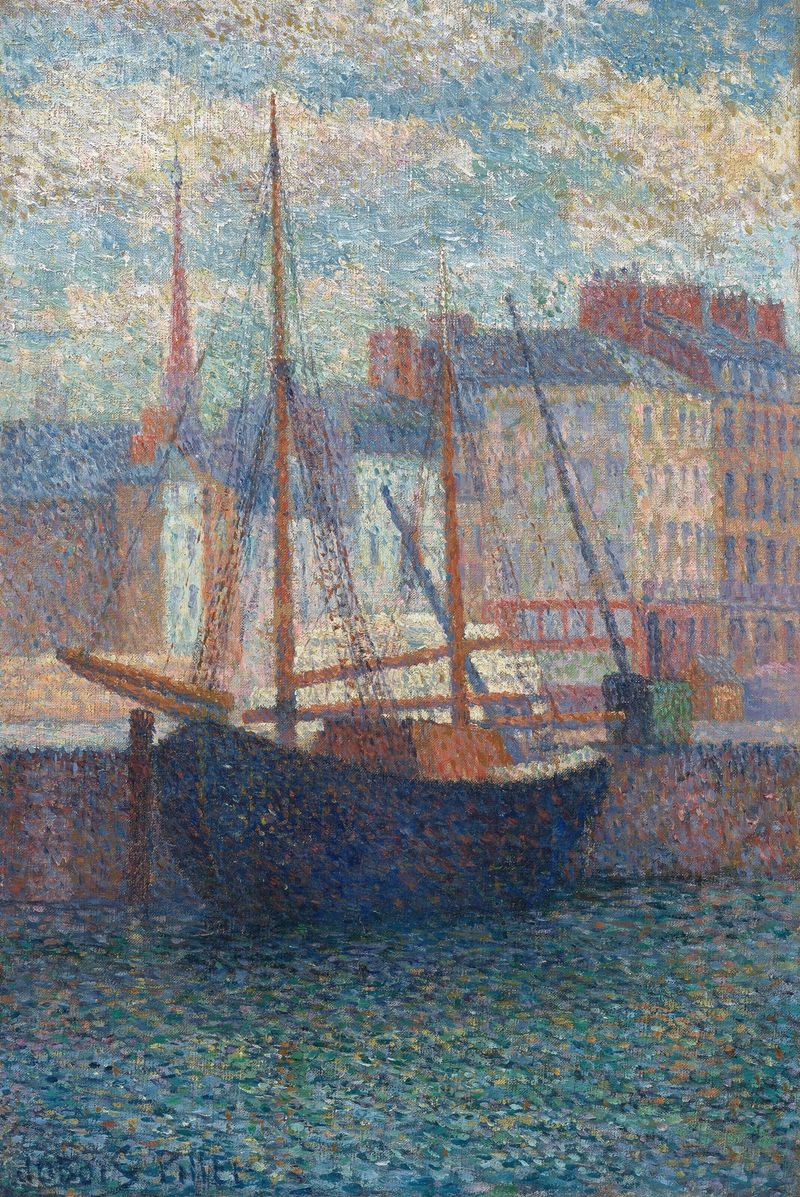
Voilier à quai
Albert Dubois-Pillet
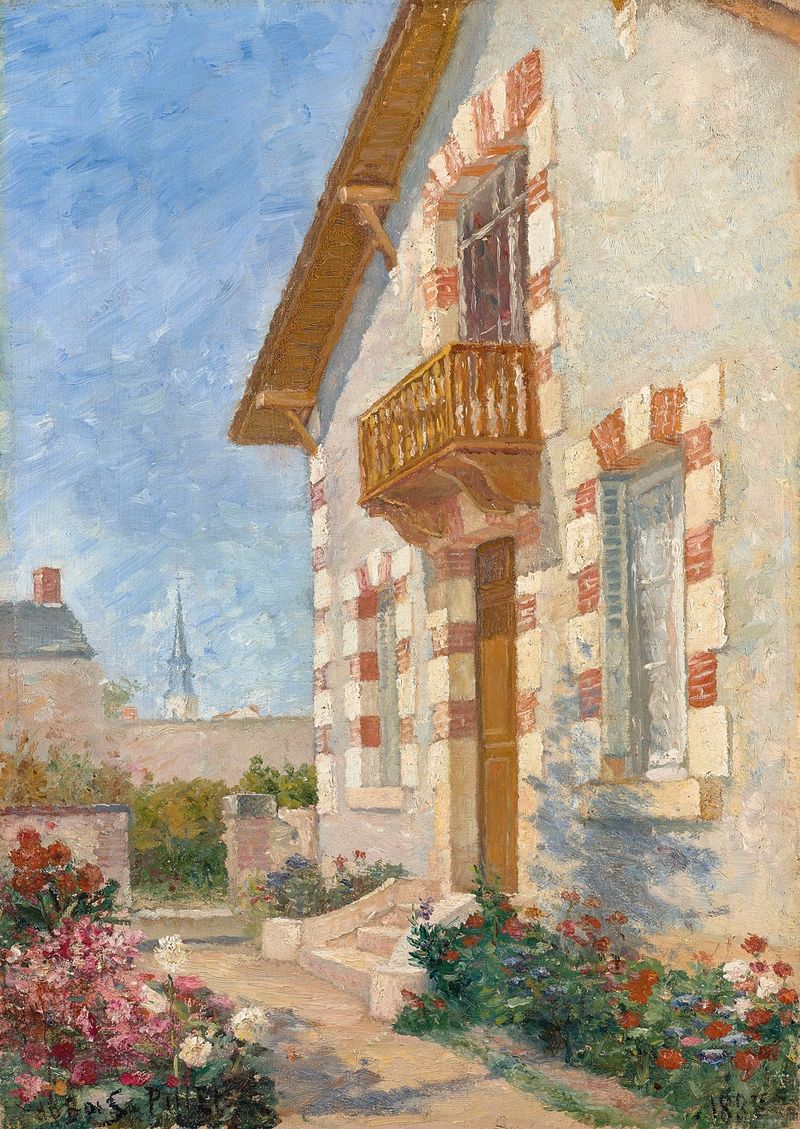
Maison de M.B. à Seur
Albert Dubois-Pillet

Le Puy En Hiver
Albert Dubois-Pillet
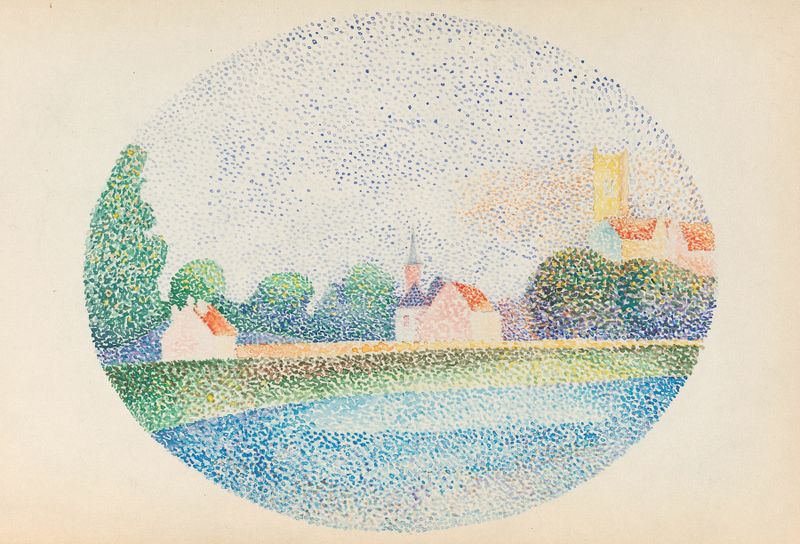
Morning on the Marne at Meaux
Albert Dubois-Pillet

Trois Péniches Amarées Aux Abords D’une Ville Industrielle
Albert Dubois-Pillet
Little Circus Camp
Albert Dubois-Pillet





