
Morning on the Marne at Meaux — History & Facts
In the stillness of dawn, where whispers of light just touch the surface of the water, grief lingers like a heavy fog, infused into the very essence of the landscape. Look to the right at the soft, glimmering reflections on the Marne River, where shades of blue and silver dance under a gentle morning light. Notice how the horizon is softly outlined in muted pastels, inviting the viewer's gaze to wander while the trees frame the scene with their delicate silhouettes. The brushstrokes, both loose and intentional, create a serene yet palpable tension, as if the world is suspended in a moment of quiet introspection. Beneath the tranquil exterior lies a profound sense of loss.
The methodical brushwork that captures the water's surface hints at a turbulent undercurrent, suggesting memories of a past that haunt the present. The solitary figure in the distance, dwarfed by the expansive landscape, symbolizes isolation—a reminder of the human experience wrestling with its own fragility. The interplay of light and shadow speaks to the quiet sorrow that often accompanies the dawn, a time of renewal that paradoxically acknowledges what has been lost. In 1885, Dubois-Pillet painted this work while living in France during a period marked by both artistic experimentation and personal turmoil.
Impressionism was gaining traction, influencing his use of color and light. As he navigated his own sorrows, perhaps stemming from loss or disappointment, Morning on the Marne at Meaux became an expression not only of the beauty of nature but also of the heartache that lies beneath the surface.
More Artworks by Albert Dubois-Pillet
Browse all →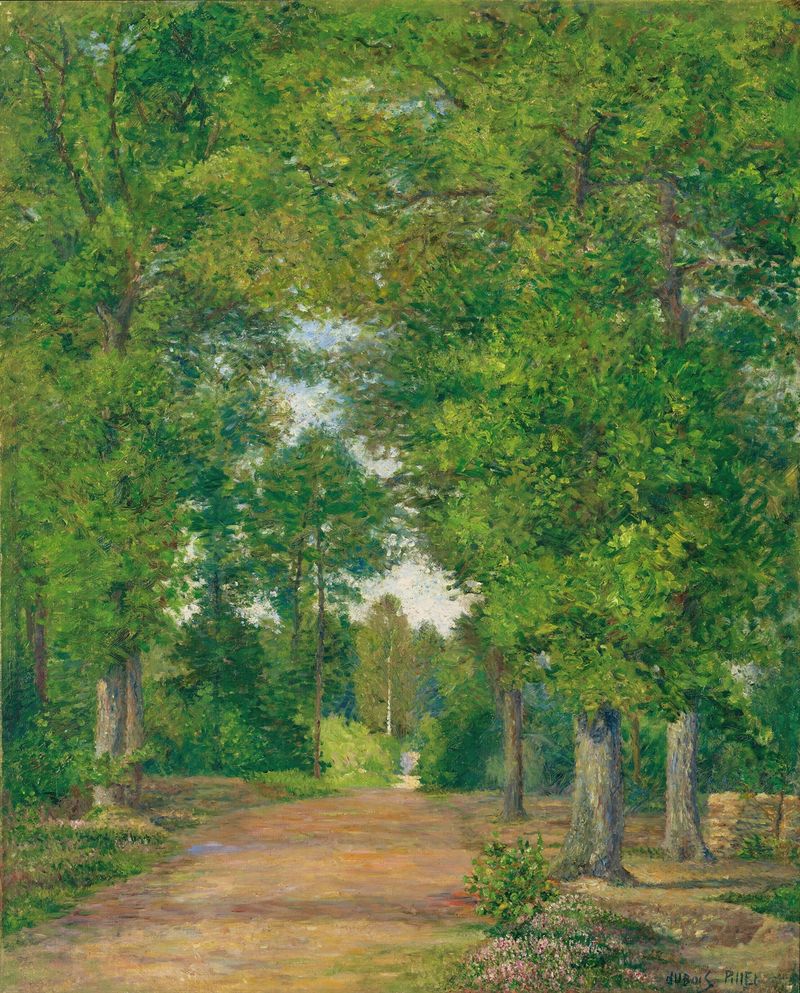
Paysage de forêt
Albert Dubois-Pillet
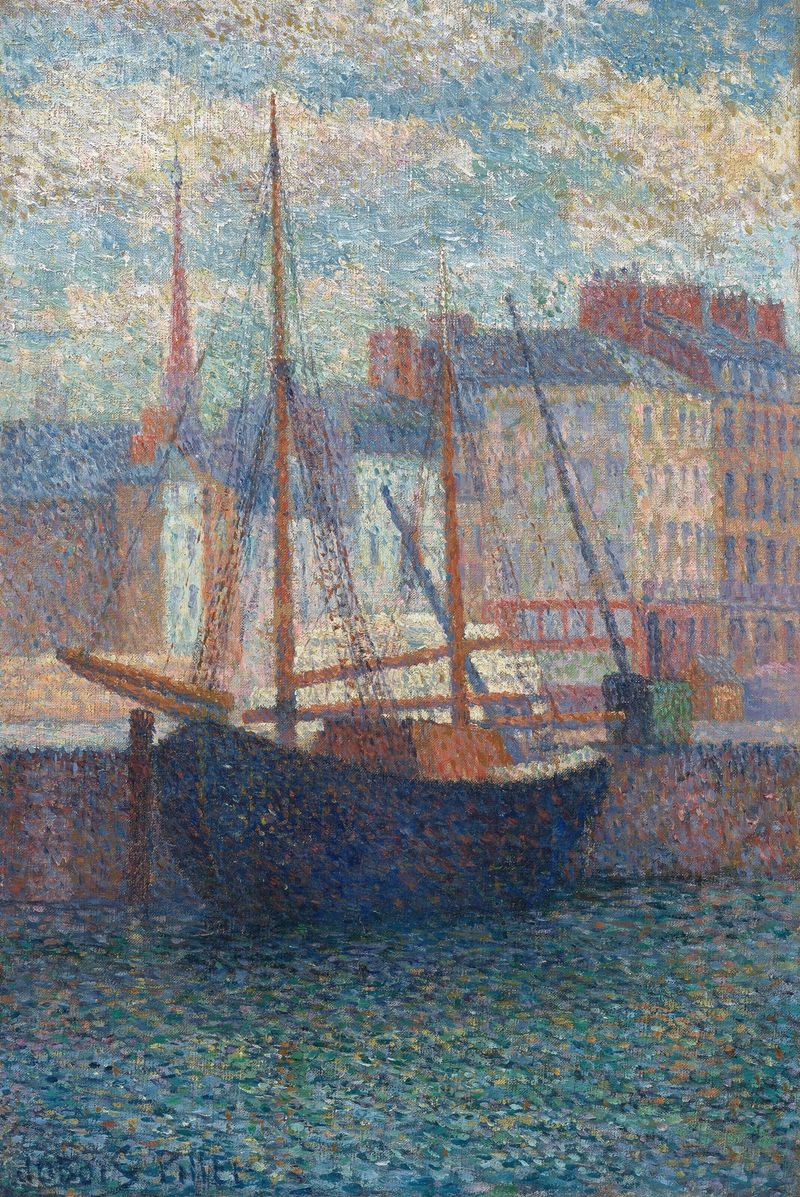
Voilier à quai
Albert Dubois-Pillet

The Banks of the Marne at Dawn
Albert Dubois-Pillet
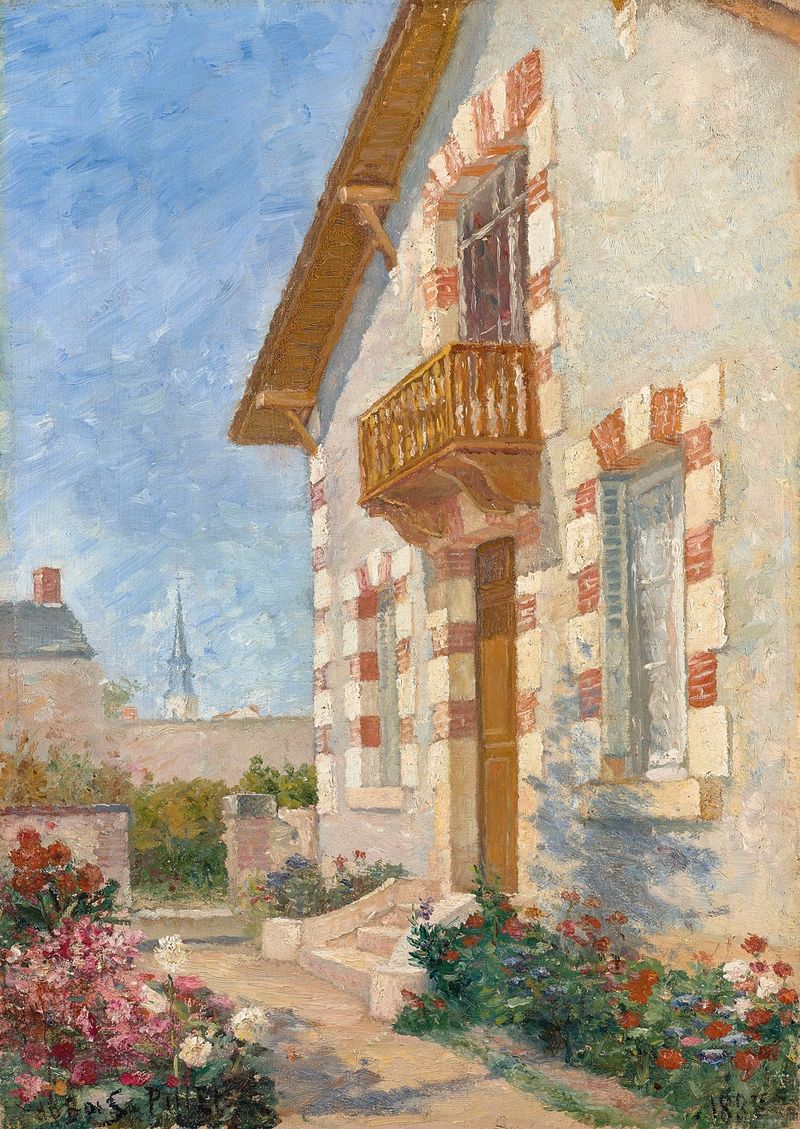
Maison de M.B. à Seur
Albert Dubois-Pillet

Le Puy En Hiver
Albert Dubois-Pillet

Trois Péniches Amarées Aux Abords D’une Ville Industrielle
Albert Dubois-Pillet
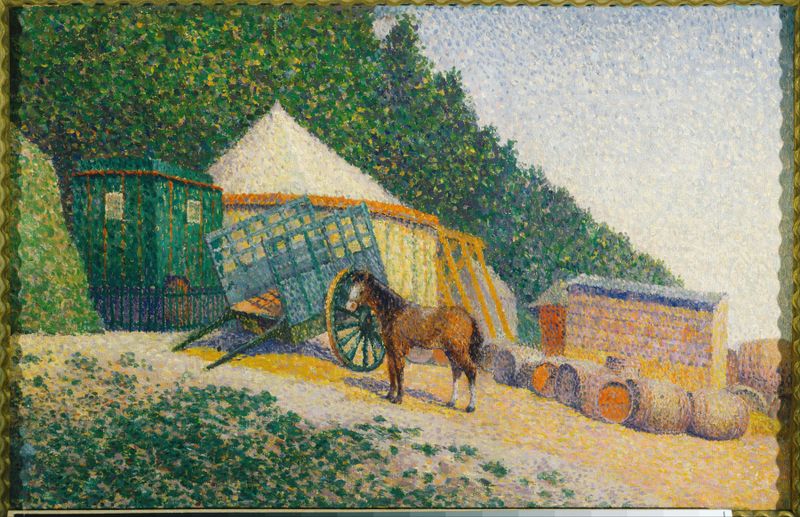
Little Circus Camp
Albert Dubois-Pillet





