
Le quai de la Croix Blanche, Saint Mammès — History & Facts
In the delicate interplay of color and light, longing finds its voice, echoing the deep emotions of places once cherished and the memories they cradle. Look to the left at the gentle waves rippling against the dock, each brushstroke capturing the soft caress of the water. Notice how Montézin employs a muted palette, the blues and greens blending seamlessly to evoke a sense of tranquility. The lively brushwork draws your eye toward the quaint houses lining the shore, their reflections dancing in the water, mirroring both the beauty and the transience of this serene moment. Yet, beneath this picturesque tableau lies an undercurrent of nostalgia.
The absence of figures invites contemplation on solitude and the passage of time, creating an emotional connection that lingers long after viewing. The vibrant strokes of light filtering through the clouds hint at a fleeting joy, suggesting that each beautiful day holds within it the shadows of what is lost, a reminder of the inevitable change in all things. In 1935, Montézin worked from his studio in Paris, amidst a rapidly changing artistic landscape. This period saw the rise of modernism and a departure from traditional representation, yet his love for impressionism remained steadfast.
As Europe grappled with political tensions and uncertainty, he turned to the calming landscapes of the French countryside, seeking solace in the beauty of a world that, like his brushstrokes, was ever-evolving but also achingly nostalgic.
More Artworks by Pierre-Eugène Montézin
Browse all →
Chaumières aux fenêtres et volets tourquoises
Pierre-Eugène Montézin

Quai à Saint-Mammes
Pierre-Eugène Montézin
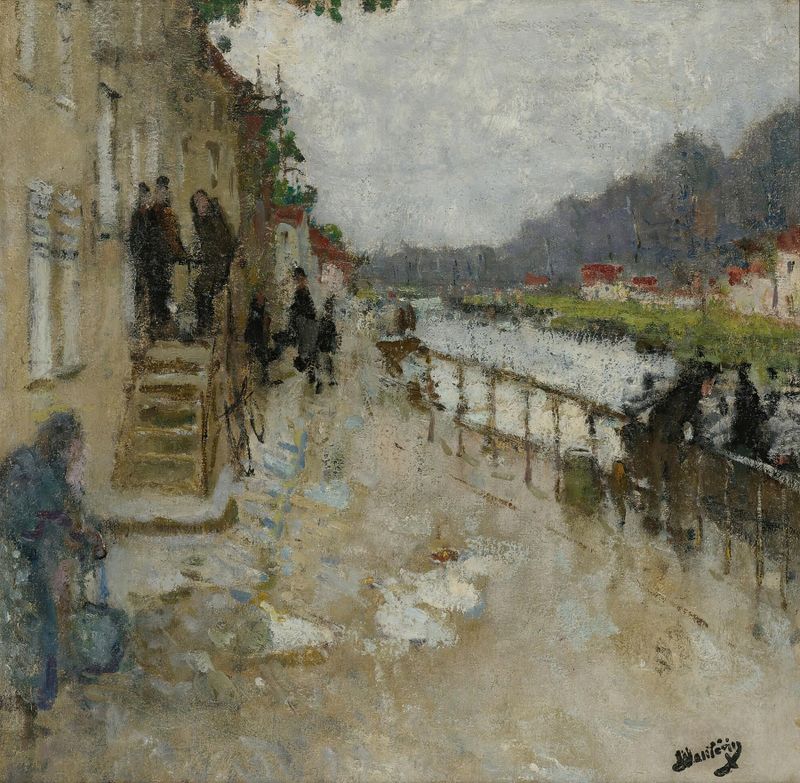
Bord De Canal À Saint-Mammès
Pierre-Eugène Montézin
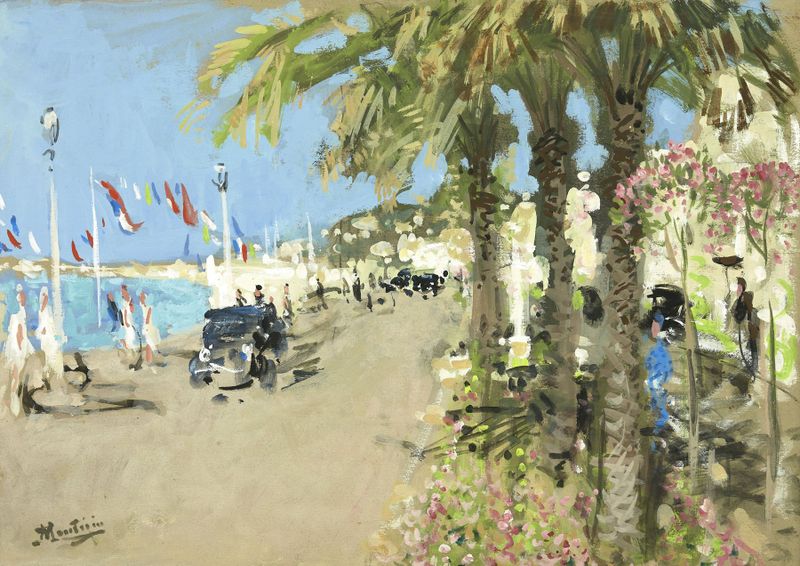
La promenade des Anglais, Nice
Pierre-Eugène Montézin
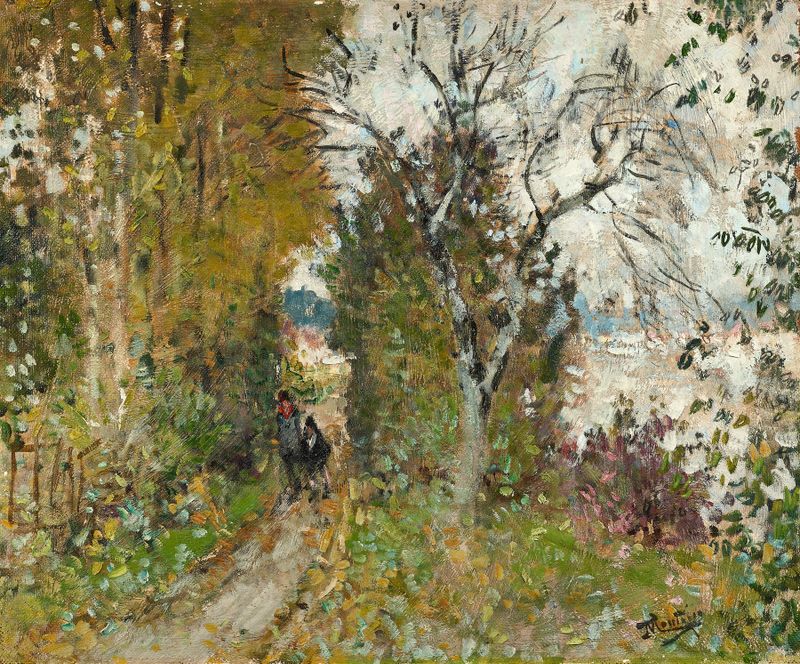
Promenade au bord de l’eau
Pierre-Eugène Montézin

Verger en fleurs
Pierre-Eugène Montézin

Misy Sur Yonne
Pierre-Eugène Montézin
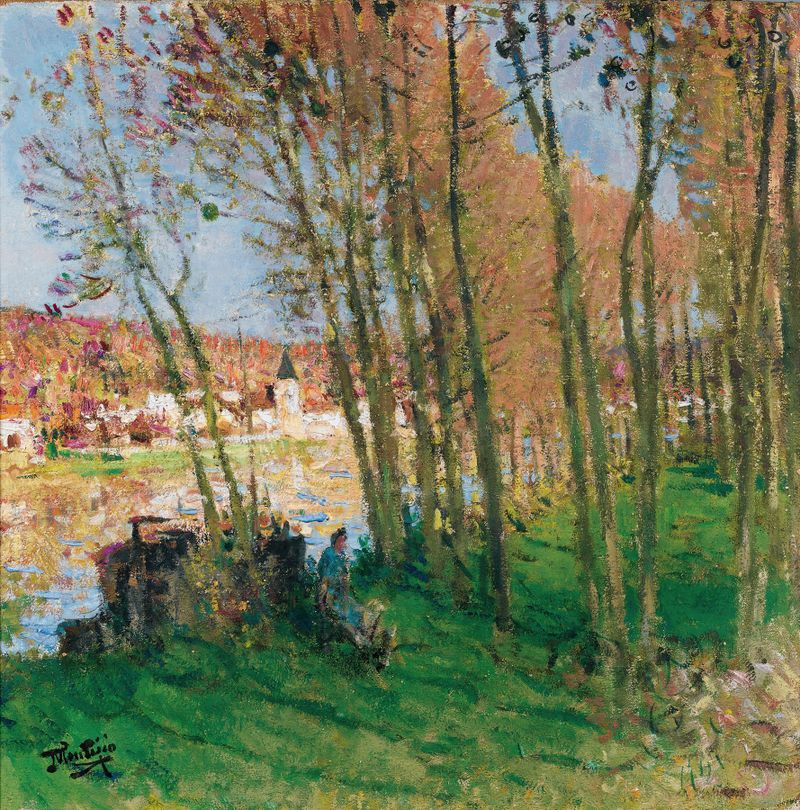
Bord De L’eau
Pierre-Eugène Montézin

La Seine à St. Monance
Pierre-Eugène Montézin

L’entrée Du Village
Pierre-Eugène Montézin





