
Le quai des esclaves, Venise — History & Facts
Did the painter know this moment would outlive them? In the brushstrokes of Le quai des esclaves, Venise, melancholy dances gracefully through time, revealing a narrative that resonates beyond its canvas. Look to the left at the figures huddled together, their expressions a poignant mix of hope and despair. The warm hues of ochre and burnt sienna evoke the sun-drenched stone of Venice, while shadows creep like whispers around their forms. Notice how the water mirrors the sky, blurring the lines between reality and reflection, encapsulating the essence of longing that permeates the scene.
Each stroke composes a story of displacement and desire, drawing the viewer’s eye towards the distant horizon, where the light fades slowly, hinting at the transience of freedom. Delve deeper into the work, and you will find subtle contrasts: the vibrancy of the marketplace versus the stillness of the enslaved souls. The bustling life of Venice on the surface starkly contrasts with the silent cries of those trapped in their circumstances, amplifying the emotional weight of the piece. The artist captures a moment that transcends the temporal, hinting at the cyclical nature of suffering and hope, leaving an indelible mark on the viewer’s heart. Created during an uncertain period in the mid-19th century, the artist painted this scene amidst a backdrop of social change and emerging realism in art.
Ziem's works often reflected the dualities of beauty and hardship, mirroring the complexity of Venice itself, a city steeped in history yet grappling with modernity. As he navigated his own artistic journey, he revealed both the splendor and the sorrow of life along the canals.
More Artworks by Félix Ziem
Browse all →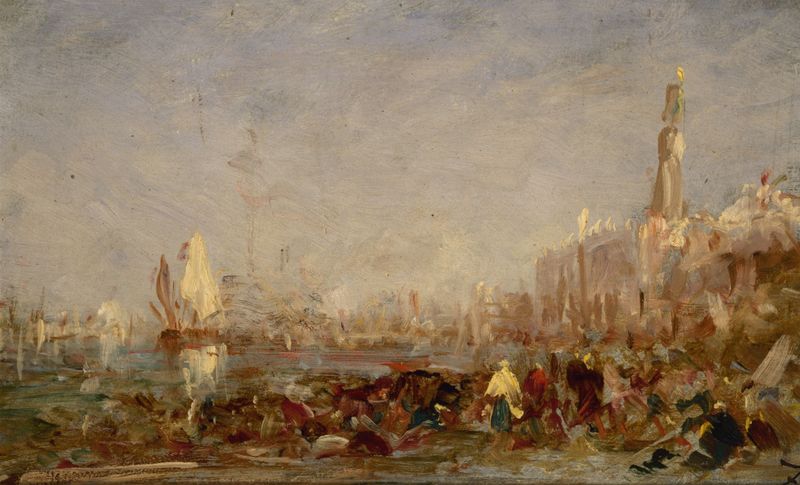
Venise
Félix Ziem
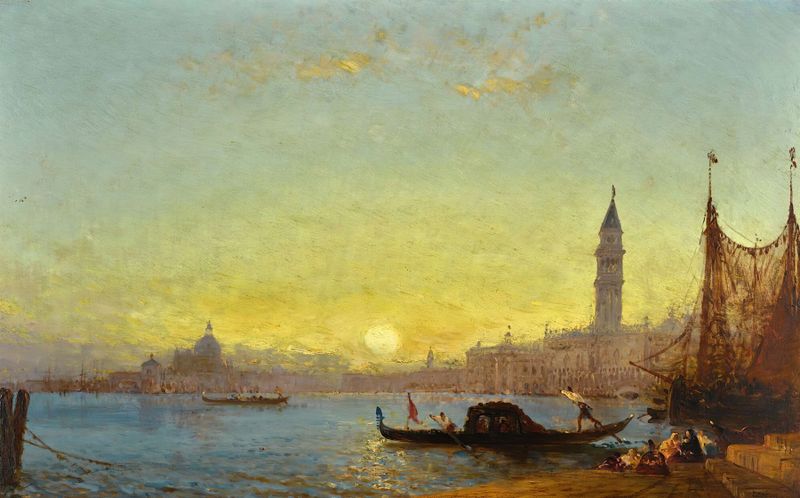
Coucher De Soleil À Venise
Félix Ziem
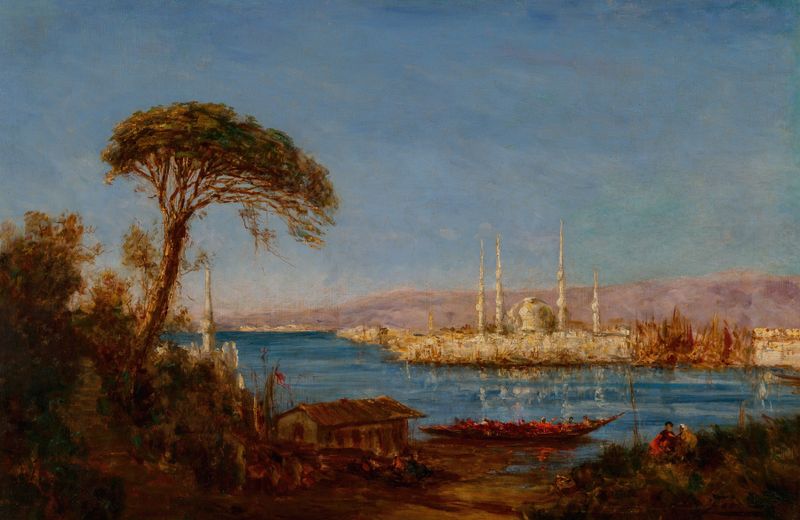
Constantinople
Félix Ziem
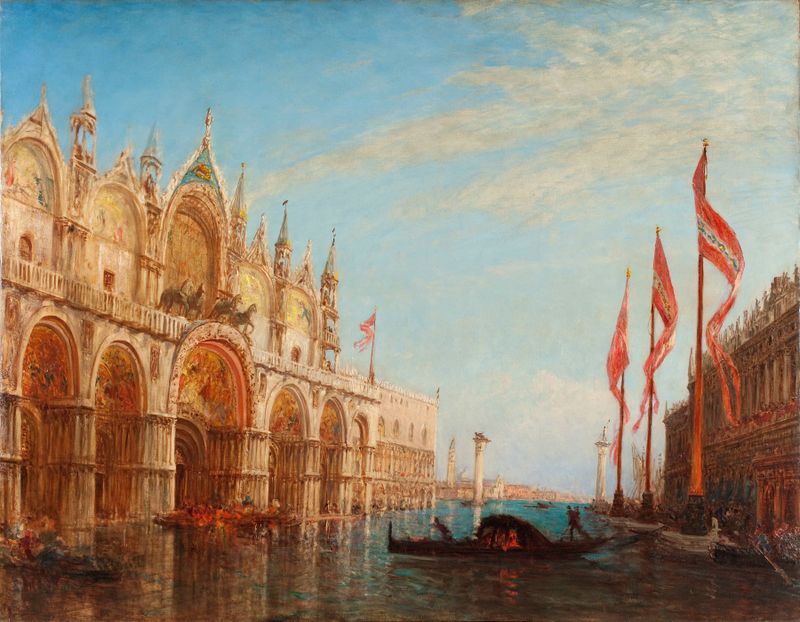
La place Saint-Marc, inondation de 1863
Félix Ziem
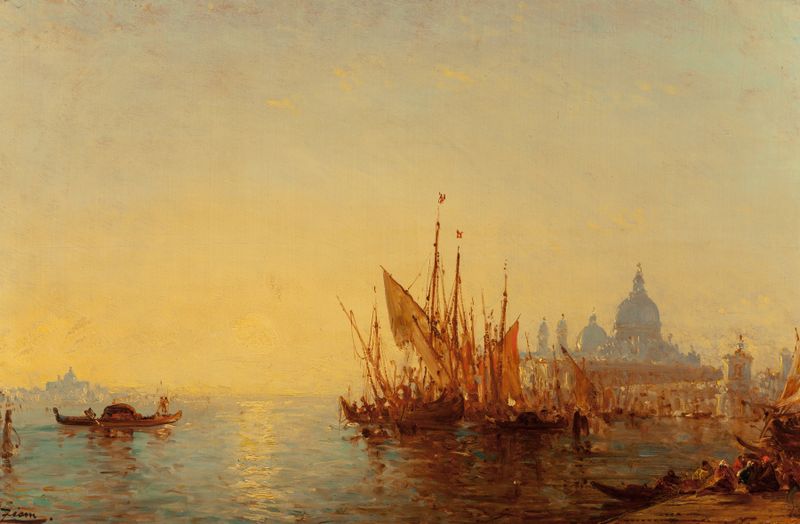
Bacino di San Marco
Félix Ziem
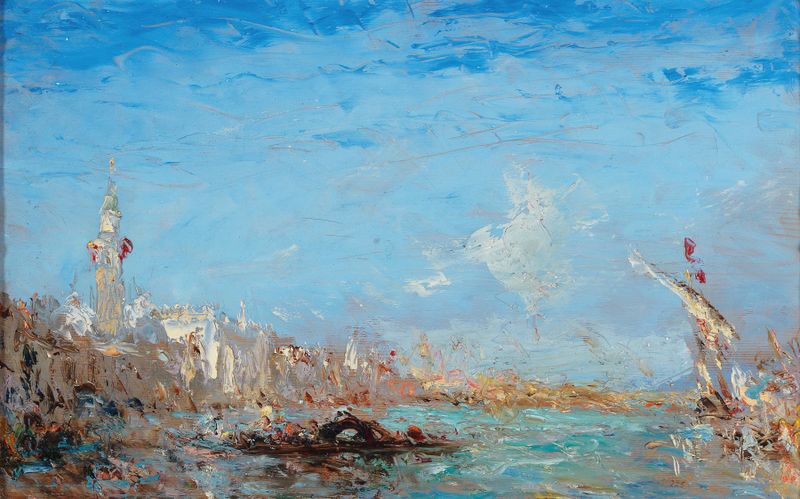
Canal Grande
Félix Ziem
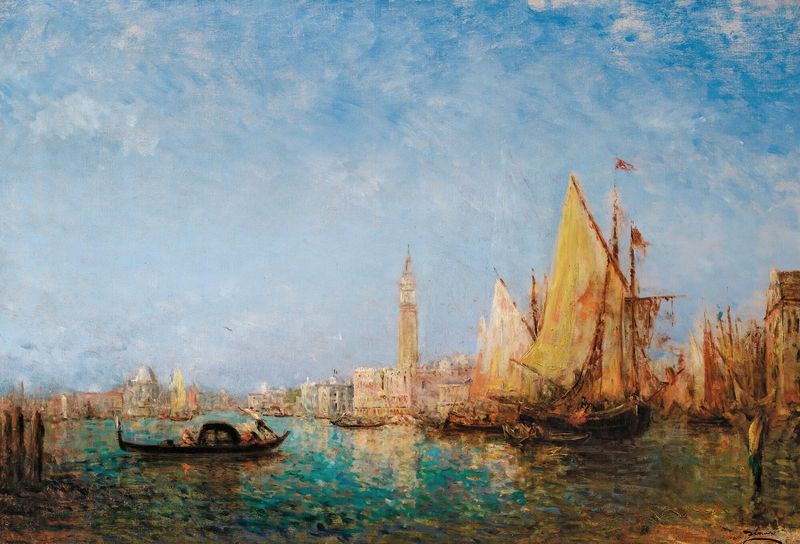
Le Palais Du Doge, Venise
Félix Ziem
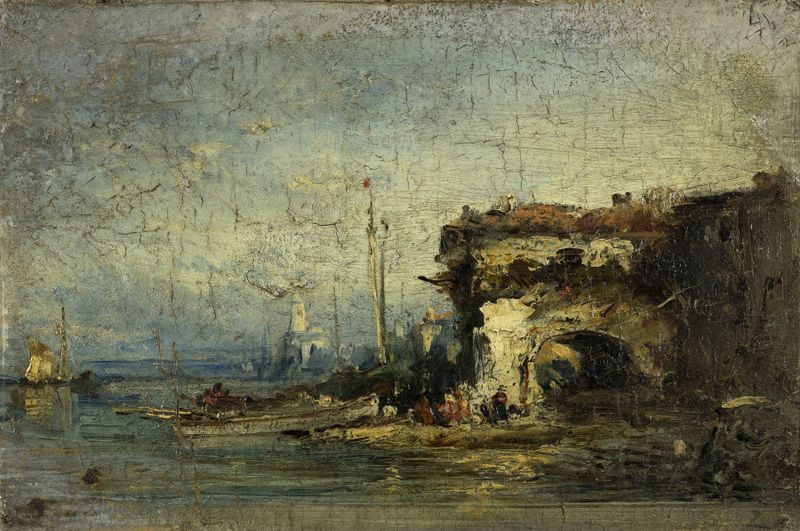
Vue d’Italie; la vieille porte
Félix Ziem
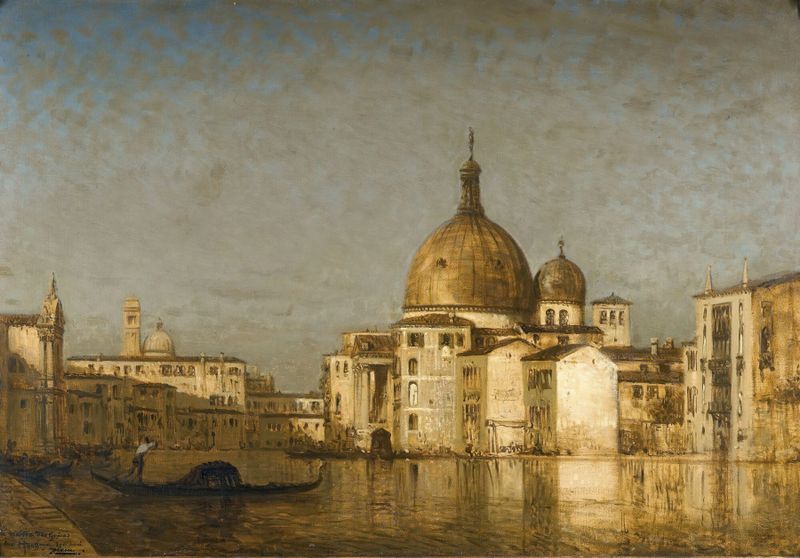
San Simeone Piccolo Au-Delà Du Grand Canal, Venis
Félix Ziem
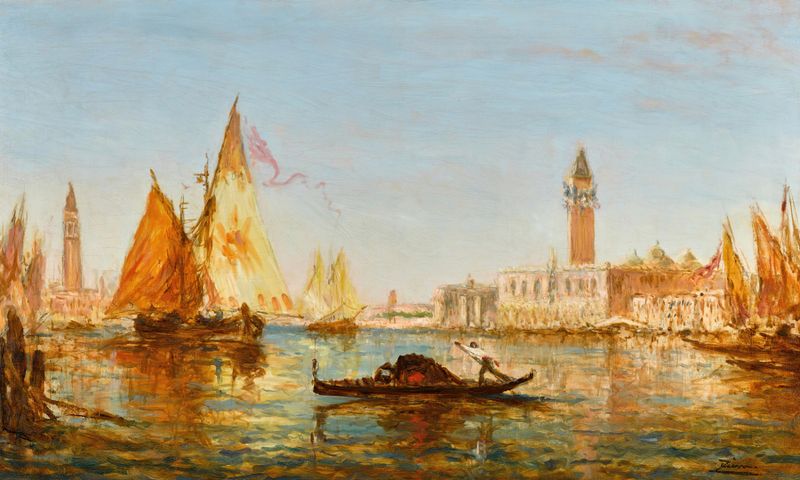
Venise, gondole et voiliers devant le Palais des doges et San Giorgio Maggiore
Félix Ziem





