
Le Rhône Entre Arles Et Avignon — History & Facts
Could beauty survive in a century of chaos? In Le Rhône Entre Arles Et Avignon, the tranquility of the river offers a striking contrast to the tumult of its time. Ziem captures a fleeting moment where nature’s serenity stands resilient against the backdrop of a world teetering on the brink of upheaval. Look to the center of the painting, where the Rhône flows languidly beneath a vast, expressive sky. Notice how Ziem’s brushwork creates a shimmering reflection on the water’s surface, gliding effortlessly into the realm of impressionism.
The palette, rich with deep blues and warm ochres, evokes a sense of peace, while the billowing clouds above hint at an approaching storm, both literally and metaphorically. The horizon stretches invitingly, drawing the eye into the distance where land meets sky, enhancing the painting's depth and sense of infinite space. Within this tranquil scene lie layers of emotional tension and hidden meanings. The juxtaposition of the tranquil river and the tempestuous sky symbolizes the delicate balance between peace and chaos.
The empty expanse suggests a haunting solitude, where one can ponder the vastness of existence, while the distant silhouettes of buildings remind us of human presence—fragile, yet persistent. It’s as if Ziem urges the viewer to contemplate the emptiness around them, finding beauty amidst isolation. Created between 1860 and 1865, this work reflects a pivotal moment in Félix Ziem’s career, as he sought to explore landscapes through an emerging lens of modernity. Living in Paris during a time of artistic revolution, Ziem was influenced by contemporaries who were reshaping the depiction of light and atmosphere.
His ability to intertwine traditional techniques with an evolving artistic vision marks this painting as a significant contribution to the dialogue between beauty and the chaos of the era.
More Artworks by Félix Ziem
Browse all →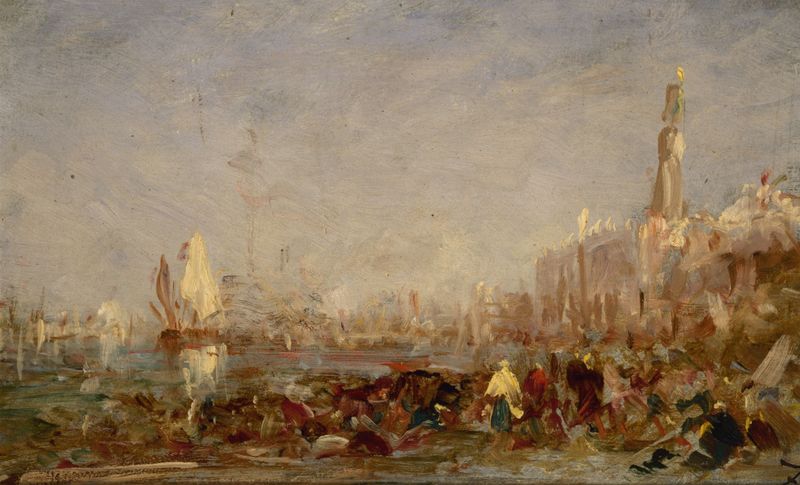
Venise
Félix Ziem
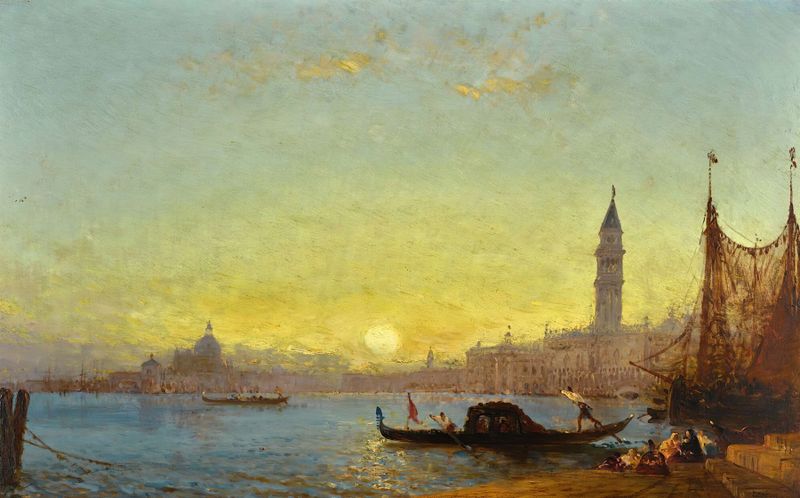
Coucher De Soleil À Venise
Félix Ziem
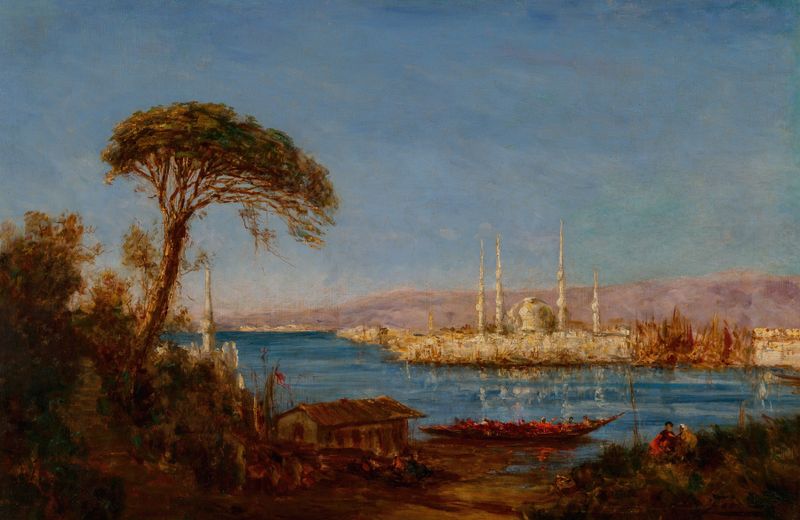
Constantinople
Félix Ziem
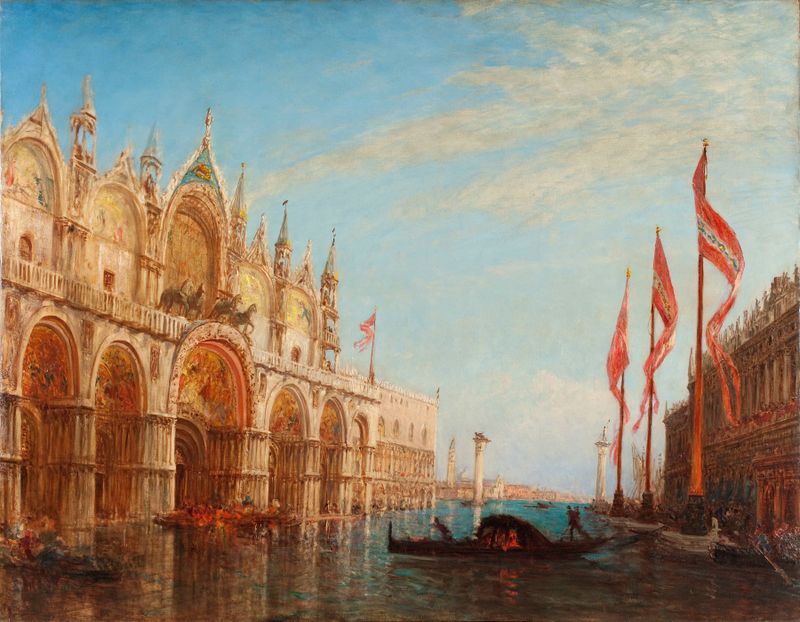
La place Saint-Marc, inondation de 1863
Félix Ziem
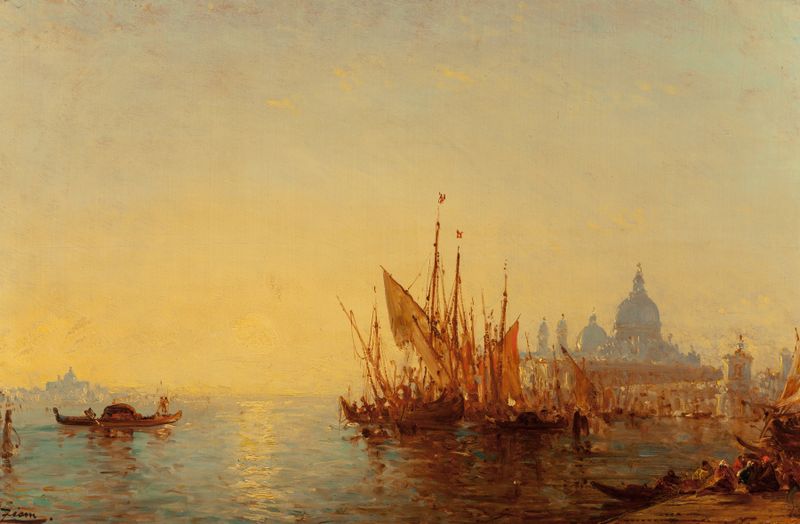
Bacino di San Marco
Félix Ziem
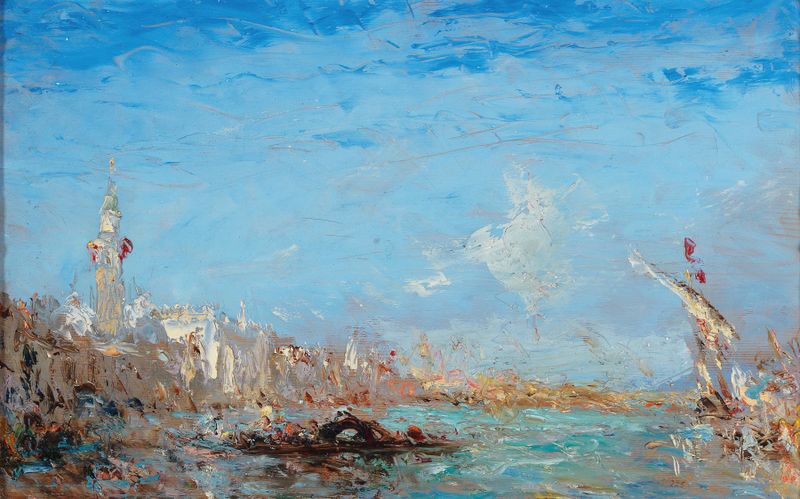
Canal Grande
Félix Ziem
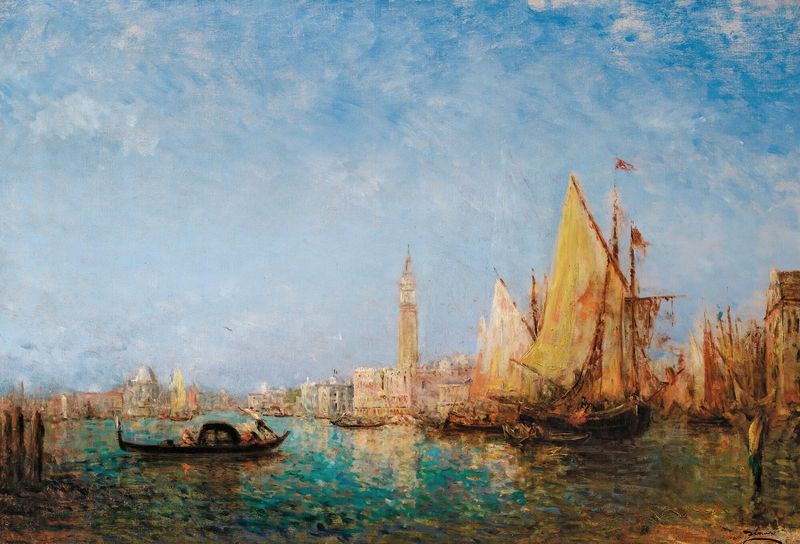
Le Palais Du Doge, Venise
Félix Ziem
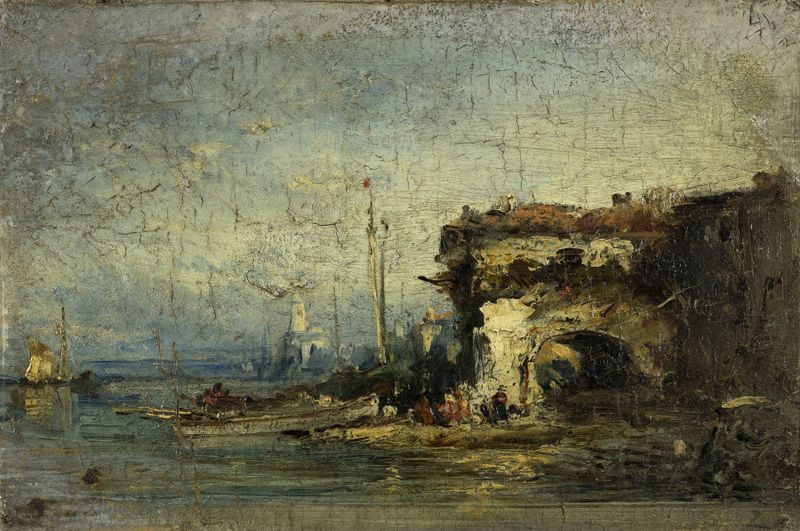
Vue d’Italie; la vieille porte
Félix Ziem
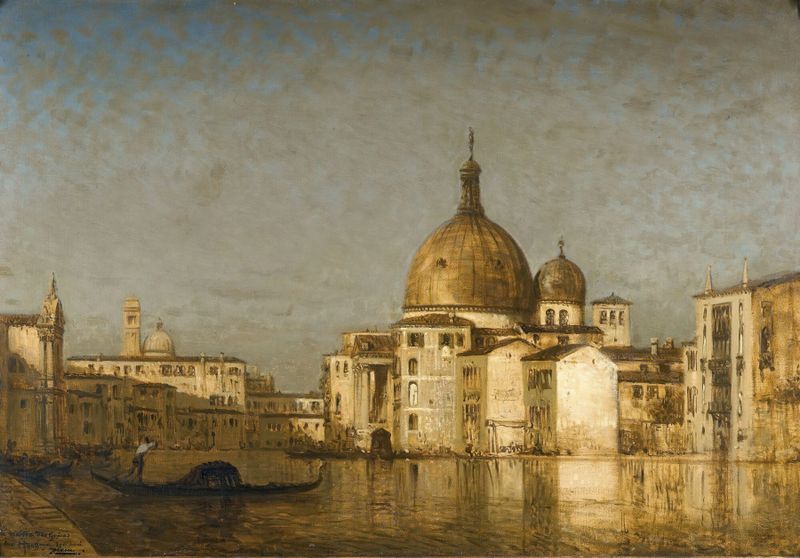
San Simeone Piccolo Au-Delà Du Grand Canal, Venis
Félix Ziem
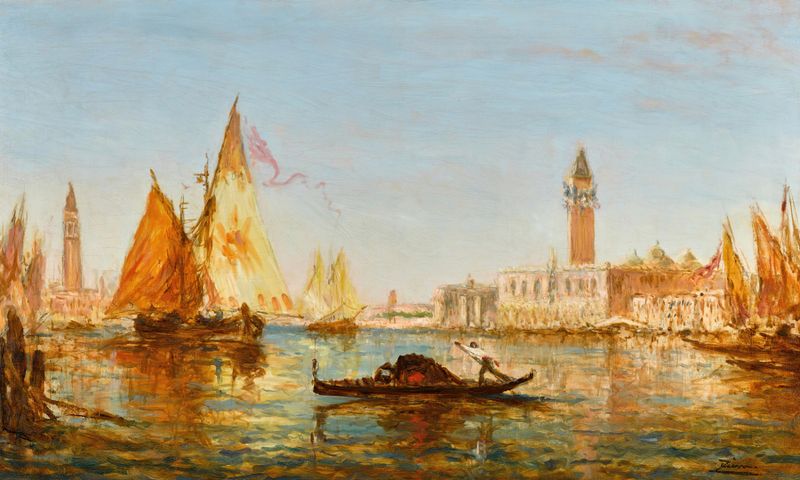
Venise, gondole et voiliers devant le Palais des doges et San Giorgio Maggiore
Félix Ziem





