Le Soir — History & Facts
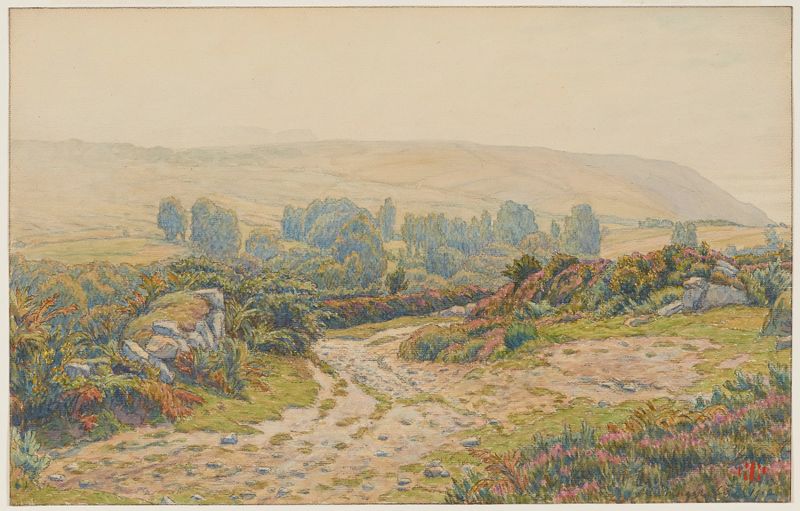
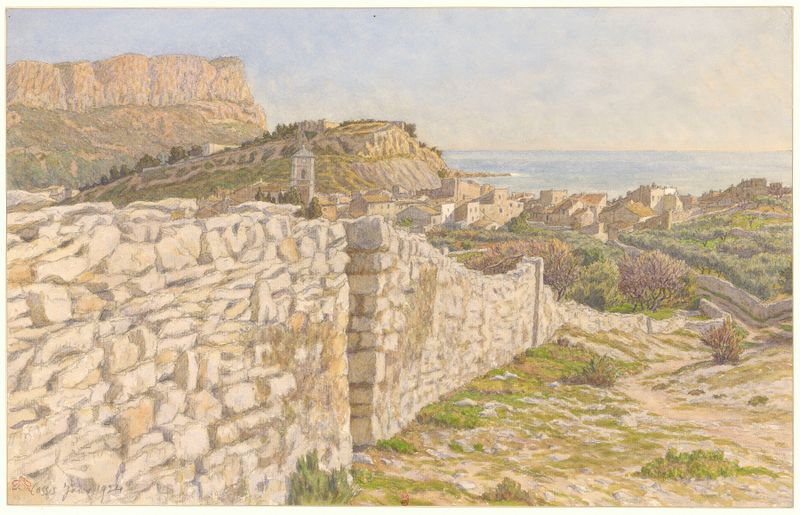
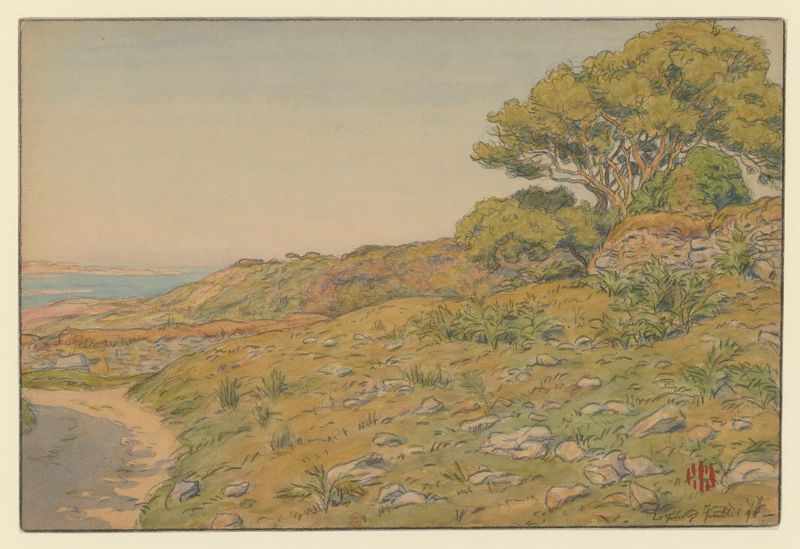
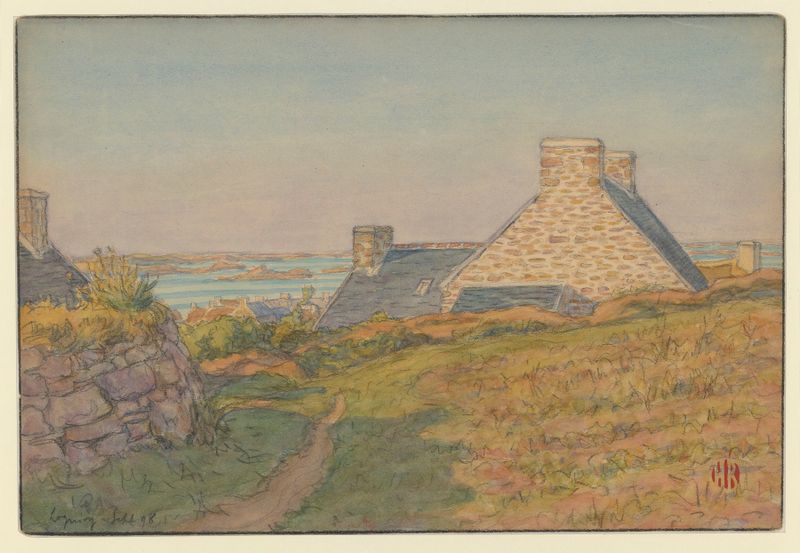
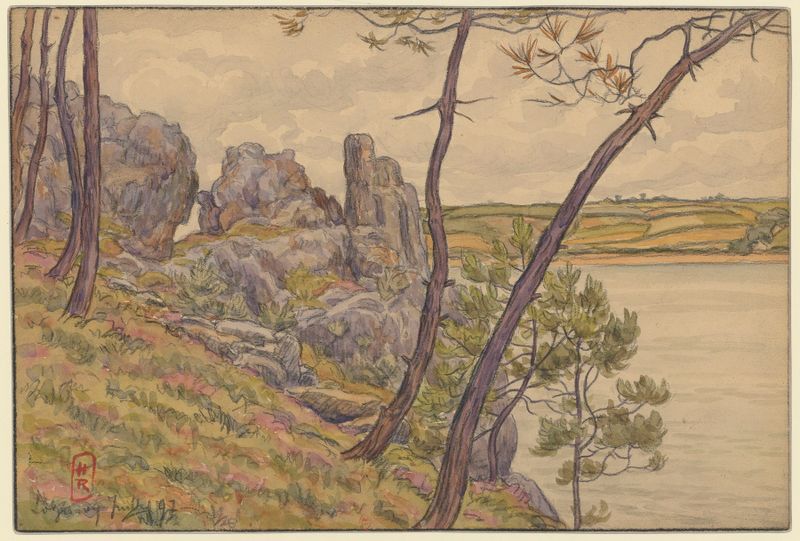
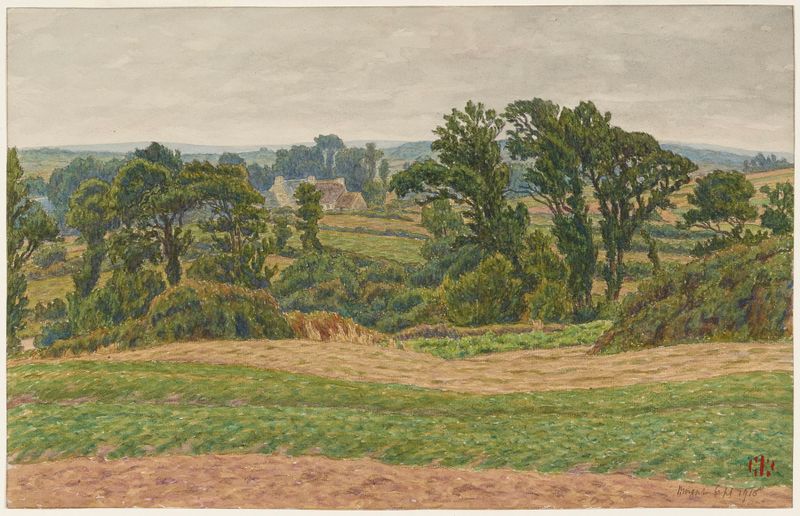
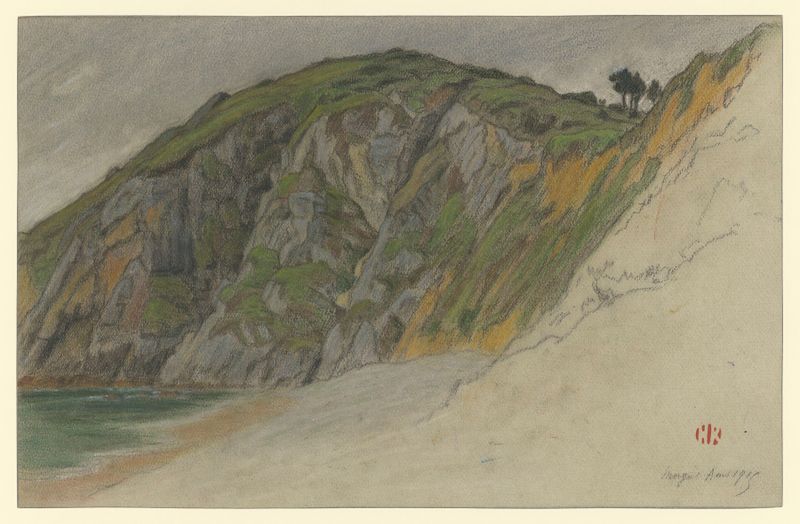
When did color learn to lie? In the delicate interplay of hues and forms, Le Soir unfolds layers of emotion that ripple beneath its surface, inviting a deeper contemplation of movement and stillness. Look to the left, where a gentle cascade of violet and blue brushes the sky, each tone merging seamlessly into the next. Focus on the ethereal silhouettes of the trees, their branches stretching gracefully, creating an intimate frame for the tranquil water below. The reflections shimmer in a dance of light—a mesmerizing interplay of shimmering golds and silvery blues, suggesting a world in quiet motion.
Rivière’s technique, infused with a sense of fluidity, captures the transient beauty of twilight while revealing meticulous attention to the nuances of color. Yet, beyond the serene splendor, there lies an underlying tension—the encroaching shadows signify the day's end, a poignant reminder of fleeting moments. The contrasting brightness of the evening sky against the deepening dusk evokes a sense of longing, as if the vibrancy of life, while still present, is slowly surrendering to the inevitable night. Each brushstroke whispers of movement, both in nature and within the viewer, prompting reflection on time and its unyielding passage. In 1906, Rivière was immersed in the Symbolist movement, working in Paris during a period marked by innovation and introspection.
His exploration of light and atmospheric effects aligned with contemporaries who sought to convey emotion through color and composition. As he painted Le Soir, he navigated personal challenges and the shifting tides of the art world, ultimately crafting a work that transcends its era, resonating with the universal dance of life and time.