Le Sommeil de Diane — History & Facts
Could beauty survive in a century of chaos? Le Sommeil de Diane invites us to ponder this as we gaze upon the serene figure of Diana, the Roman goddess of the hunt, reclined in tranquil slumber amidst a lush, dreamy landscape. Here, in the midst of nature's embrace, one finds a refuge from the tumult that often defines human existence. Look to the left at the gentle curves of Diana's body, draped in soft, flowing fabrics that blend seamlessly with the dappled colors of the surrounding foliage. Notice how the light filters through the trees, casting a warm glow that caresses her skin, accentuating the delicate interplay between shadow and light.
The brushwork is soft and impressionistic, allowing the viewer to feel both the texture of the scene and the atmosphere of calmness that envelops it. Beneath the surface, contrasts emerge: the vulnerability of sleep against the untamed wildness of nature, the goddess's innocence juxtaposed with the primal power of her domain. Each element in the piece signals a deeper dialogue about femininity, divine repose, and the nurturing power inherent in both beauty and nature. The subtle use of muted colors invokes a sense of nostalgia and timelessness, as if inviting us to dream alongside Diana, far removed from earthly concerns. In 1868, Jean-Baptiste-Camille Corot created this painting while immersing himself in the idyllic landscape of the Barbizon School.
Amidst the rise of Impressionism, Corot was transitioning into a more nuanced approach to light and color, reflecting his desire to capture fleeting moments of beauty. His life during this period was marked by introspection, as he sought to reconcile traditional techniques with the changing tides of the art world.
More Artworks by Jean-Baptiste-Camille Corot
Browse all →
View of Genoa
Jean-Baptiste-Camille Corot
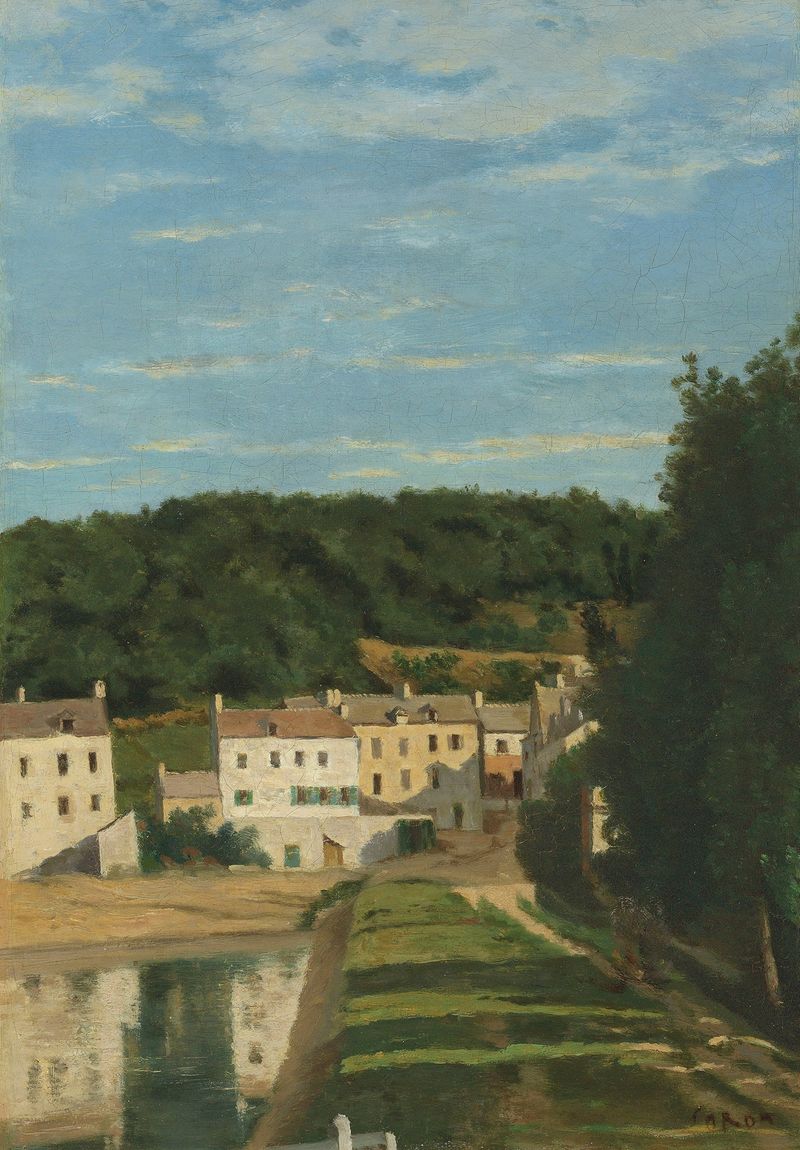
Les Maisons Cabassud À Ville D’avray
Jean-Baptiste-Camille Corot

La solitude. Souvenir de Vigen (Limousin)
Jean-Baptiste-Camille Corot
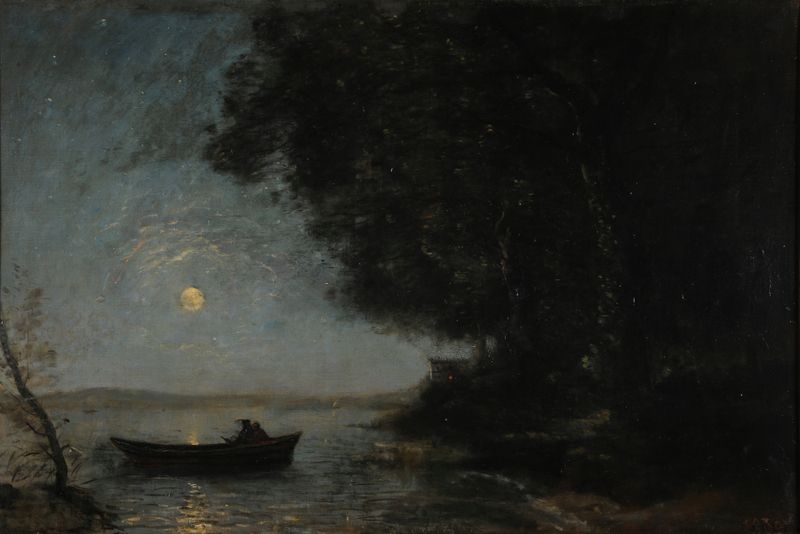
Le lac ; effet de nuit
Jean-Baptiste-Camille Corot
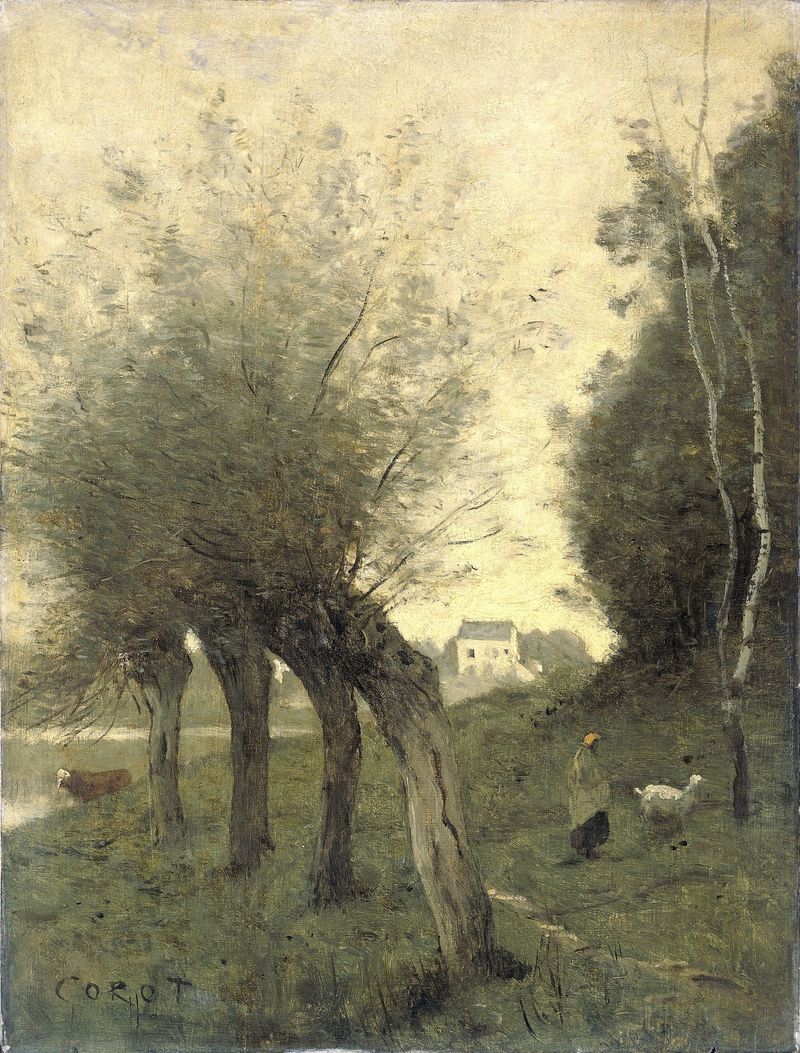
Landscape with Pollard Willows
Jean-Baptiste-Camille Corot
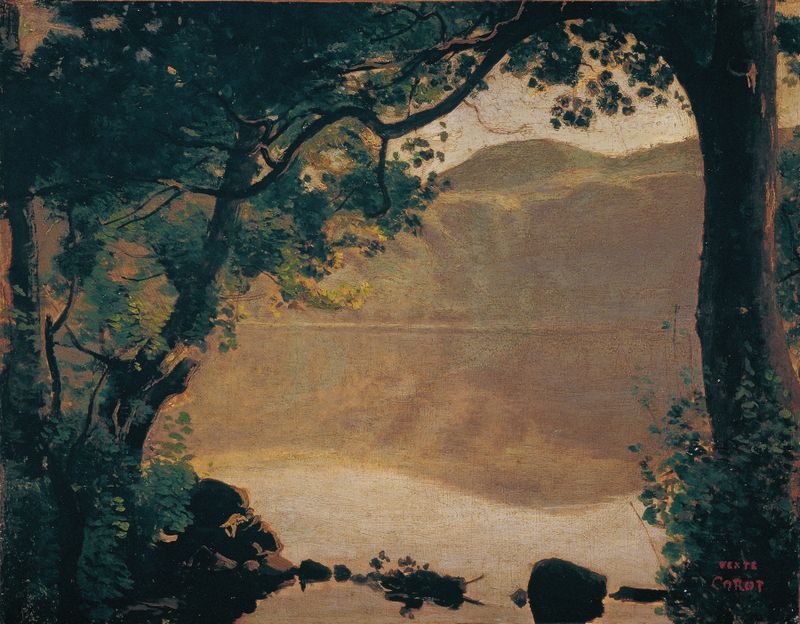
Der Nemisee
Jean-Baptiste-Camille Corot
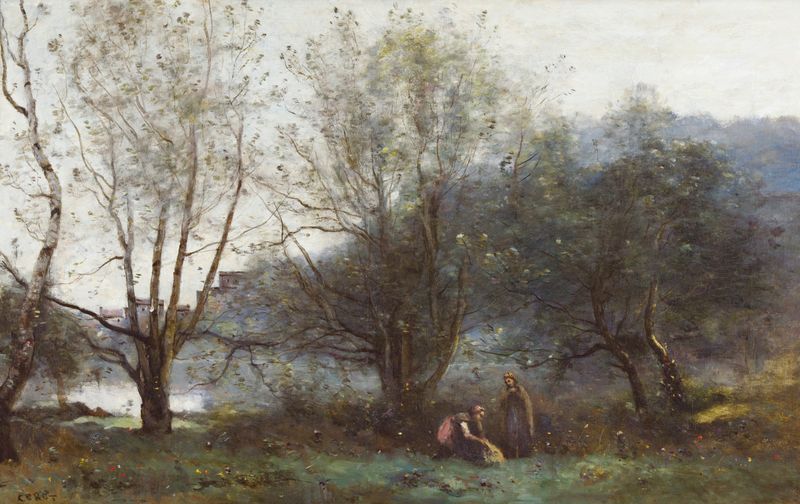
Les Étangs De Ville D’avray
Jean-Baptiste-Camille Corot
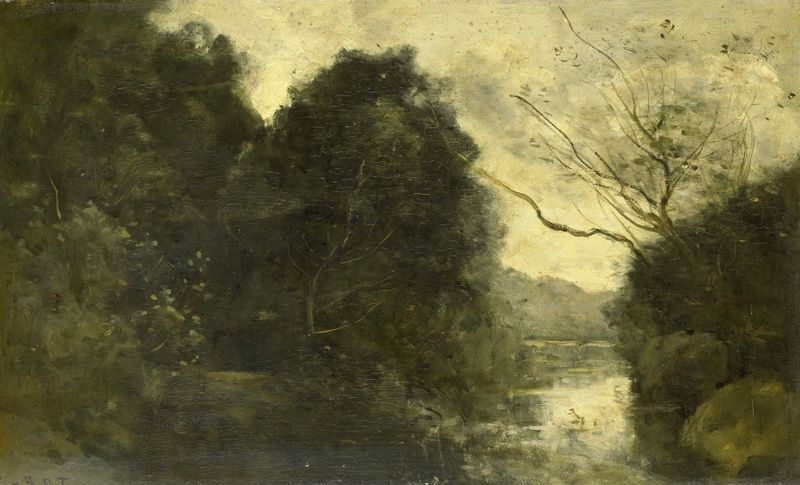
Pond in the Woods
Jean-Baptiste-Camille Corot
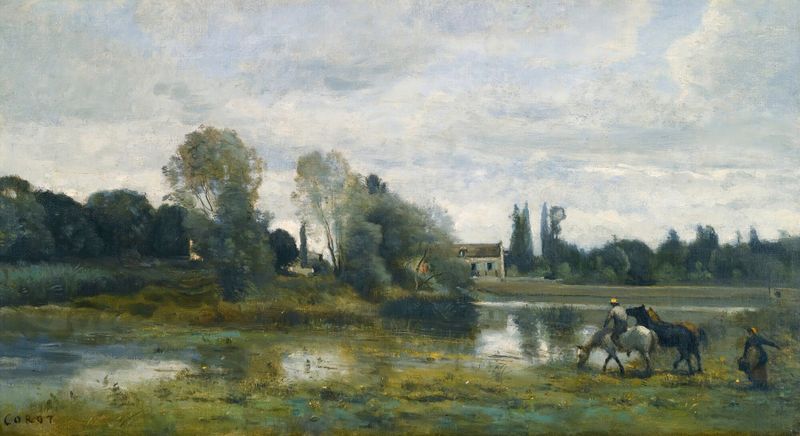
Ville D’avray; L’abreuvoir Des Chevaux
Jean-Baptiste-Camille Corot
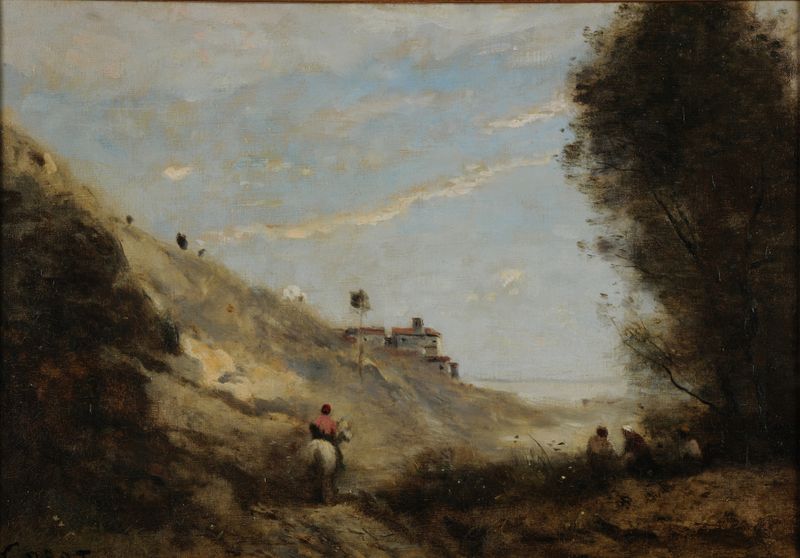
Le vallon au cavalier
Jean-Baptiste-Camille Corot