
Screen in St Peter’s church Louvain — History & Facts
Could beauty survive in a century of chaos? In Screen in St Peter’s church Louvain, the answer seems to be a resounding yes, as the intricate details of the screen invite contemplation of memory and preservation amid turmoil. Look to the left at the delicate carvings that adorn the screen, where figures emerge from the wood like whispered secrets of the past. Your eyes should trace the sinuous lines and interwoven floral patterns, each stroke a testament to the artisan's skill. The warm tones of ochre contrast with the cool shadows that linger in the crevices, creating a dialogue between light and dark—a reminder of the sacredness within the everyday. Delve deeper into the artwork's emotional landscape, where the ornate embellishments resonate with both reverence and nostalgia.
The screen serves as a boundary, not only defining the sacred space but also capturing the transient nature of memory. It evokes a sense of longing for the past, hinting at the resilience of beauty in the face of destruction, as the church has endured through conflict and change. In the period between 1852 and 1878, François Stroobant dedicated himself to this work while living in Belgium during a time of profound cultural and political upheaval. The Church of St.
Peter in Louvain, a symbol of historical significance, influenced his artistic vision as he sought to celebrate the beauty of the sacred. Stroobant's meticulous craftsmanship reflects both the Romantic ideals of the era and a longing for continuity amidst the chaos of modern life.
More Artworks by François Stroobant
Browse all →
Interior of the church of Notre Dame du Sablon at Brussels
François Stroobant
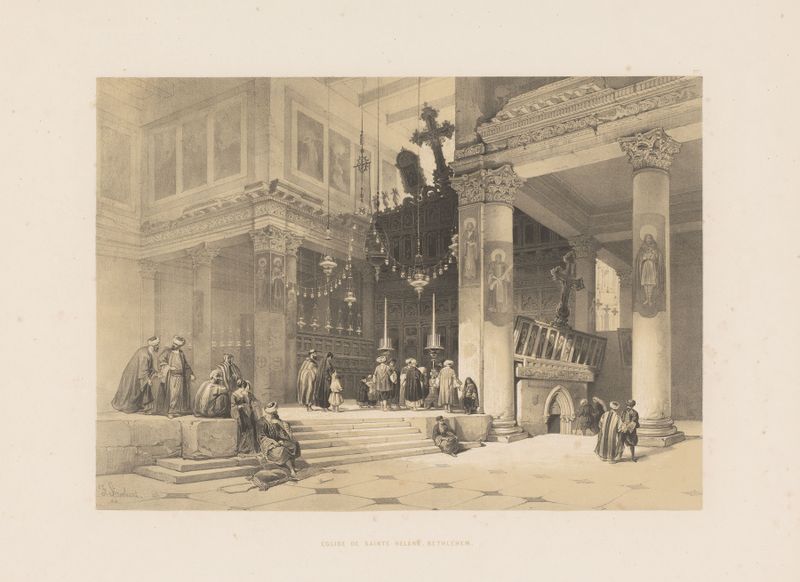
Église de sainte Hélène. Bethléhem
François Stroobant
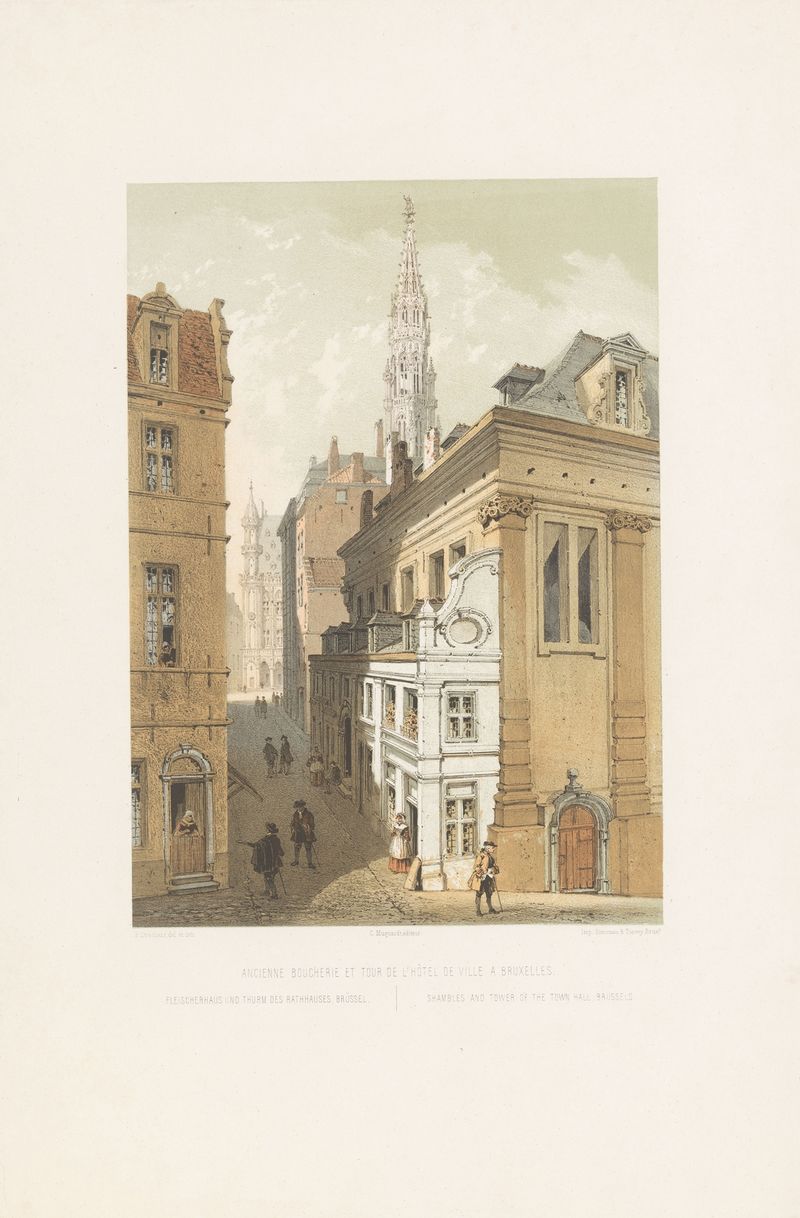
Shambles and tower of the town hall, Brussels
François Stroobant

Intérieur de l’église Grecque du Saint-Sépulcre
François Stroobant
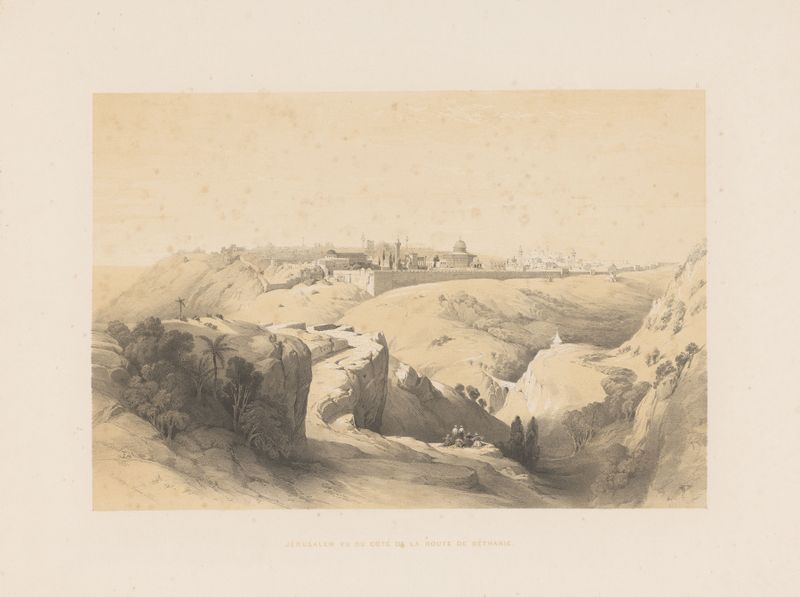
Jérusalem vu du coté de la route de Béthanie
François Stroobant

Le tabernacle du Saint-Sépulcre
François Stroobant

Town hall Brussels
François Stroobant

Fontaine de Jacob à Sichem
François Stroobant
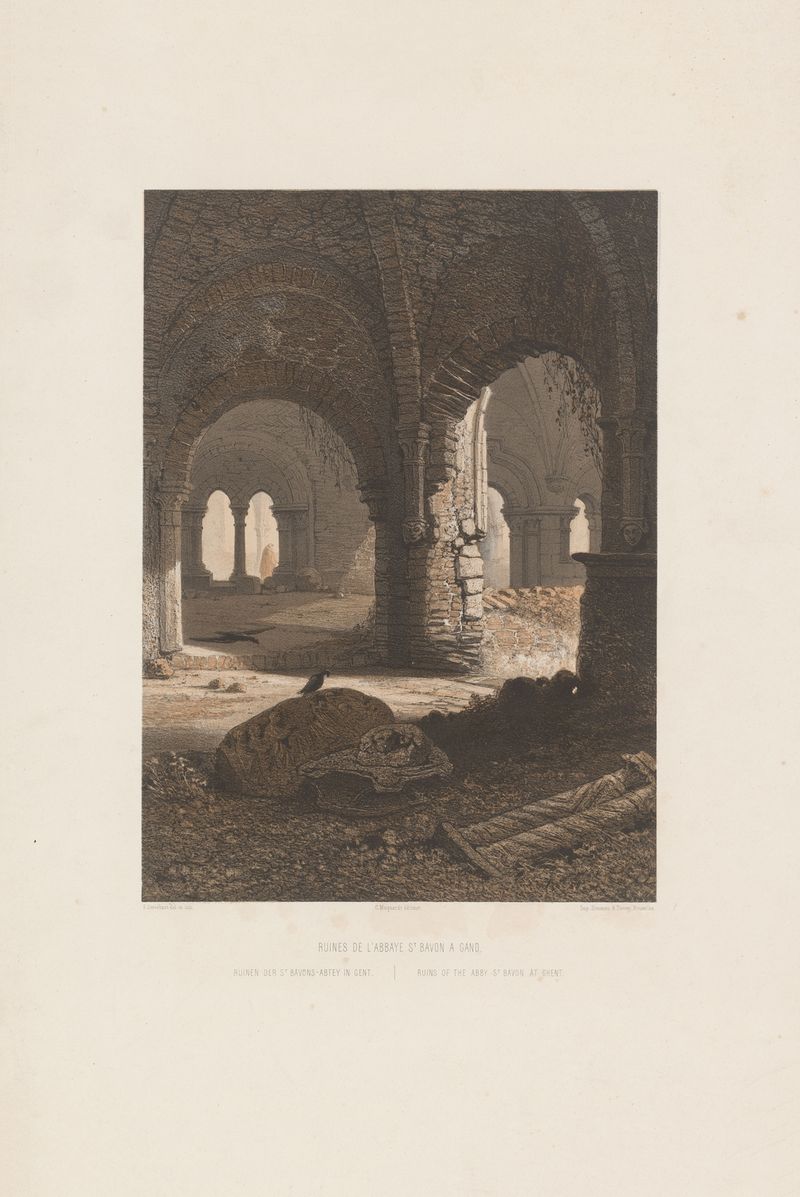
Ruins of the abby St Bavon at Ghent
François Stroobant

Vue de Naplouse
François Stroobant
More Religious Art
Browse all →
The Return of the Prodigal Son
Rembrandt van Rijn

The Garden of Earthly Delights
El Bosco

Count Orgaz’ funeral
El Greco

The Hundred Guilder Print: the central piece with Christ preaching, the plate arched
Rembrandt van Rijn

The Descent from the Cross
Rogier van der Weyden

The return of the prodigal son
Rembrandt van Rijn