
Le Théâtre de l’Ambigu-Comique et le boulevard Saint-Martin — History & Facts
Can paint confess what words never could? In the realm of dreams, the brush transforms fleeting moments into eternal tales, capturing whispers of life that linger just beyond the veil of reality. Look to the lower right at the lively crowd gathered beneath the broad awning of the theater. Notice how the light spills across their faces, illuminating a spectrum of emotions as vibrant as the colors of the scene. The composition is expertly layered, drawing the eye from the bustling foreground into the architectural grandeur of the theater that stands as a sentinel above.
Each figure, painted with delicate detail, gestures in a dance of anticipation, embodying the spirit of Parisian nightlife. Dig deeper into the canvas, and you’ll discover subtle contrasts that evoke a sense of nostalgia. The juxtaposition of joyful faces against the shadows of the night suggests a fleeting connection between moments of exhilaration and the inevitable passage of time. The theater itself, a beacon of cultural expression, represents not just entertainment but the dreams and aspirations of those who gather beneath its marquee.
Here, the evening becomes a tapestry of stories, woven together by longing and hope. In 1830, the artist was immersed in the vibrant artistic community of Paris, grappling with the shifting tides of Romanticism. This period was marked by a burgeoning interest in capturing contemporary life, reflected in his detailed portrayal of the bustling boulevard and its patrons. As the city transformed, Canella’s work became a bridge, linking the vibrancy of urban experience with the timeless themes of theater and humanity.
More Artworks by Giuseppe Canella
Browse all →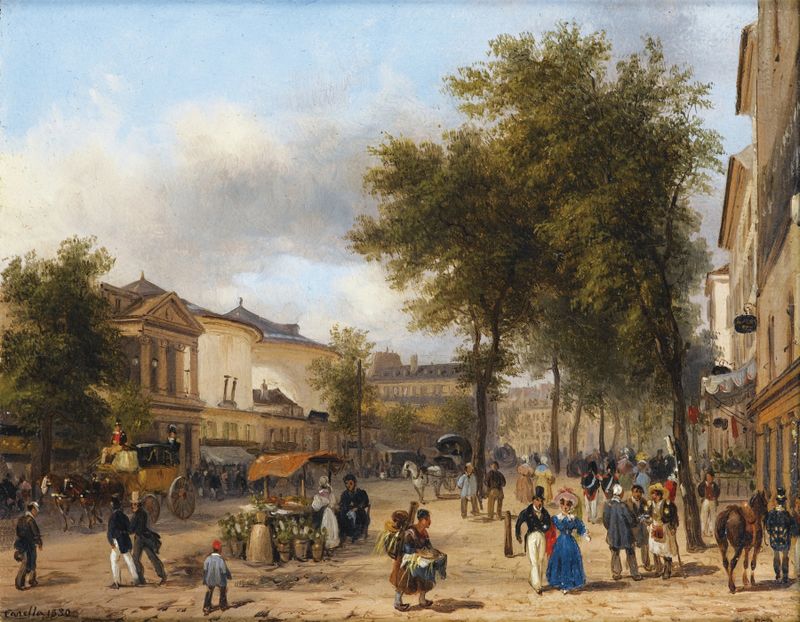
Paris, Vue du Théâtre des Variétés sur le Boulevard Montmartre
Giuseppe Canella

L’Hôtel de Ville et la place de Grève, vus de l’Ile de la Cité
Giuseppe Canella
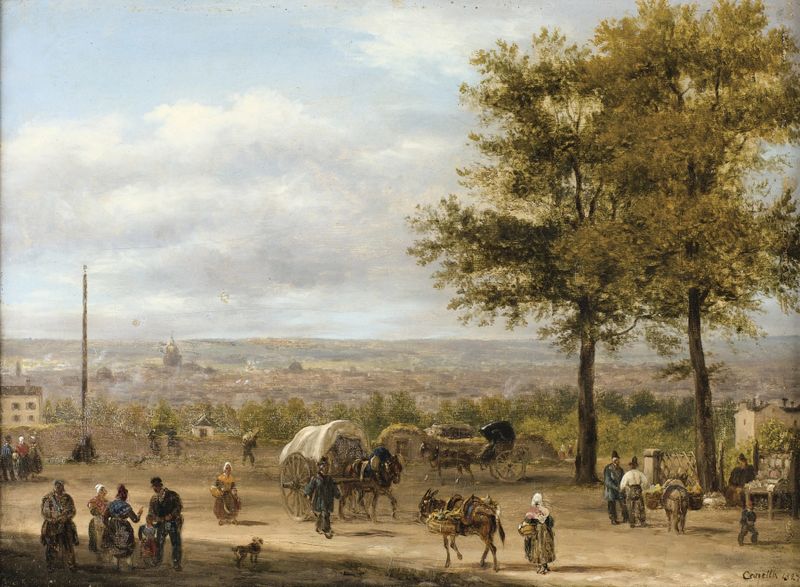
Vue des hauteurs de Paris
Giuseppe Canella
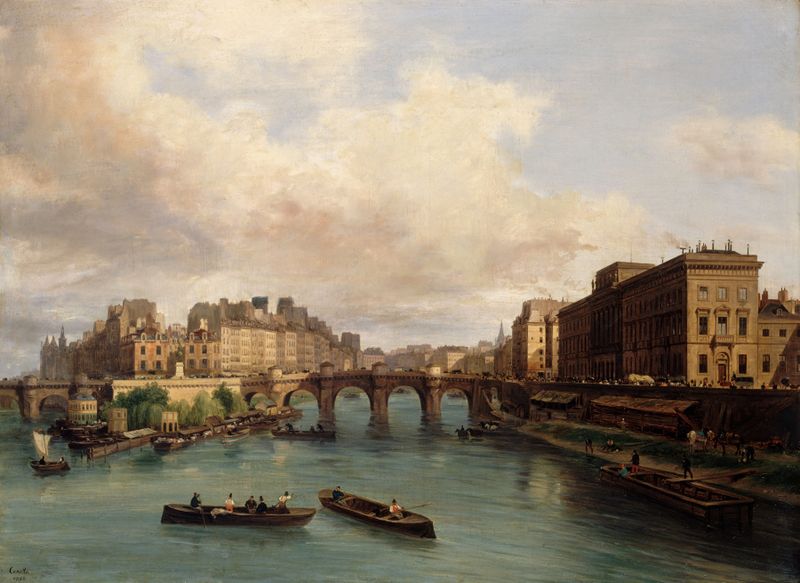
L’Ile de la Cité et le quai Conti, vus de la passerelle des Arts
Giuseppe Canella

Amsterdam, A View of the Royal Palace
Giuseppe Canella

Les Halles et la rue de la Tonnellerie
Giuseppe Canella
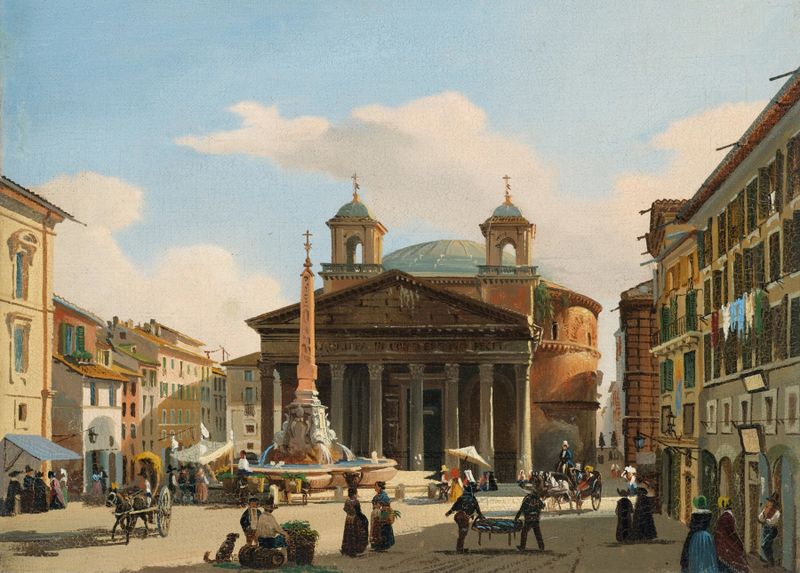
Vue du Panthéon à Rome
Giuseppe Canella
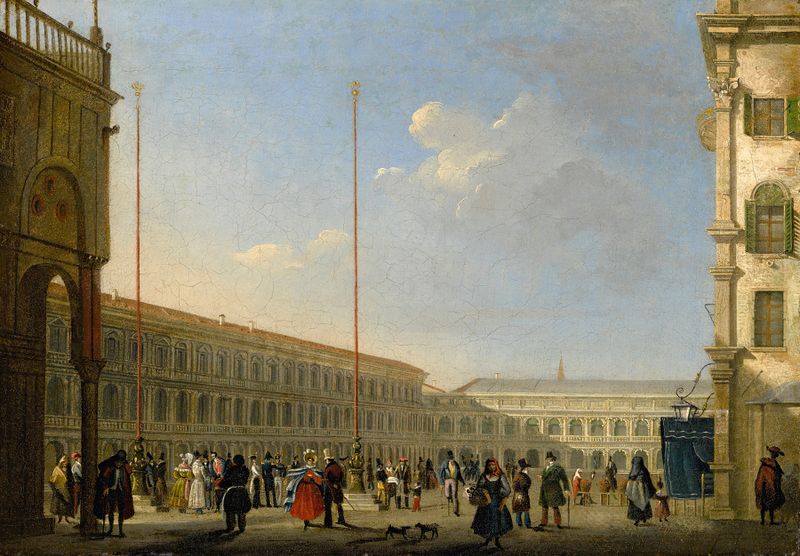
Venice, A View Of Piazza San Marco From Piazzetta Dei Leoncini
Giuseppe Canella
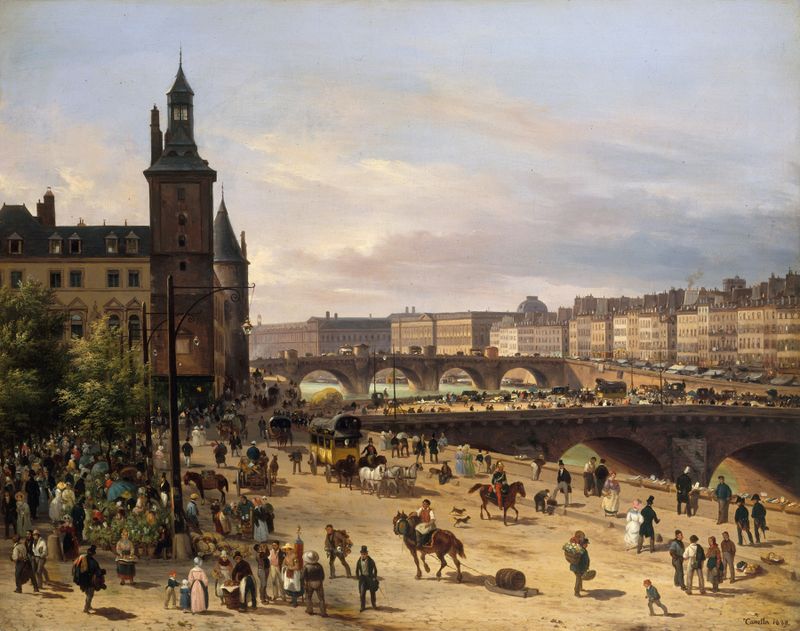
Le marché aux fleurs, la Tour de l’Horloge, le Pont au Change et le Pont-Neuf
Giuseppe Canella
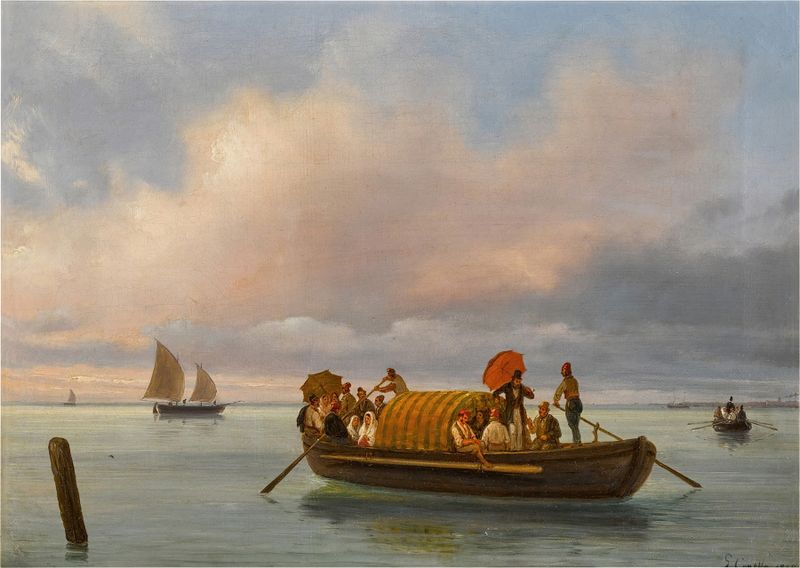
A Venetian scene with a gondola on a lagoon
Giuseppe Canella





