
Le triomphe d'un poète — History & Facts
When Le triomphe d'un poète emerged from the studio of Nicolas Poussin in 1624, it marked one of his earliest explorations into the grand allegories that would define his career. The painting’s subject—a poet being crowned—was a popular theme among the intellectual elite of early seventeenth-century Rome, where Poussin had recently arrived. The exact identity of the poet remains uncertain, and scholars still debate whether Poussin intended a specific figure or a generalized celebration of poetic genius.
What is clear is that this work stands at the crossroads of personal ambition and the broader cultural reverence for classical learning that swept through Baroque Rome. At the heart of the scene, a laurel wreath is pressed onto the brow of the poet by a figure who may be Apollo, god of the arts, while Muses and allegorical figures cluster around. The poet’s upward gaze and open hands speak to divine inspiration, while the laurel itself is an ancient symbol of victory and immortality in the arts. Rich costumes and the careful arrangement of figures recall the theatricality of Roman triumphs, but with a quieter, more contemplative air than the riotous celebrations found in works by Peter Paul Rubens.
The light falls gently on the poet, drawing the viewer’s eye to the moment of consecration, while the surrounding figures seem to both witness and participate in the act of artistic creation. The early provenance of Le triomphe d'un poète is not fully documented, but it likely belonged to one of the many learned patrons who supported Poussin during his formative Roman years. The painting’s style—restrained yet full of learned references—signals Poussin’s turn away from the exuberance of his French contemporaries toward the measured classicism that would become his hallmark. Today, the work is recognized as a key step in the artist’s development, foreshadowing later masterpieces such as The Triumph of Pan.
Whether displayed in a private study or a public gallery, it continues to invite viewers into the world of poetic ambition and the enduring allure of classical ideals.
More Artworks by Nicolas Poussin

Spring
Nicolas Poussin
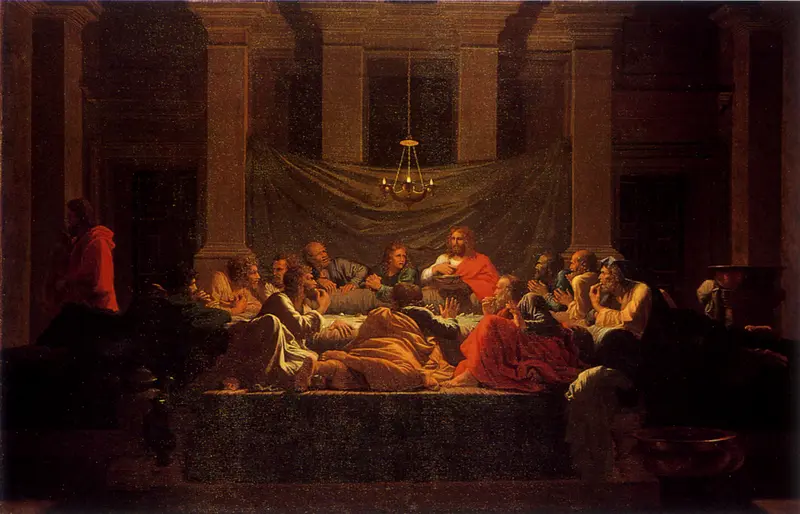
The Sacrament of the Holy Eucharist
Nicolas Poussin
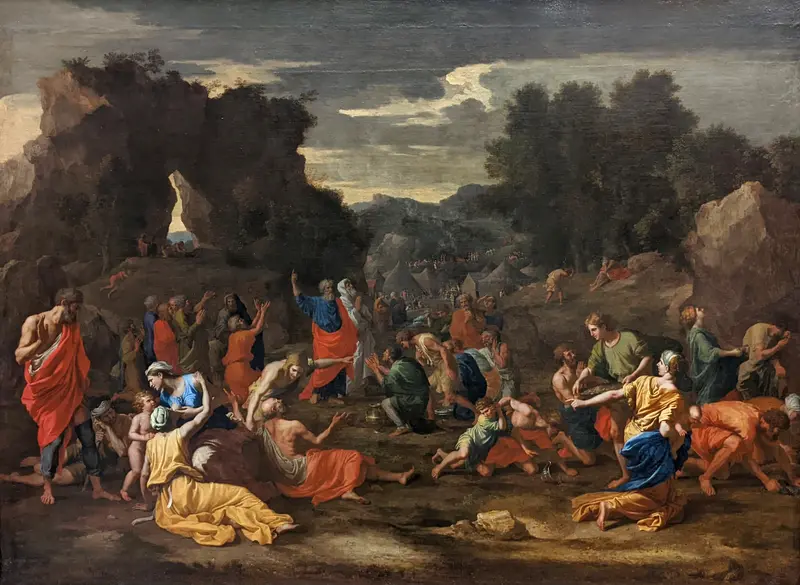
The Israelites gathering Manna in the Desert
Nicolas Poussin
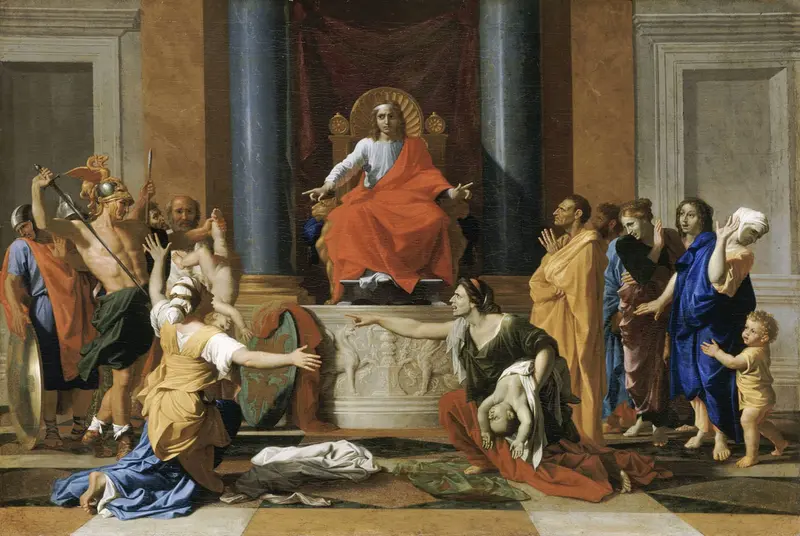
The Judgment of Solomon
Nicolas Poussin
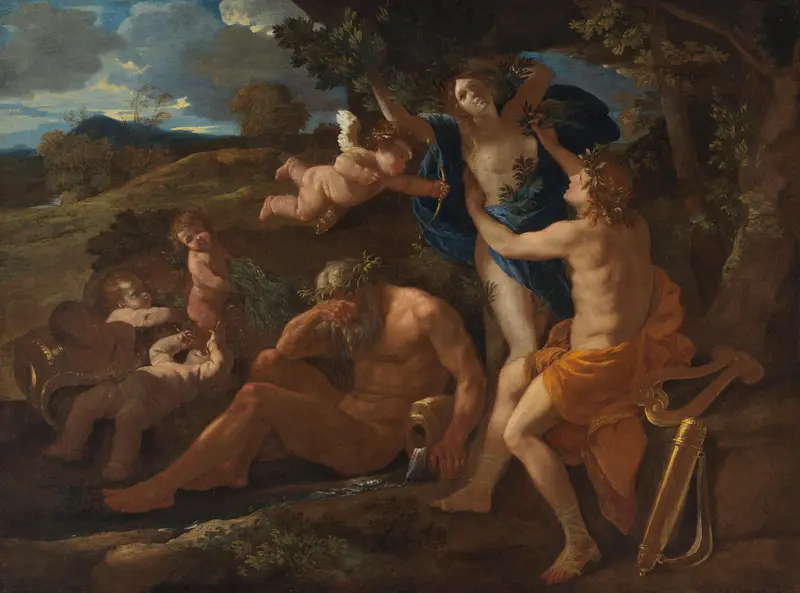
Apollo and Daphne
Nicolas Poussin

The Nurture of Jupiter
Nicolas Poussin

Ordination
Nicolas Poussin
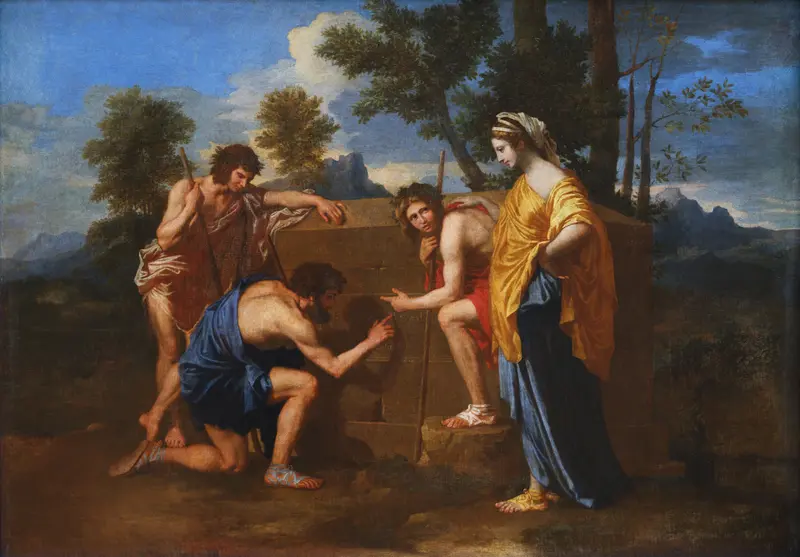
Et in Arcadia ego
Nicolas Poussin
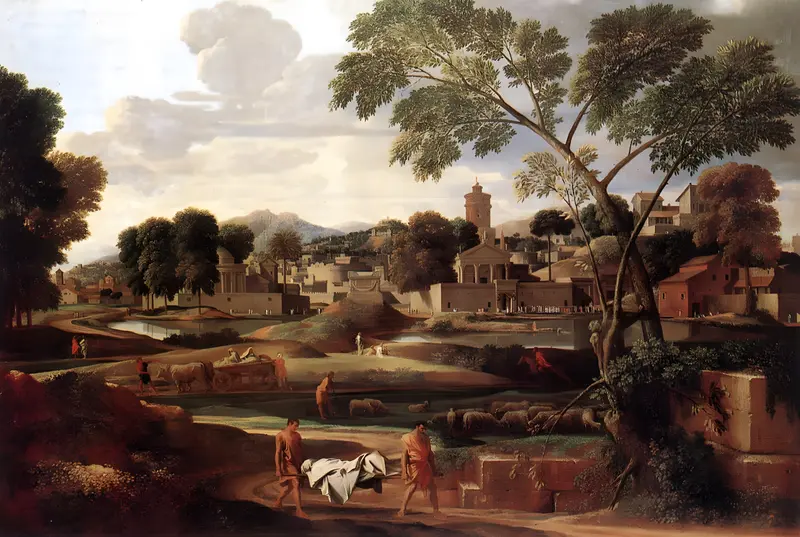
The Funeral of Phocion
Nicolas Poussin
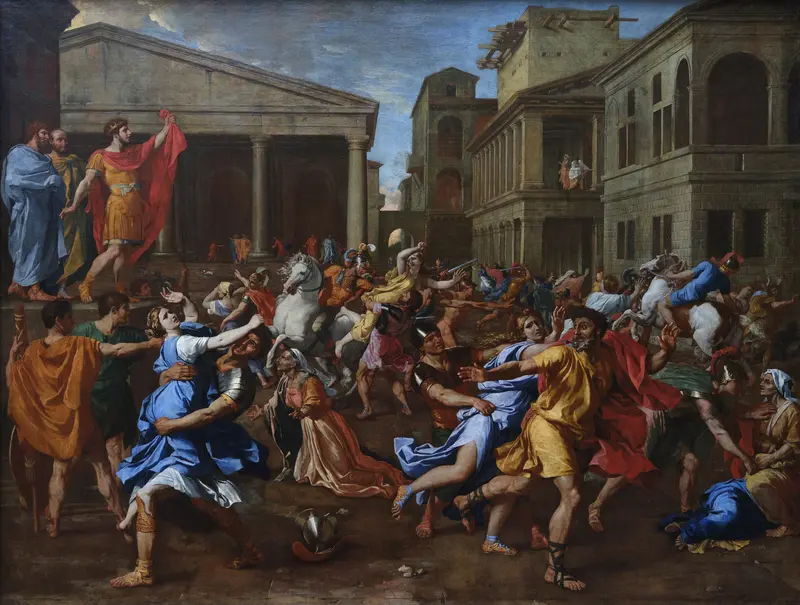
The Rape of the Sabine Women
Nicolas Poussin




