
Le Tréport, le Ramassaage du Varech — History & Facts
When did color learn to lie? In a world where hues often mask reality, we find ourselves questioning the very essence of truth as it is presented before us. Look to the canvas, where the vibrant blues and greens swirl in harmonious disarray, drawing our attention to the bustling shore of Le Tréport. The energetic strokes depict fishermen diligently gathering seaweed under a sun that casts a golden sheen over the water. Notice how the textures of the waves contrast with the smoothness of the sky, creating a dance between chaos and calm that invites the viewer to linger. Beneath the surface lies a deeper commentary on labor and nature.
The fishermen’s labor is both a physical act and a metaphor for resilience, highlighted by the vivid yet earthy palette that suggests the richness of the ocean’s bounty. Tension emerges from the juxtaposition of man against nature – the sea teeming with life while simultaneously evoking a sense of solitude in the vastness of the horizon. These contrasts hint at the struggle for survival, where the beauty of the scene belies the hardships faced by those who depend on the fickle sea. Maximilien Luce created this work in 1935, during a time when his focus shifted towards the effects of light and color in everyday scenes.
Living in Paris, Luce was influenced by the post-impressionist movement and the socio-political tensions of the era, which colored his interpretation of simple, honest moments. This painting reflects his dedication to capturing the essence of life’s truth, serving as a testament to both the beauty and the labor woven into the fabric of human existence.
More Artworks by Maximilien Luce
Browse all →
Le Quai Montebello Et La Colline Sainte-Geneviève
Maximilien Luce

Le Pont-Neuf, La Seine, Petit Bras
Maximilien Luce
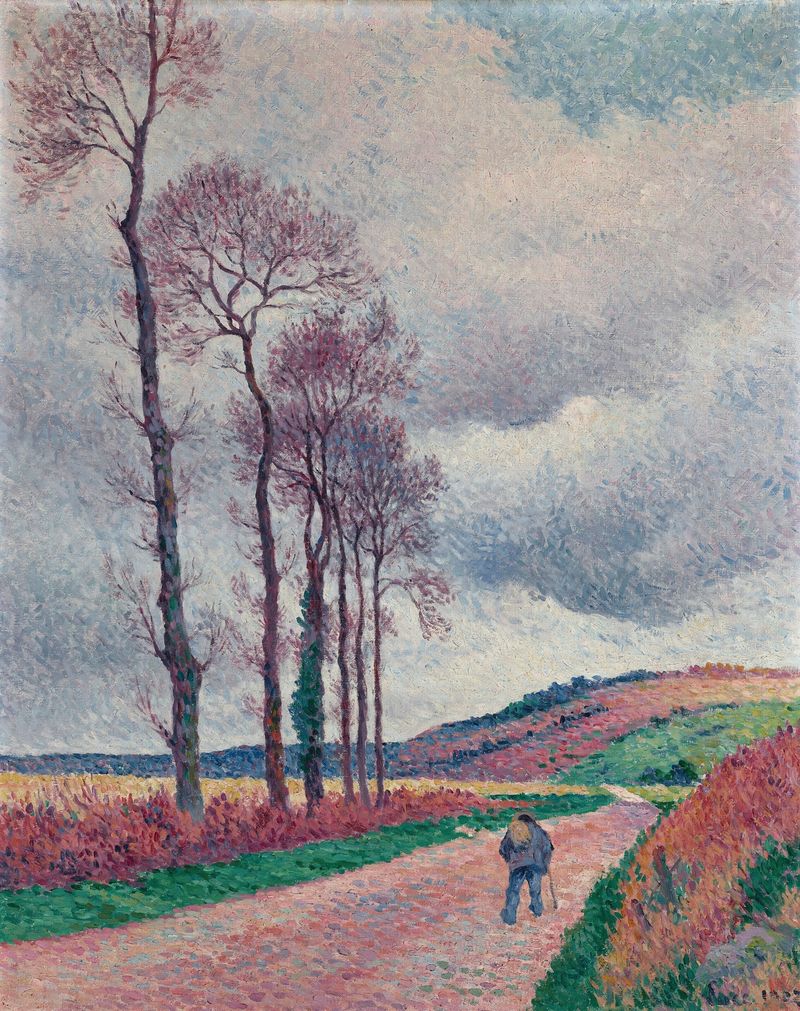
La route aux environs de Méréville
Maximilien Luce
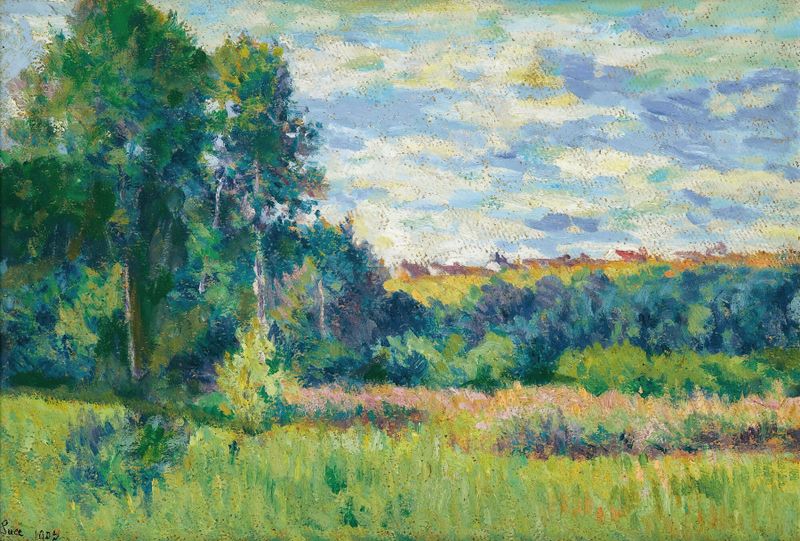
Paysage
Maximilien Luce
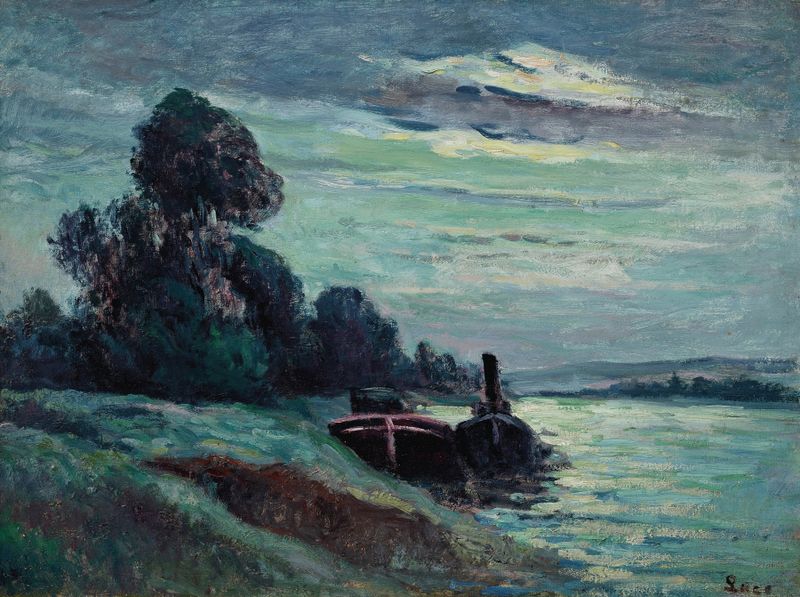
Péniches sur la Seine
Maximilien Luce

Notre Dame de Paris
Maximilien Luce
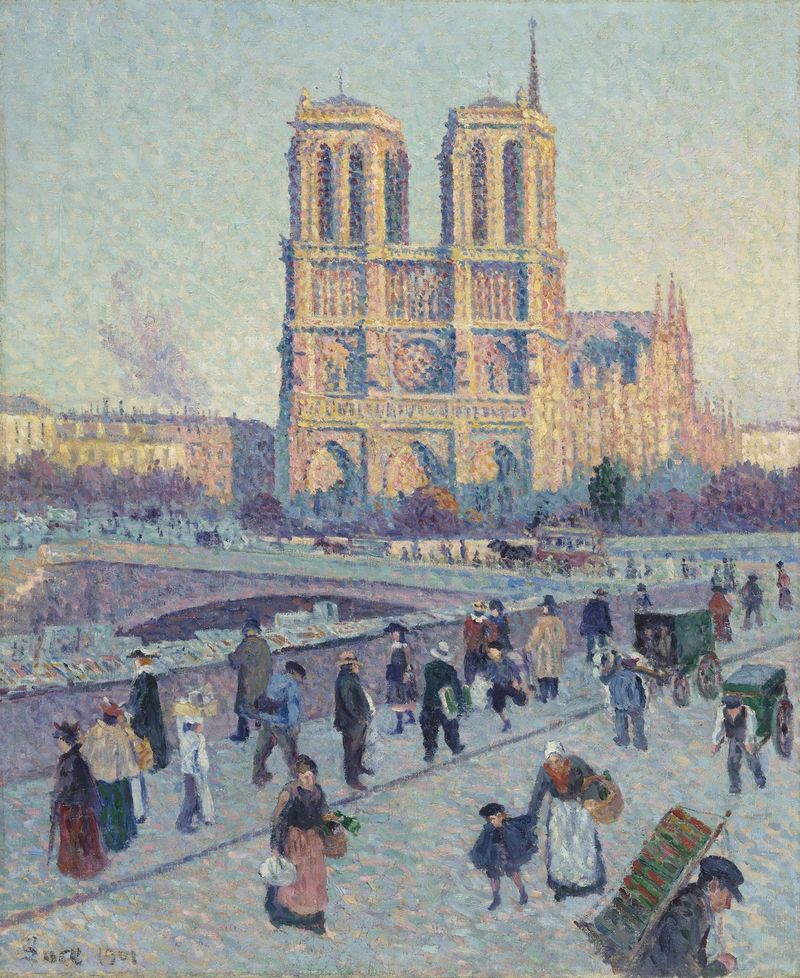
The Quai Saint-Michel and Notre-Dame
Maximilien Luce

La Seine au Pont Mirabeau
Maximilien Luce
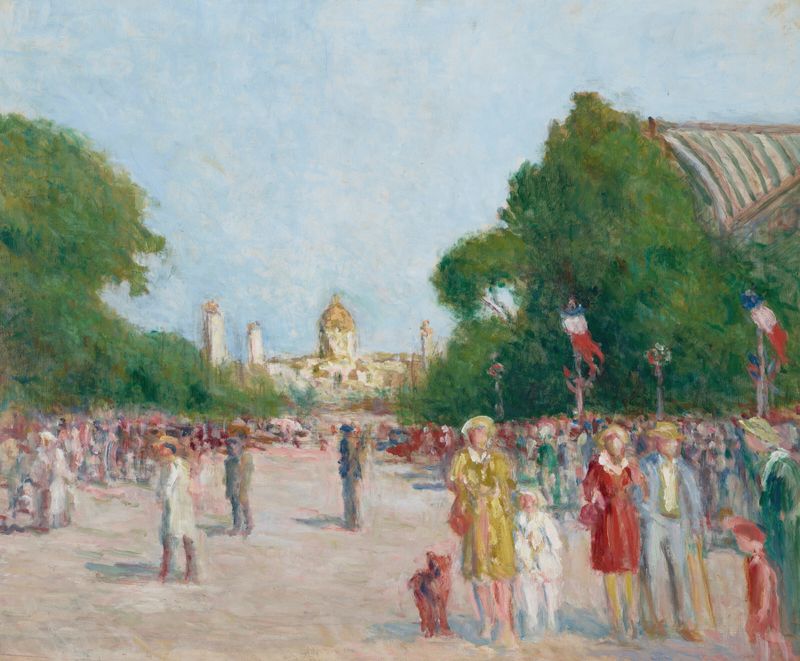
L’avenue Winston-Churchill, Paris
Maximilien Luce

Paris, Le Quartier De Vaugirard
Maximilien Luce





