
Leiden — History & Facts
Each hue whispers the fragility of existence, inviting contemplation on the ephemeral nature of life. Look to the left at the delicate interplay of soft blues and muted greens, where gentle brushstrokes evoke the stillness of a tranquil landscape. The composition, carefully layered with depth, guides the eye across a serene waterway, reflecting the sky's subtle gradient. Notice how the light dances on the water's surface, transforming the ordinary into a moment of profound beauty, while the distant horizon stirs an unspoken longing. Beneath the calm surface lies a tension between the vibrancy of life and the shadows of mortality.
The stillness of the water serves as a metaphor for introspection, prompting viewers to confront their own fleeting moments. Observe the faint ripples—tiny disturbances that suggest both movement and the passage of time, illuminating a truth that life's beauty is often coupled with impermanence. Created between 1888 and 1934, during a period of great change in the art world, the artist found inspiration in the landscapes of his Dutch homeland. This was a time marked by the transition from traditional techniques to more modern expressions.
As Europe grappled with the complexities of the early 20th century, the artist's work resonated with a deep sense of reflection and the quest for meaning amid evolving artistic currents.
More Artworks by Willem Adrianus Grondhout
Browse all →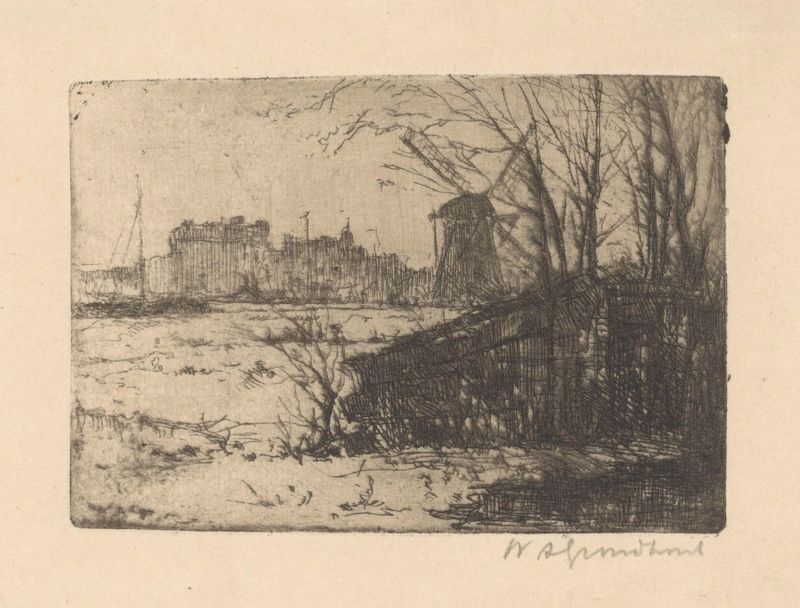
Landschap met molen in de Binckhorst in Den Haag
Willem Adrianus Grondhout
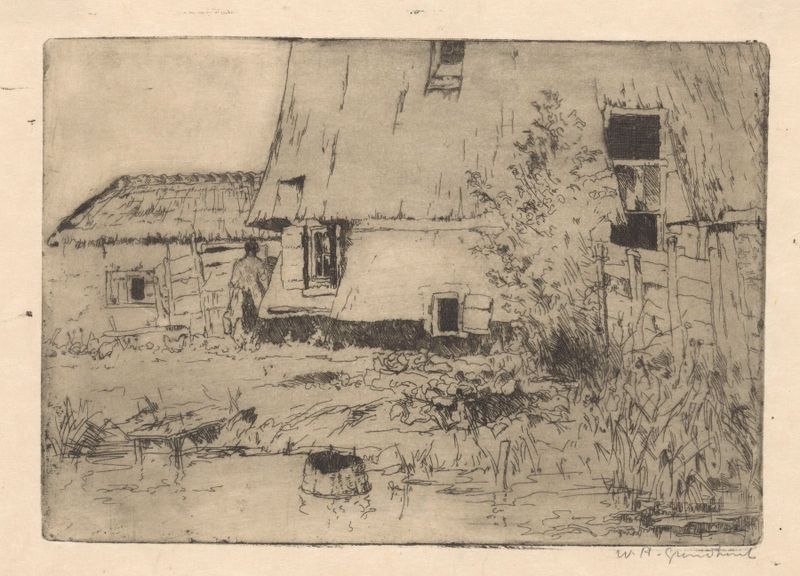
Voet van een molen in Voorburg
Willem Adrianus Grondhout
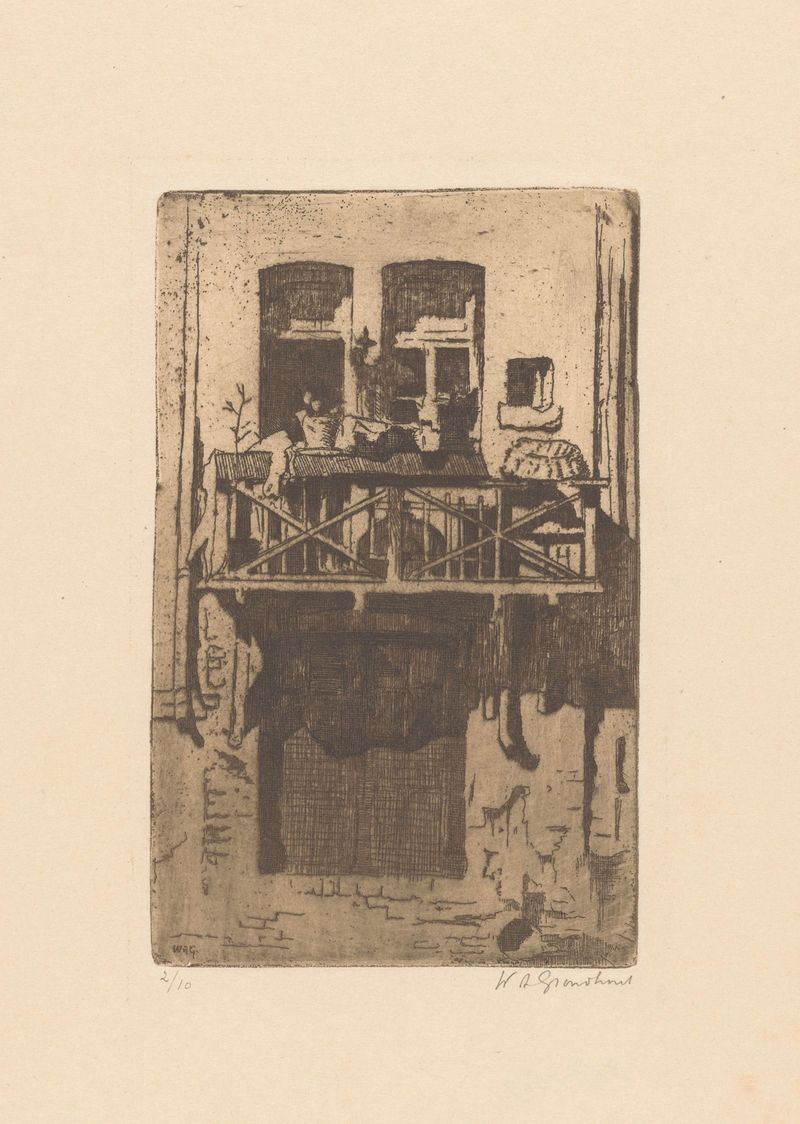
Balkon van een huis aan de Oudezijds Kolk in Amsterdam
Willem Adrianus Grondhout
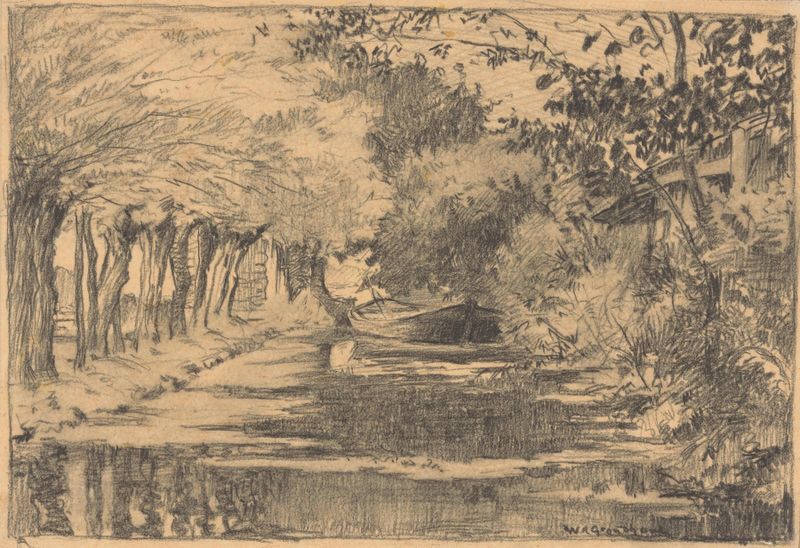
Broeksloot bij Voorburg
Willem Adrianus Grondhout
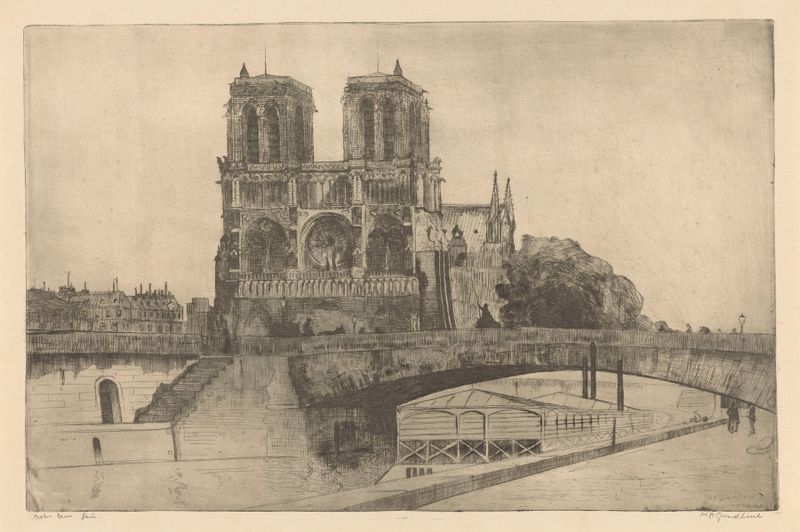
Notre-Dame, Paris
Willem Adrianus Grondhout
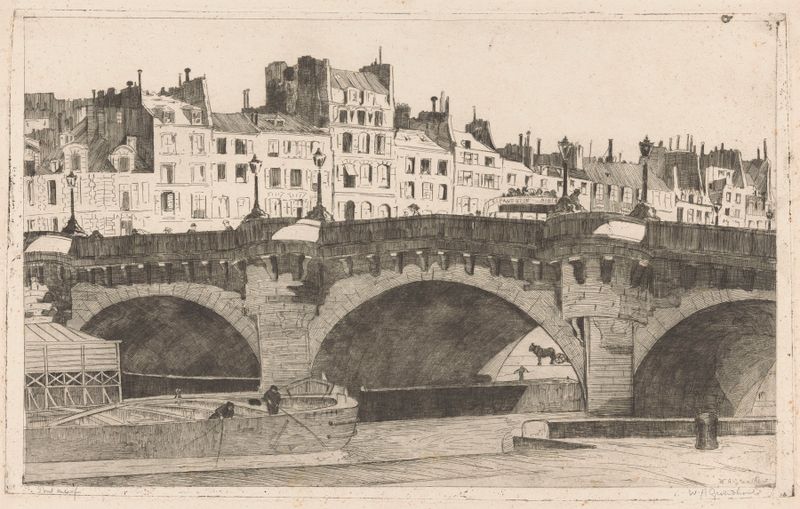
Pont Neuf
Willem Adrianus Grondhout
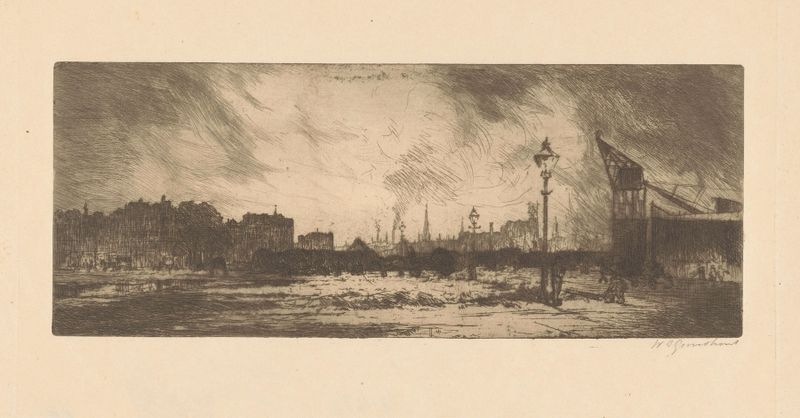
Havenkade met lantaarnpalen in Rotterdam
Willem Adrianus Grondhout
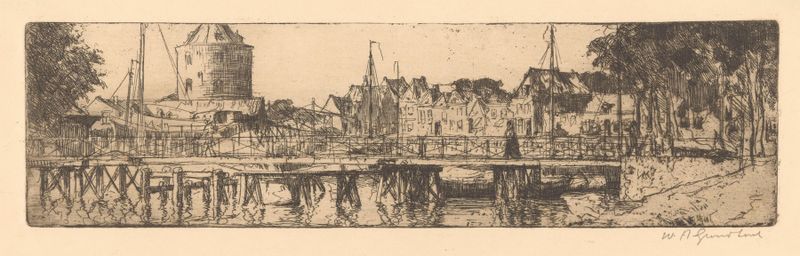
Enkhuizen
Willem Adrianus Grondhout
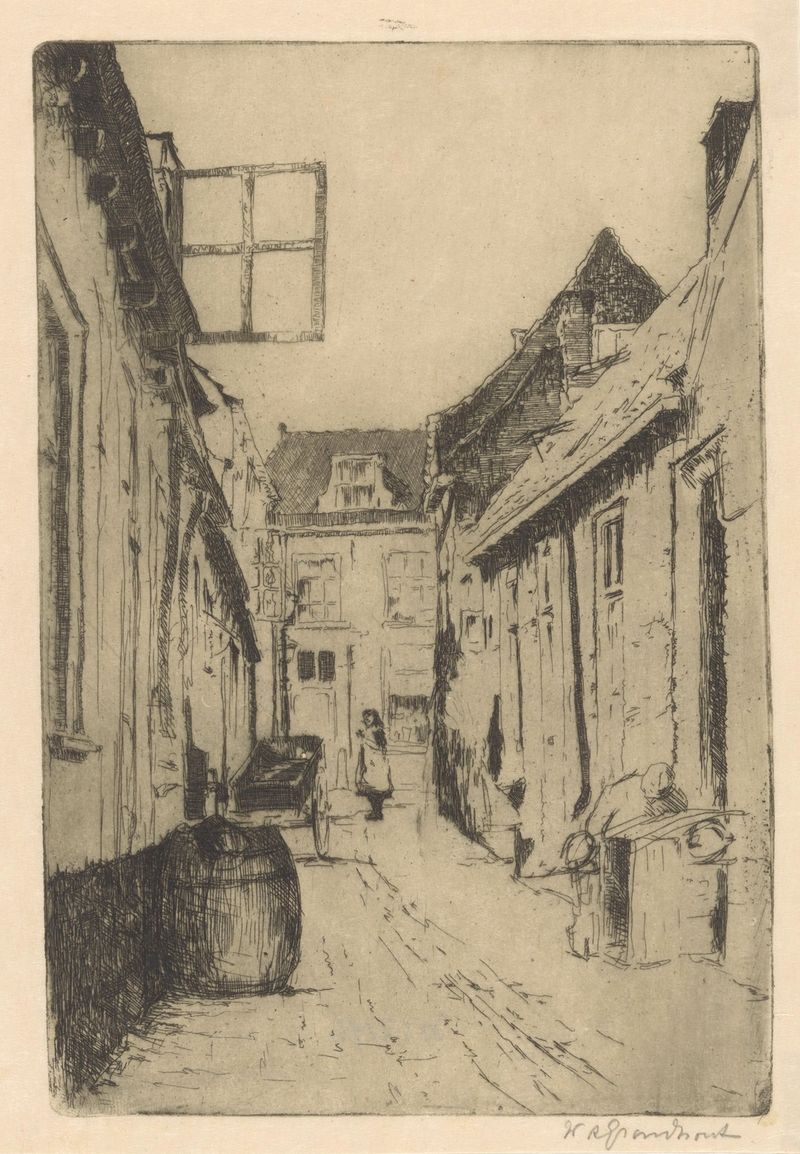
Straatje in Voorburg.
Willem Adrianus Grondhout
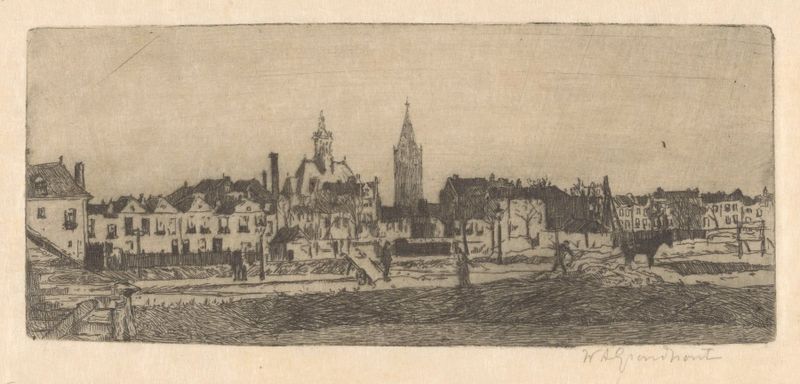
Delft
Willem Adrianus Grondhout





