
L’entrée de la prison Mazas sur le boulevard Diderot — History & Facts
The stillness of the moment invites contemplation, an embrace of rebirth woven through the fabric of confinement and hope. The stark imagery speaks volumes, urging the viewer to reflect on the essence of freedom and the weight of restraint. Look to the left, where the entrance looms large against the vibrant hues of the boulevard, its archway both an invitation and a barrier. The artist’s brush offers a striking contrast between the soft pastels of the surrounding environment and the somber, imposing structure of the prison.
Notice how light filters through the trees, casting dappled shadows that dance across the cobblestone, symbolizing the fleeting nature of liberty amid a backdrop of entrapment. Every detail, from the distant figures meandering along the boulevard to the stark vertical lines of the prison walls, captures the duality of existence — the outside world alive with movement and the heavy silence contained within. Delve deeper into the emotional landscape: the juxtaposition of the lively street life against the oppressive architecture serves as a poignant reminder of the fragility of freedom. The presence of onlookers, some oblivious to the prison's weighty significance, hints at a collective conscience, while the distant silhouettes embody both hope and resignation.
This tension ignites a sense of yearning for renewal, suggesting that even in the darkest of places, there lies the potential for transformation. In 1896, F. Séguin was navigating the evolving landscape of art in Paris, a city pulsating with change and innovation. The era was marked by a burgeoning interest in realism and the exploration of social themes.
As he painted this work, Séguin was reflecting both personal experiences and the broader societal complexities, capturing the essence of confinement against the backdrop of a rapidly modernizing world. This artwork stands as a testament to that moment — a lens through which we can examine our own perceptions of freedom and entrapment.
More Artworks by F. Séguin
Browse all →
Rue Brantôme. (anciennement rue des Petits Champs donnant rue Saint Martin et rue Beaubourg)
F. Séguin
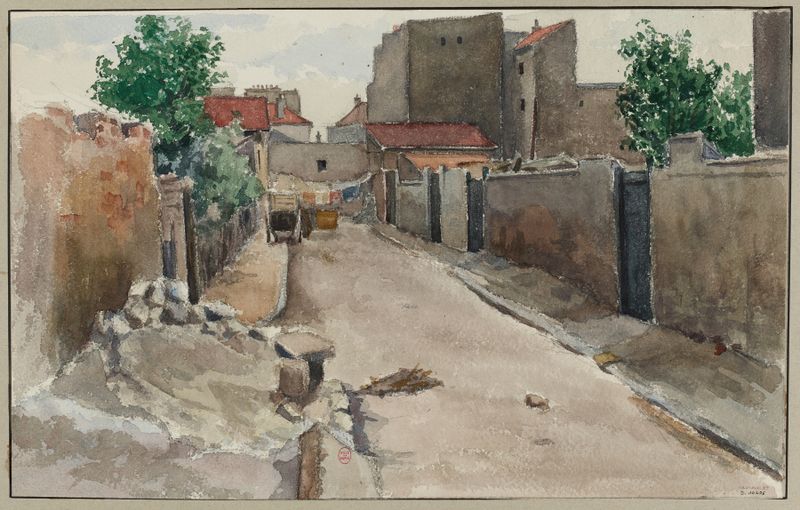
La rue de Chambéry, prise de la rue de Nice la Frontière
F. Séguin
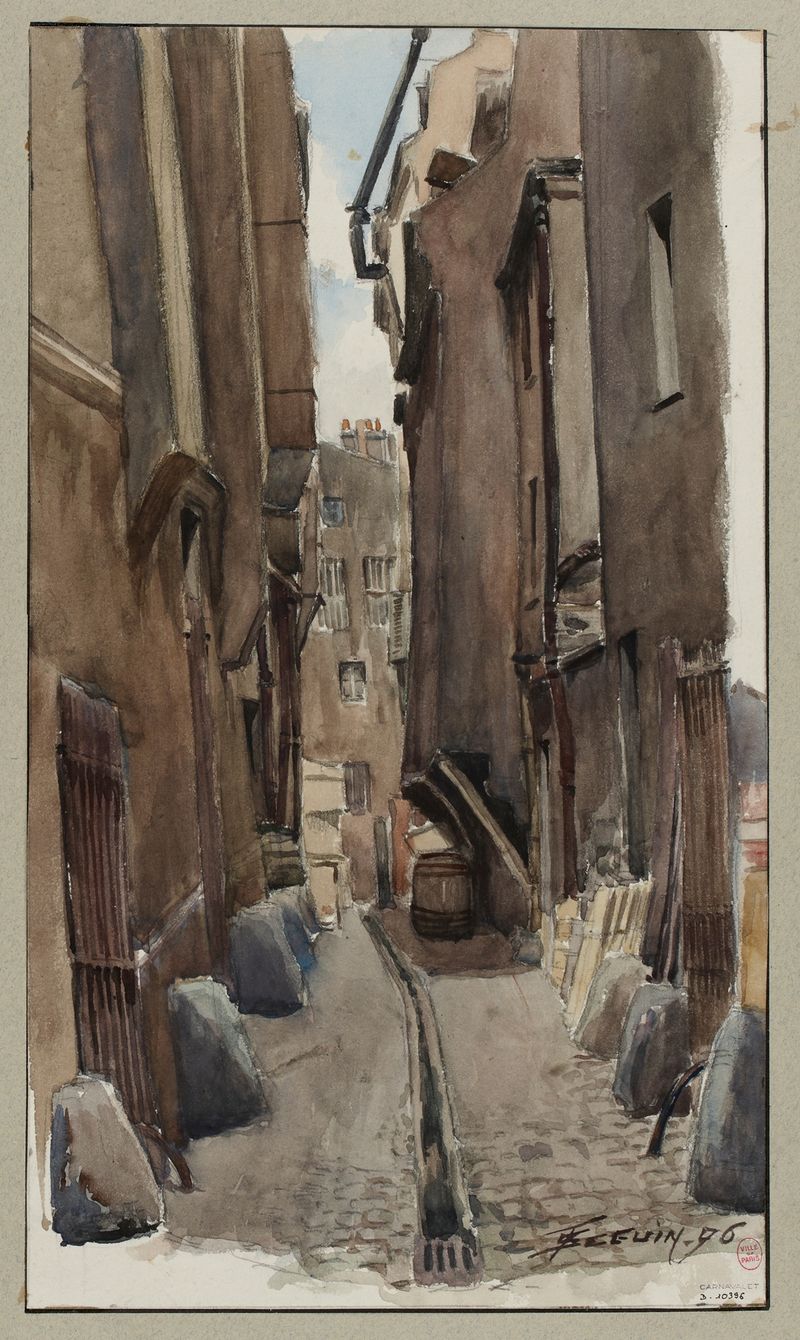
Le Cul de sac du Bœuf, (rue Saint Merri)
F. Séguin

Rue Descartes
F. Séguin
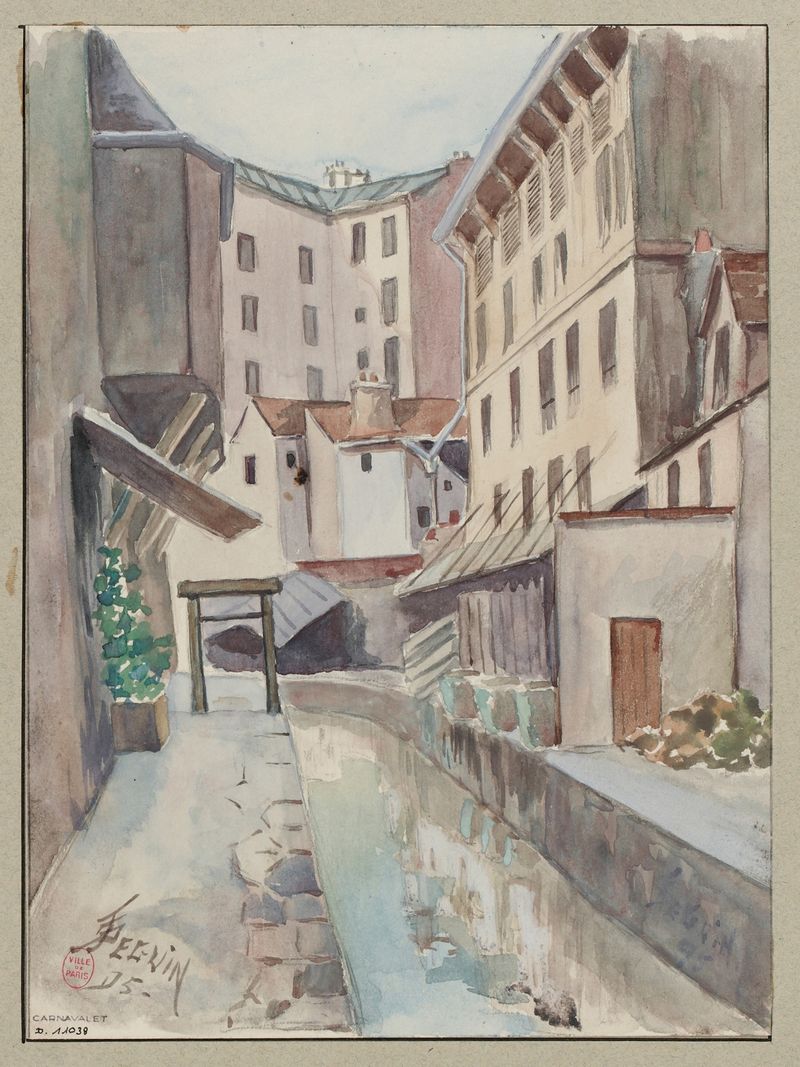
Le bord de la Bièvre à l’avenue des Gobelins
F. Séguin

Villa des Otages mur où furent fusillés les 52 derniers otages de la Commune, rue Haxo
F. Séguin
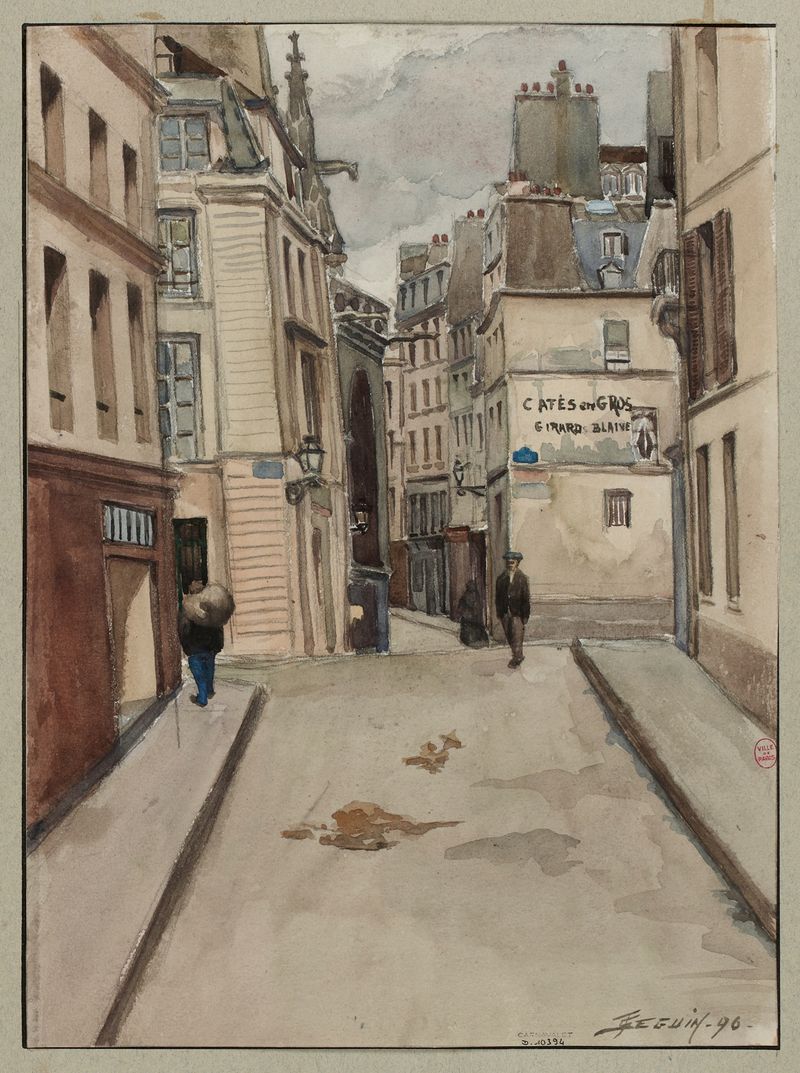
Rue du Cloître Saint Mérry, de la rue du Renard à la rue Saint Martin
F. Séguin
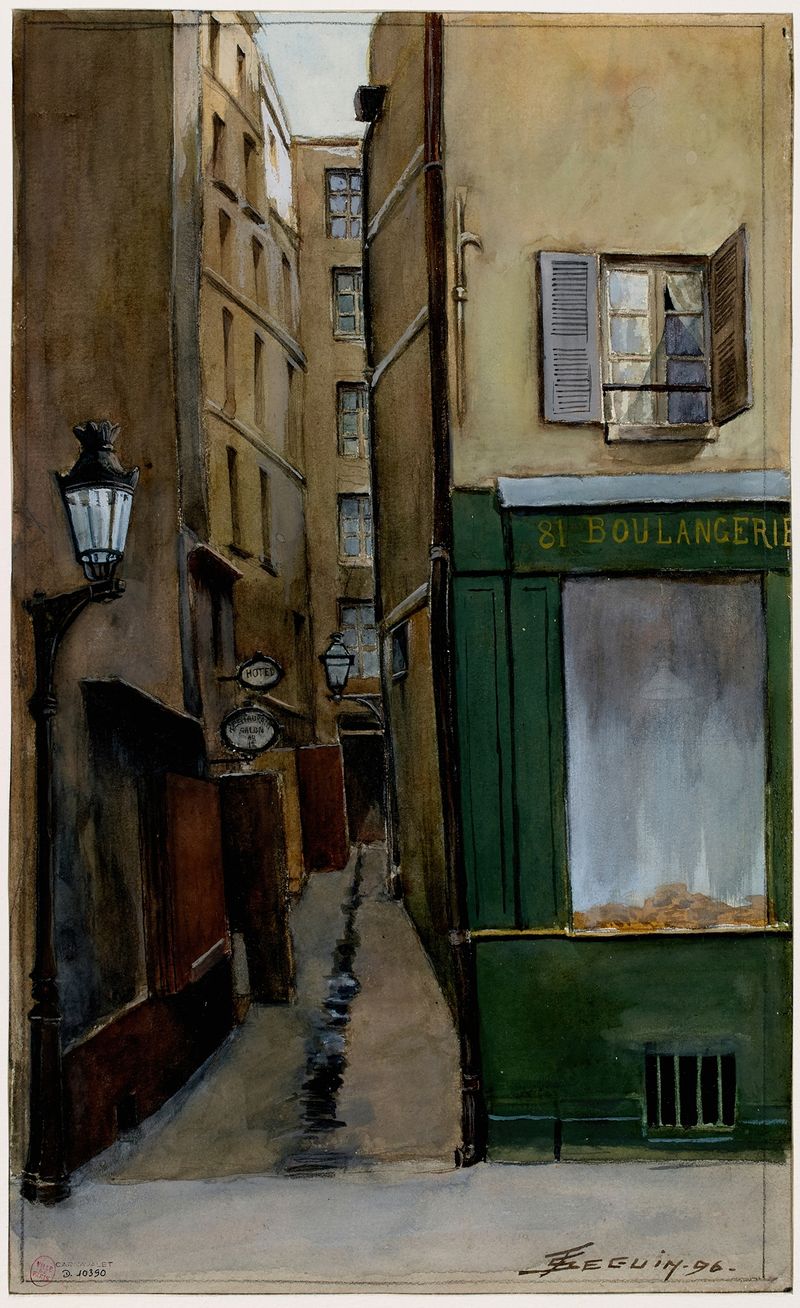
Cul de sac du Fiacre, 81 rue Saint Martin
F. Séguin
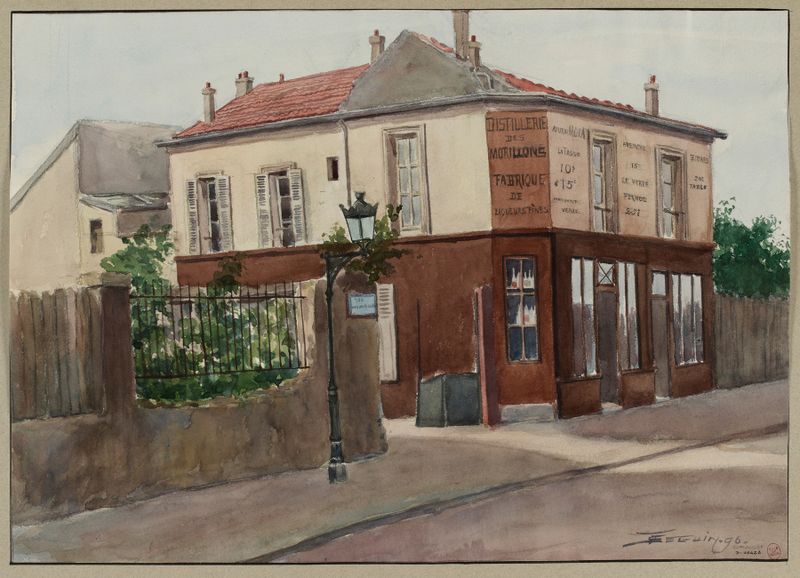
Angle de l’impasse Carlier et au 24 rue des Morillons, Vaugirard
F. Séguin
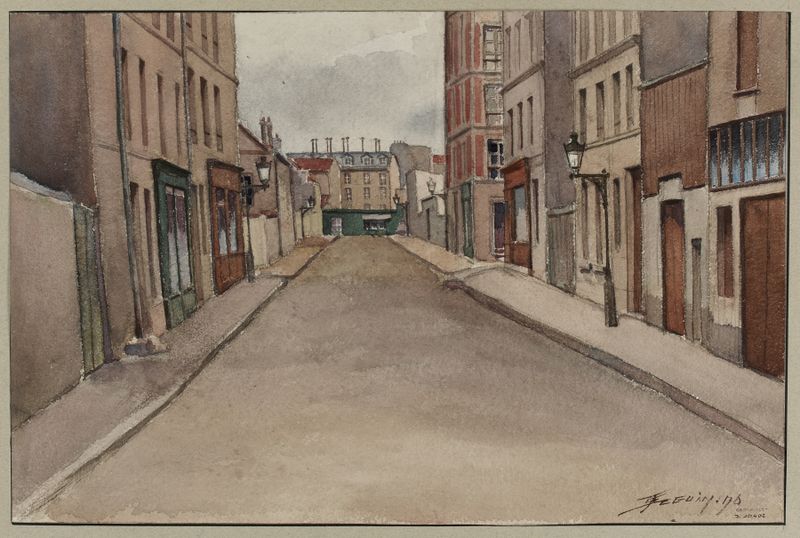
Rue Franquet
F. Séguin
More Architecture Art
Browse all →
The statue of Liberty
Frédéric Auguste Bartholdi

View of Houses in Delft, Known as ‘The Little Street’
Johannes Vermeer

View of Houses in Delft, Known as ‘The Little Street’
Johannes Vermeer

The Cathedral in Rouen. The portal, Grey Weather
Claude Monet

The yellow house
Vincent van Gogh

The Church in Auvers-sur-Oise, View from the Chevet
Vincent van Gogh