
Schloss Zichy — History & Facts
Within Schloss Zichy, serenity envelops the viewer, inviting a tranquil exploration of space and time. Look to the center of the canvas where the majestic castle stands, its silhouette defined against a soft twilight sky. The delicate interplay of greens and blues surrounds it, creating a harmonious backdrop that evokes a sense of peace. Notice how the trees, brushed with a light hand, seem to sway gently in the breeze, their reflections mingling with the water below, enhancing the painting's stillness and inviting contemplation. Hidden within this serene landscape are layers of emotional tension, a juxtaposition between the fortress-like structure and the softness of nature.
The castle, while grand, appears almost vulnerable, cradled by the surrounding greenery. The contrast of the hard architectural lines with the gentle curves of the land suggests a dialogue between civilization and the natural world, reminding us of the quiet strength found in vulnerability. Created during a time of burgeoning Romanticism, Balthasar Wigand painted Schloss Zichy in an era when artists began to explore emotional depth and the beauty of landscapes. Though the exact date is unknown, Wigand was active in the late 18th to early 19th century, a period marked by a growing appreciation for nature’s quiet majesty.
This painting reflects not only his artistic journey but also the broader movement toward capturing the sublime in the everyday.
More Artworks by Balthasar Wigand
Browse all →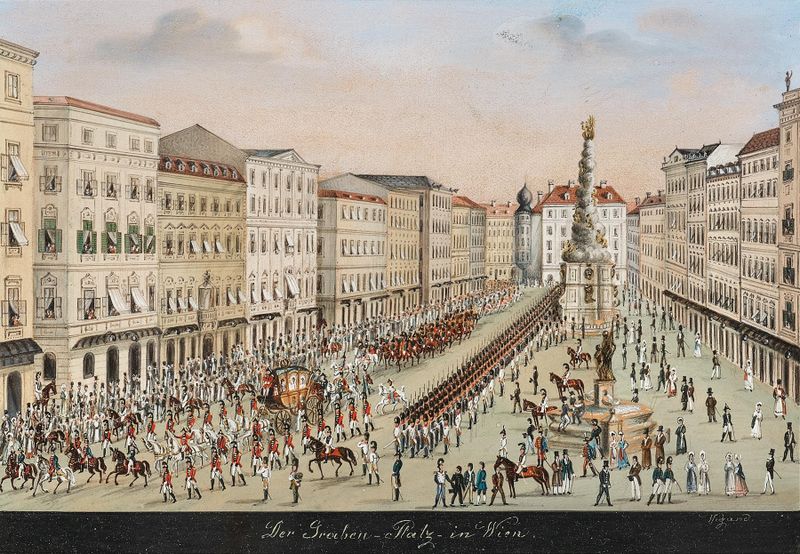
Graben in Vienna with Plague Column, an Imperial coach and a military event
Balthasar Wigand

Wiener Hofburg
Balthasar Wigand

Sewing case
Balthasar Wigand
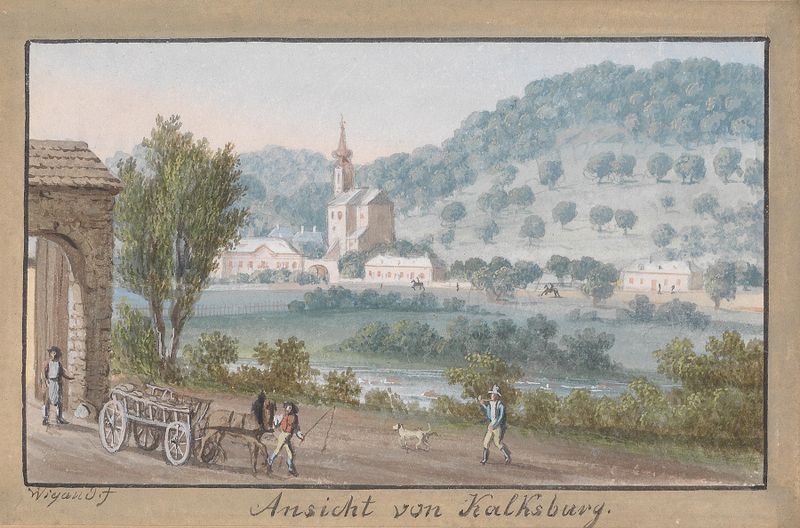
Ansicht von Kalksburg
Balthasar Wigand

Lerchenfelder Linie Große Kirchenparade
Balthasar Wigand
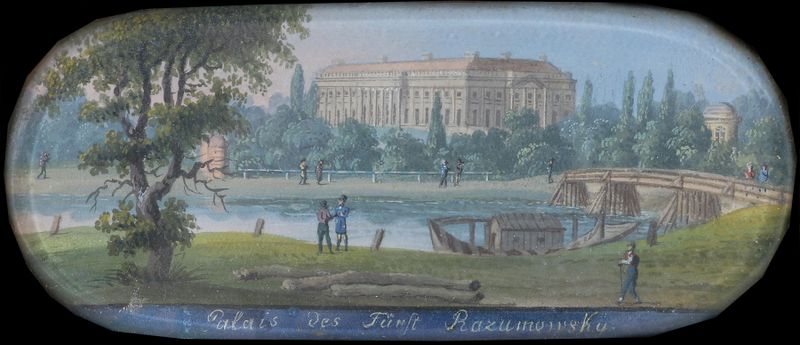
Palais des Fürst Razumowsky
Balthasar Wigand
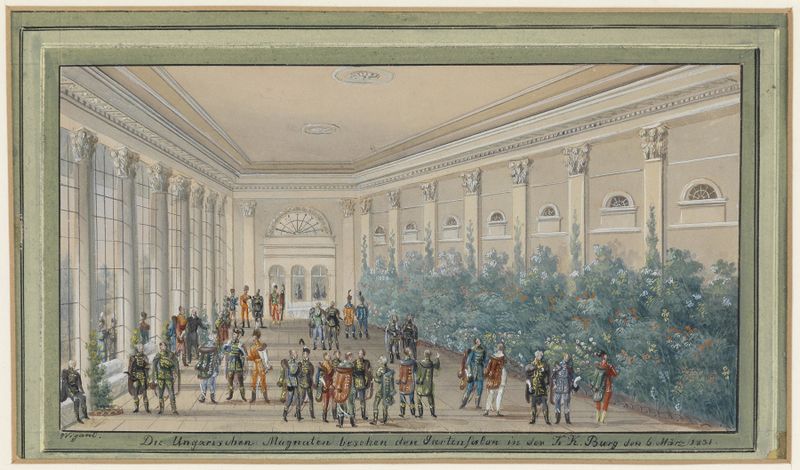
Die Ungarischen Magnaten besuchen den Gartensalon in der Burg
Balthasar Wigand
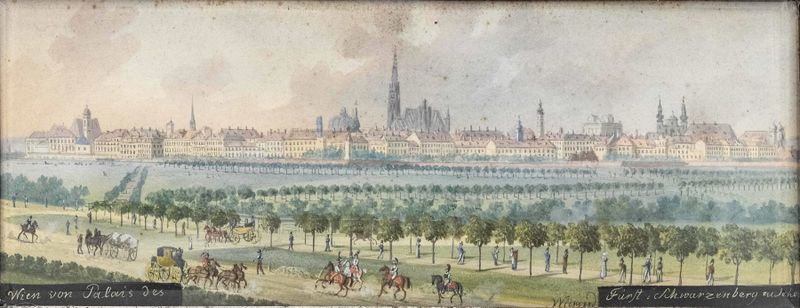
Wien vom Palais Schwarzenberg aus gesehen
Balthasar Wigand
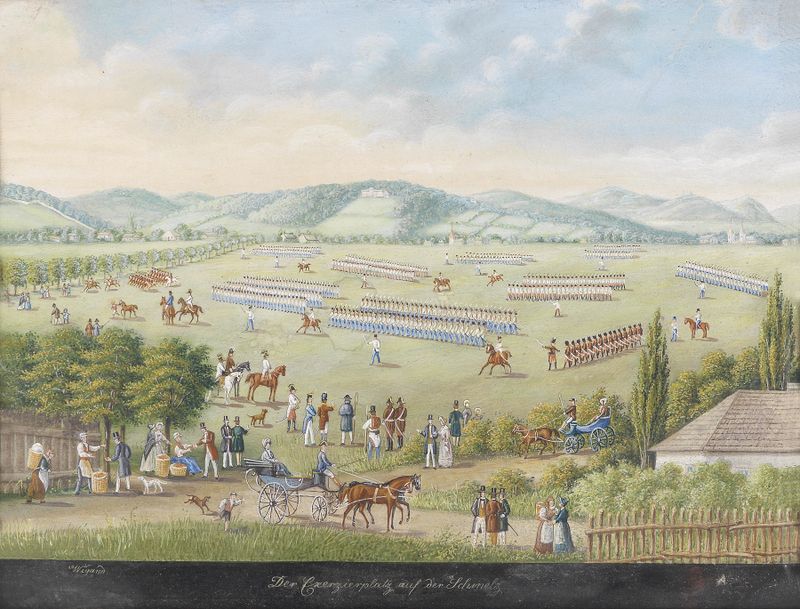
Exerzierplatz auf der Schmelz
Balthasar Wigand
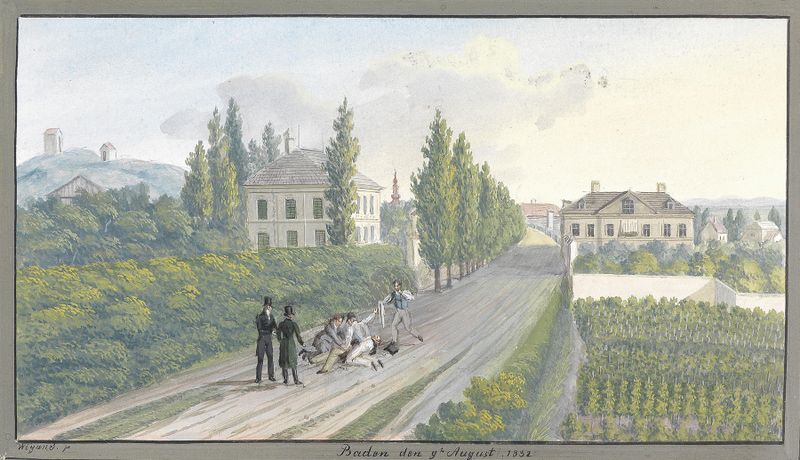
Duell Baden
Balthasar Wigand





