
Les Ajoux, Giverny — History & Facts
When did color learn to lie? In Les Ajoux, Giverny, layers of vibrant hues cast shadows that seem to whisper the secrets of loss, drawing the viewer into a world where beauty serves as both a veil and a reminder of what is gone. Focus on the lush greens that blanket the canvas, alive with the brushstrokes of the artist. Notice how the light dances across the surface of the water, creating a kaleidoscope of reflections that shimmer and distort reality. The interplay of shadow and color evokes a serene yet melancholic atmosphere, inviting you to explore the subtle contrasts between joy and nostalgia woven into the landscape. Beneath the tranquil exterior, deep emotional currents surge.
The vibrant palette symbolizes vitality, yet the muted undertones suggest a lingering sadness, a sense of something precious slipping away. The arrangement of elements in the painting juxtaposes the vibrancy of nature with the quiet stillness of loss, encapsulating the fleeting moments that exist between beauty and sorrow. Each brushstroke reveals a tension between the present beauty and the shadows of remembrance that haunt the scene. Theodore Earl Butler painted this masterpiece in 1910 while living in Giverny, a place deeply influenced by the Impressionist movement.
At this time, he was immersed in a world transitioning from pure impressionism toward more modern expressions. The artist’s personal experiences of love and loss during this period permeated his work, encapsulating the essence of fleeting moments that characterized his life and those around him.
More Artworks by Theodore Earl Butler
Browse all →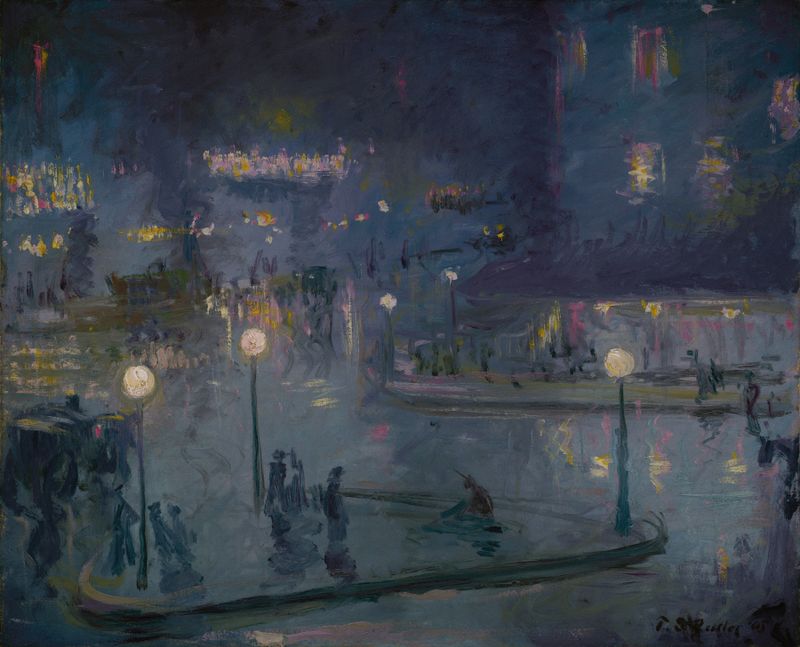
Place de Rome at Night
Theodore Earl Butler
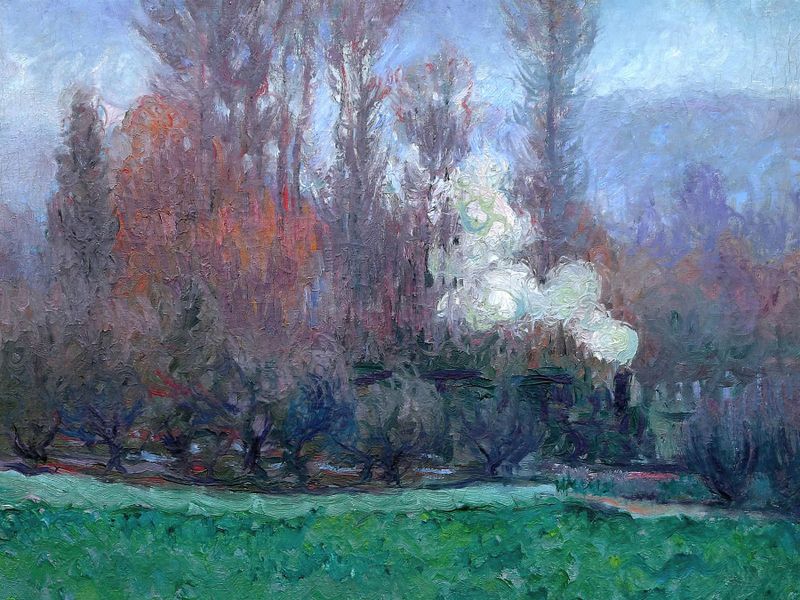
Le Train à Giverny
Theodore Earl Butler
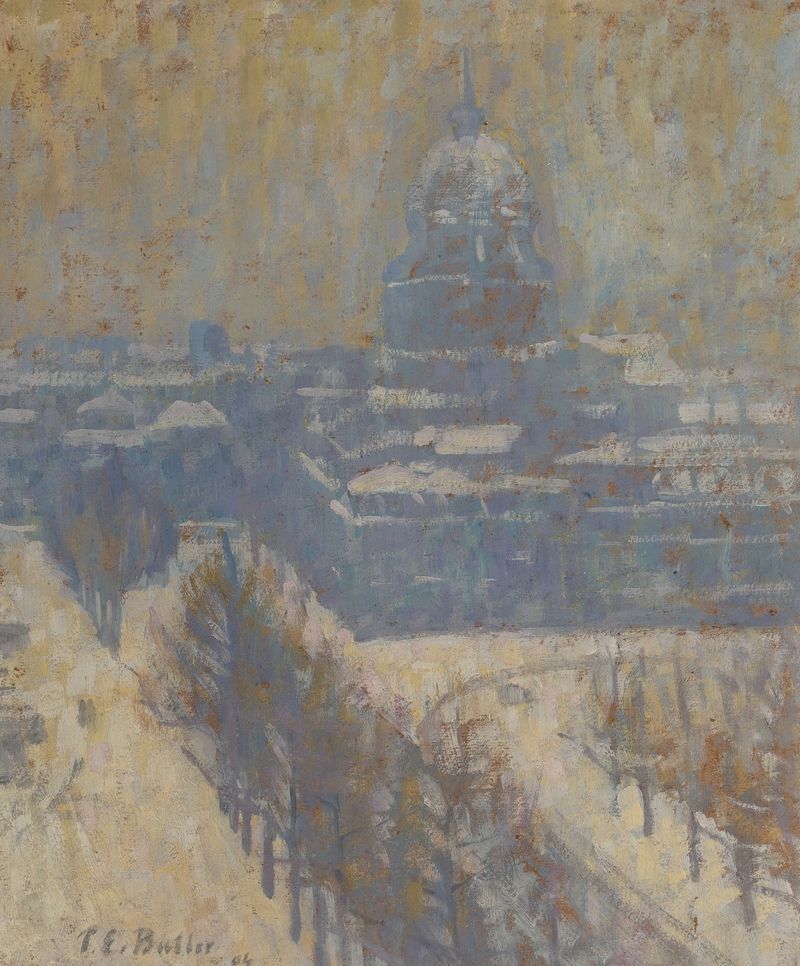
Les Invalides, Paris
Theodore Earl Butler
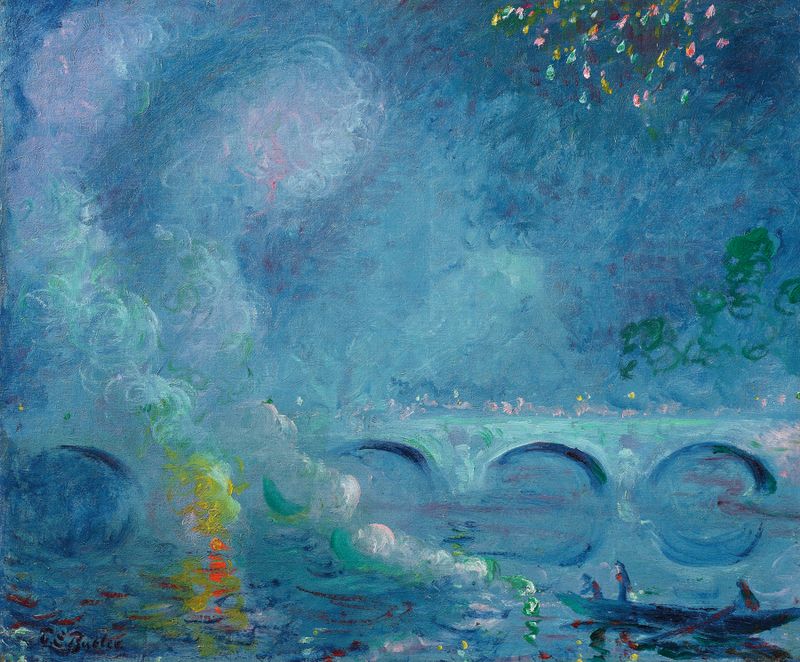
Fireworks, Vernon Bridge
Theodore Earl Butler

Flower Garden
Theodore Earl Butler
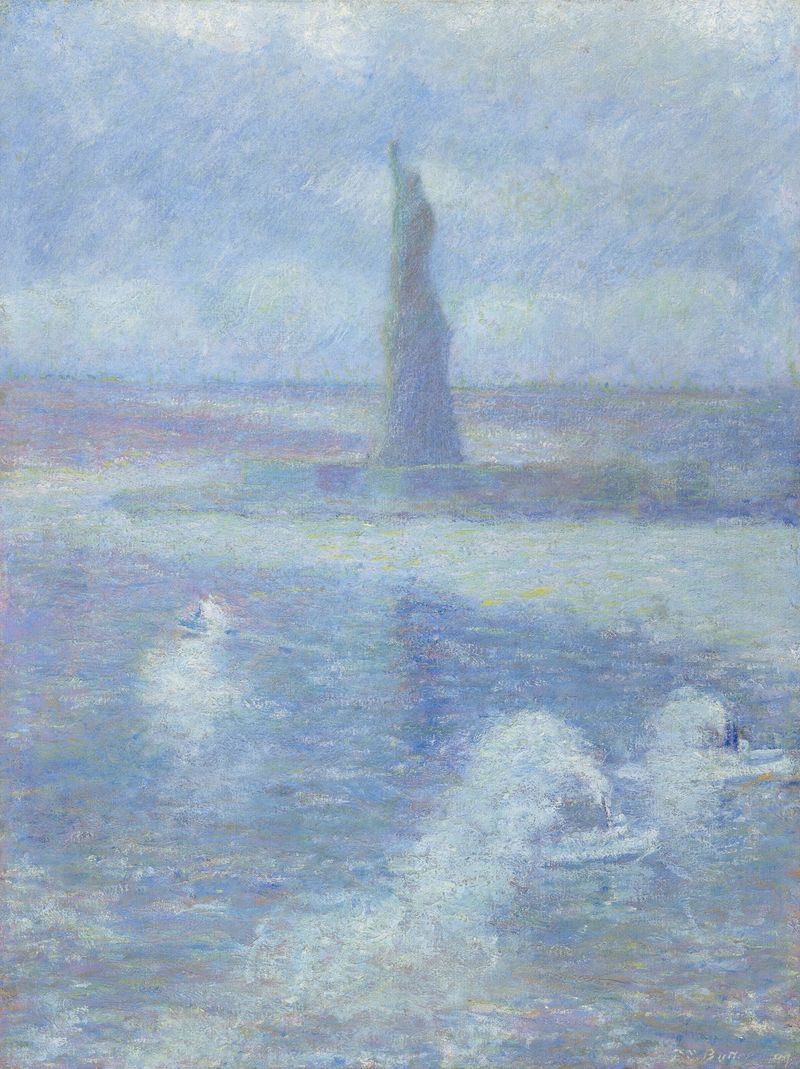
Statue of Liberty, N.Y. in Mist
Theodore Earl Butler
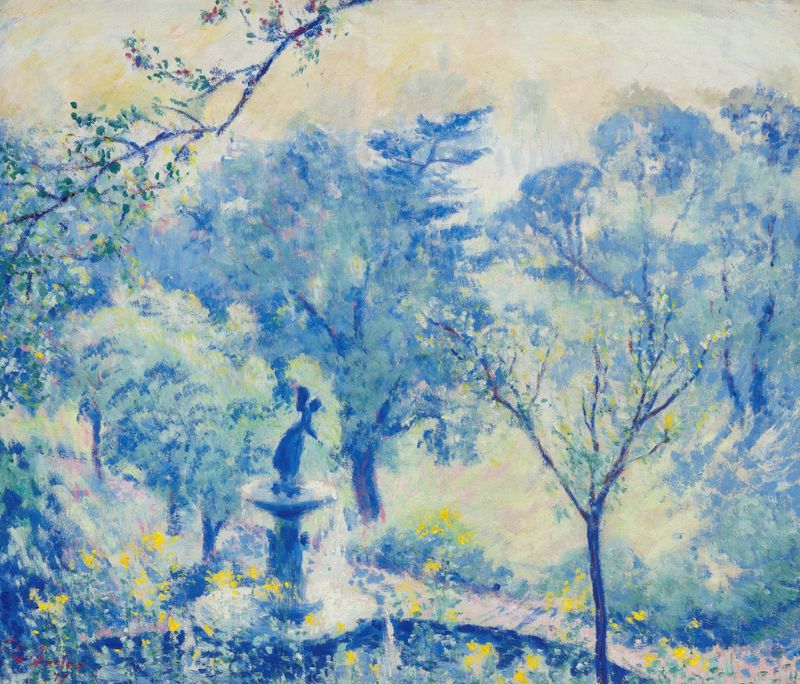
Bethesda Fountain, Central Park, New York
Theodore Earl Butler
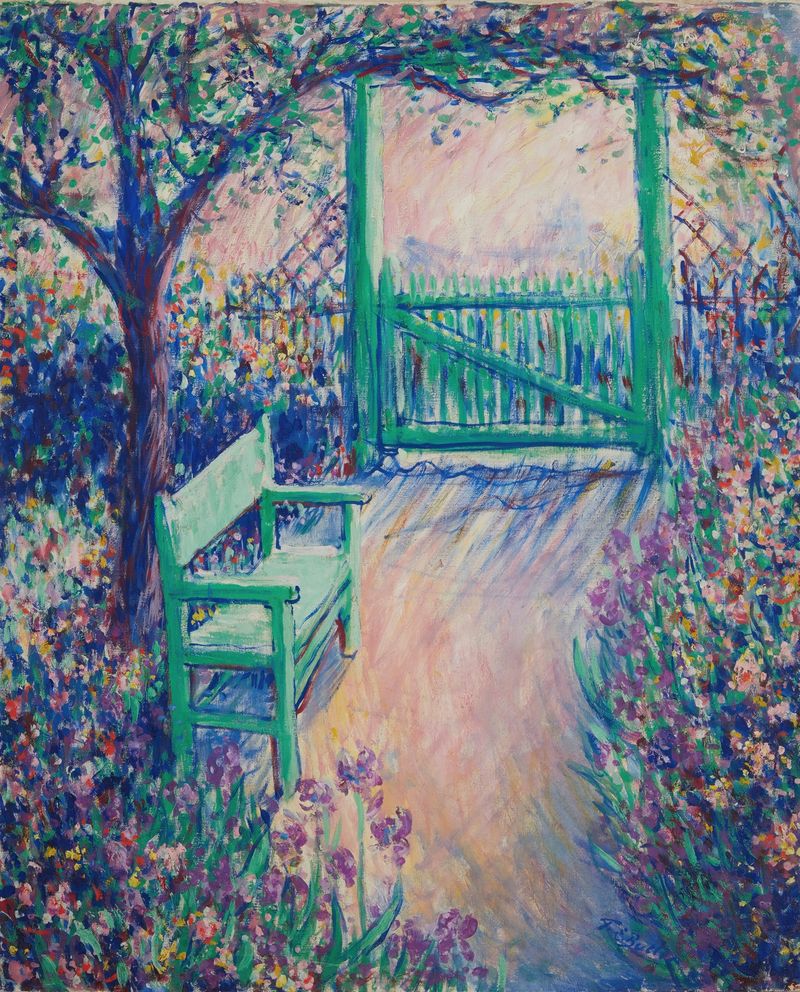
The Artist’s Garden (The Green Chair)
Theodore Earl Butler

Château-Gaillard, Les Andelys, on the Seine
Theodore Earl Butler

Les Déserts, Giverny
Theodore Earl Butler





