
Les Asiles de nuit L’asile du quai de Valmy, n°107, la douche — History & Facts
Who listens when art speaks of silence? In Les Asiles de nuit L’asile du quai de Valmy, n°107, la douche, the essence of madness is captured in a haunting stillness that echoes within the viewer's mind. Focus on the figure in the center, their disheveled hair and forlorn gaze drawing you in. The muted colors—shades of grey and soft blue—infuse the scene with a chill, emphasizing the starkness of the institutional setting. Notice how the harsh light falls upon the figure, casting deep shadows that accentuate the contours of despair.
The composition feels claustrophobic, with the shower stall looming behind, a silent witness to the daily rituals of confinement. Within this somber tableau lies an exploration of isolation and the fragility of sanity. The figure’s expression, a blend of resignation and yearning, invites contemplation on the thin line between clarity and chaos. The interplay of light and shadow symbolizes the duality of existence within madness—a delicate balance where moments of clarity flicker amidst overwhelming darkness.
The stark simplicity of the setting underscores the emotional weight, drawing attention to the unspoken stories of those trapped in the asylum’s walls. F. Séguin painted this work in 1895, a period marked by growing awareness and critique of mental health institutions. As the art world was grappling with realism and the psychological undercurrents of human existence, Séguin’s portrayal was a poignant commentary.
His personal experiences in the field of psychiatry informed a work that resonates with vulnerability and stark honesty, inviting viewers to engage with the often-ignored narratives of mental turmoil.
More Artworks by F. Séguin
Browse all →
Rue Brantôme. (anciennement rue des Petits Champs donnant rue Saint Martin et rue Beaubourg)
F. Séguin
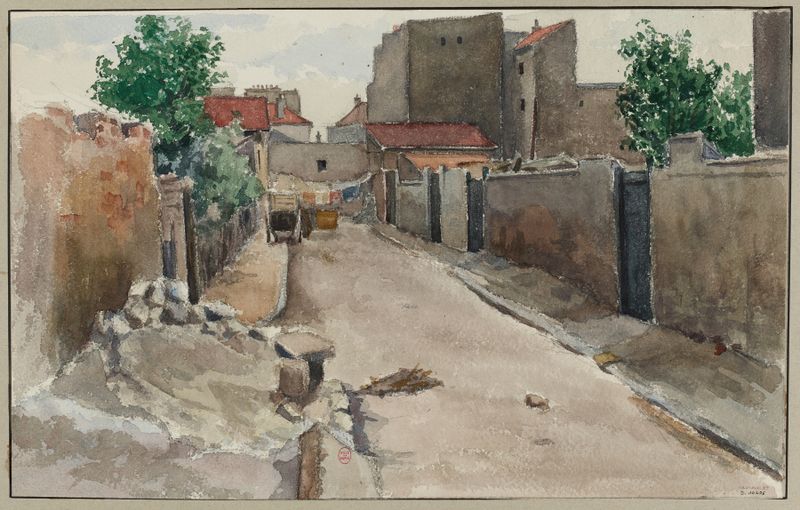
La rue de Chambéry, prise de la rue de Nice la Frontière
F. Séguin
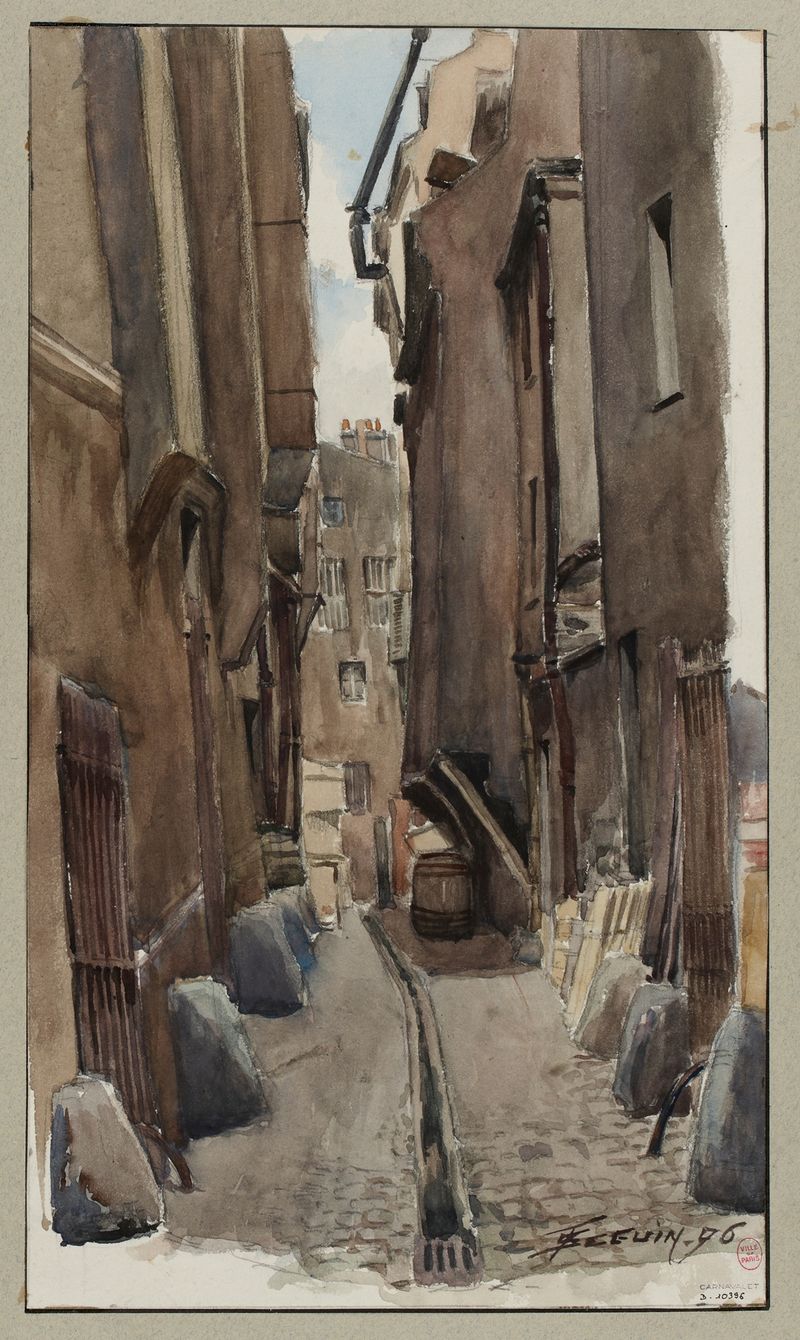
Le Cul de sac du Bœuf, (rue Saint Merri)
F. Séguin

Rue Descartes
F. Séguin
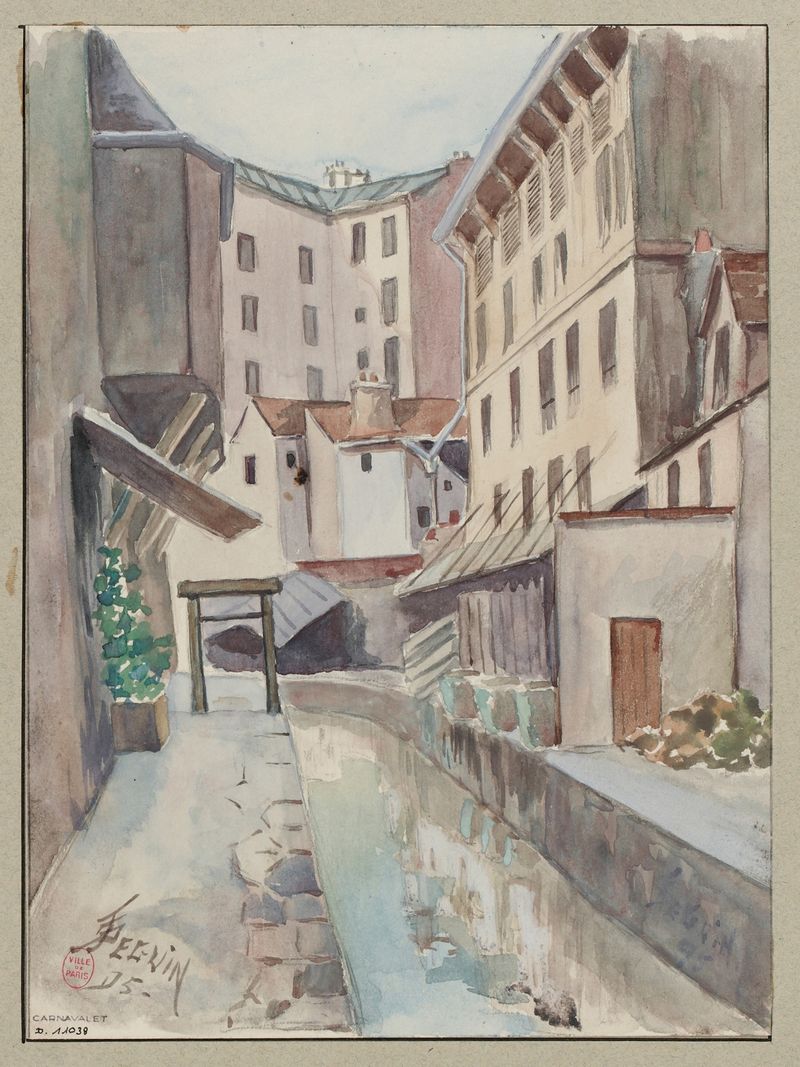
Le bord de la Bièvre à l’avenue des Gobelins
F. Séguin

Villa des Otages mur où furent fusillés les 52 derniers otages de la Commune, rue Haxo
F. Séguin
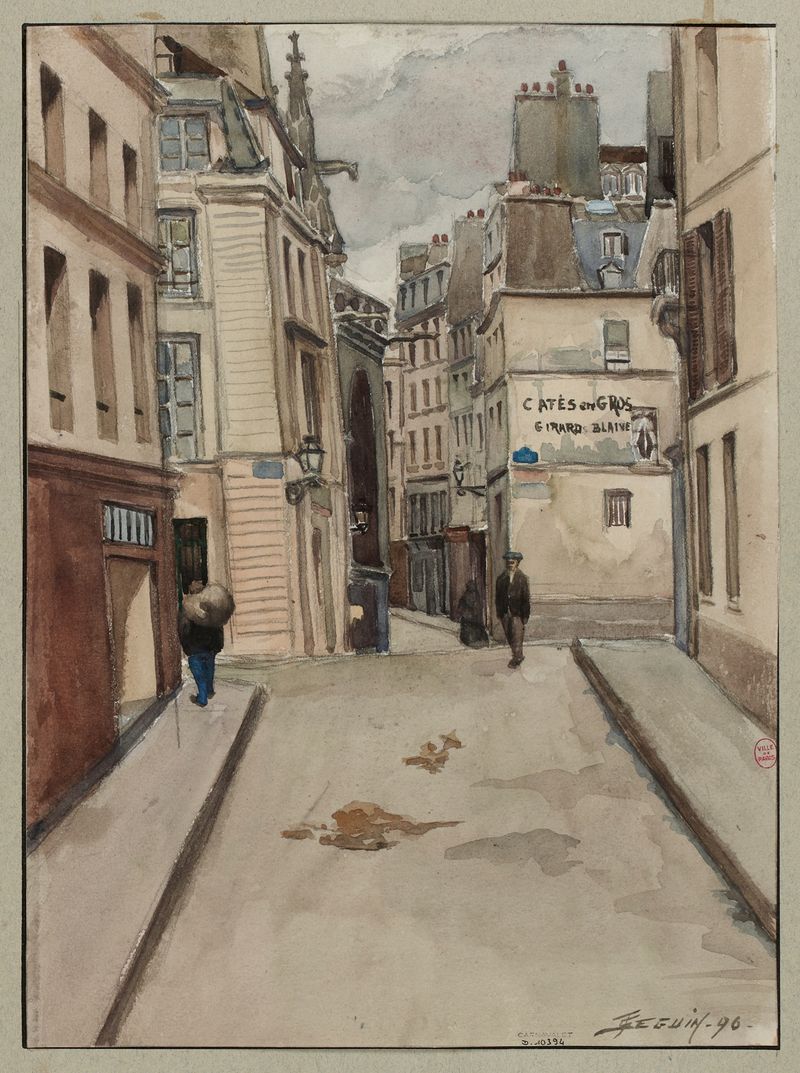
Rue du Cloître Saint Mérry, de la rue du Renard à la rue Saint Martin
F. Séguin
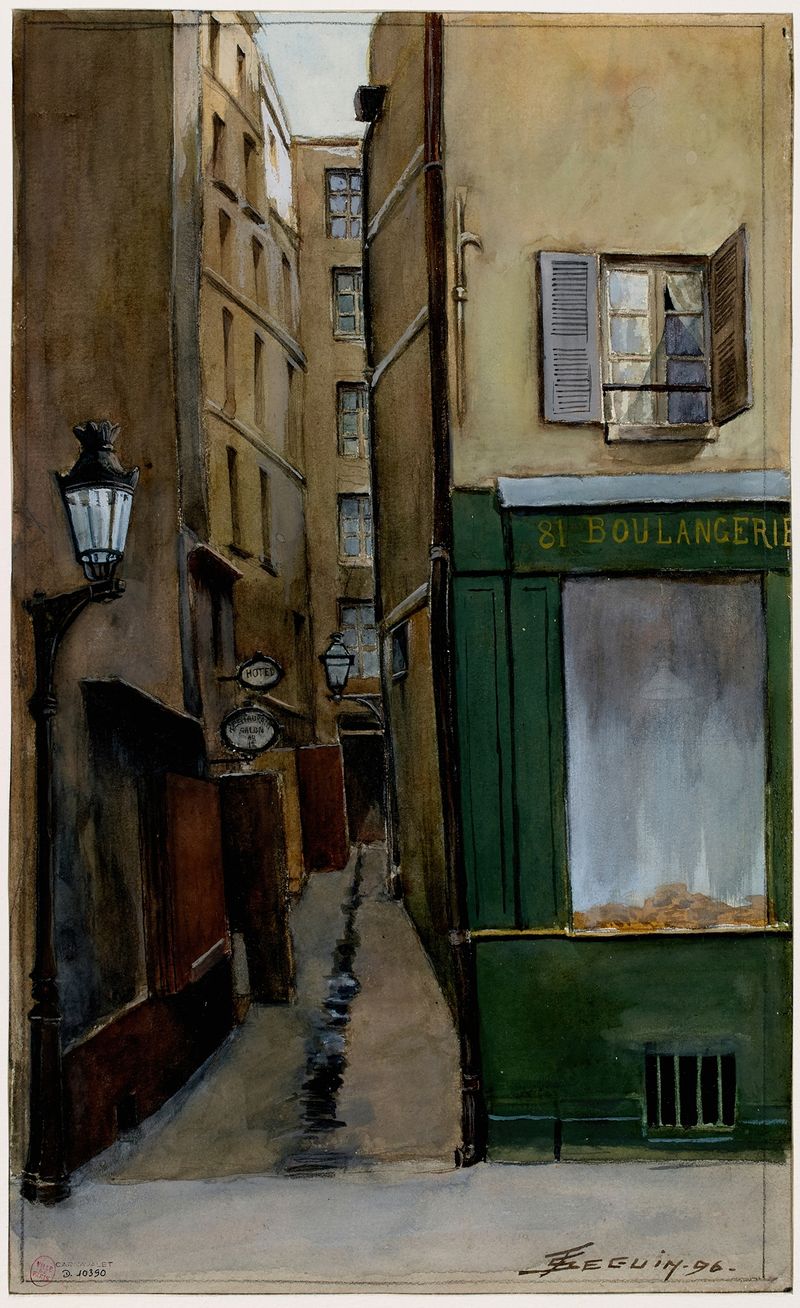
Cul de sac du Fiacre, 81 rue Saint Martin
F. Séguin
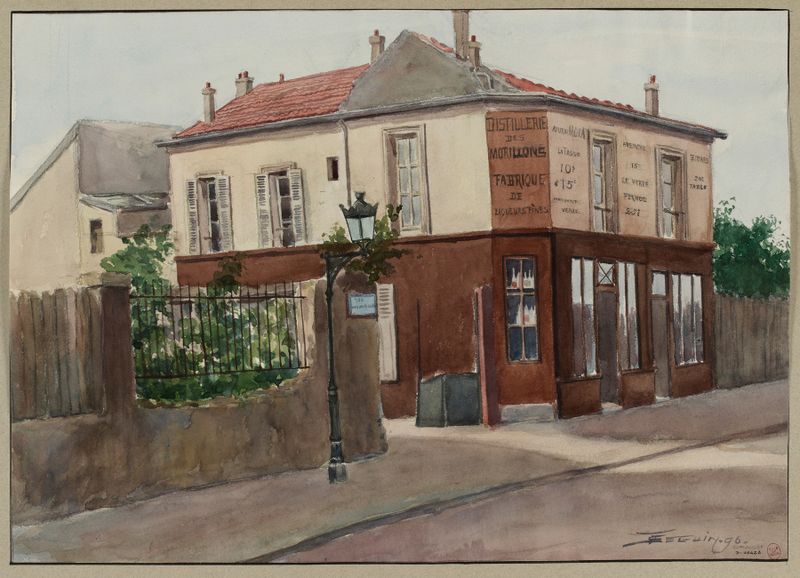
Angle de l’impasse Carlier et au 24 rue des Morillons, Vaugirard
F. Séguin
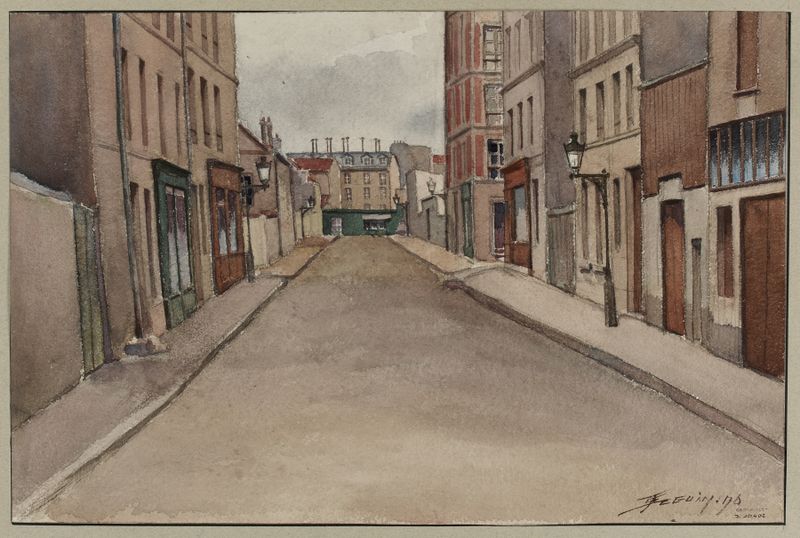
Rue Franquet
F. Séguin





