
Les Bause — History & Facts
Each stroke holds a whisper of betrayal, a silent guardian of hidden truths waiting to be unveiled. Look to the left; the somber palette of deep blues and grays draws your gaze, hinting at an emotional undercurrent. The figures, rendered with meticulous detail, stand in uneasy proximity, their expressions infused with tension. The contrast between the cool colors and the wisps of warmer tones creates an unsettling harmony, inviting the viewer to question the interactions among them. Notice the subtle gestures — a hand poised yet hesitant, an averted gaze — suggesting unspoken words and unresolved conflicts.
The composition offers a fleeting glimpse into a moment thick with anticipation, where the weight of past betrayals lingers palpably in the air. Each character's placement within the frame amplifies the sense of distance, as if despite their shared space, they are worlds apart. Hermann Lismann created Les Bause in 1911 during a period of significant change in European art, where modernist ideas began to challenge traditional forms. At this time, Lismann was exploring complex themes of human relationships and emotional landscapes, reflecting a society grappling with the aftermath of social and political upheaval.
His work resonates with the tensions of an era poised on the brink of transformation, enveloped in an atmosphere of uncertainty.
More Artworks by Hermann Lismann
Browse all →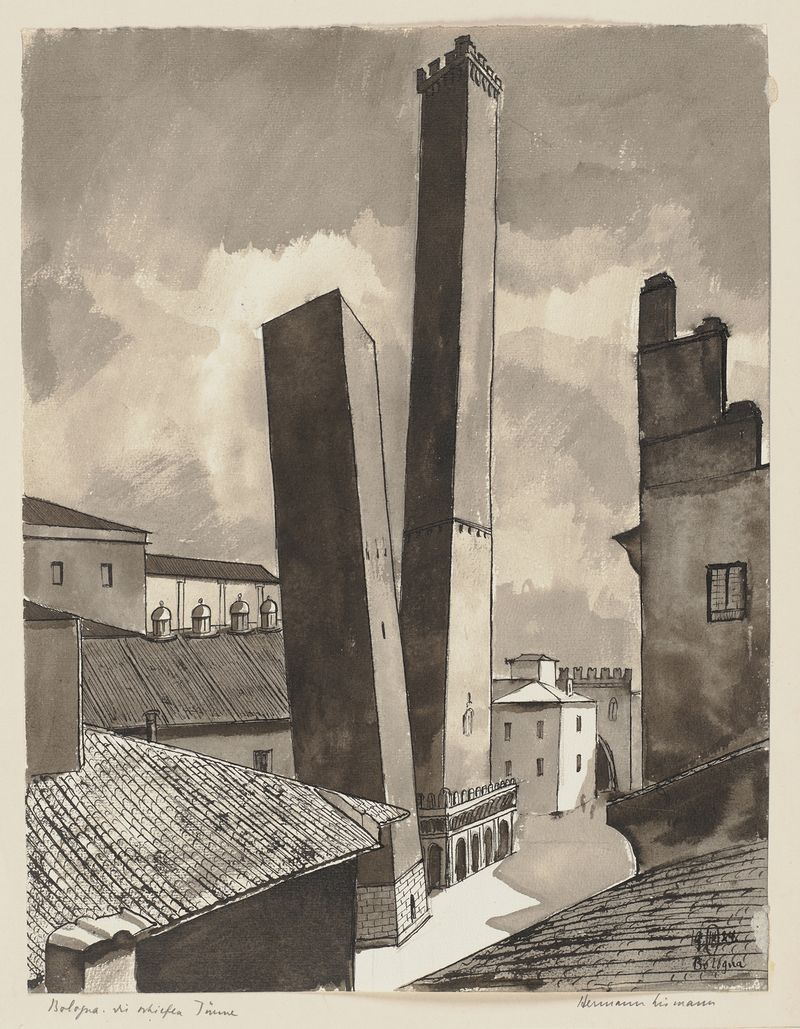
Die beiden Türme Garisenda und Asinelli in Bologna
Hermann Lismann
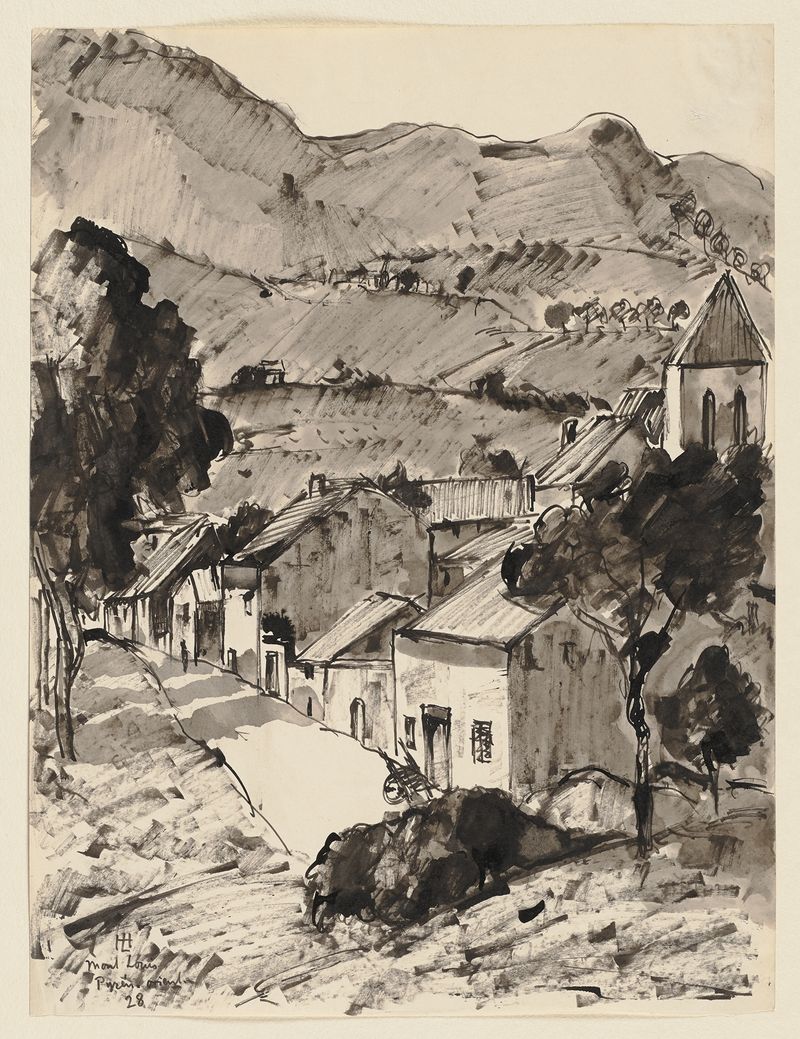
Mont-Louis
Hermann Lismann
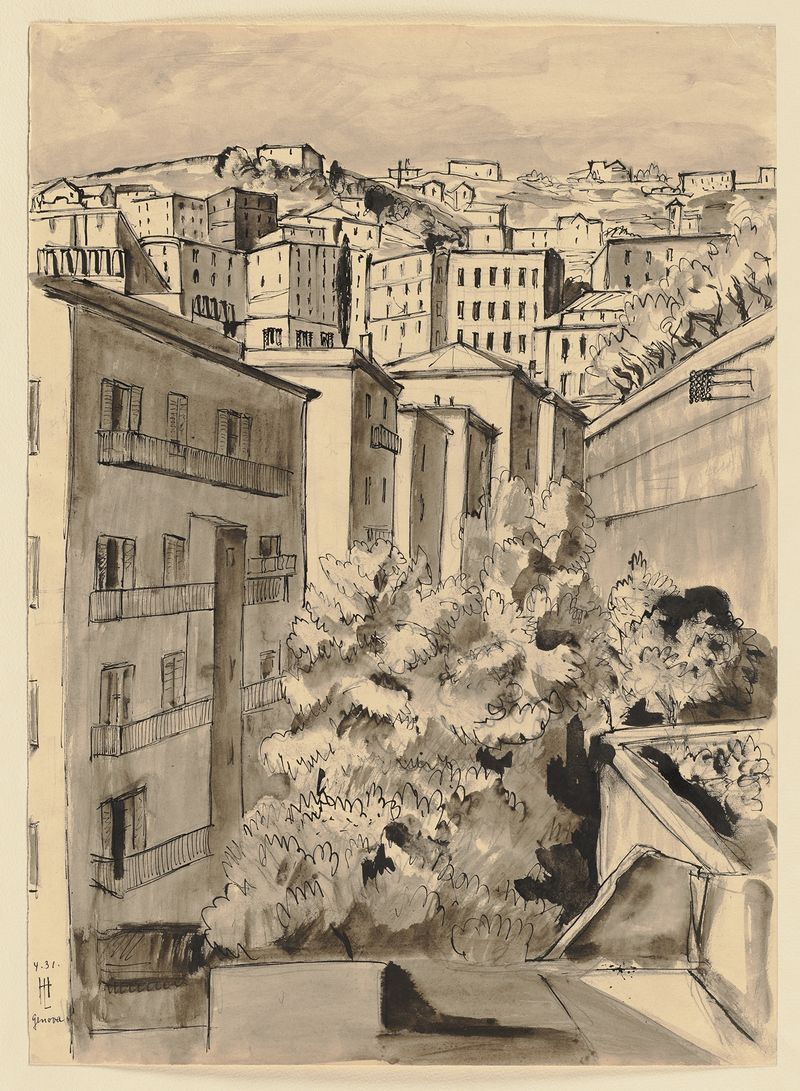
View of Genoa
Hermann Lismann
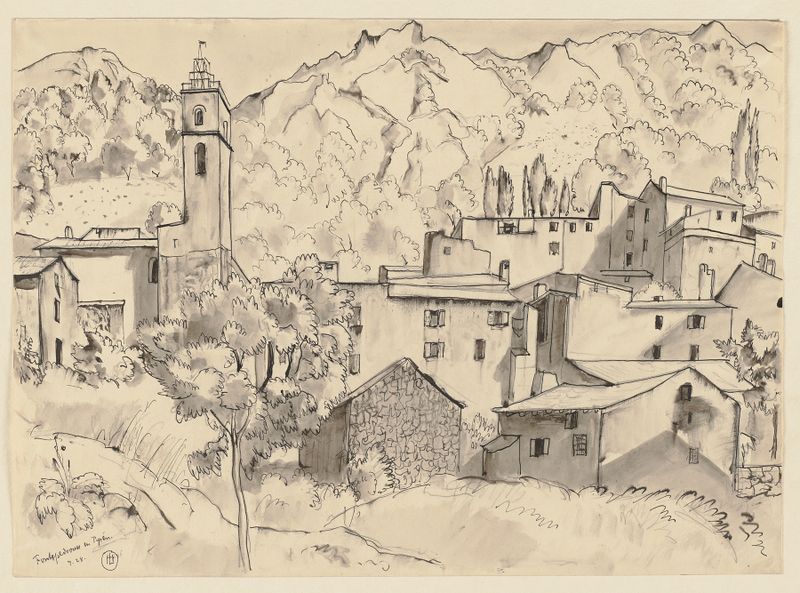
Fontpédrouse en Pyrénées
Hermann Lismann
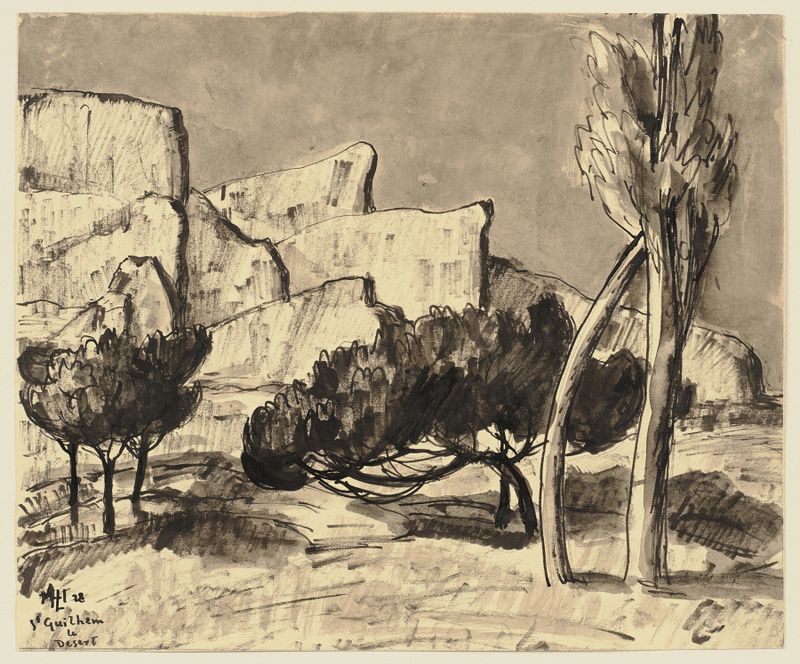
Saint-Guilhem-le-Désert
Hermann Lismann
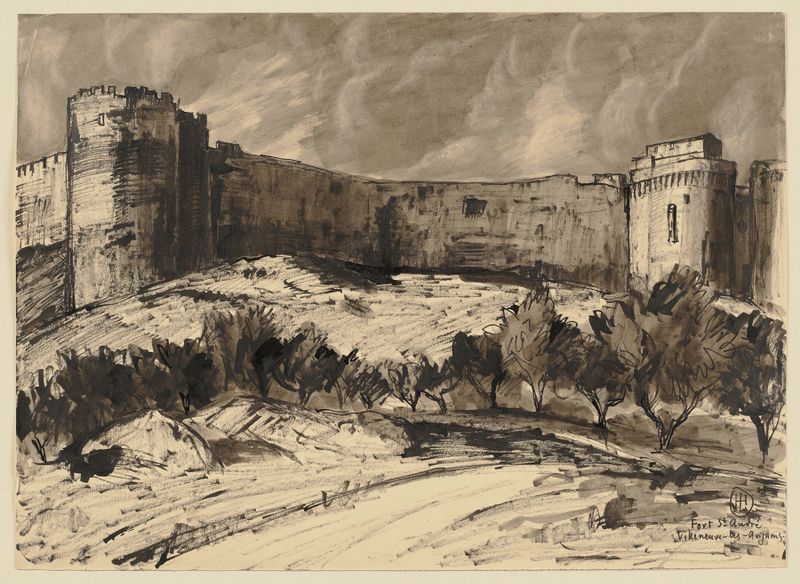
Fort Saint-André in Villeneuve-les-Avignon
Hermann Lismann
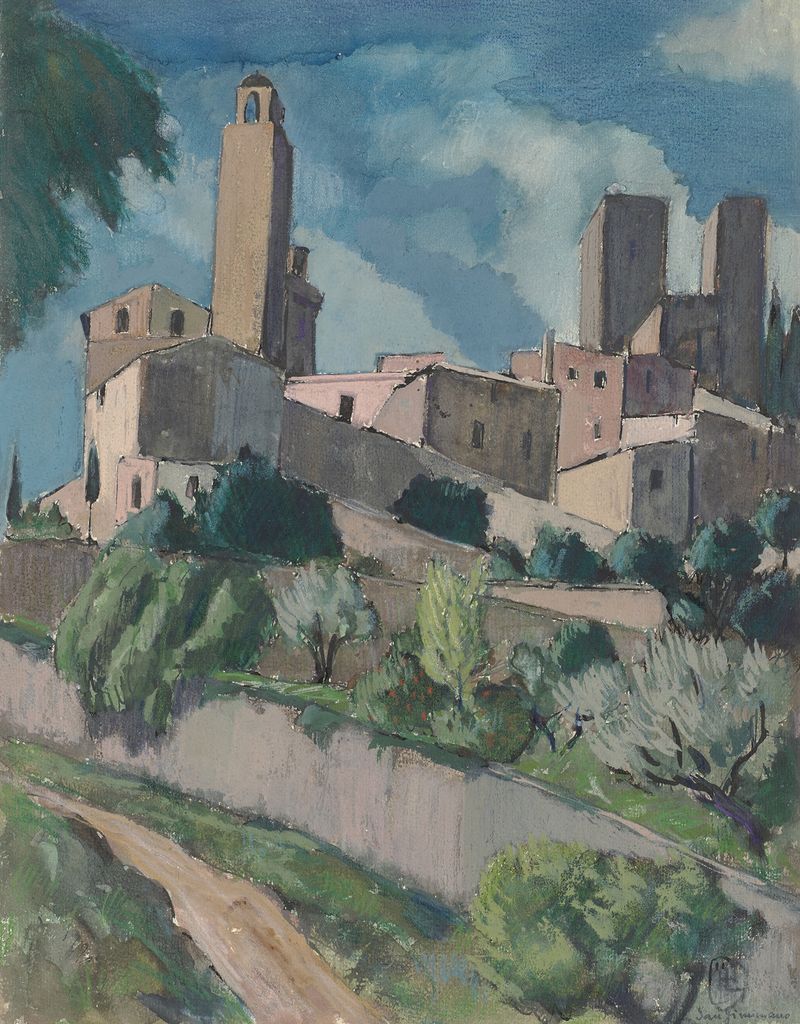
San Gimignano
Hermann Lismann
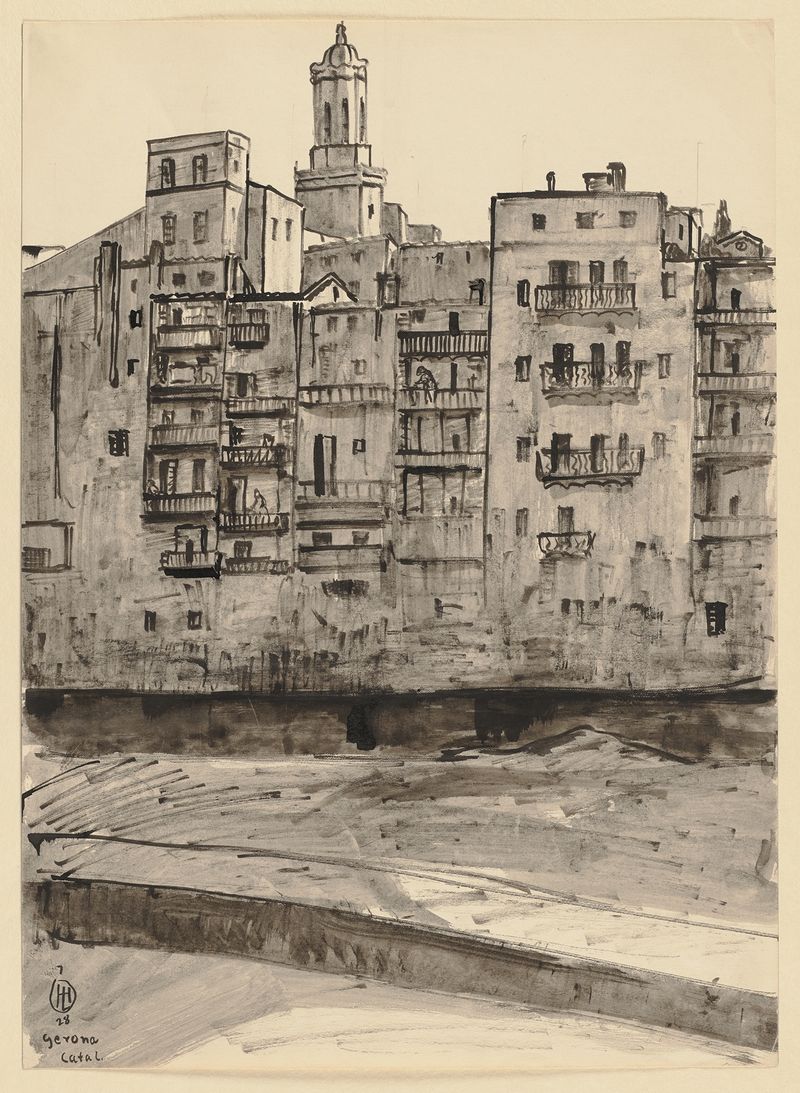
Girona vom Fluss aus gesehen, im Hintergrund der Turm der Kathedrale
Hermann Lismann
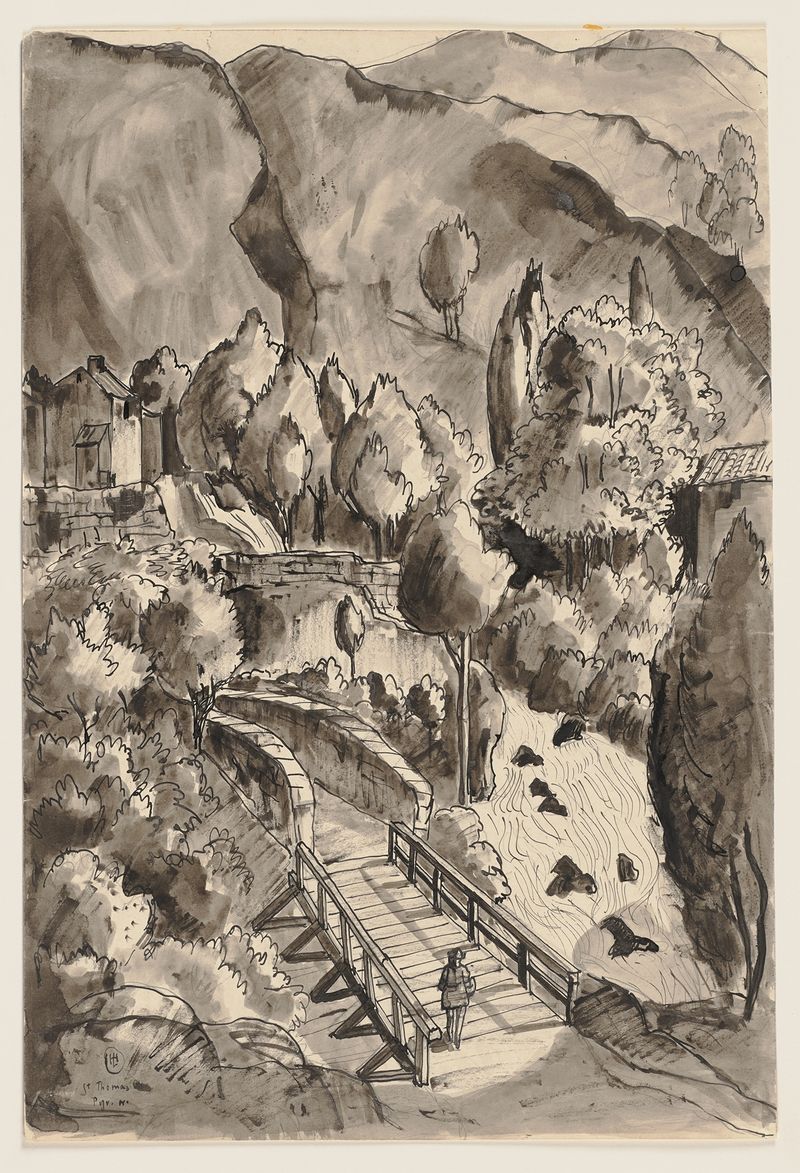
Saint Thomas, Pyrénées
Hermann Lismann
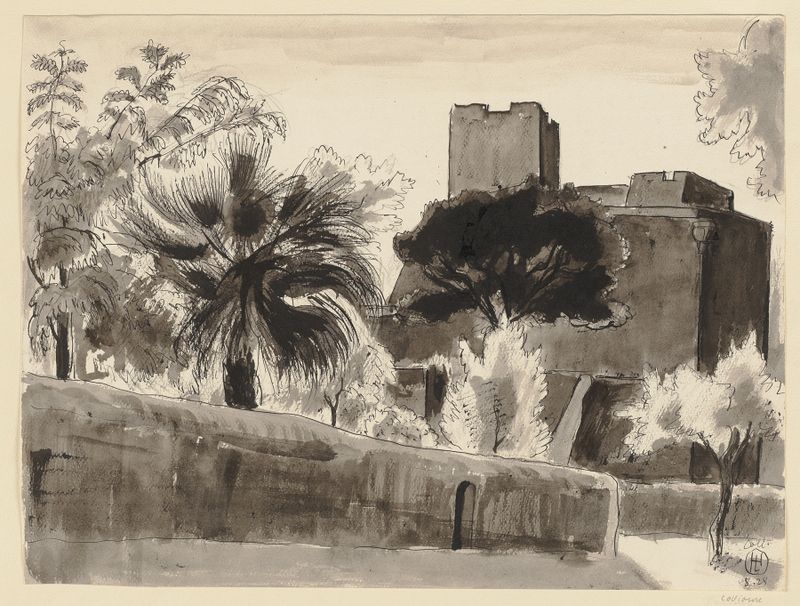
Collioure
Hermann Lismann





