
Les Baux-de-Provence — History & Facts
This sentiment captures the essence of how art intertwines with destiny, preserving fleeting moments that might otherwise vanish. In Les Baux-de-Provence, we find a haunting reminder of the beauty of impermanence and the landscapes that shape our memories. Look to the left at the rugged cliffs, their stark forms rendered with bold, expressive brushstrokes that invite you to explore their every contour. The warm hues of ochre and soft greens breathe life into the scene, while the play of light creates depth, making the viewer feel as if they could step into this sun-drenched landscape.
Notice how the delicate interplay between shadow and light draws your eye towards the quaint village nestled among the rocks, suggesting a connection between the inhabitants and their surroundings that is both intimate and timeless. Deep beneath the surface, the painting embodies the tension between nature and human existence. The cliffs stand as guardians of the village, hinting at both protection and isolation. There is an underlying reminder of impermanence; the village, though vibrant, will one day succumb to the relentless passage of time.
This duality, coupled with the serene yet rugged landscape, evokes a sense of destiny that is ever present, encouraging reflection on our place within the world. Hermann Lismann created this work during an era when artists sought to capture the essence of their surroundings in a rapidly changing world. The exact date remains uncertain, but it aligns with his explorations in southern France, where he immersed himself in the regional landscape. This period was marked by an interest in blending impressionist techniques with a stronger emphasis on emotional resonance, reflecting the broader shifts in the art world as it transitioned into the modern age.
More Artworks by Hermann Lismann
Browse all →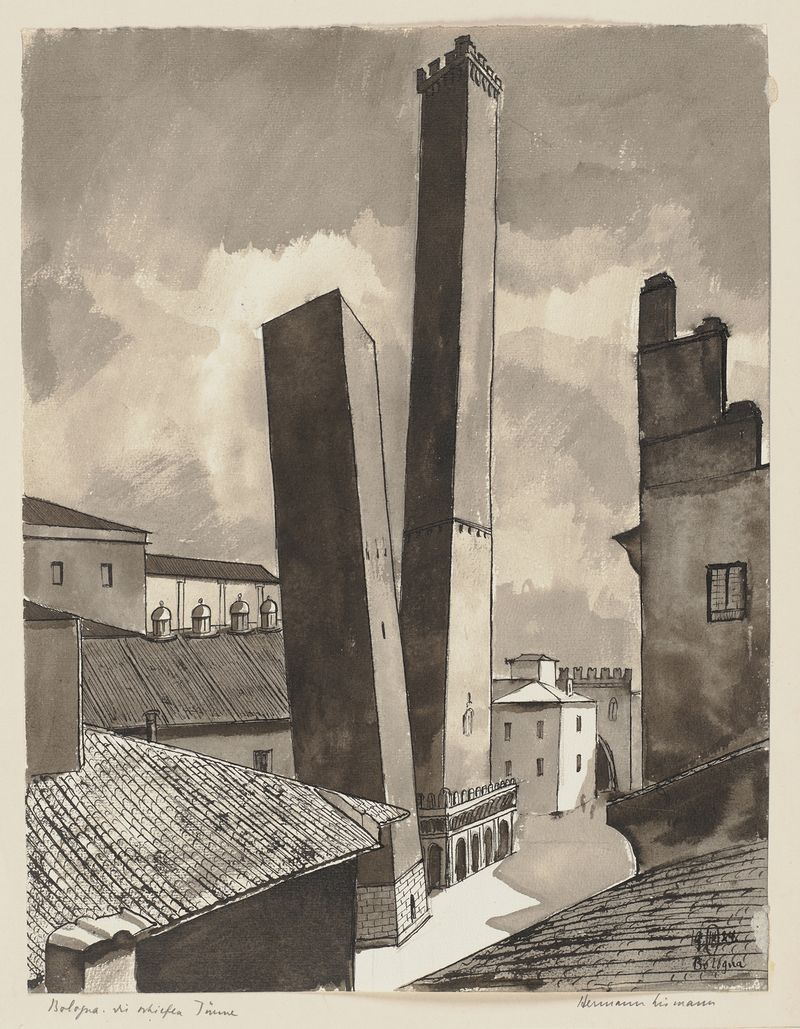
Die beiden Türme Garisenda und Asinelli in Bologna
Hermann Lismann
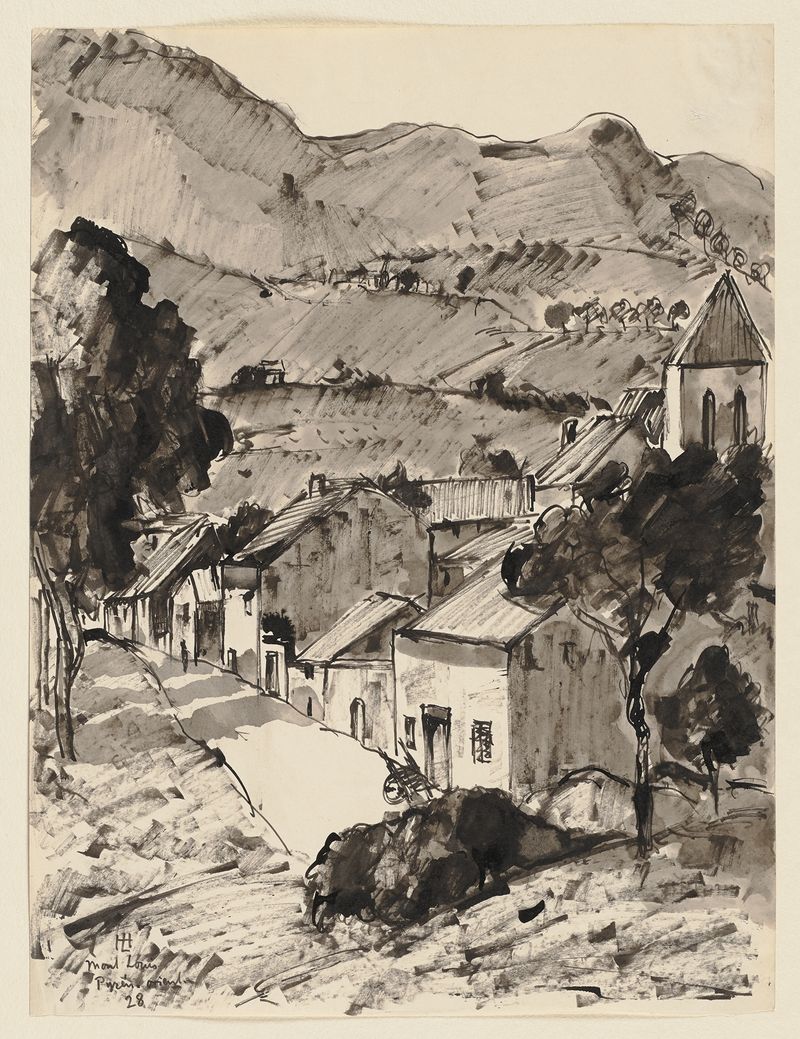
Mont-Louis
Hermann Lismann
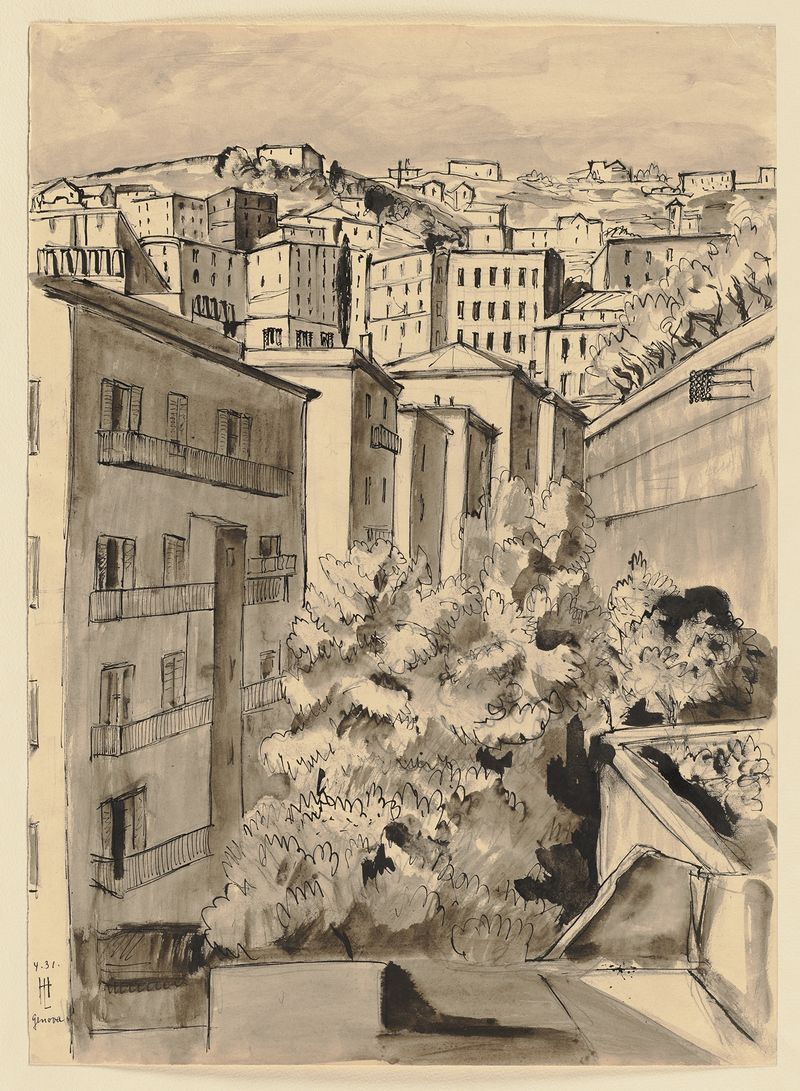
View of Genoa
Hermann Lismann
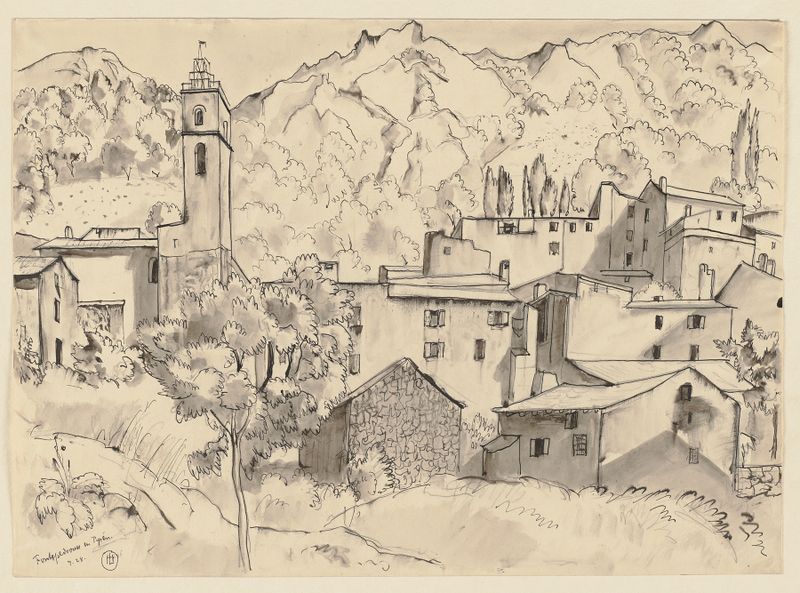
Fontpédrouse en Pyrénées
Hermann Lismann
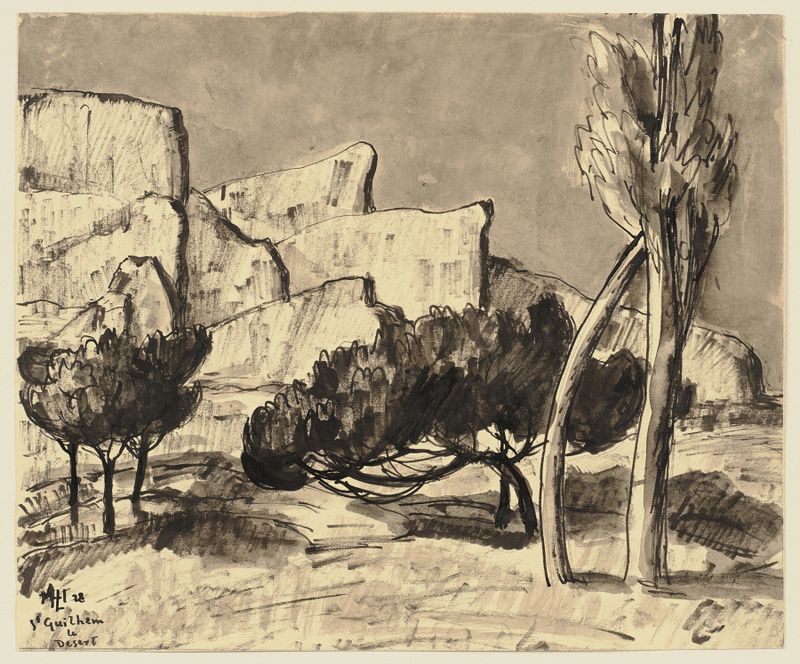
Saint-Guilhem-le-Désert
Hermann Lismann
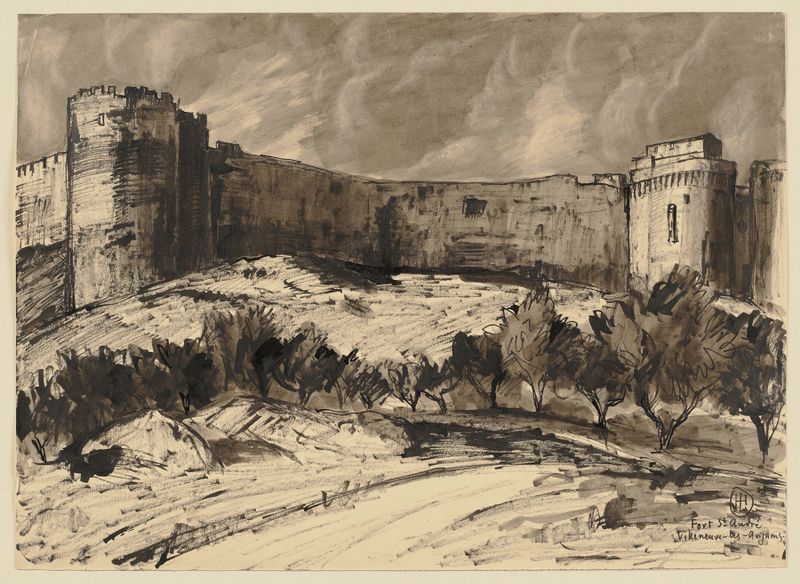
Fort Saint-André in Villeneuve-les-Avignon
Hermann Lismann
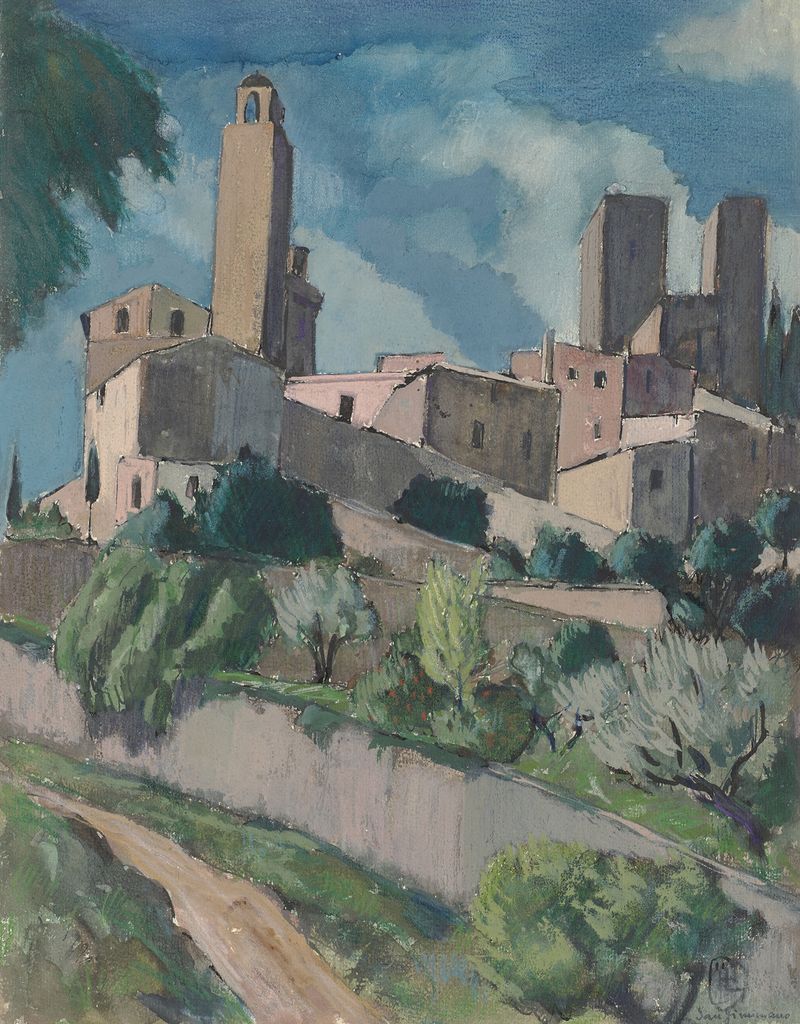
San Gimignano
Hermann Lismann
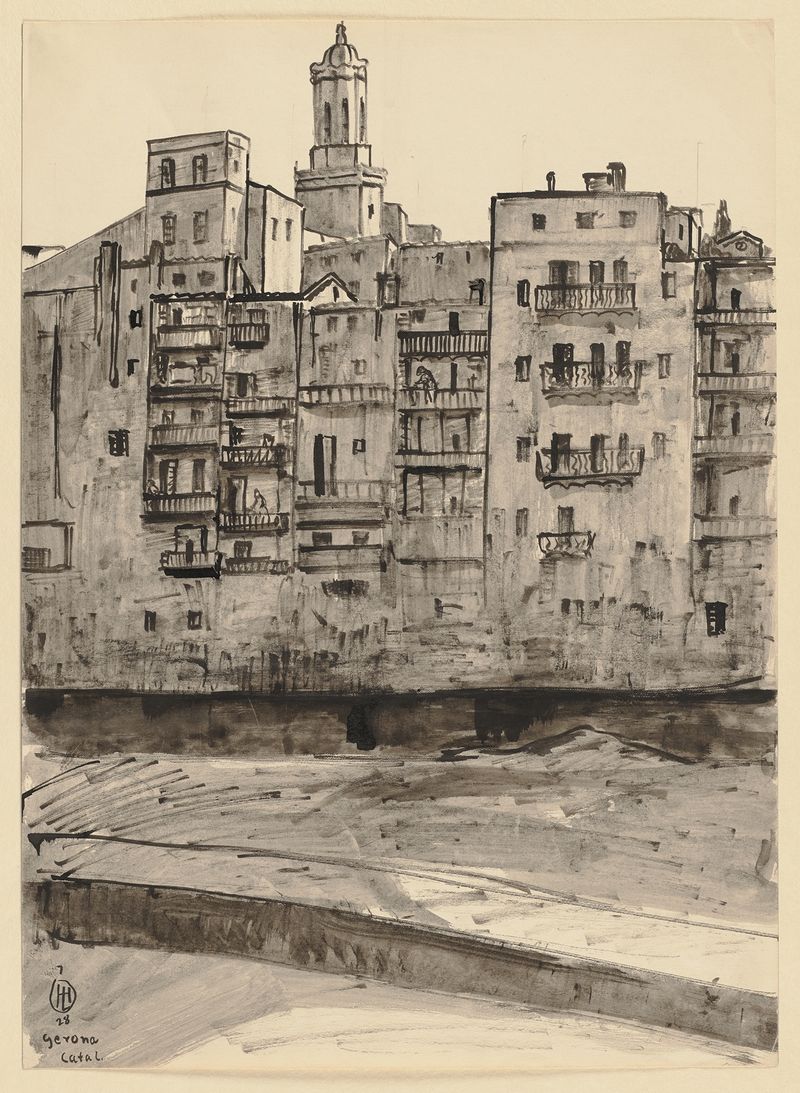
Girona vom Fluss aus gesehen, im Hintergrund der Turm der Kathedrale
Hermann Lismann
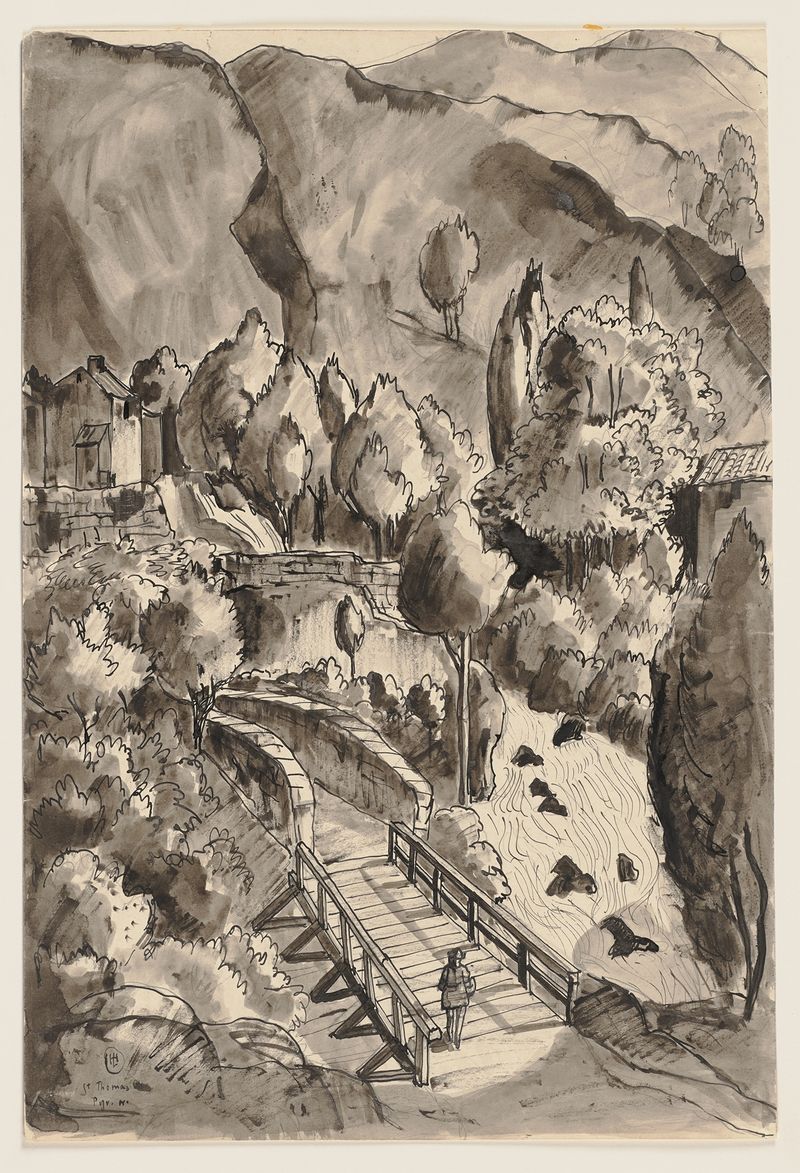
Saint Thomas, Pyrénées
Hermann Lismann
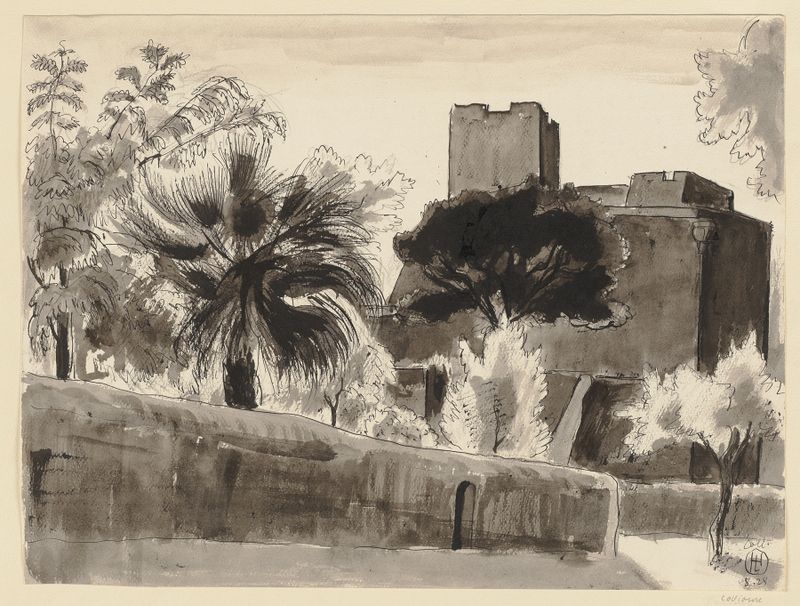
Collioure
Hermann Lismann





