
Les enfants pauvres devant l’âtre — History & Facts
In Les enfants pauvres devant l’âtre, we see a group of impoverished children gathered around a warm hearth. The colors are muted, with browns and grays dominating the scene, creating a somber yet intimate atmosphere. The children's expressions reflect a mix of curiosity and resignation, highlighting their difficult circumstances.
The setting suggests a humble home, emphasizing the theme of poverty and survival. The painting is executed in oil on panel, a medium that allows for rich texture and depth. Spilliaert's technique is characterized by his use of light and shadow, which adds a dramatic quality to the scene. The composition is tightly focused on the figures, drawing the viewer's attention to their expressions and interactions.
This work exemplifies Spilliaert's ability to convey emotion through simple yet powerful imagery. Léon Spilliaert was a Belgian artist known for his Symbolist style, often exploring themes of isolation and melancholy. This particular work reflects his interest in the human condition, particularly the plight of the less fortunate. An interesting fact about this painting is that it was created during a time when Spilliaert was deeply influenced by the social issues of his environment, making it a poignant commentary on poverty.
The painting remains in a private collection, highlighting its significance in the artist's oeuvre.
More Artworks by Léon Spilliaert

Beachview at night
Léon Spilliaert
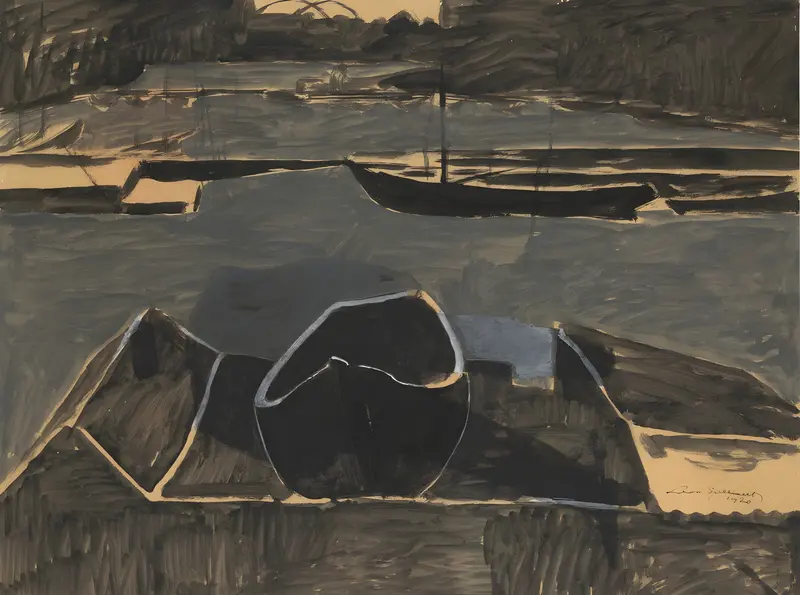
The Docks of Ostend
Léon Spilliaert
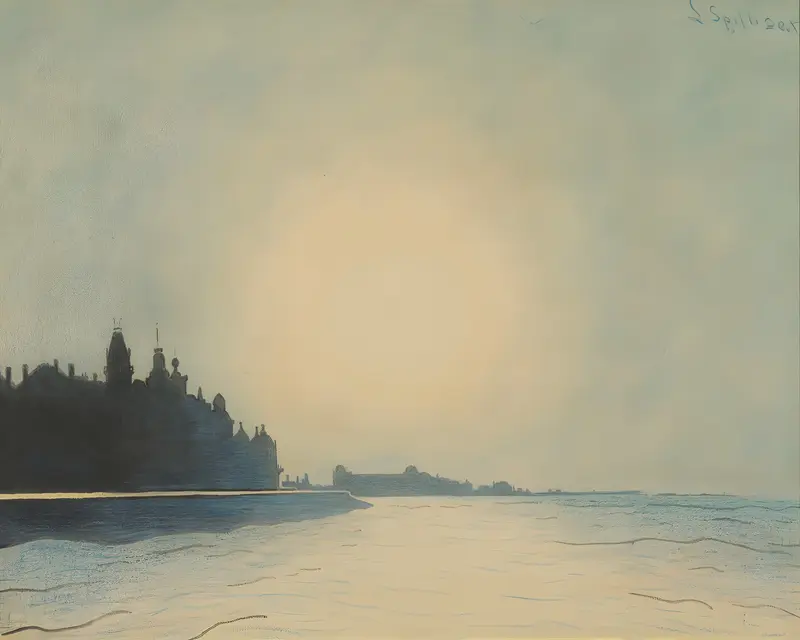
The seawall of Ostend seen from the pier
Léon Spilliaert
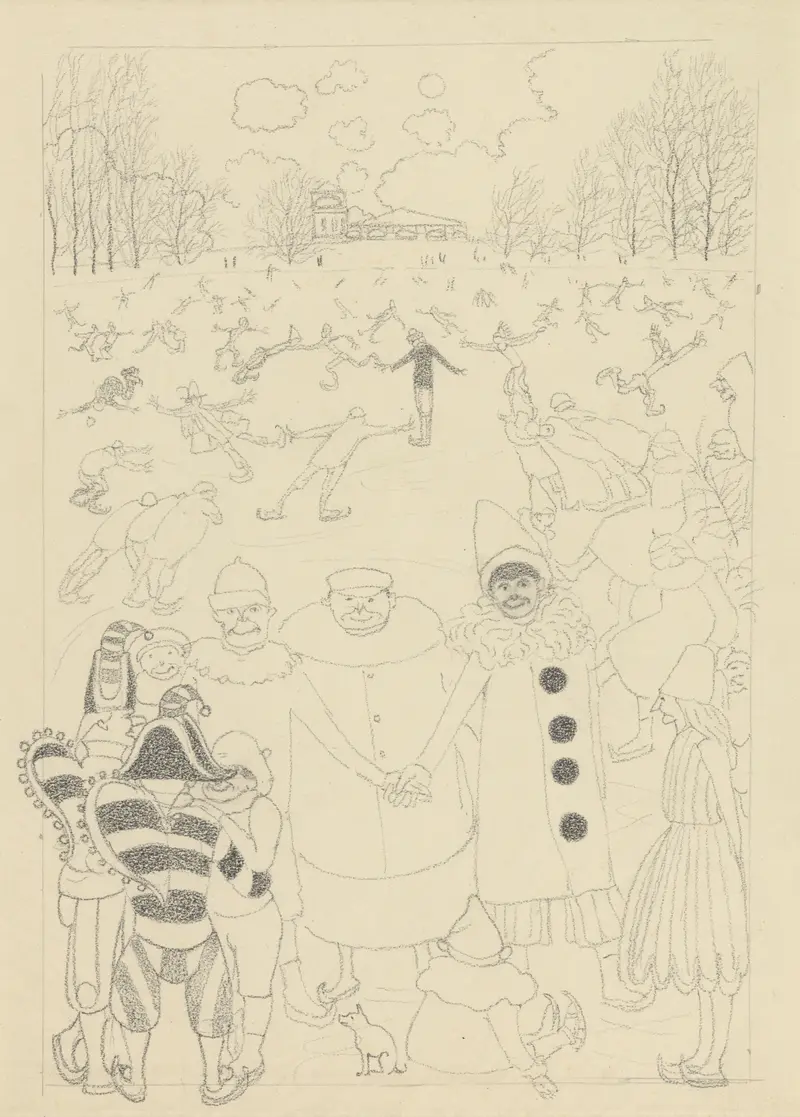
Carnaval
Léon Spilliaert
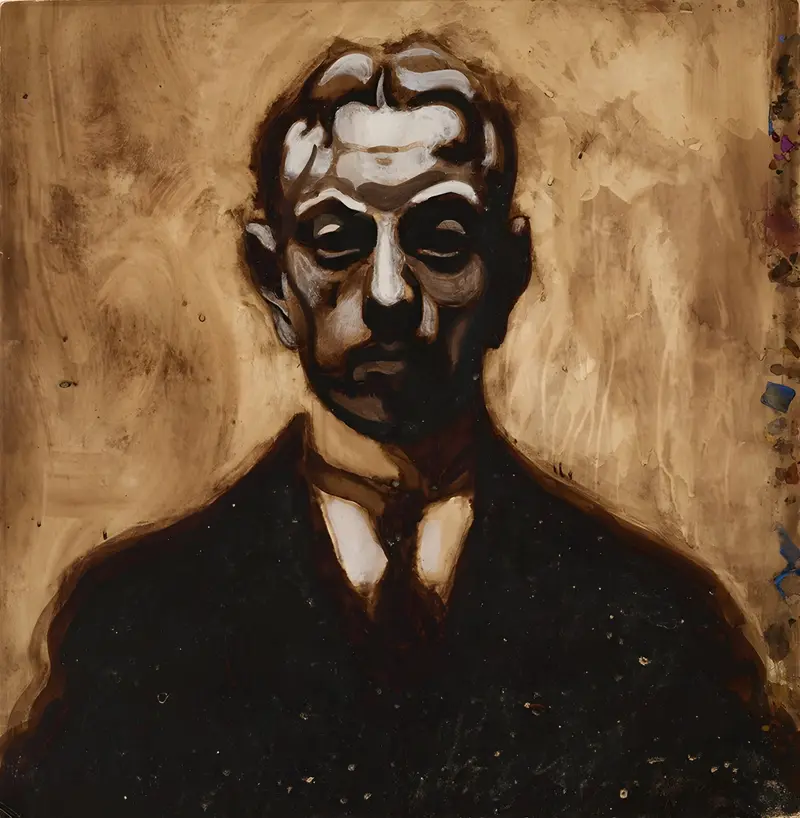
Autoportrait
Léon Spilliaert
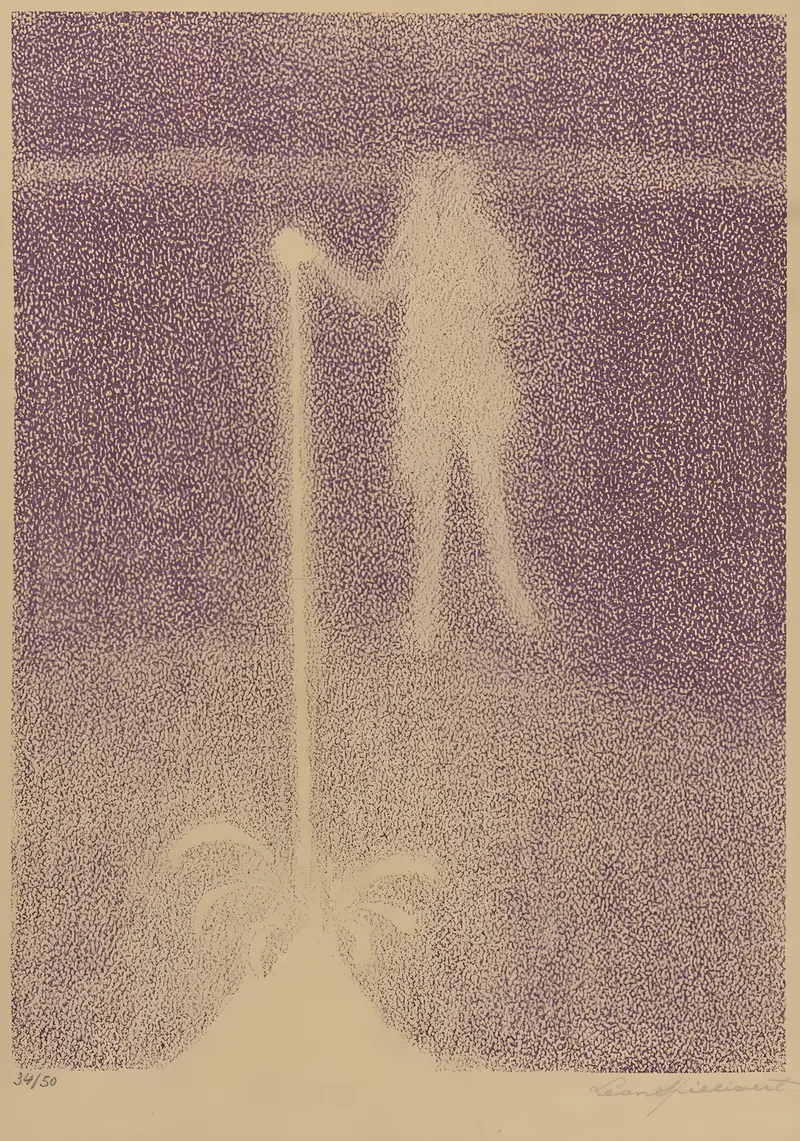
The appearance
Léon Spilliaert
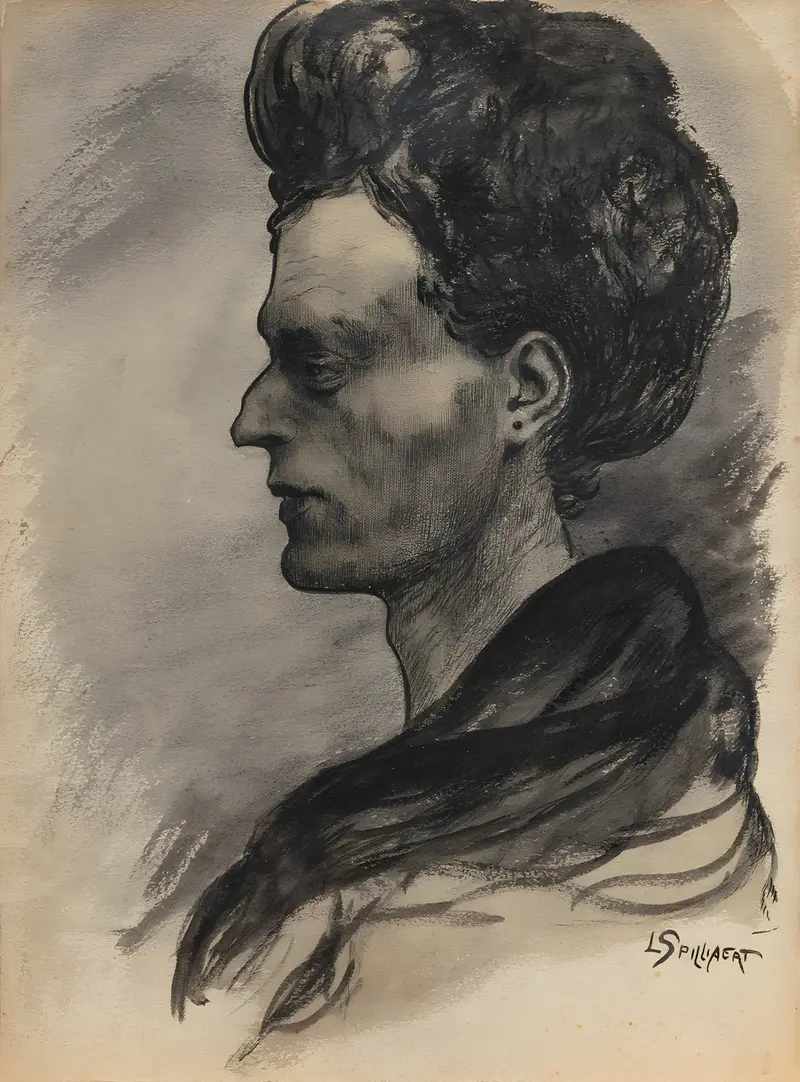
Profil de femme
Léon Spilliaert
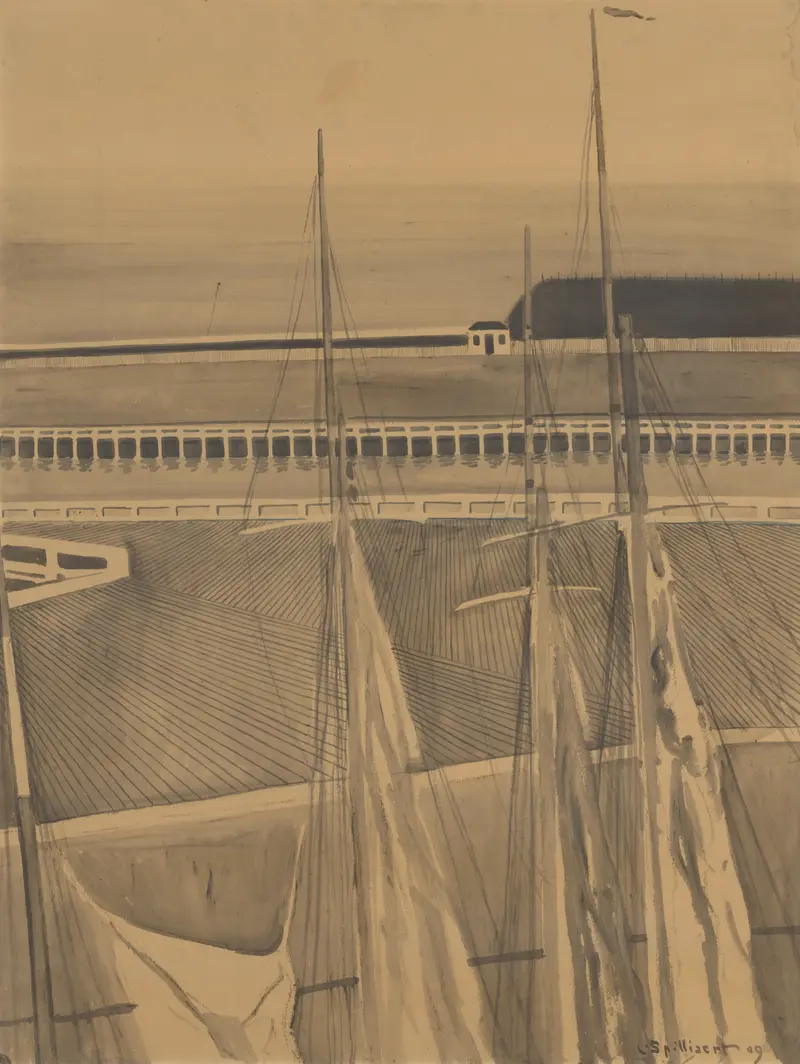
De haven te Oostende
Léon Spilliaert
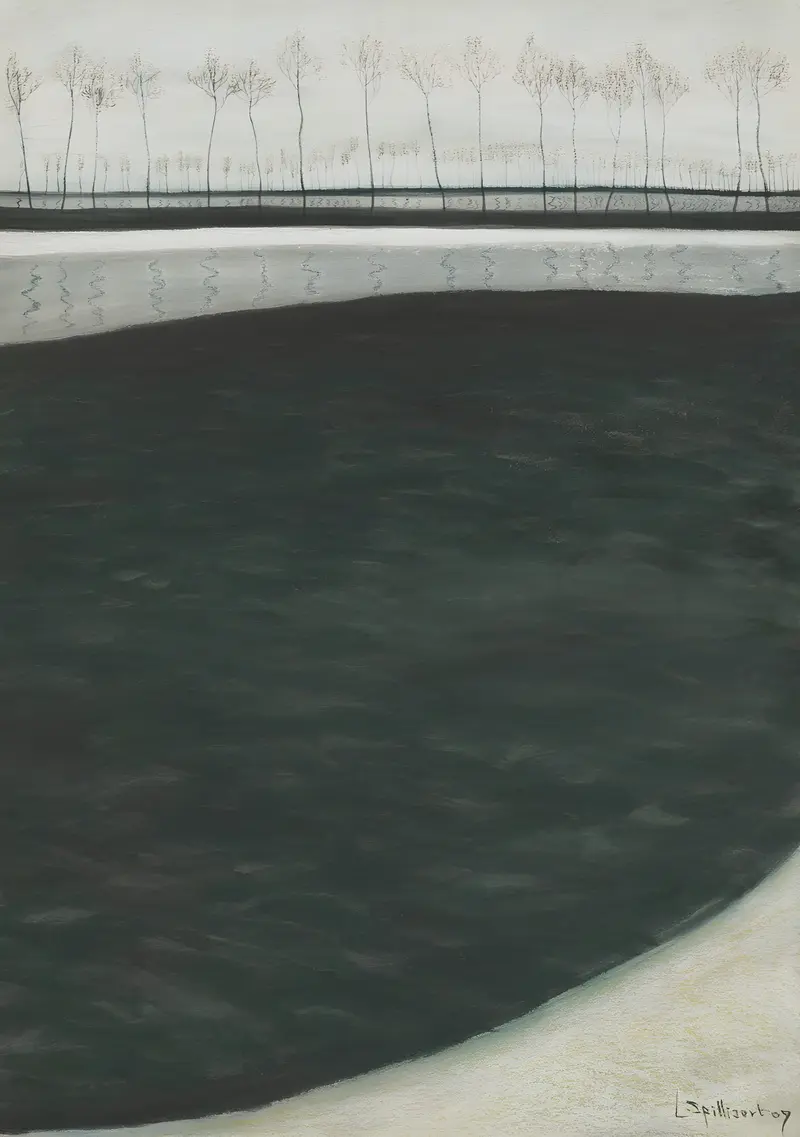
Het kanaal
Léon Spilliaert
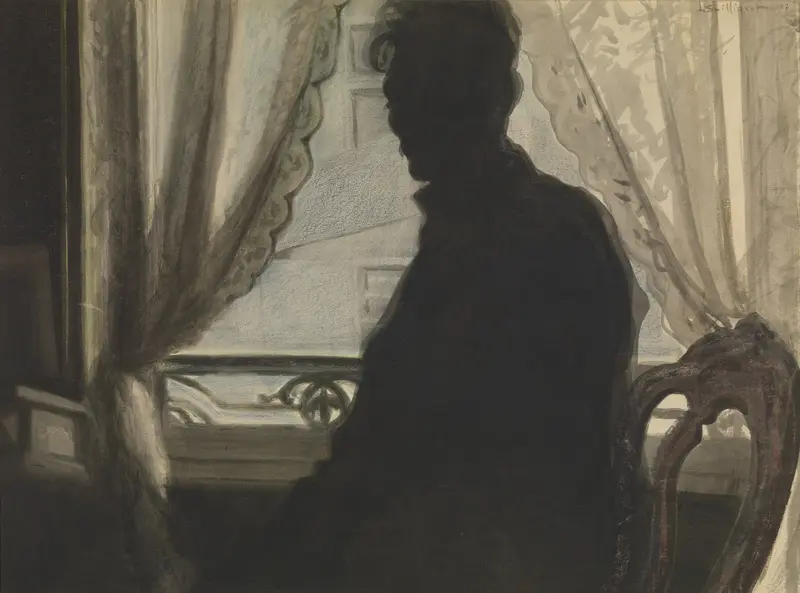
Silhouette of the Artist
Léon Spilliaert
More Genre Scene Art

Banquet of the Officers of the St George Civic Guard
Frans Hals

Rembrandt and Saskia in the Scene of the Prodigal Son
Rembrandt van Rijn

Bal du moulin de la Galette
Pierre-Auguste Renoir

Quadrille at the Moulin Rouge
Henri de Toulouse-Lautrec

A Burial at Ornans
Gustave Courbet

When Will You Marry?
Paul Gauguin