
Les falaises — History & Facts
What first seizes the eye in Les falaises is the drama of light and shadow, as if the very air is charged with anticipation. The cliffs, carved by centuries of wind and water, rise abruptly from the shore, their faces catching the last golden rays that break through a turbulent sky. The clouds swirl with a restless energy, their warm highlights a fleeting promise against the cool, brooding expanse.
The sea below mirrors this tension, its surface reflecting both the glow of the sky and the encroaching darkness, guiding the viewer’s gaze along the jagged coastline into the hazy distance. Every brushstroke seems to weigh the balance between permanence and change, inviting us to linger in this suspended moment. Painted by Adrien Dauzats sometime between 1824 and 1853, this work belongs to a period when French artists turned their attention to the grandeur of nature, often seeking out the wild and the monumental. Such landscapes were not merely decorative; they spoke to a growing fascination with the power and unpredictability of the natural world, a theme that resonated with audiences in an era of rapid social and scientific change.
Les falaises entered the Musée Salies collection as a gift in 1853, a testament to its enduring appeal. History has kept few traces of this particular canvas, but its presence on the gallery wall today invites us to stand before the cliffs ourselves, to feel the weight of the clouds and the pull of the horizon.
More Artworks by Adrien Dauzats

La Giralda de Séville Musée du Louvre Peintures INV 3686 ; LP
Adrien Dauzats
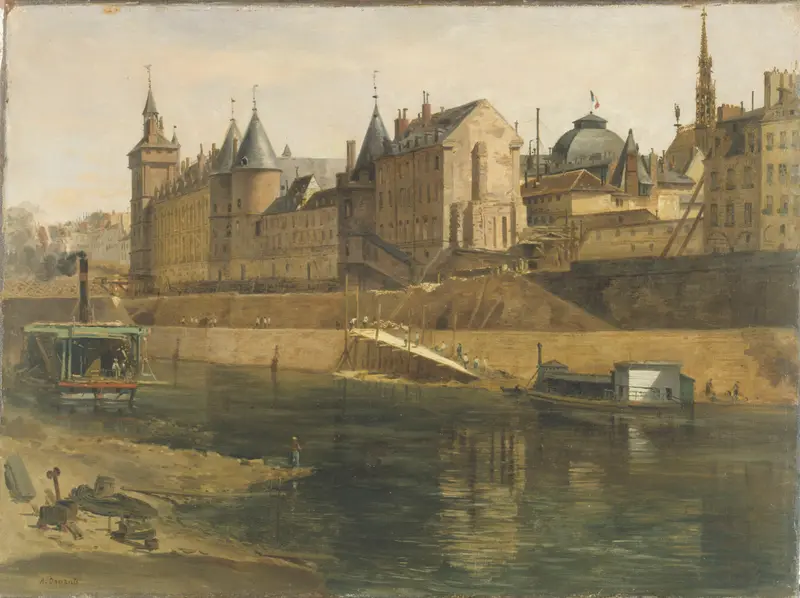
La Conciergerie pendant les travaux de reconstruction du Palais de Justice
Adrien Dauzats
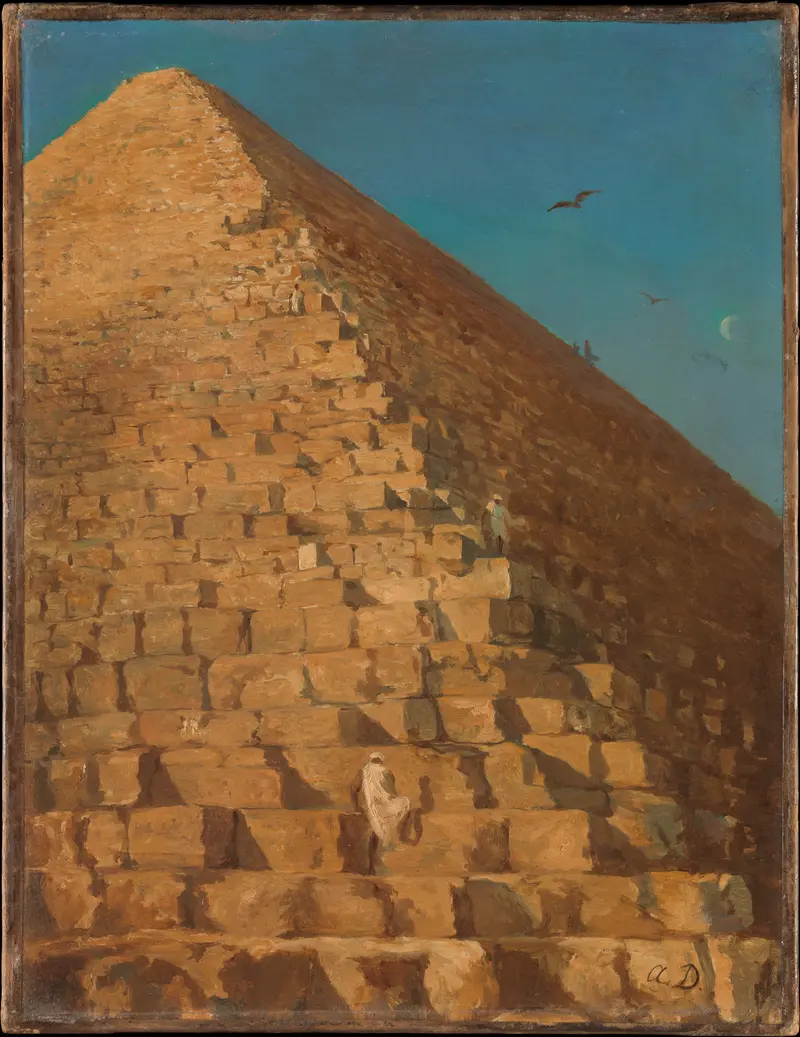
The Great Pyramid, Giza
Adrien Dauzats
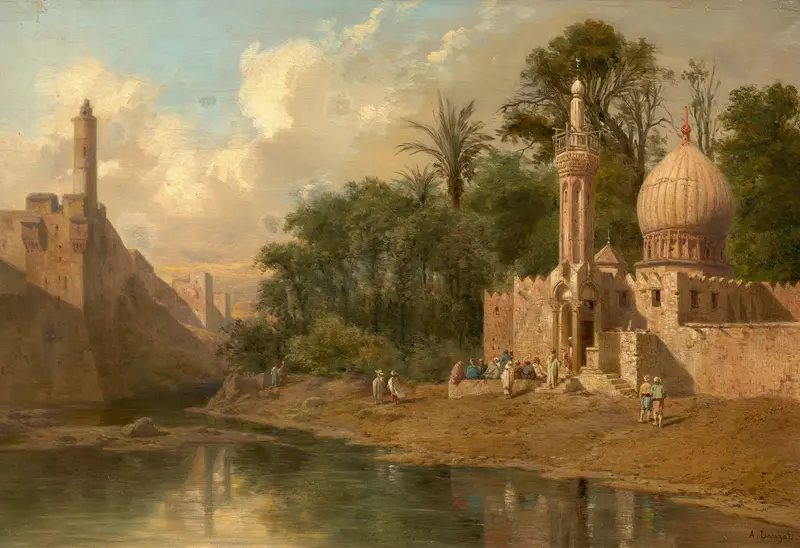
Vue de monuments, probablement au Caire
Adrien Dauzats
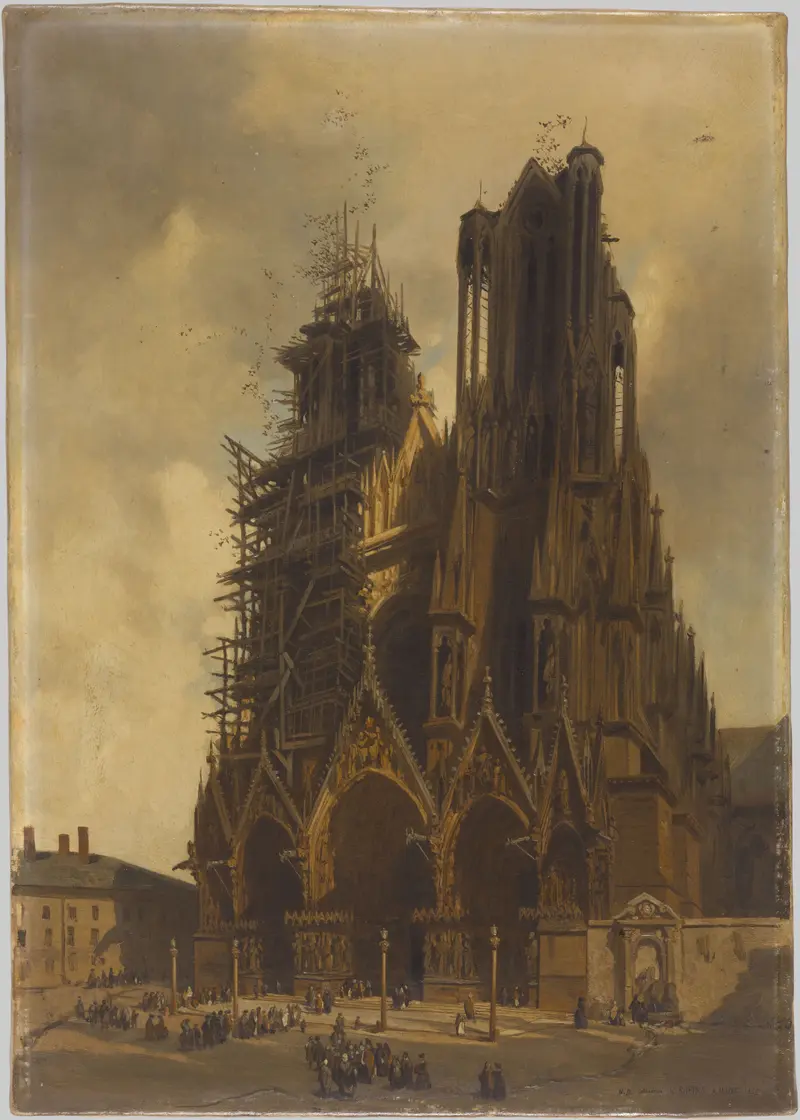
La Cathédrale de Reims
Adrien Dauzats
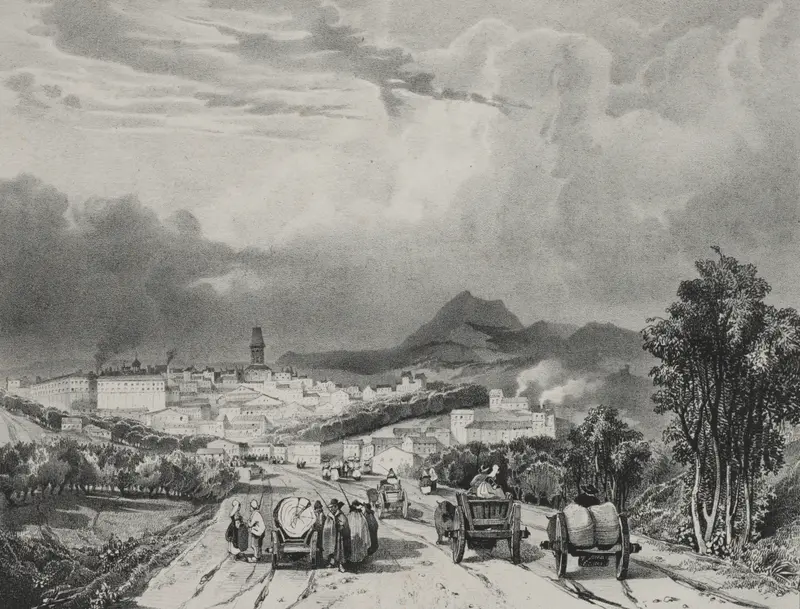
Vue generale de Riom, Auvergne
Adrien Dauzats
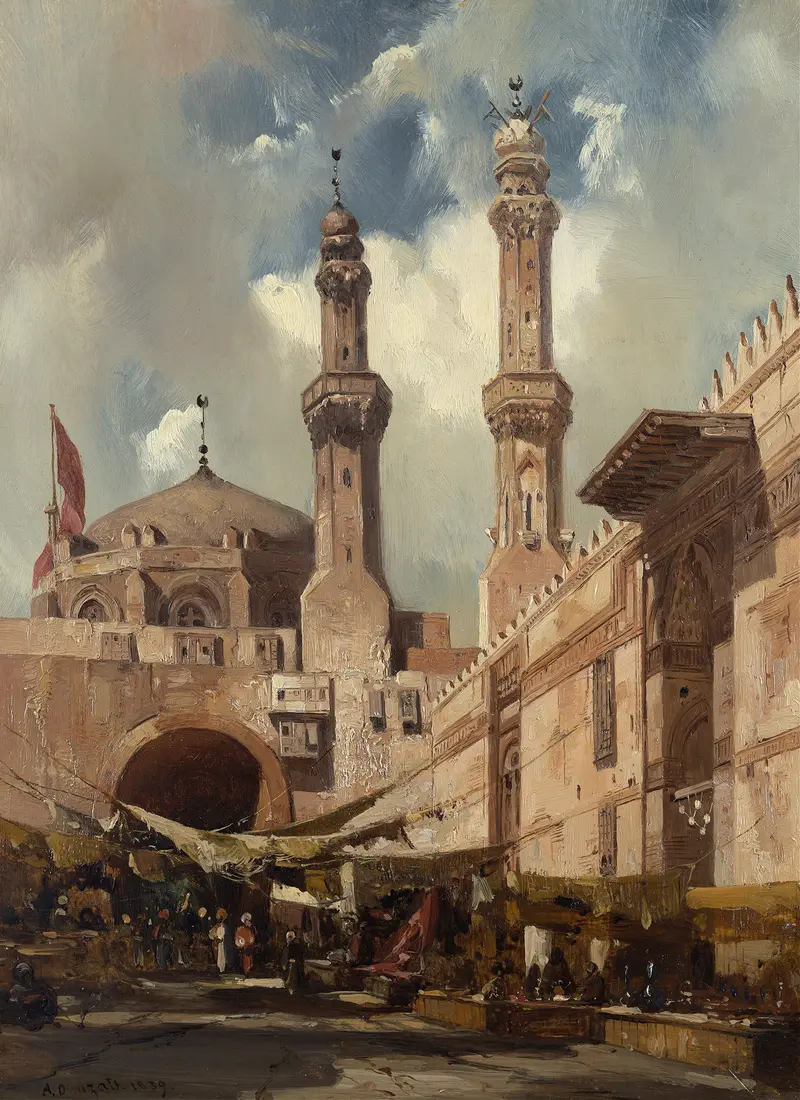
A Cairo Bazaar
Adrien Dauzats
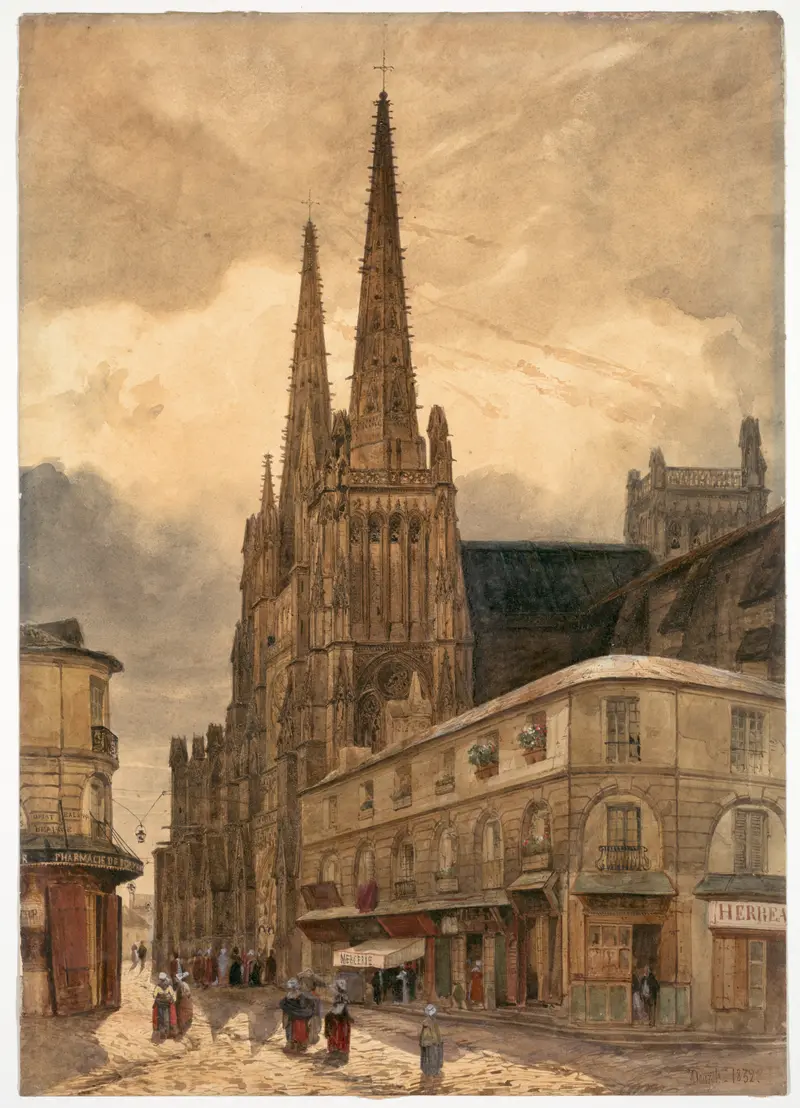
Cathédrale Sainte-André de Bordeaux
Adrien Dauzats
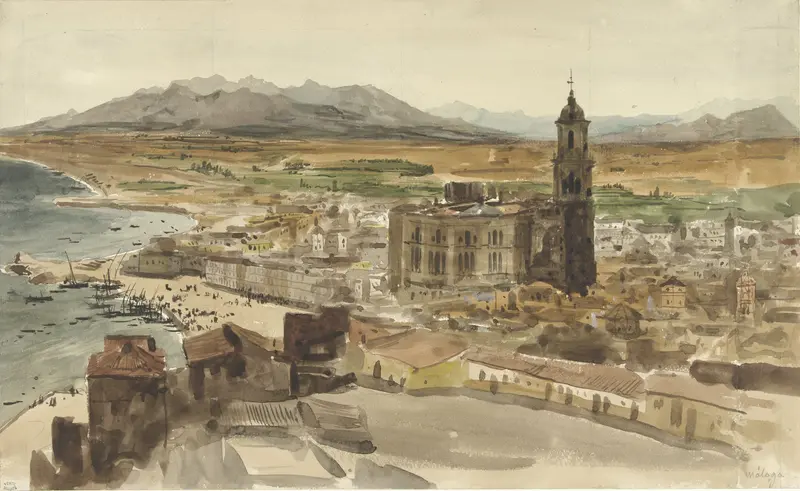
Gezicht op Malaga vanuit het Noorden
Adrien Dauzats
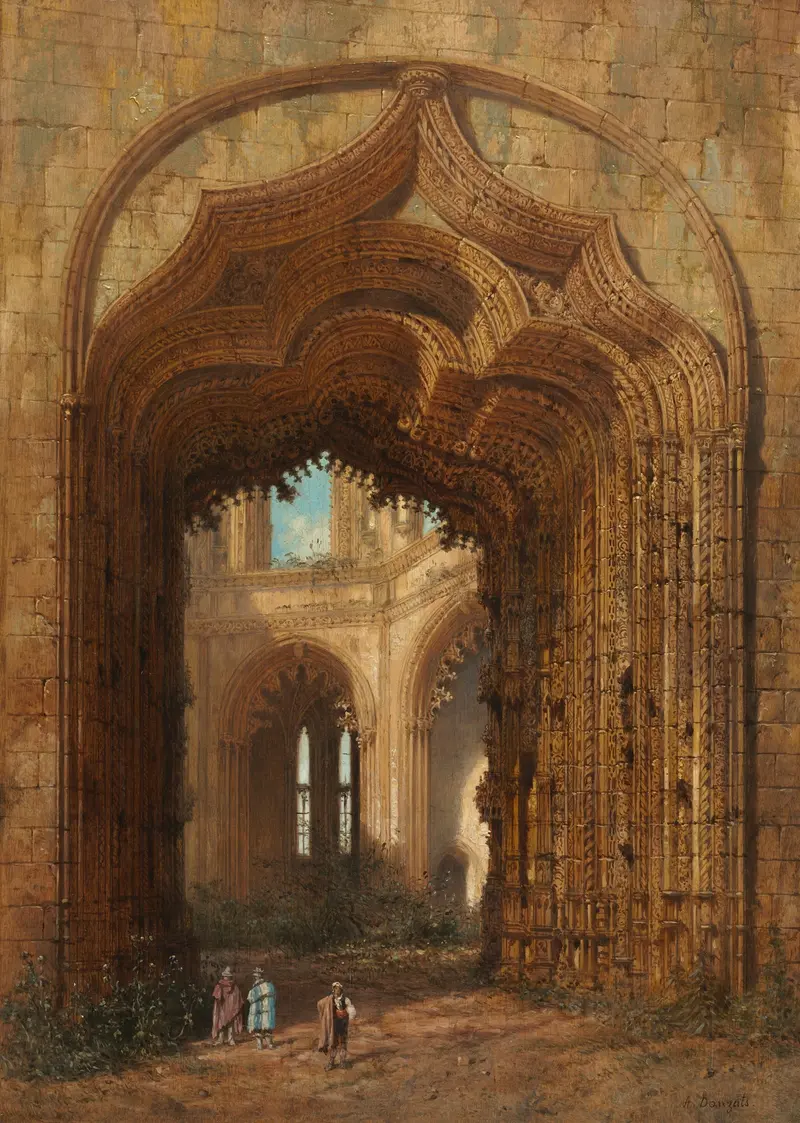
Ruined Church
Adrien Dauzats
More Landscape Art

The Starry Night
Vincent van Gogh

View of Delft
Johannes Vermeer

Water Lilies
Claude Monet

The Grand Canal, Venice, looking north-west from the Ca' Corner to the Ca' Contarini degli Scrigni, with the campanile of Santa Maria della Carità
Canaletto

Windsor Castle
Canaletto

The Grand Canal looking North-East from the Palazzo Dolfin-Manin to the Rialto Bridge
Canaletto