
Les Falaises au clair de lune (Yport) — History & Facts
In the stillness of a moonlit night, memories unfurl like the gentle waves lapping against the cliffs. Each stroke on the canvas whispers of nostalgia, inviting the viewer to step into a moment suspended in time. Look to the soft glow of the moonlight reflecting on the water’s surface, where deep blues and silvery whites intermingle, capturing the serene dance of light and shadow. Notice how the rocky cliffs rise majestically on the left, textured and rugged, contrasting sharply with the delicate, tranquil waves below.
The composition draws your eye inward, creating a sense of depth, while the color palette evokes a dreamlike quality that mirrors wistful yearning. Beneath the serene beauty lies a tension between nature’s grandeur and the fragility of the moment. The cliffs, steadfast and unyielding, symbolize the passage of time, while the ethereal moonlight suggests fleeting memories that fade like whispers in the night. This duality speaks to the universality of human experience — the longing for moments that slip through our fingers even as we strive to hold onto them. Amédée Joyau painted this work in 1901, during a period marked by a growing interest in Impressionism and its focus on light and atmosphere.
Living in Yport, a picturesque coastal village in Normandy, he was deeply inspired by the surrounding landscapes. It was a time when artists were beginning to explore personal expression and emotional resonance, allowing Joyau to create a piece that transcends mere representation and evokes an intimate connection with the viewer’s own memories.
More Artworks by Amédée Joyau
Browse all →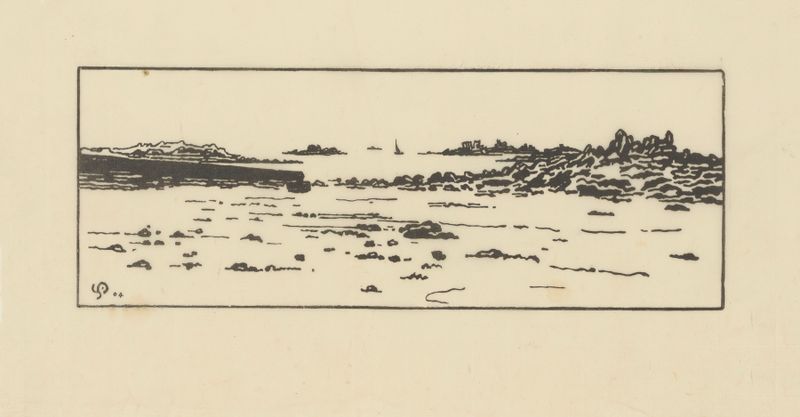
Côte de Roscoff, Marée basse
Amédée Joyau
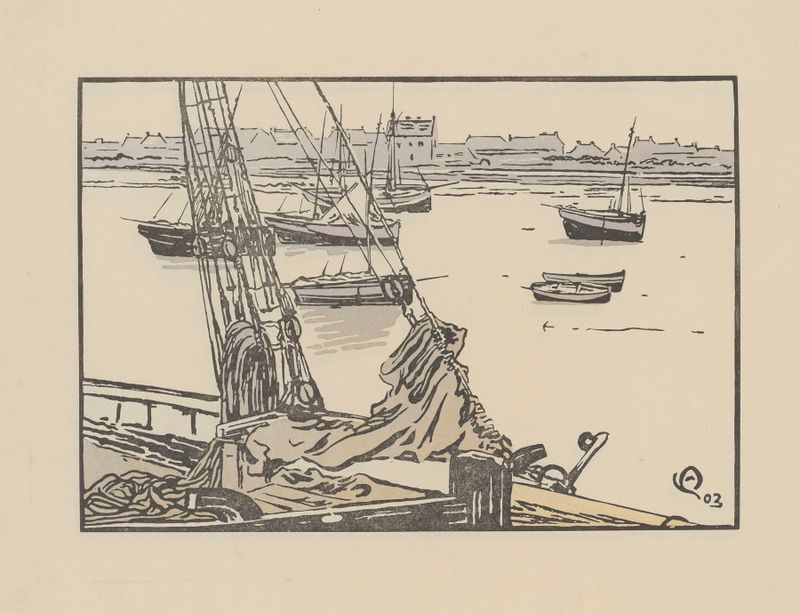
Roscoff, Matinée claire
Amédée Joyau
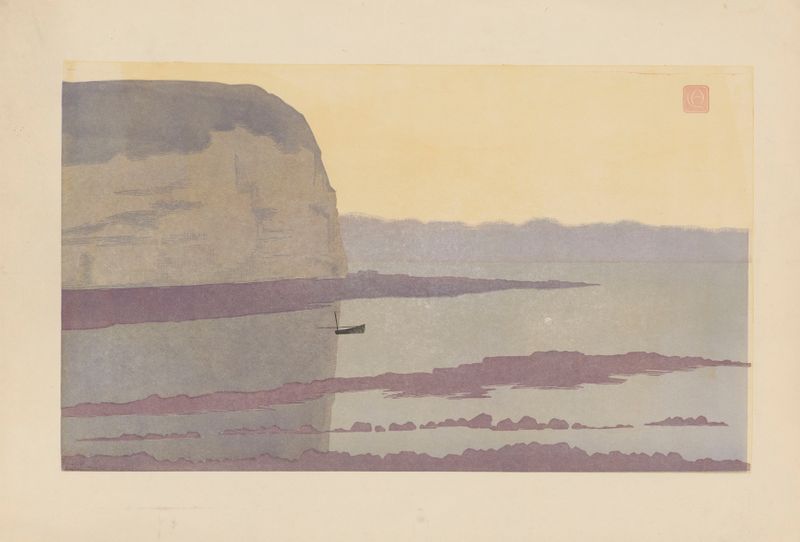
La Falaise, crépuscule (Yport)
Amédée Joyau
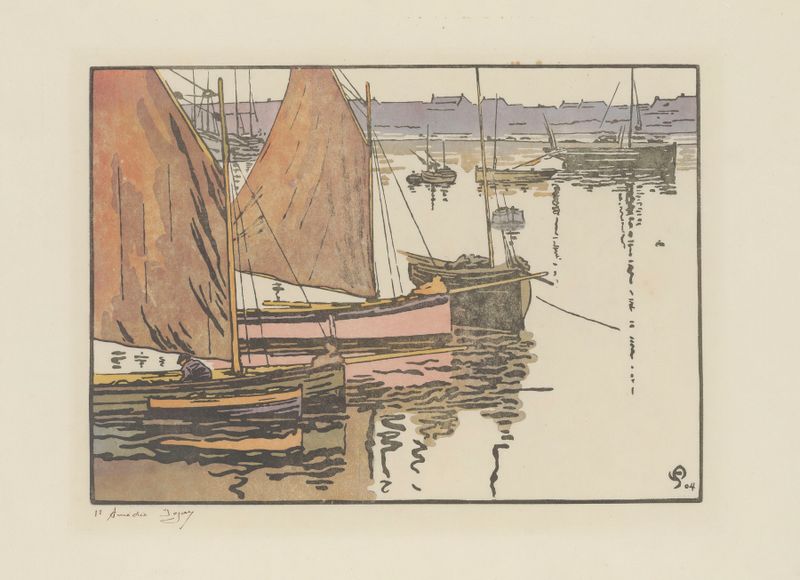
Roscoff, Les voiles rouges
Amédée Joyau
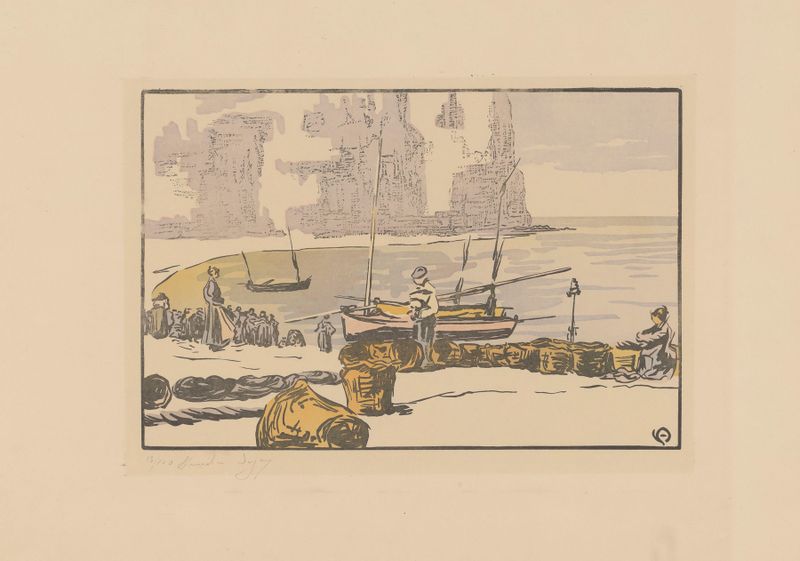
La Petite plage (Yport)
Amédée Joyau
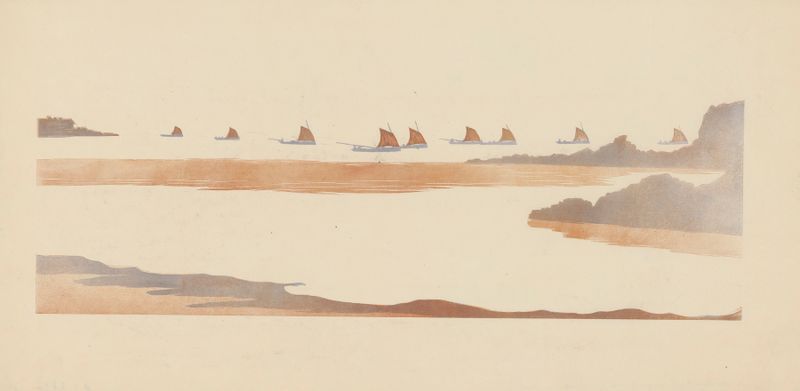
Rentrée des Sardiniers (Douarnenez, Finistère)
Amédée Joyau
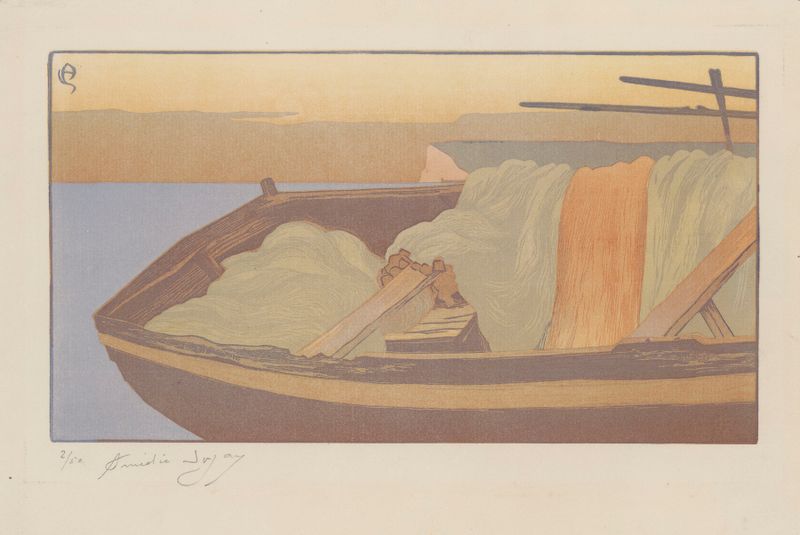
Les Filets (Yport)
Amédée Joyau
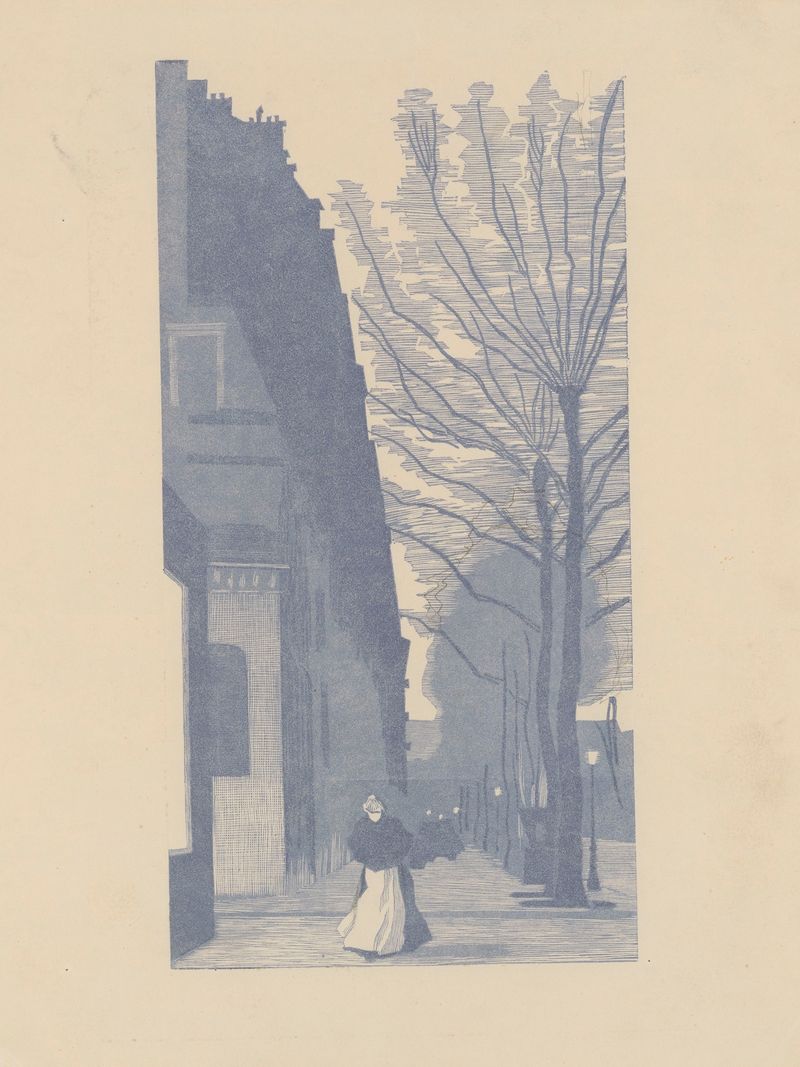
Avenue de Villiers (Paris)
Amédée Joyau
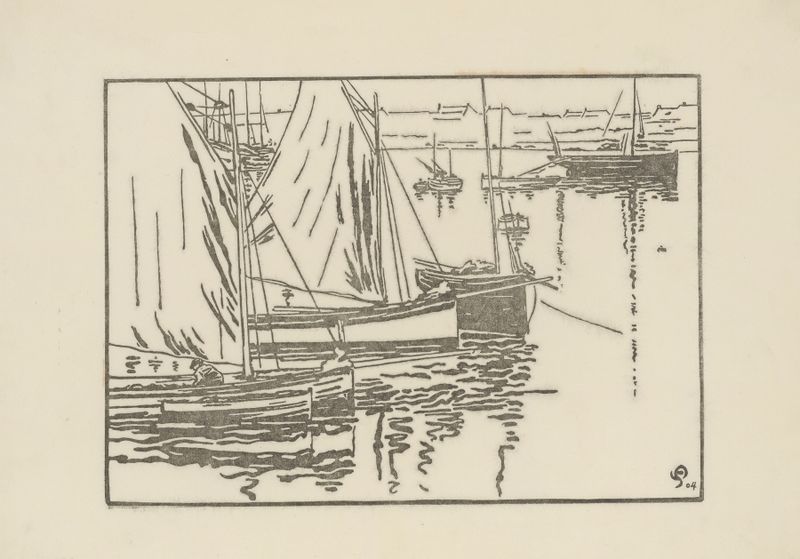
Roscoff, Les voiles rouges
Amédée Joyau
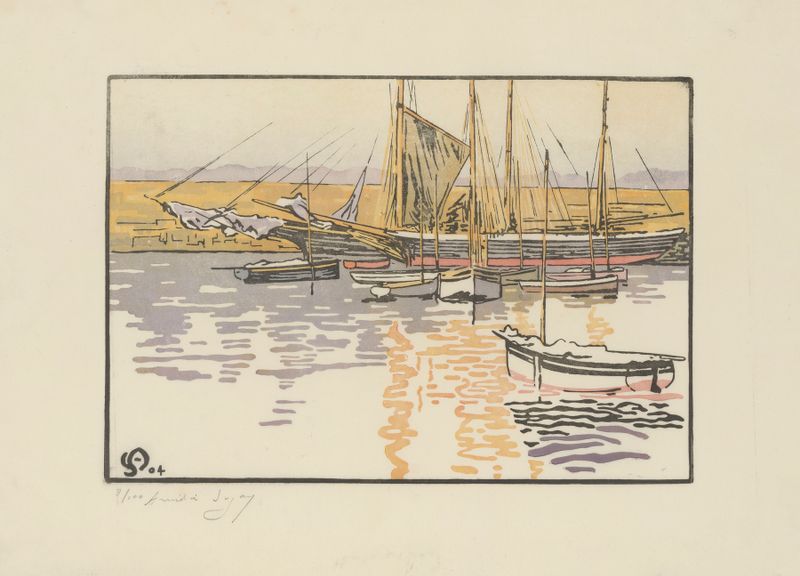
Roscoff, Les Goélettes
Amédée Joyau





