
Les moulins de la butte, Montmartre — History & Facts
Could a single brushstroke hold eternity? In Les moulins de la butte, Montmartre, the answer resonates through the delicate balance of nature and human presence, inviting reflection on the sacred through the ordinary. Look closely at the swirling clouds that dance above the horizon, painted with ethereal hues of blue and grey. The gentle slopes of Montmartre cradle the iconic windmills, their silhouettes rising against the sky. Notice how the light caresses the landscape, illuminating the vibrant greens of the fields while casting soft shadows that whisper of transient moments.
The brushwork, both precise and spontaneous, draws the viewer’s eye in a rhythmic flow across the canvas, evoking a sense of serenity intertwined with the bustling life below. Beneath the surface, contrasts emerge: the permanence of the windmills stands in stark relief against the ephemeral clouds, suggesting the divine presence in the everyday. The harmony of nature and architecture conveys a unity that transcends time, while the warm earth tones hint at the life that thrives beneath the watchful gaze of the heavens. Each stroke becomes a testament to the artist's reverence for the mundane transformed into the sublime, a celebration of the beauty that exists in our world. Painted during the mid-19th century, this work reflects Rousseau's commitment to capturing the essence of the French landscape amid a rapidly changing art scene influenced by Romanticism and Realism.
As an artist who favored plein air techniques, he often worked outdoors, allowing the light and atmosphere to shape his compositions. At this time, he sought to portray the spiritual in nature, seeking a connection with the divine that resonated deeply within the cultural currents of his era.
More Artworks by Théodore Rousseau
Browse all →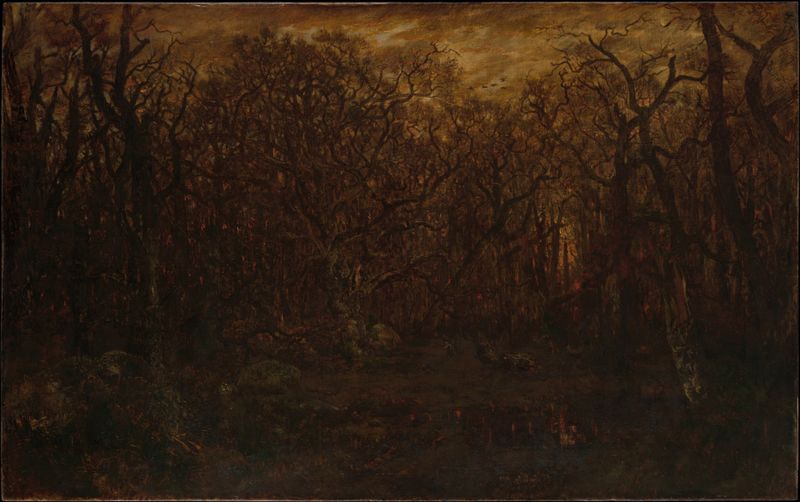
The Forest in Winter at Sunset
Théodore Rousseau
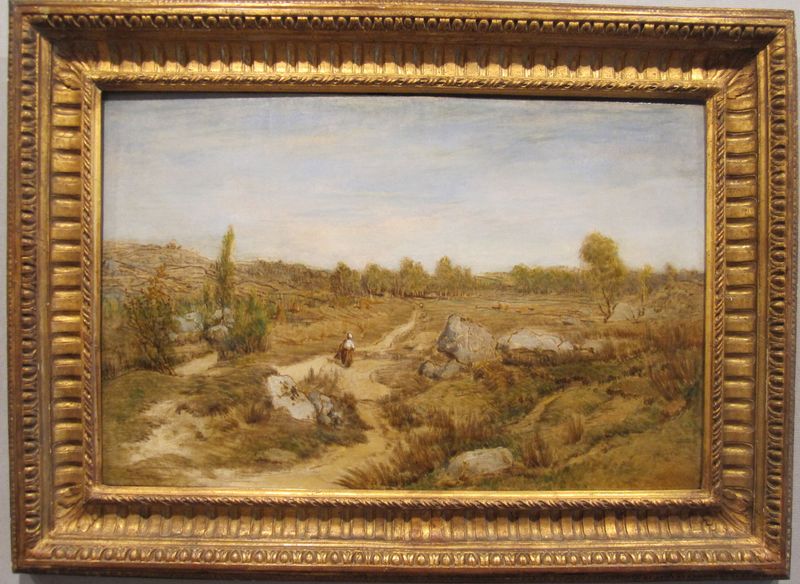
Valley of the Rouars in the Gorges d’Apremont
Théodore Rousseau
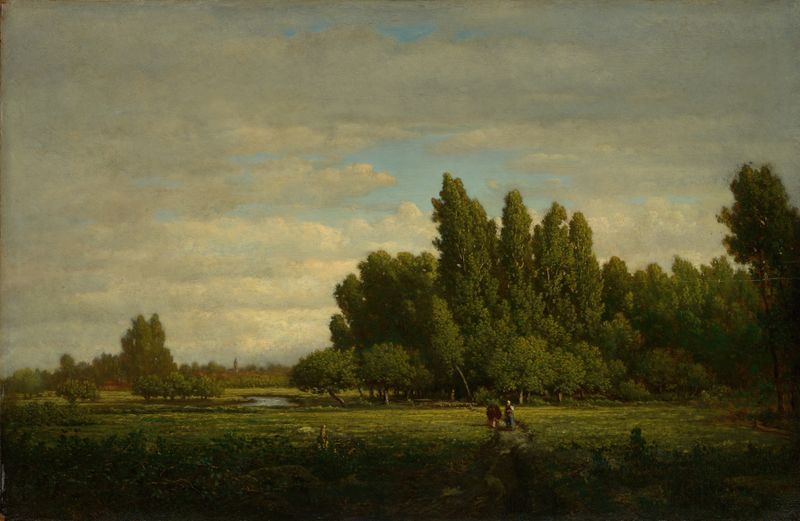
A Meadow Bordered by Trees
Théodore Rousseau
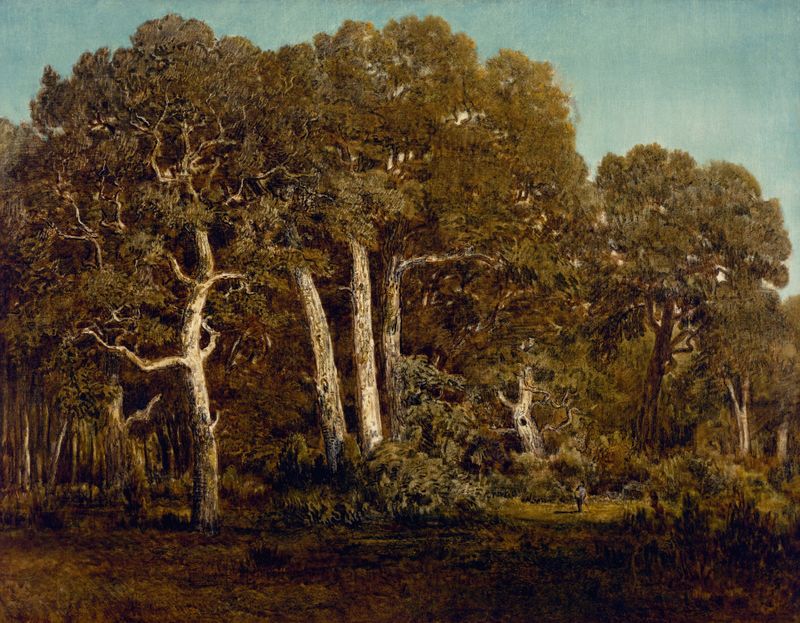
The Great Oaks of Old Bas-Bréau
Théodore Rousseau
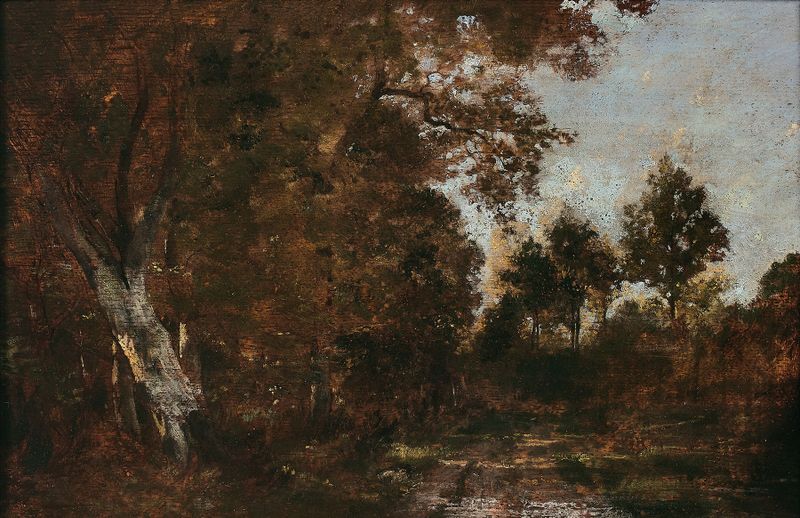
Paysage de sous-bois
Théodore Rousseau
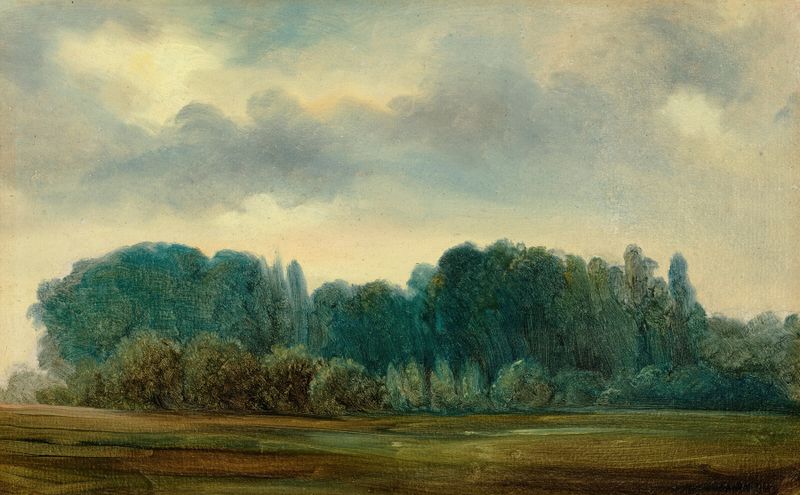
Paysage
Théodore Rousseau
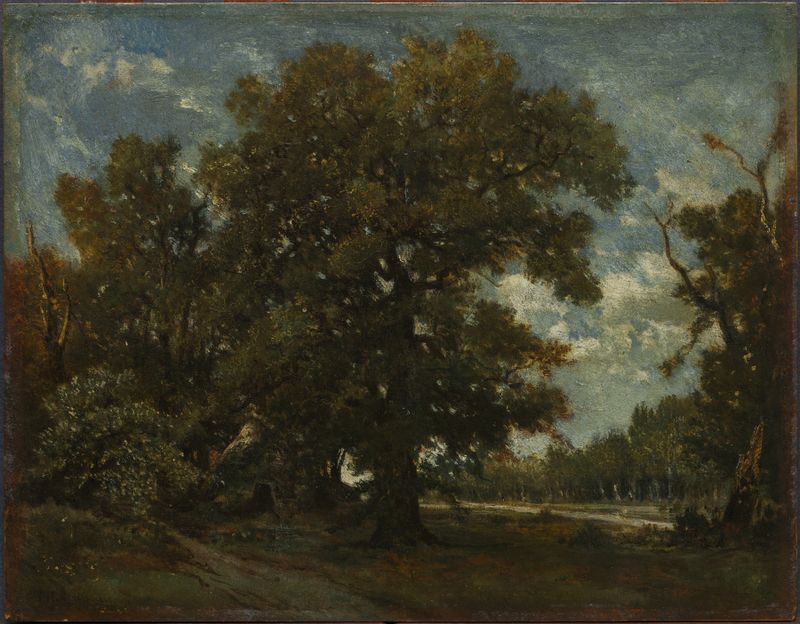
The Oak Tree
Théodore Rousseau
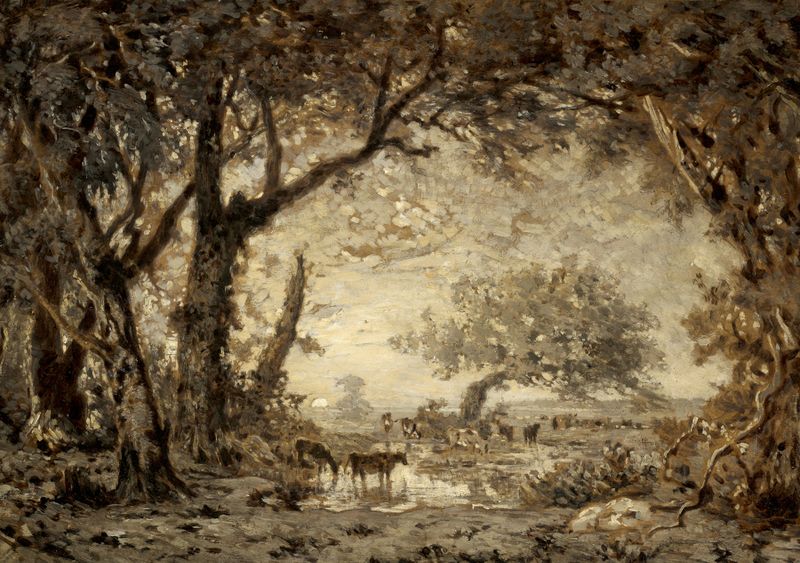
Sunset from the Forest of Fontainebleau
Théodore Rousseau
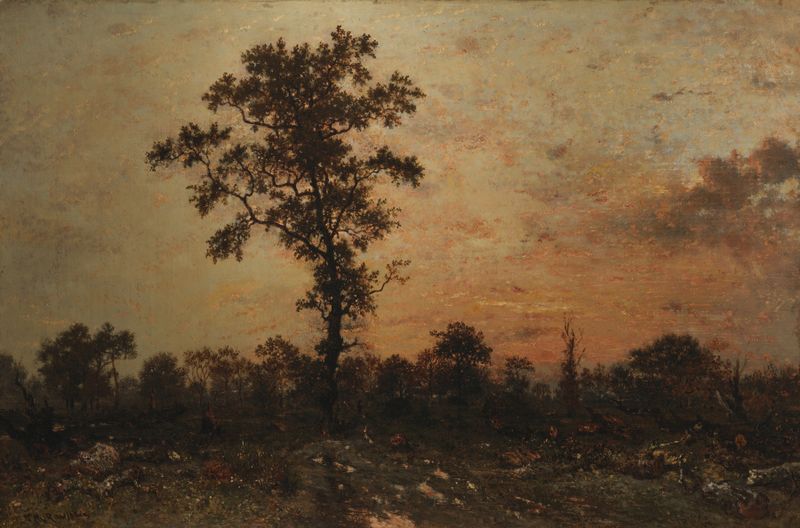
Edge of the Forest, Sun Setting
Théodore Rousseau
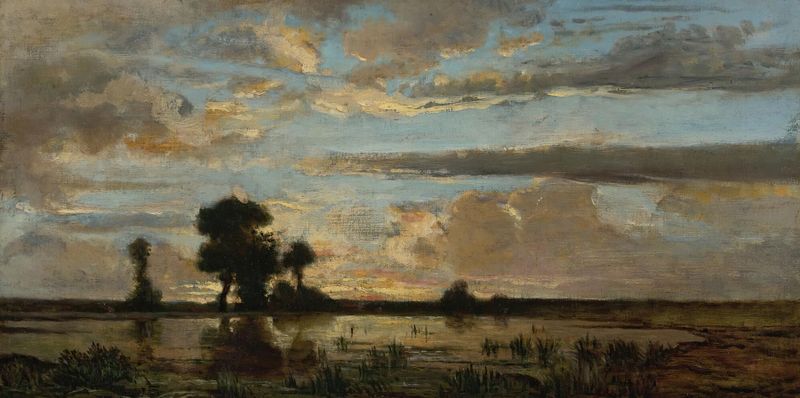
Soleil Couchant
Théodore Rousseau





