
Discover insights about this artwork
Les quatre saisons – L’automne — History & Facts
In Les quatre saisons – L’automne, Paul Cézanne presents a vivid portrayal of autumn. The painting features a rich palette of warm oranges, browns, and yellows, evoking the changing leaves of the season. The composition includes various fruits and foliage, symbolizing the bounty of autumn.
The brushstrokes are expressive, adding texture and depth to the scene. Cézanne's technique in this piece is characteristic of his Post-Impressionism style. The use of color is both bold and nuanced, creating a sense of movement within the still life. The arrangement of objects is carefully balanced, drawing the viewer's eye across the canvas.
The painting measures approximately 73 x 92 cm, making it a substantial work that commands attention. Paul Cézanne created Les quatre saisons – L’automne during a period when he was exploring the relationship between color and form. This work is part of a series that reflects the changing seasons, showcasing his interest in nature's cycles. An interesting fact about this painting is that it exemplifies Cézanne's shift towards a more abstract representation of reality, paving the way for modern art movements.
Today, it is housed in the Musee d'Orsay in Paris.
More Artworks by Paul Cézanne
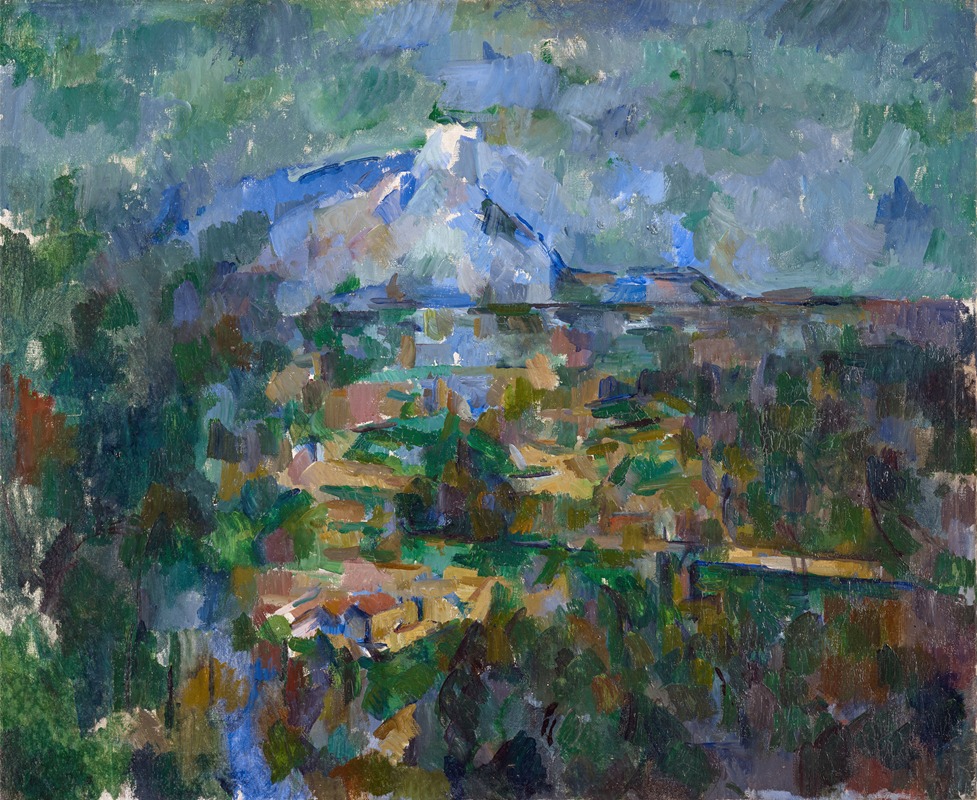
The Mont Sainte-Victoire Seen From Les Lauves
Paul Cézanne
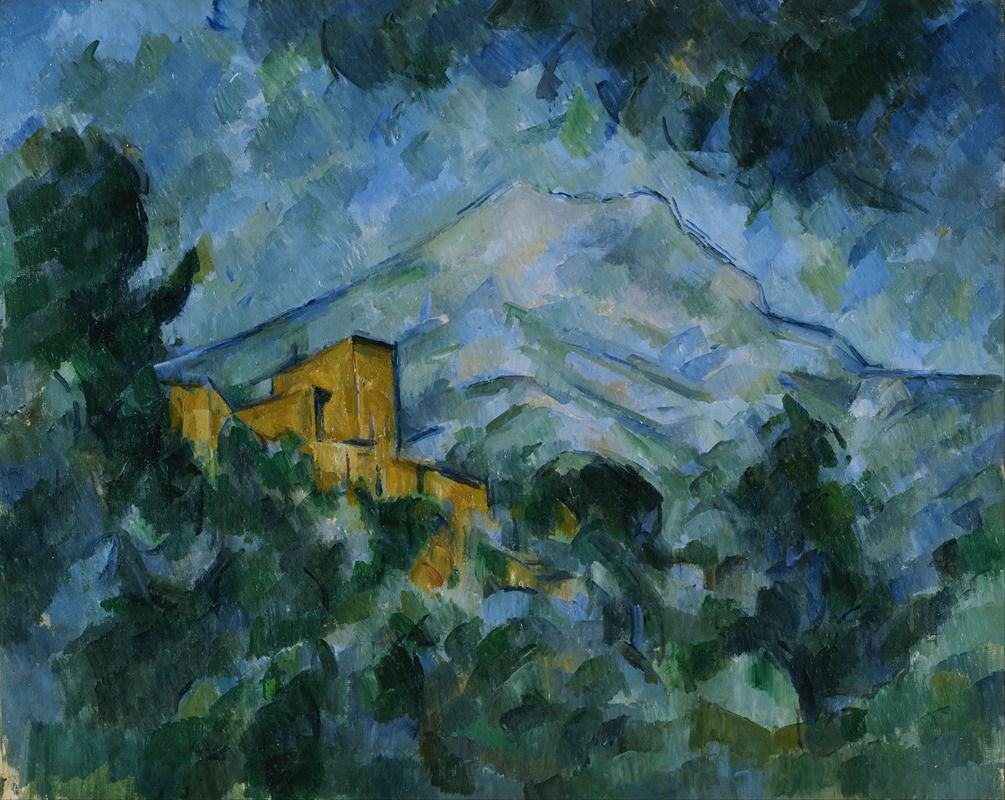
Mont Sainte-Victoire and Château Noir
Paul Cézanne
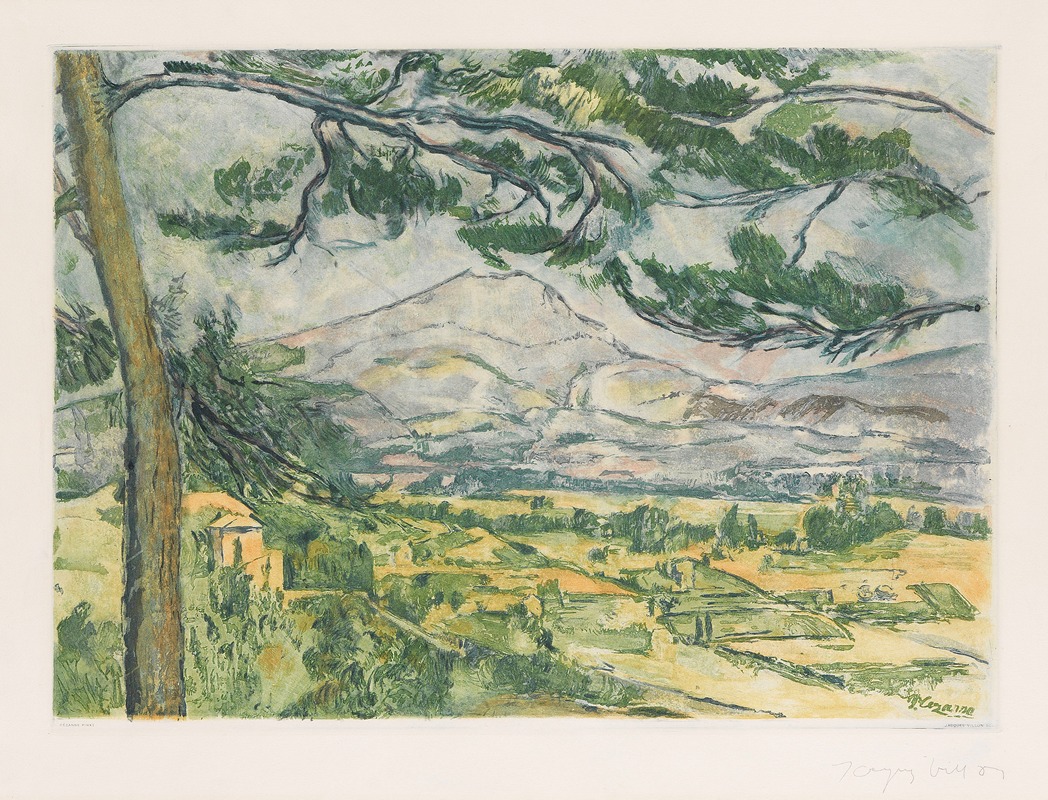
La Montagne Sainte-Victoire
Paul Cézanne
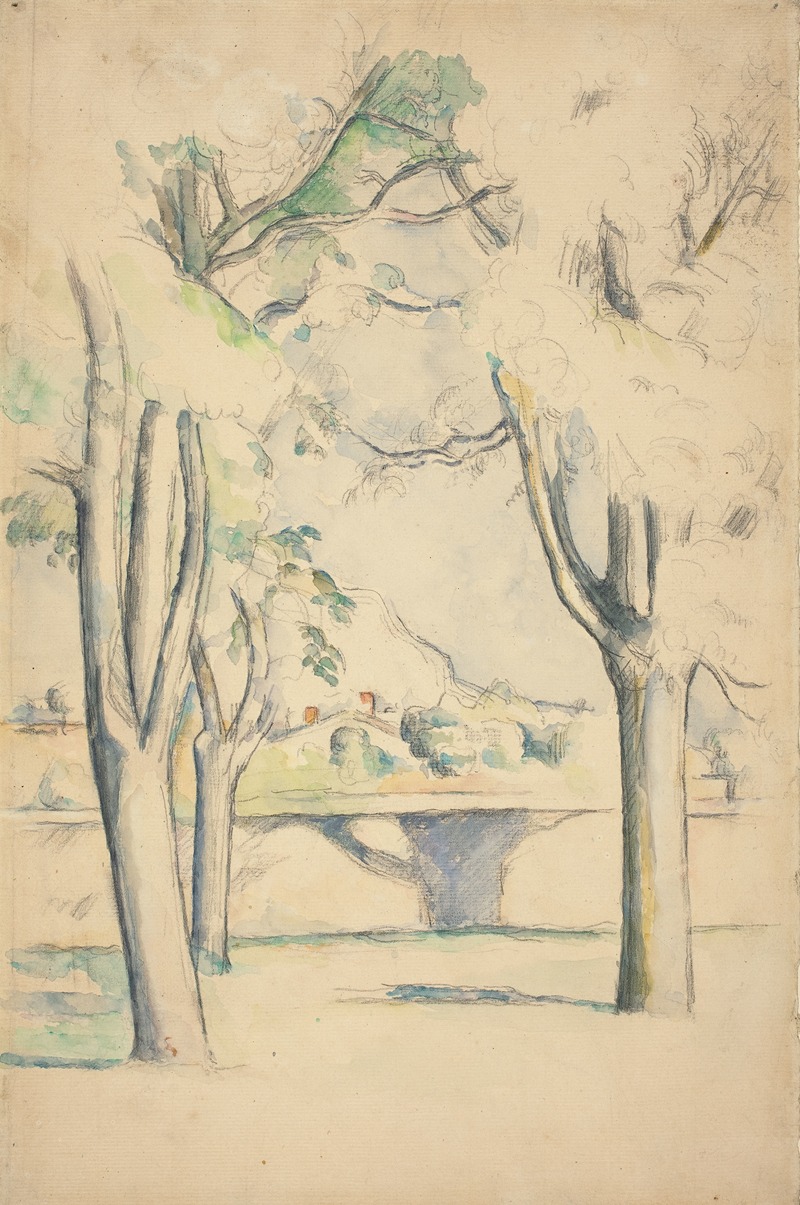
Mont Sainte-Victoire Seen beyond the Wall of the Jas de Bouffan
Paul Cézanne
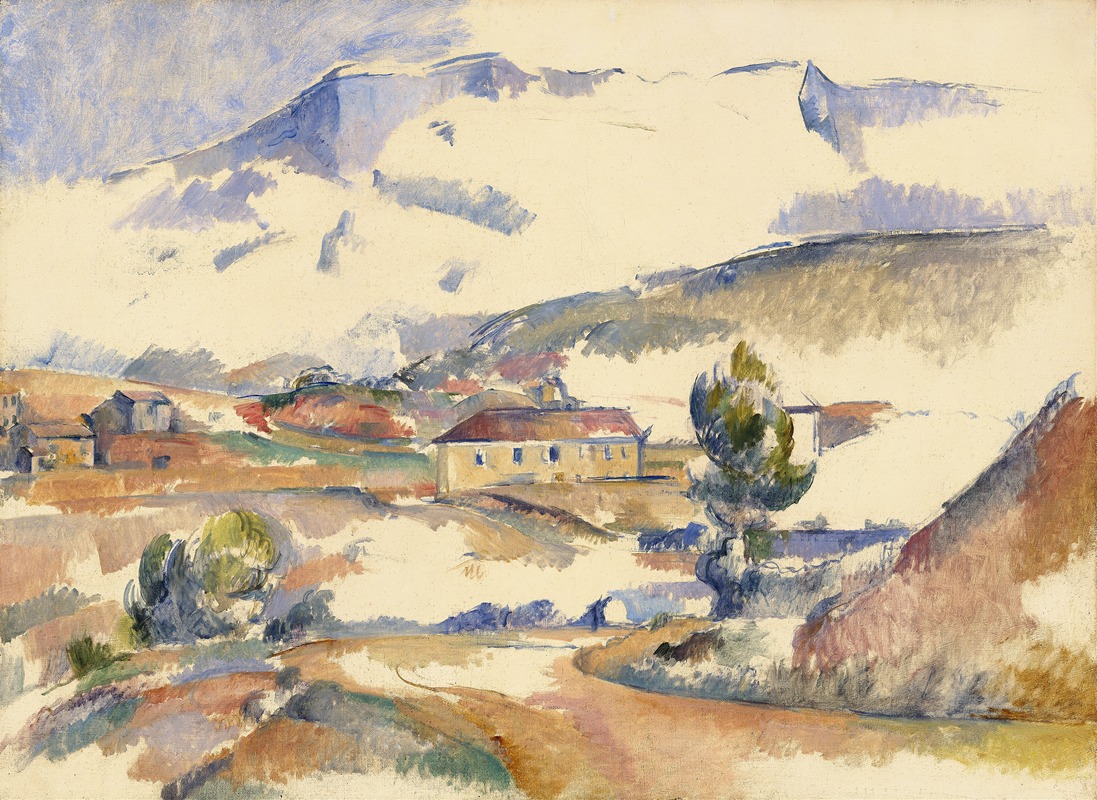
Montagne Sainte-Victoire,from near Gardanne
Paul Cézanne
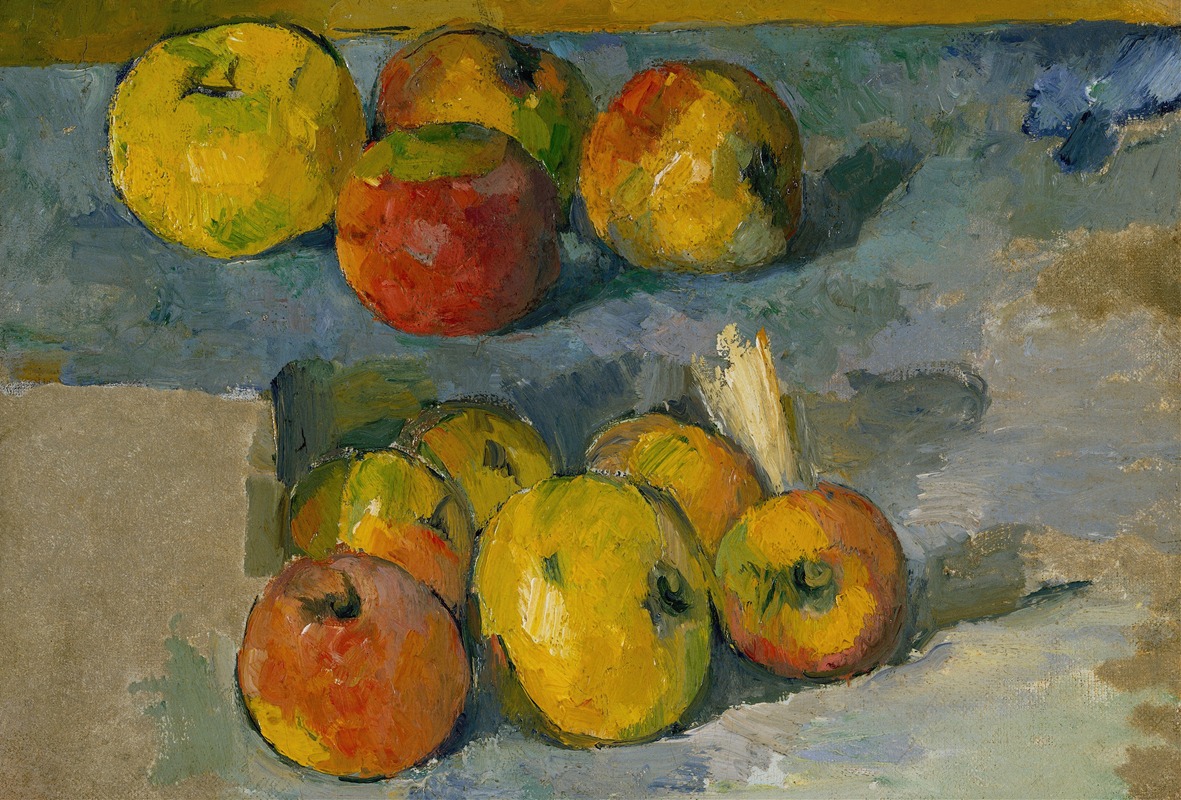
Apples
Paul Cézanne
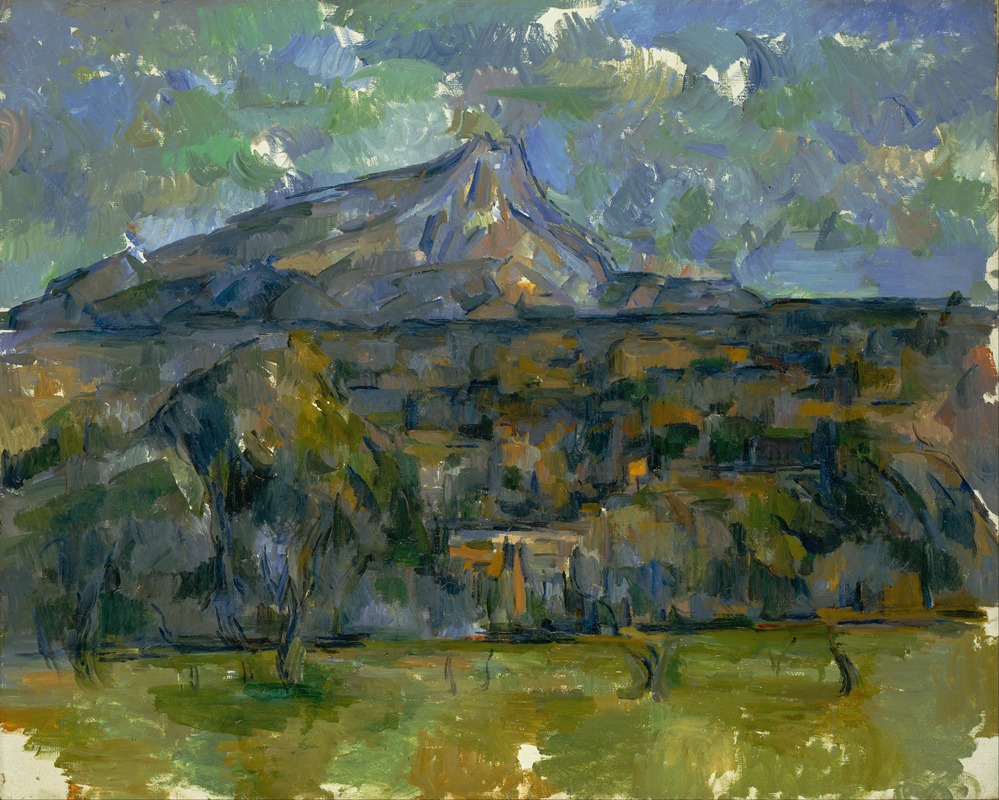
Mont Sainte-Victoire
Paul Cézanne
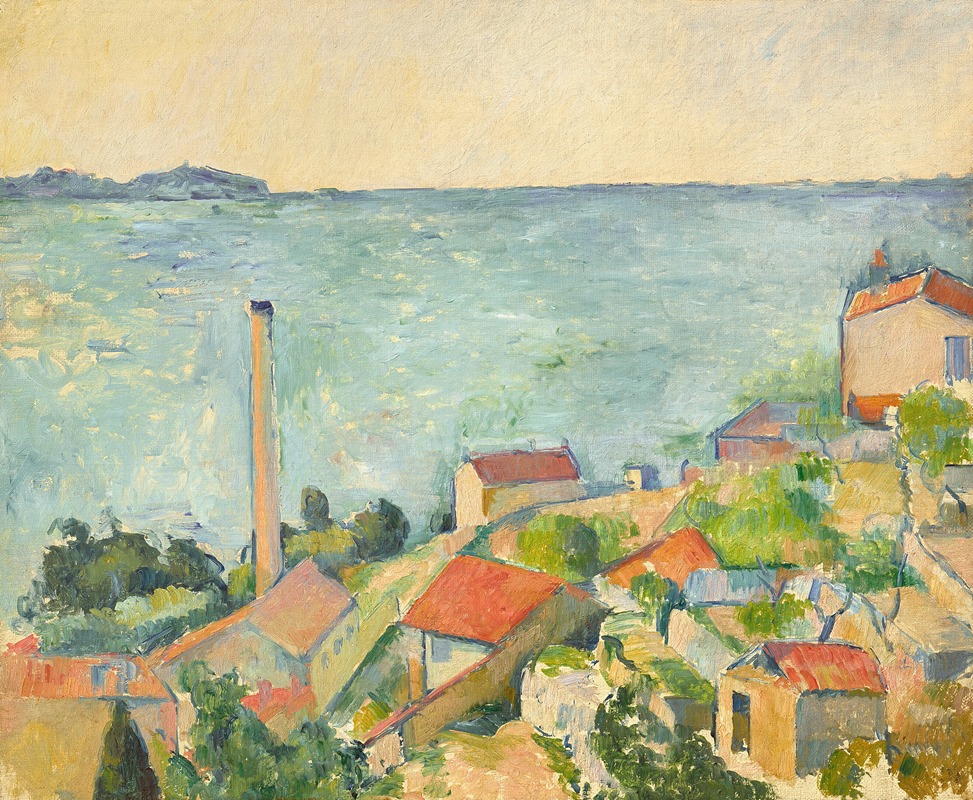
La mer à l’Estaque
Paul Cézanne
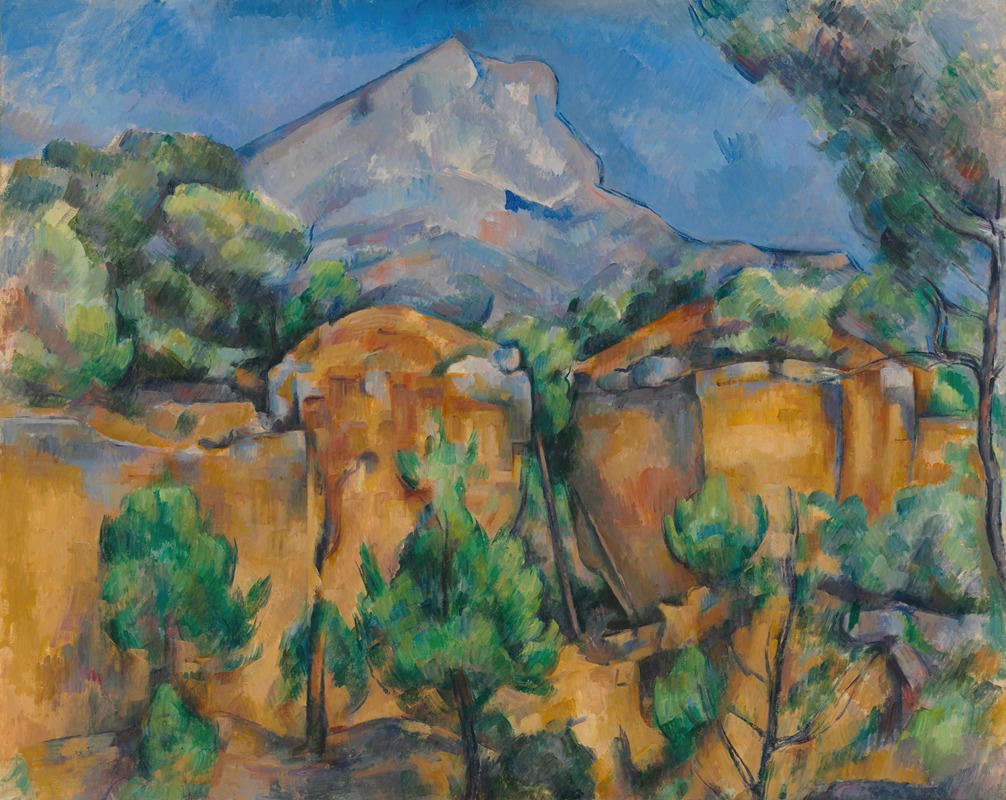
La Montagne Sainte-Victoire vue de la carrière Bibémus
Paul Cézanne
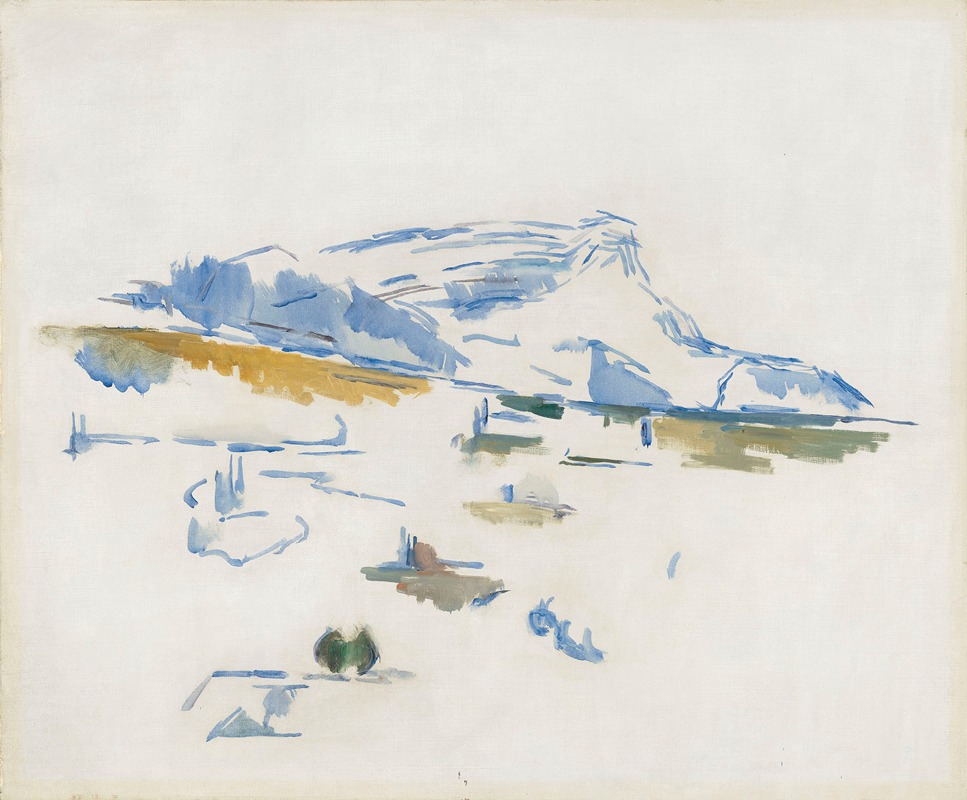
La Montagne Sainte-Victoire vue des Lauves
Paul Cézanne
More Allegory Art
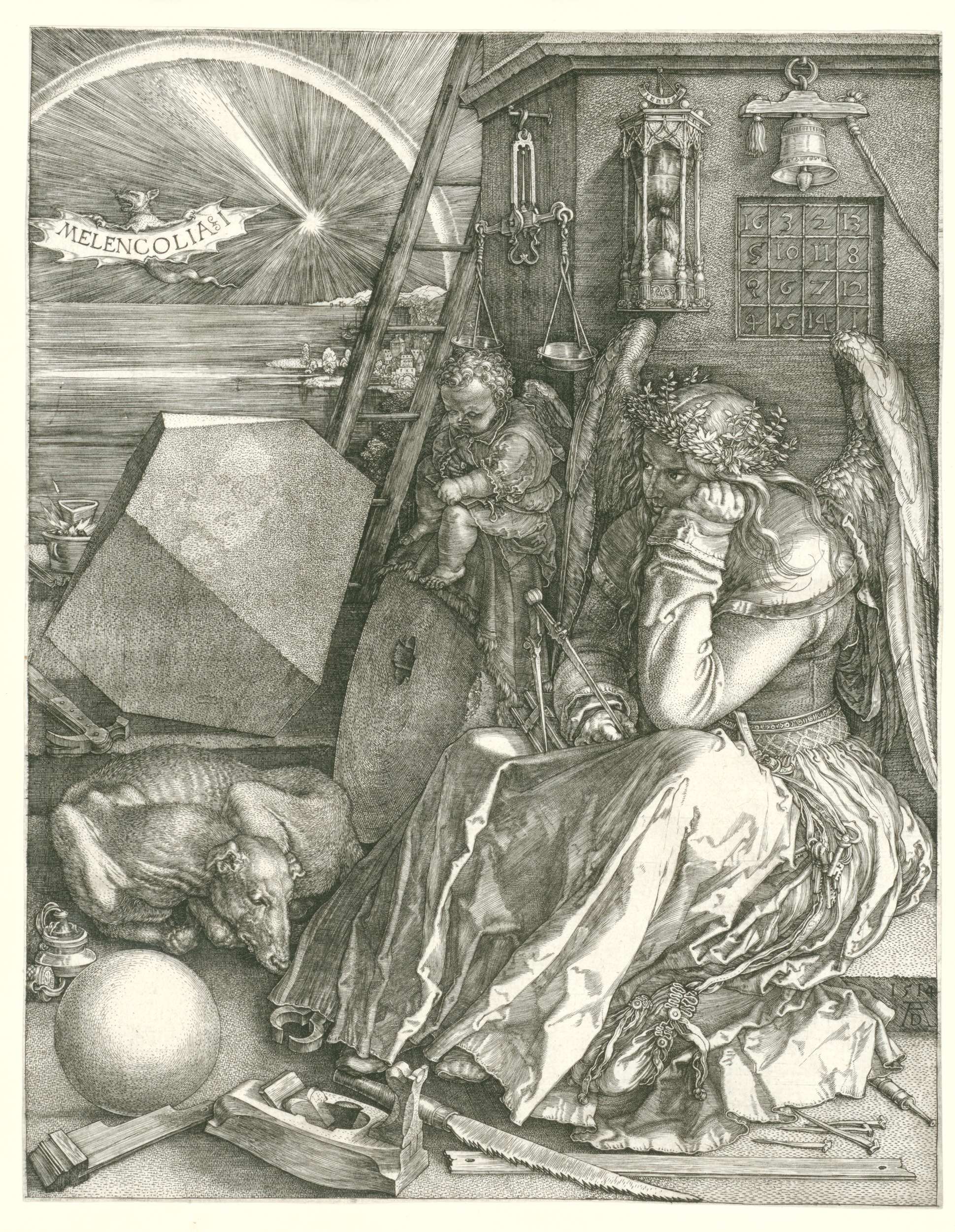
Melancholia
Albrecht Dürer
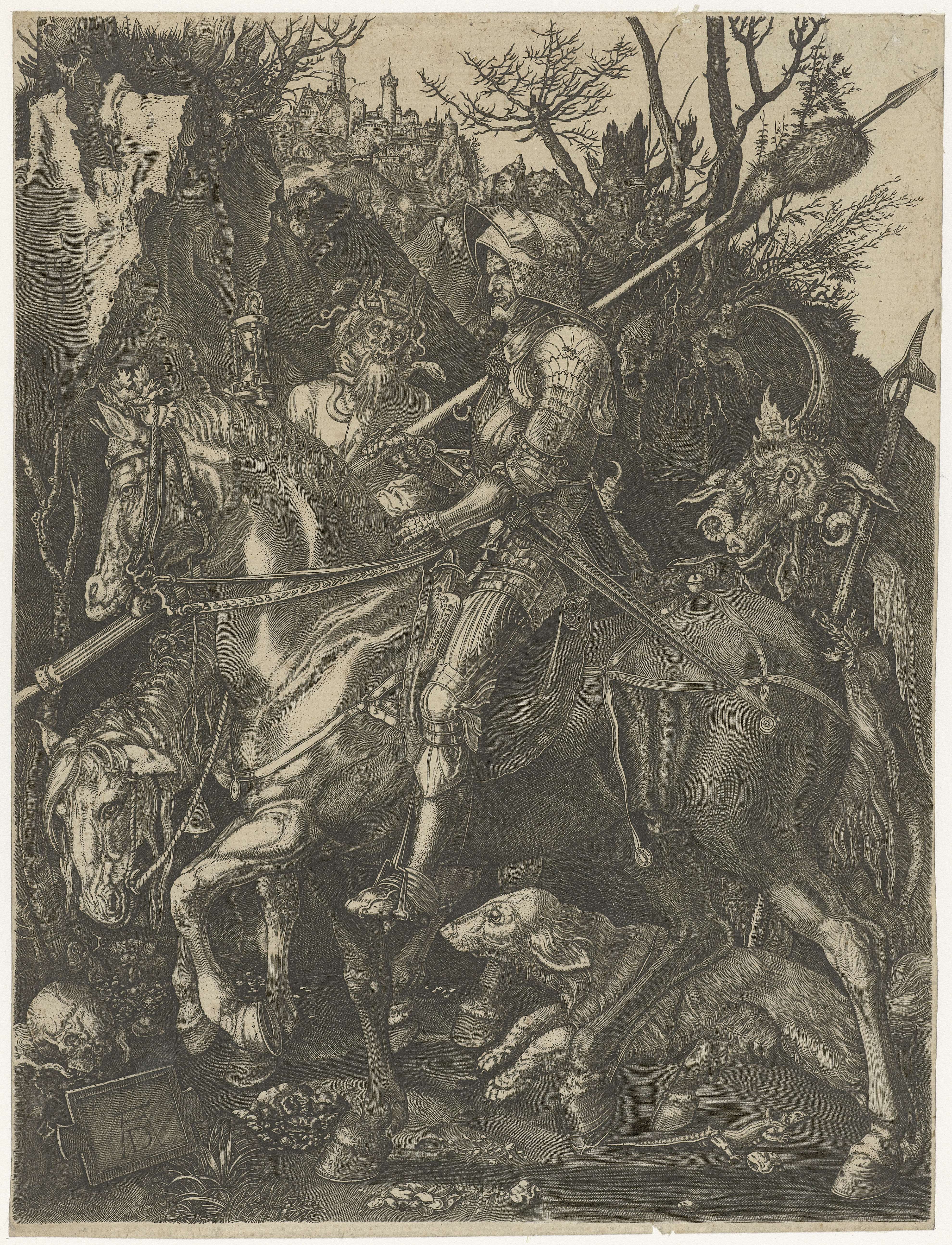
Ridder, Dood en Duivel
Unknown Artist
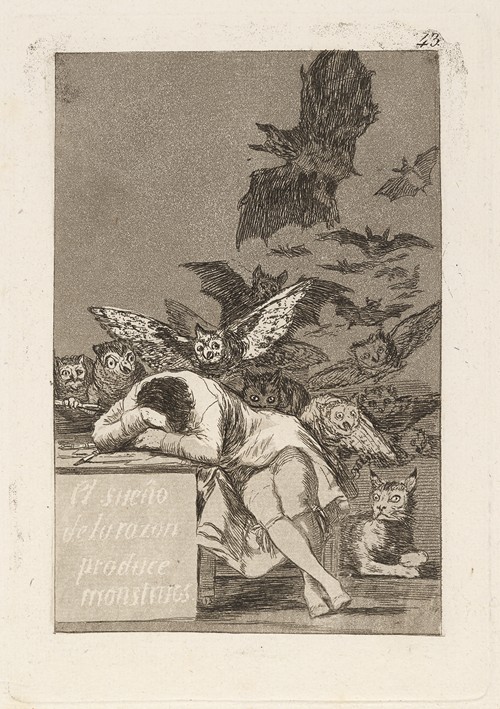
El sueño de la razon produce monstruos. (The sleep of reason produces monsters.)
Francisco de Goya
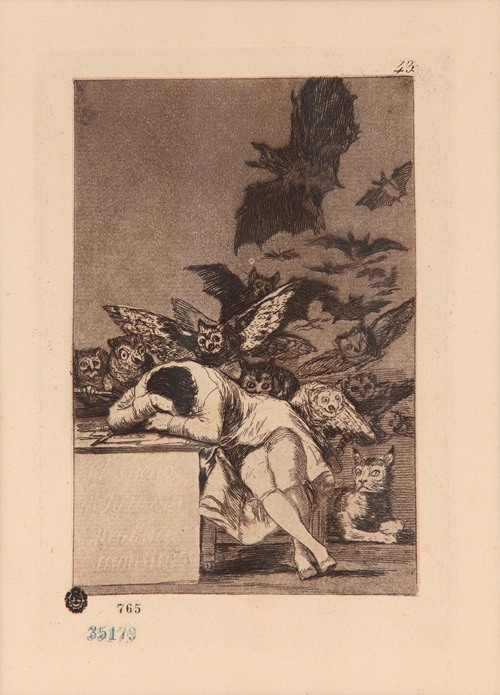
El sueño de la razon produce moustruos (Serie Caprichos)
Francisco de Goya
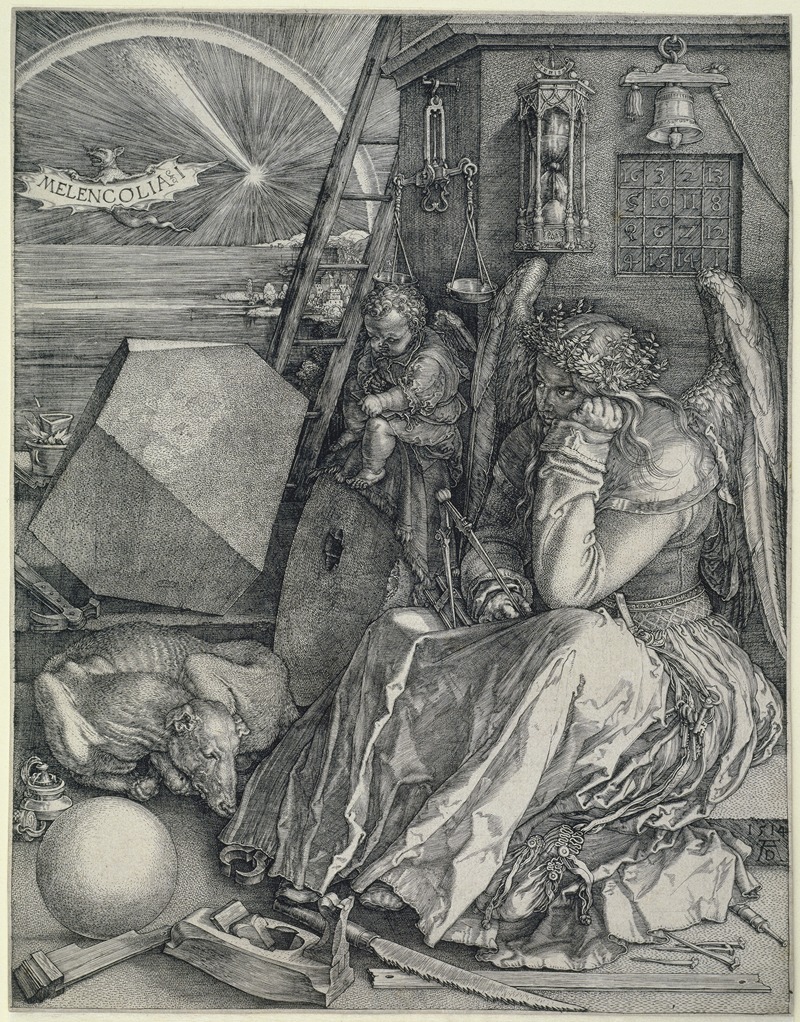
Melencolia I (The Melancholy)
Albrecht Dürer
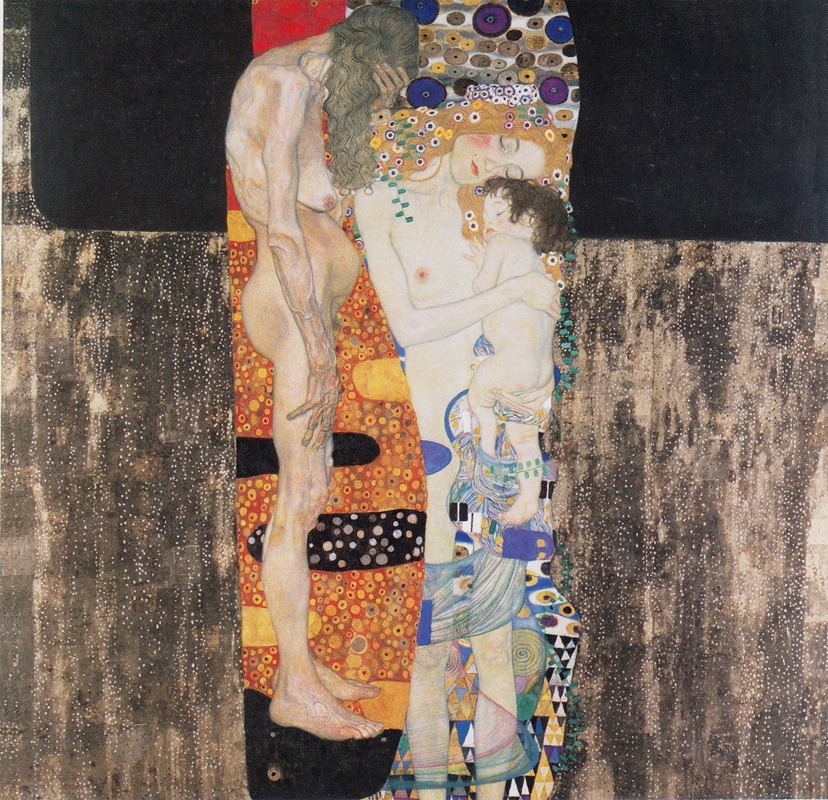
The Three Ages of the Woman
Gustav Klimt