
Discover insights about this artwork
Les quatre saisons – L’hiver — History & Facts
In Les quatre saisons – L’hiver, Paul Cézanne presents a winter scene filled with muted colors. The palette features cool blues, whites, and grays, evoking a chilly atmosphere. Trees are depicted in a stylized manner, with branches bare against a soft, snowy background.
The composition feels balanced and serene, inviting the viewer to contemplate the stillness of winter. Cézanne's technique is evident in the brushwork, which is both deliberate and expressive. The layering of paint creates texture, giving depth to the landscape. The use of color is particularly striking, as it conveys the mood of winter without relying on realistic representation.
The painting measures approx. 60 x 80 cm, typical of Cézanne's approach to capturing nature. Les quatre saisons – L’hiver is part of Cézanne's exploration of the seasons, a theme he revisited throughout his career. This work reflects his transition from Impressionism to a more structured style, emphasizing form and color.
Interestingly, Cézanne believed that nature could be reduced to basic shapes, which is evident in the simplified forms of the trees and landscape. This painting exemplifies his innovative approach to capturing the essence of a season.
More Artworks by Paul Cézanne
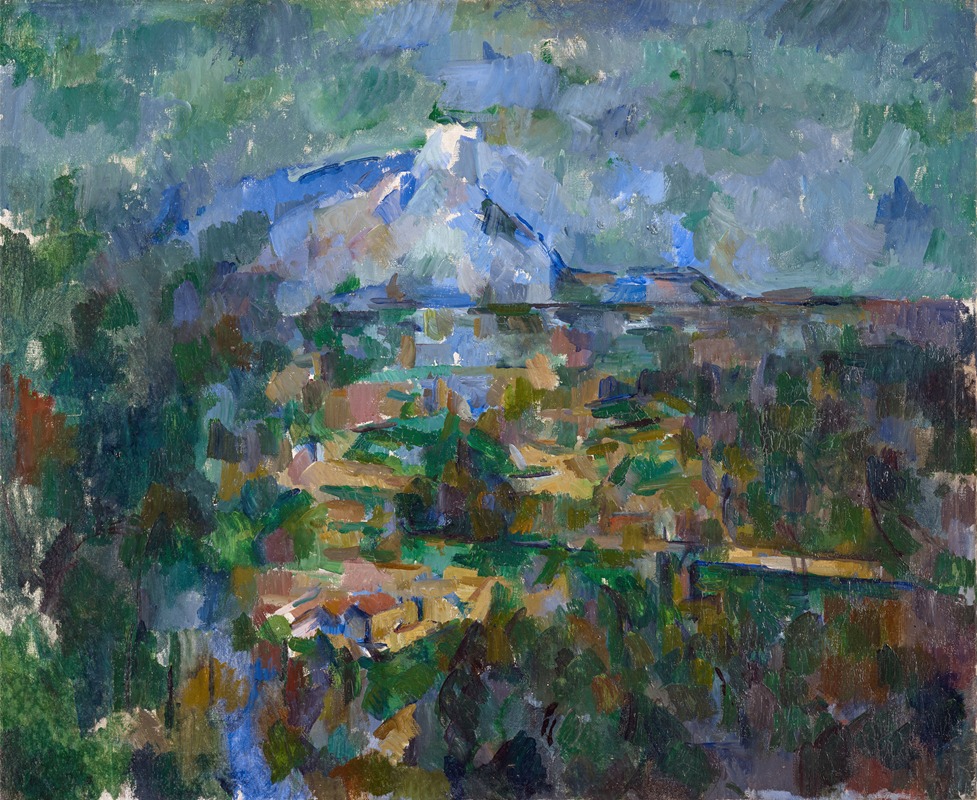
The Mont Sainte-Victoire Seen From Les Lauves
Paul Cézanne
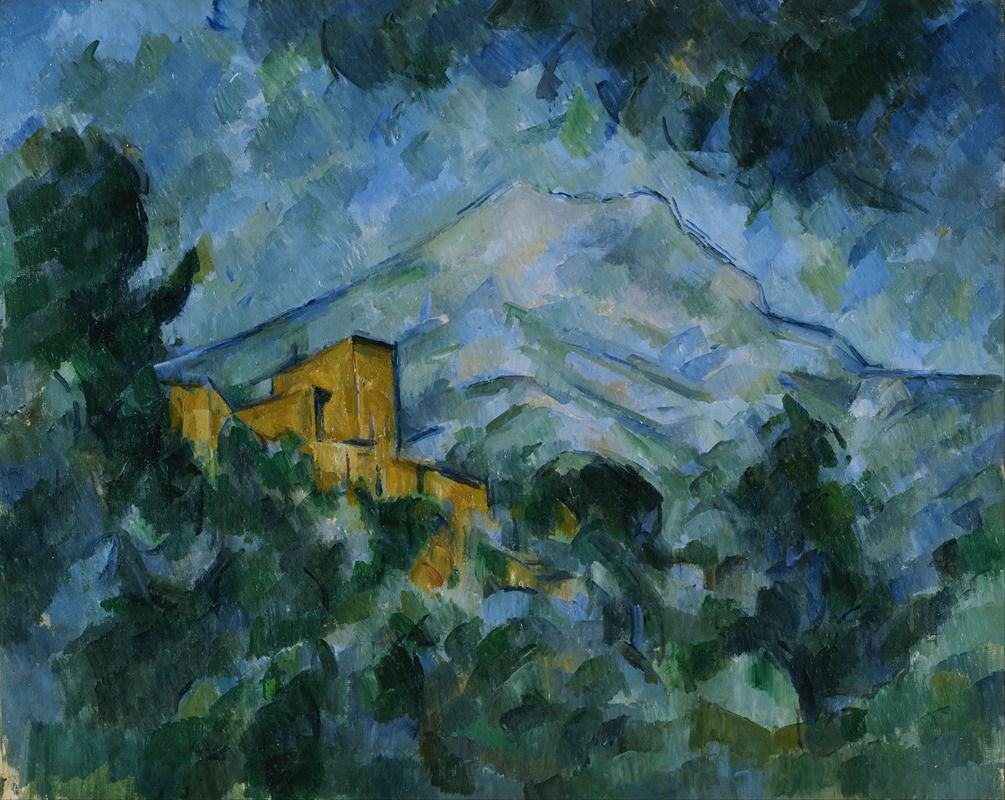
Mont Sainte-Victoire and Château Noir
Paul Cézanne
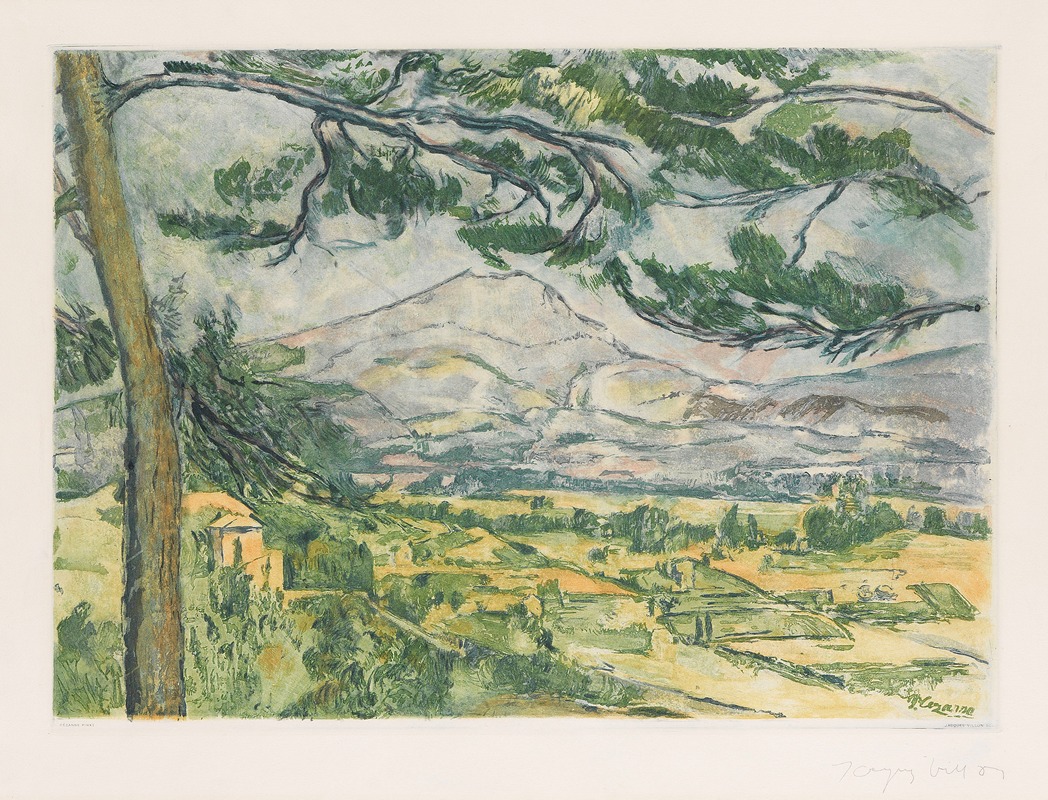
La Montagne Sainte-Victoire
Paul Cézanne
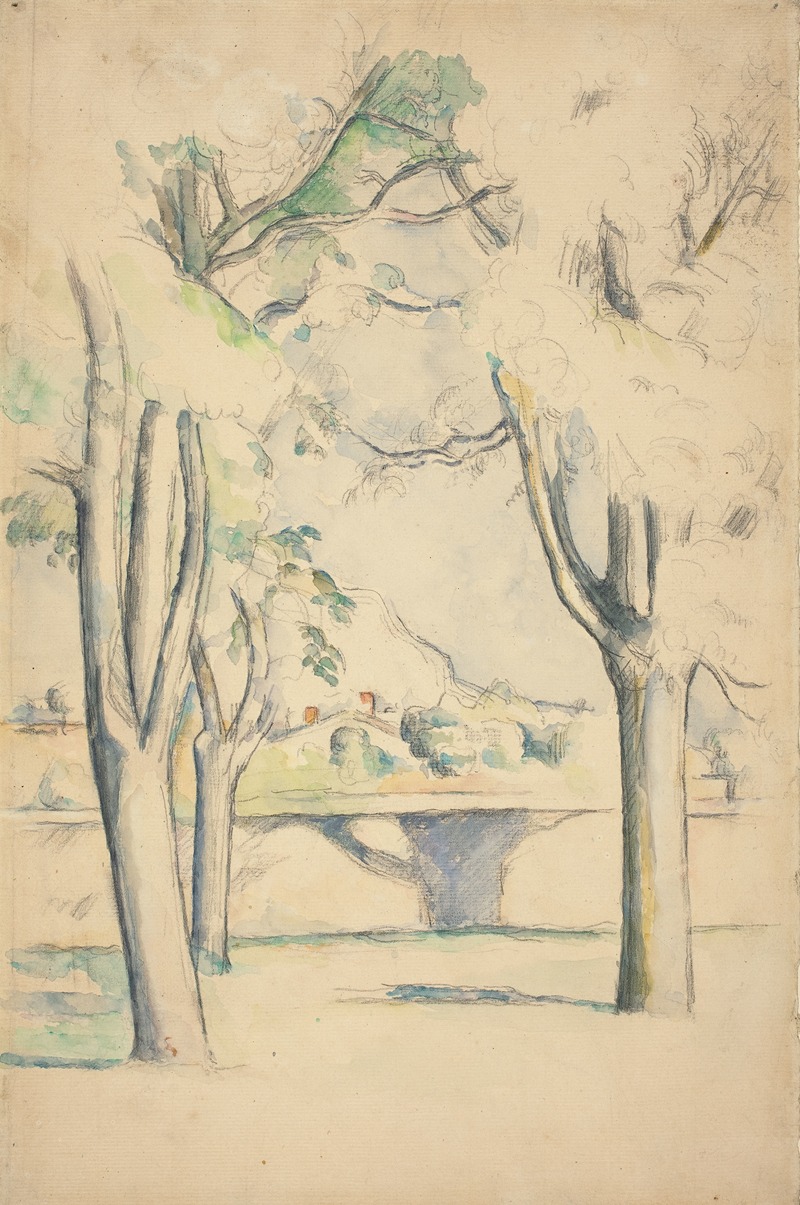
Mont Sainte-Victoire Seen beyond the Wall of the Jas de Bouffan
Paul Cézanne
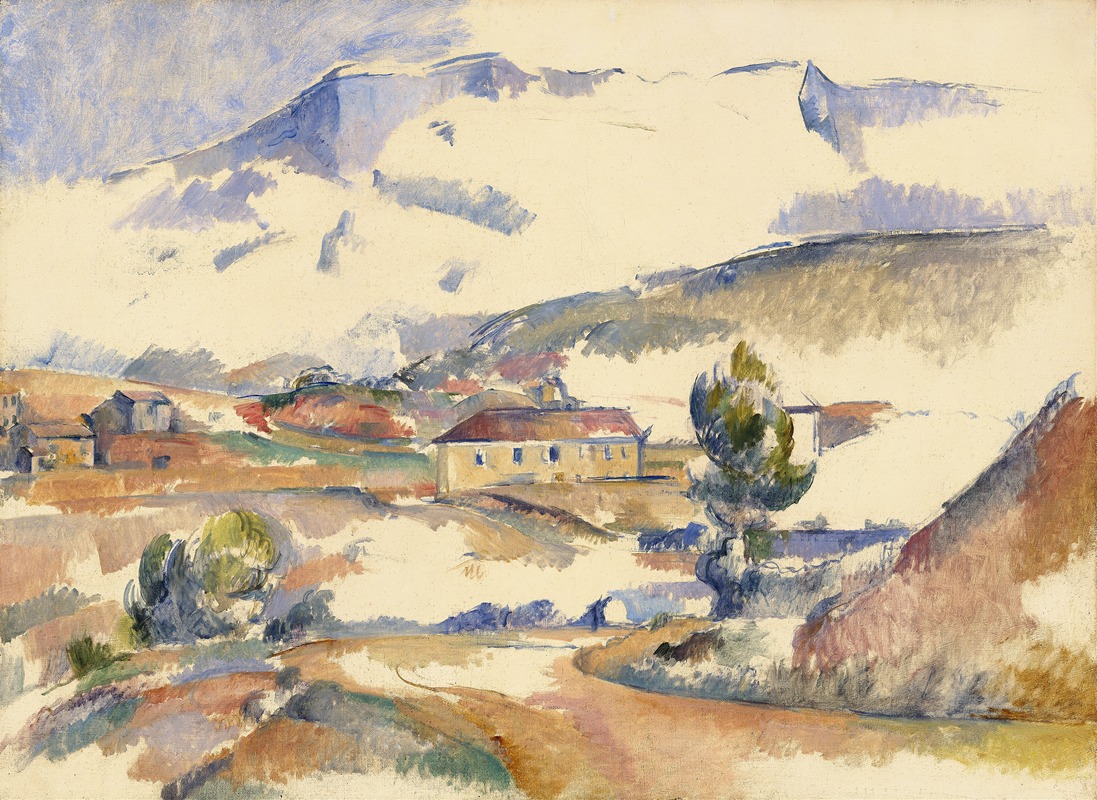
Montagne Sainte-Victoire,from near Gardanne
Paul Cézanne
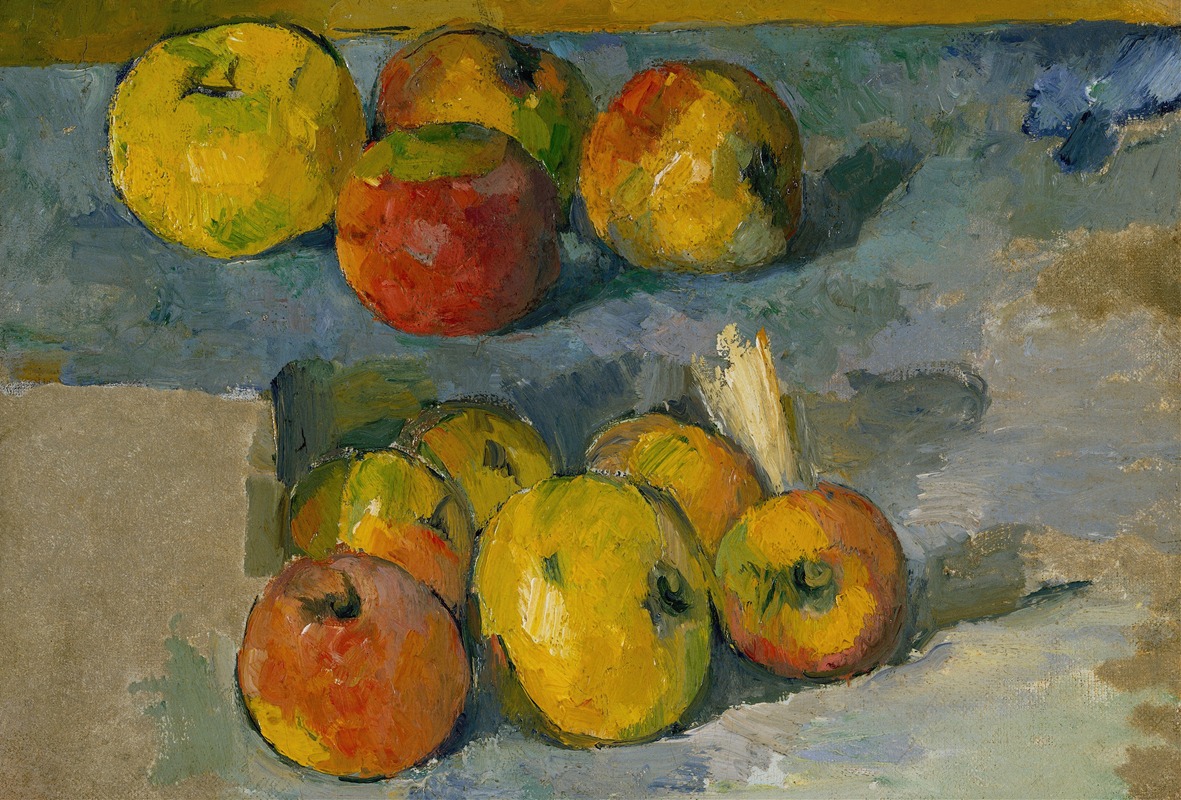
Apples
Paul Cézanne
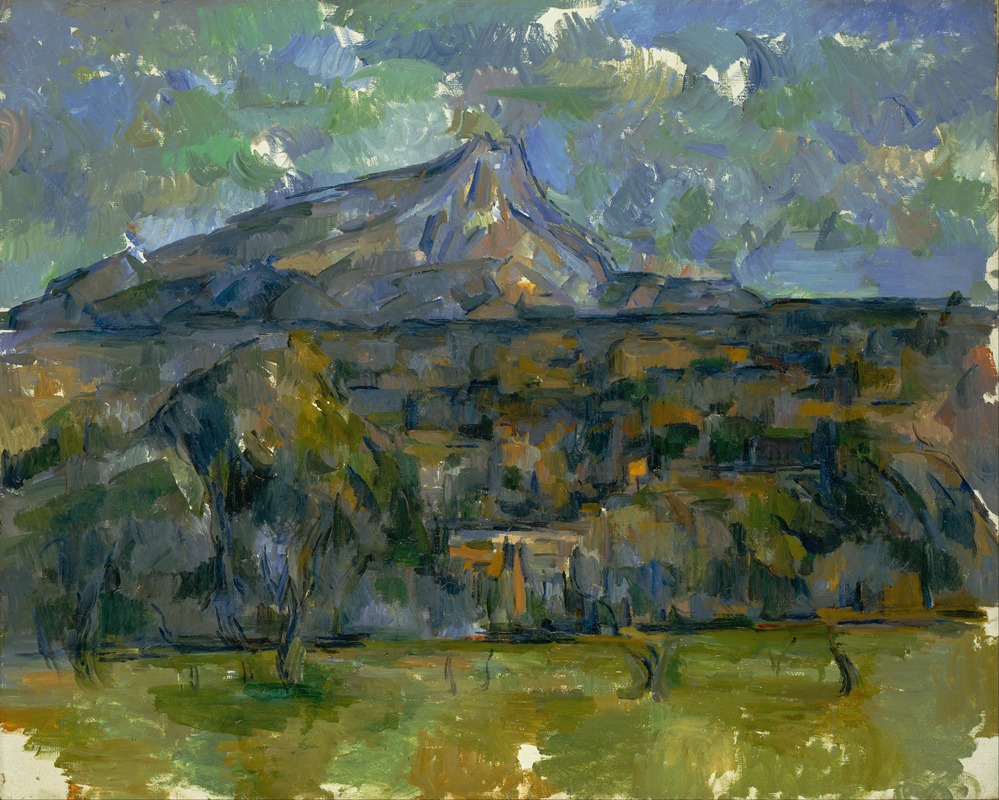
Mont Sainte-Victoire
Paul Cézanne
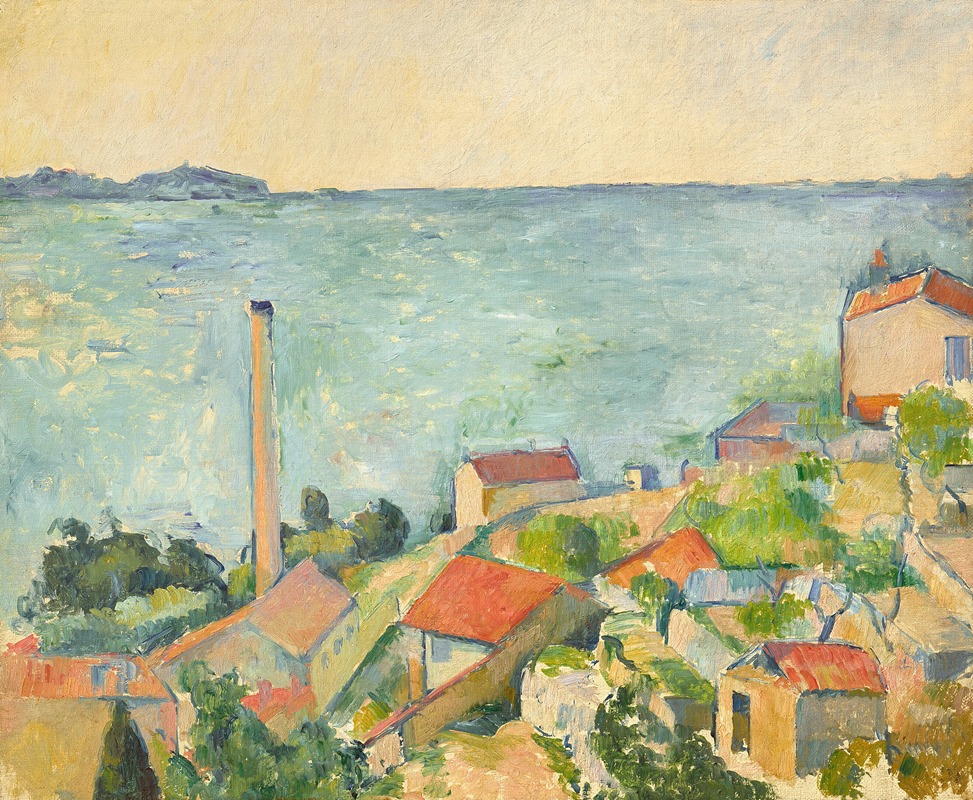
La mer à l’Estaque
Paul Cézanne
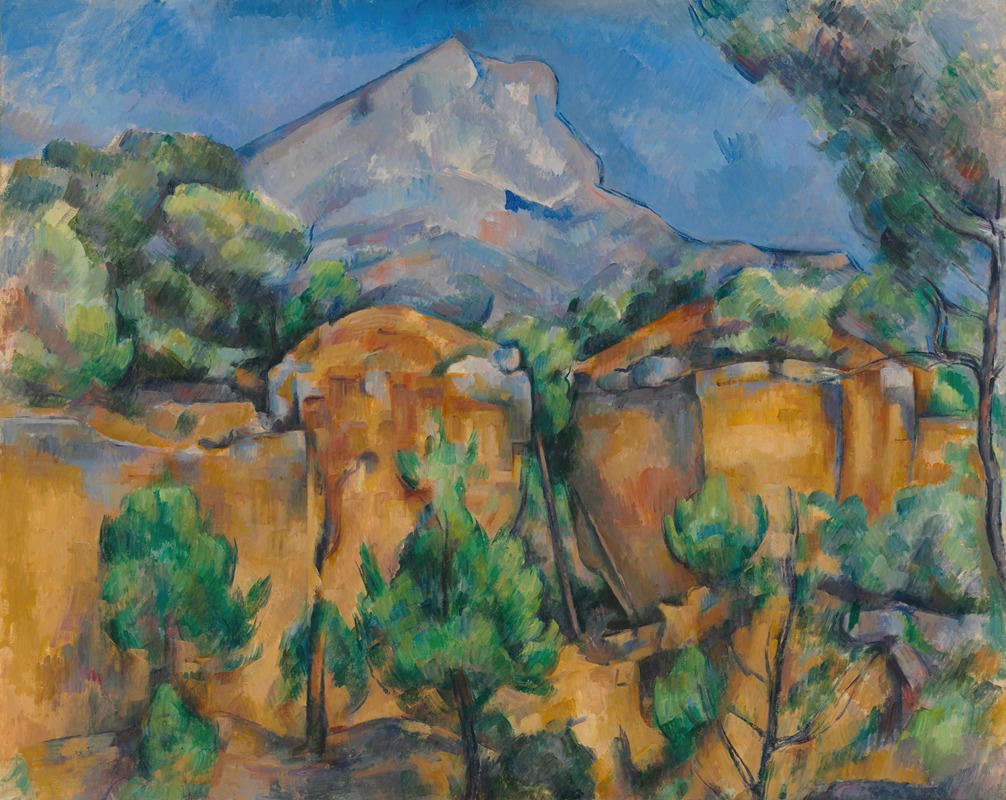
La Montagne Sainte-Victoire vue de la carrière Bibémus
Paul Cézanne
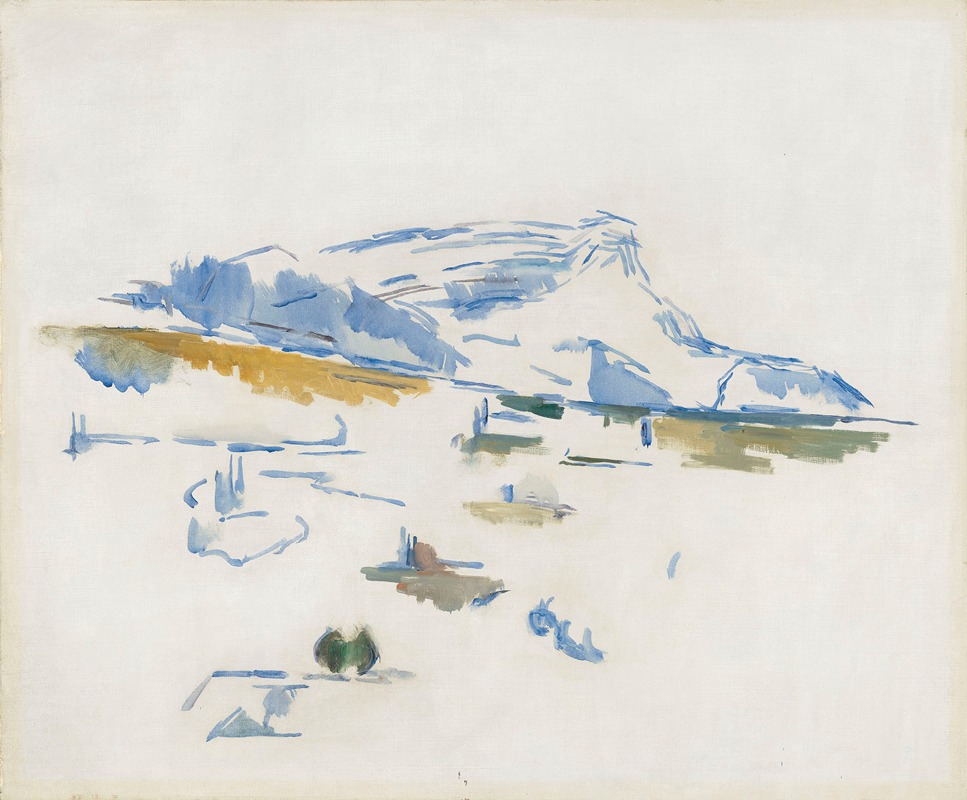
La Montagne Sainte-Victoire vue des Lauves
Paul Cézanne
More Allegory Art
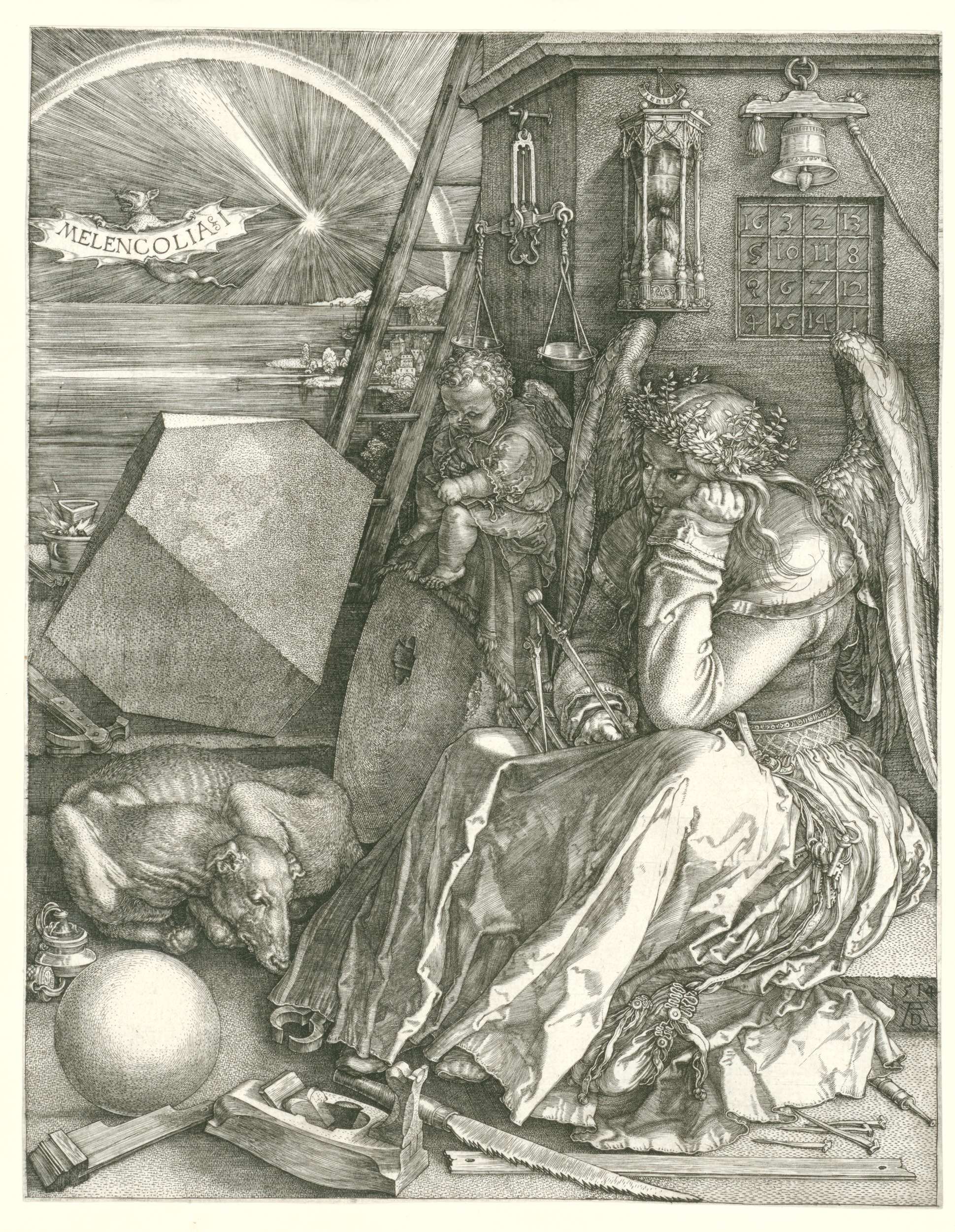
Melancholia
Albrecht Dürer
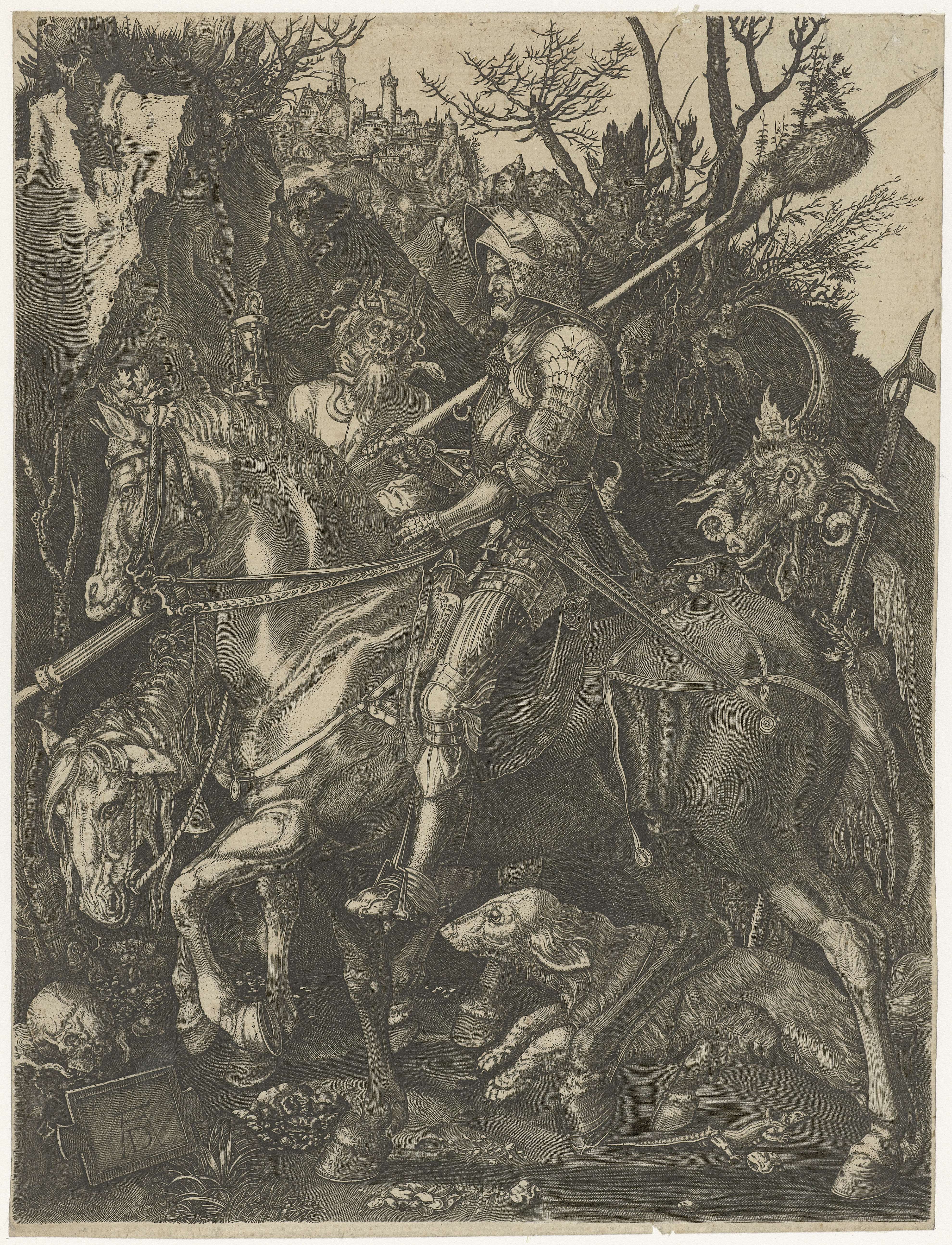
Ridder, Dood en Duivel
Unknown Artist
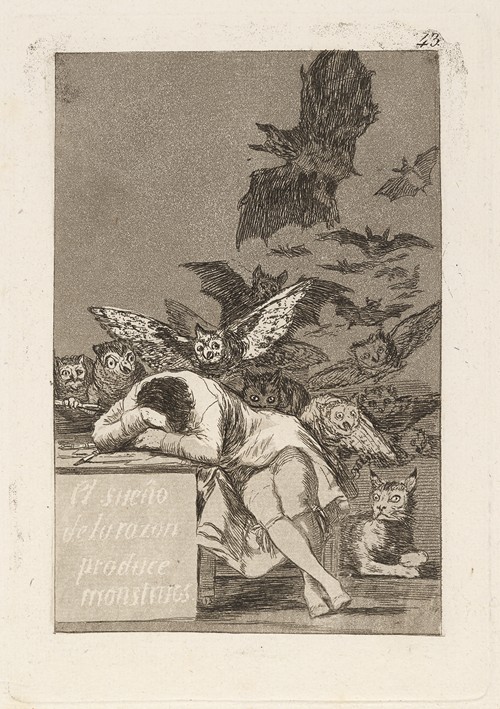
El sueño de la razon produce monstruos. (The sleep of reason produces monsters.)
Francisco de Goya
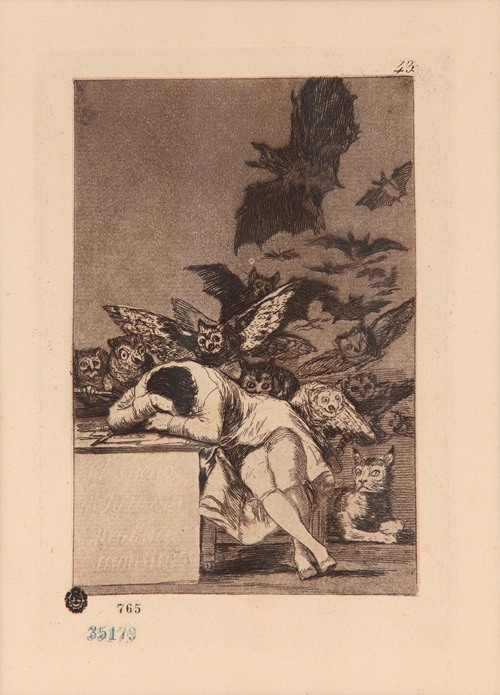
El sueño de la razon produce moustruos (Serie Caprichos)
Francisco de Goya
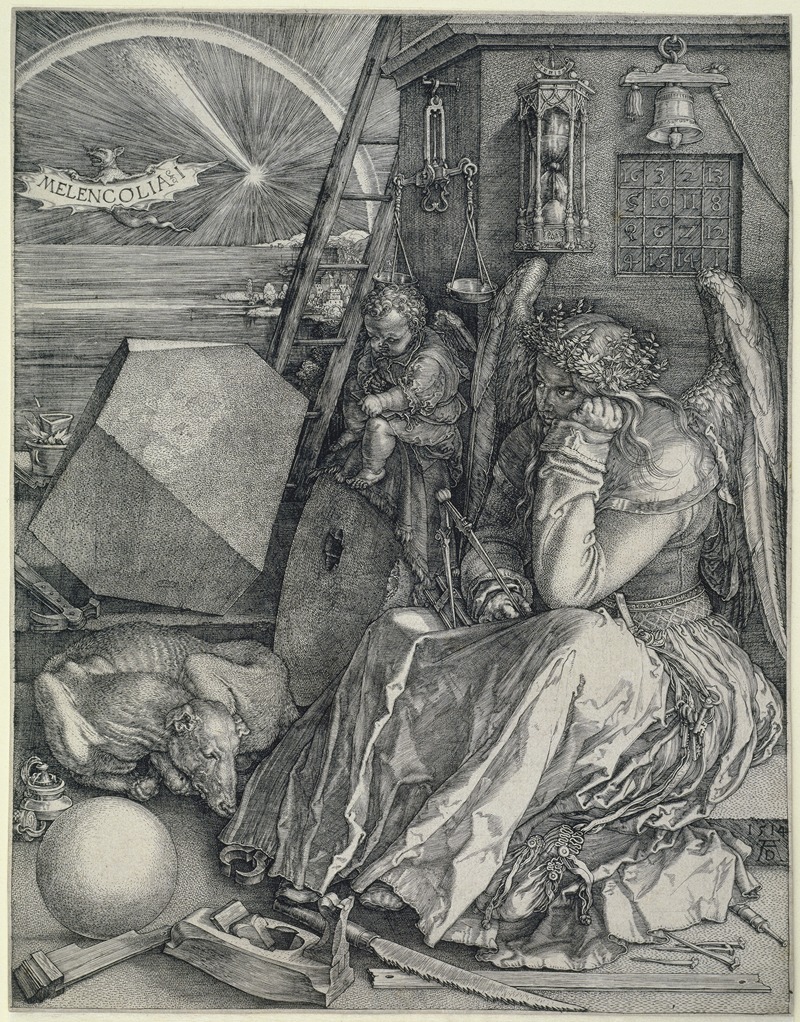
Melencolia I (The Melancholy)
Albrecht Dürer
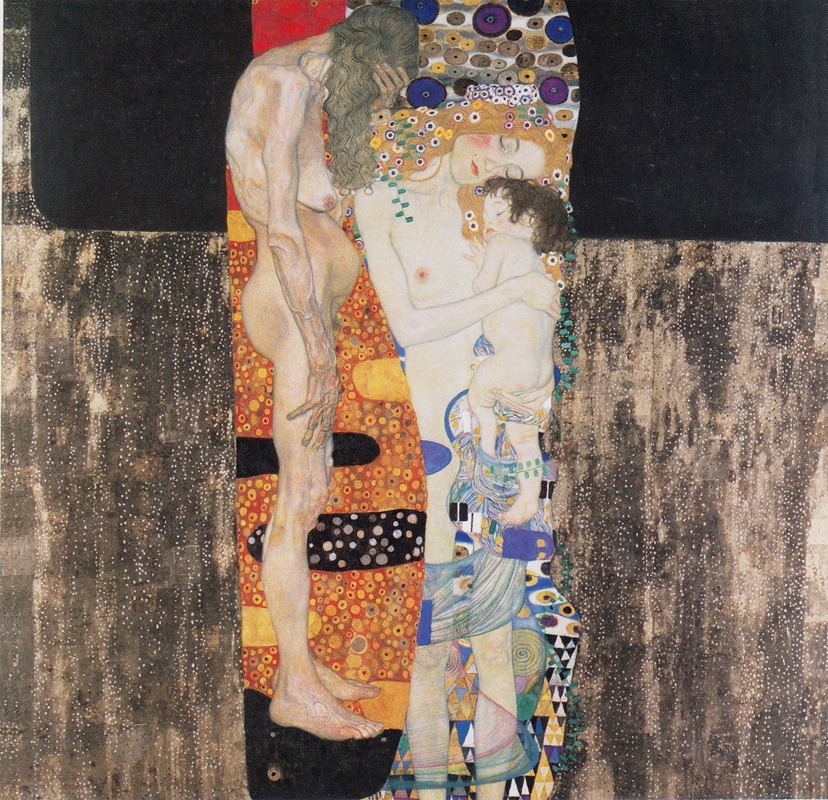
The Three Ages of the Woman
Gustav Klimt