Les tas de pois. Camaret — History & Facts
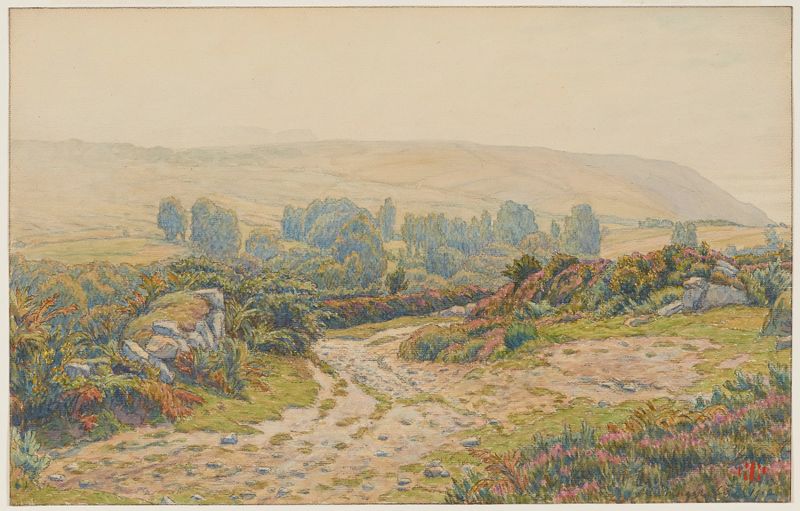
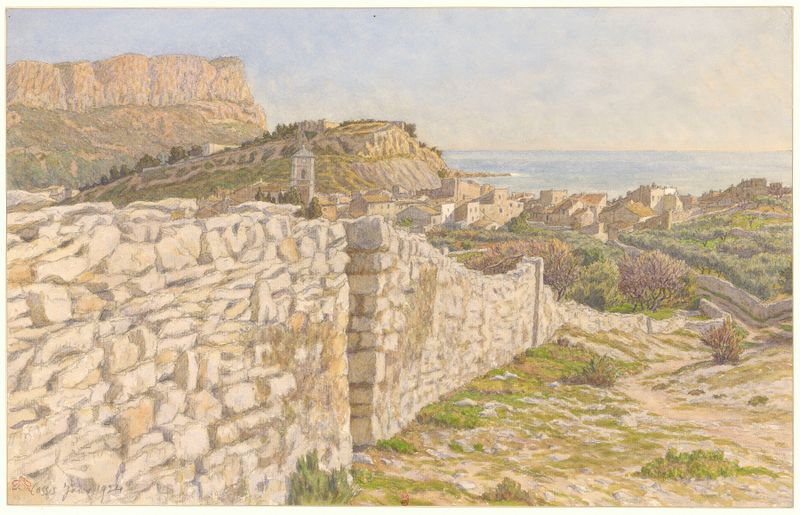
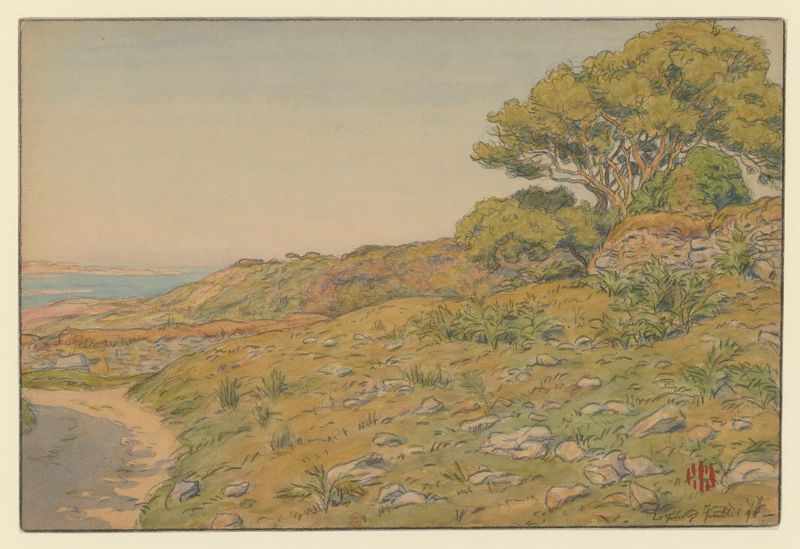
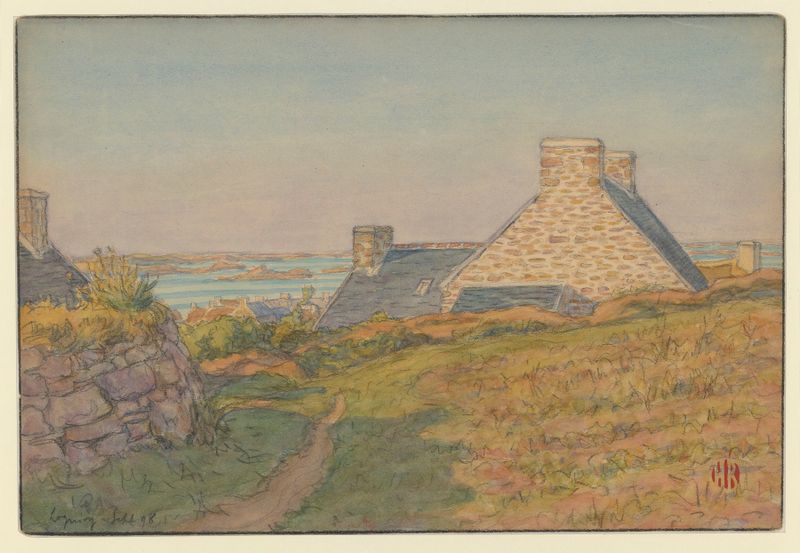
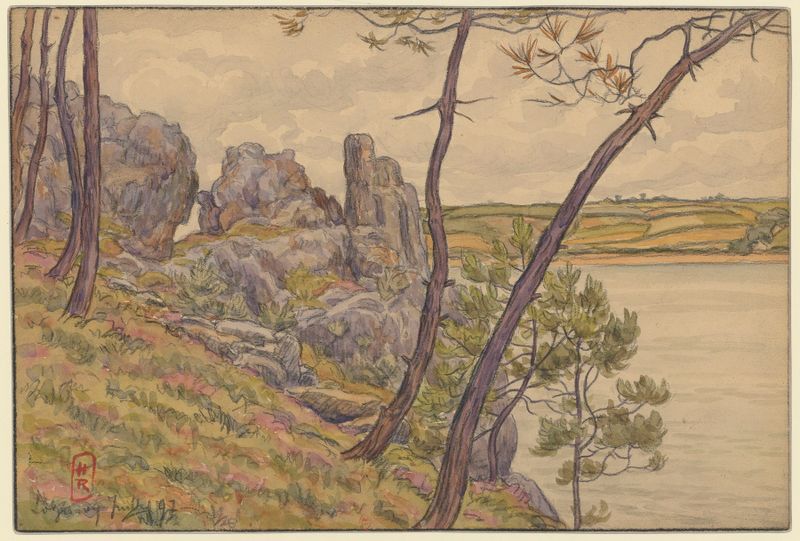
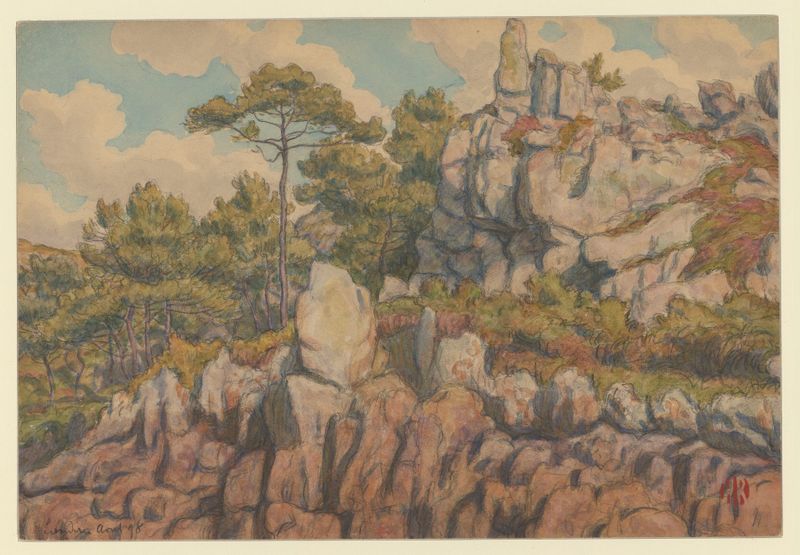
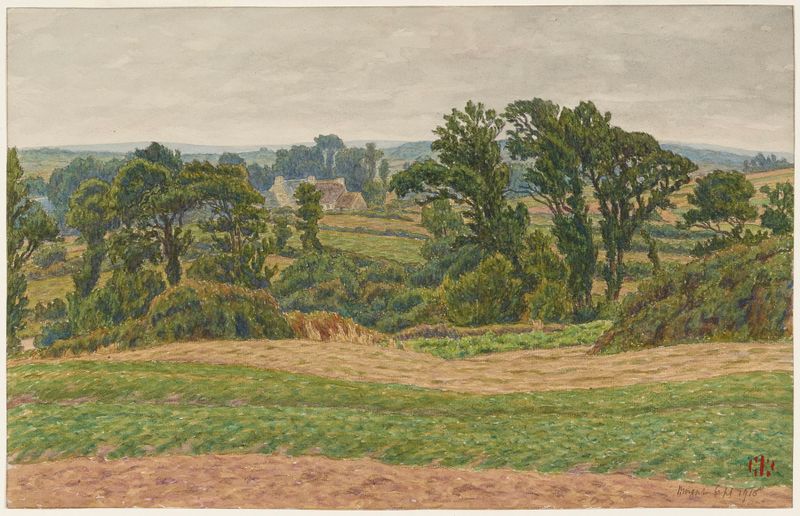
In the stillness of Les tas de pois. Camaret, a melancholy emerges, speaking to the human experience woven into the fabric of nature. This painting draws us into a world where emotions and landscapes intertwine, revealing the quiet stories that each brushstroke can tell. Focus on the interplay of earthy greens and muted blues that dominate the canvas, drawing our eyes to the rugged coastline.
The forms of the rounded, stacked heaps of peas, perhaps a metaphor for the simplicity of rural life, beckon from the left, while the distant horizon fades into a soft, whispering sky. Notice how the gentle gradation of color creates a sense of depth, inviting viewers to linger in the tranquil moments of solitude. Rivière’s masterful use of light imparts a sense of time standing still, as if the scene holds its breath. Explore the tension between the organic shapes of the heaps and the expansive, tranquil sea beyond.
The juxtaposition of the rough textures against the smooth expanse of water speaks of a longing for connection with nature. Each element seems imbued with emotion, as the peas evoke contemplation and nostalgia, reminding us of lost simplicity. The overall composition suggests a harmony between man and landscape, yet the quietude also hints at a deeper sadness, a yearning for what once was. Henri Rivière painted *Les tas de pois.
Camaret* in 1911 during a time of personal reflection and artistic exploration. Living in France, his work was influenced by the post-impressionist movement, seeking to convey the essence of a moment rather than its precise details. This period in art history emphasized emotion, light, and color, which Rivière skillfully employed to express the complex interplay of human experience and the natural world.