Les Trois-Epis — History & Facts
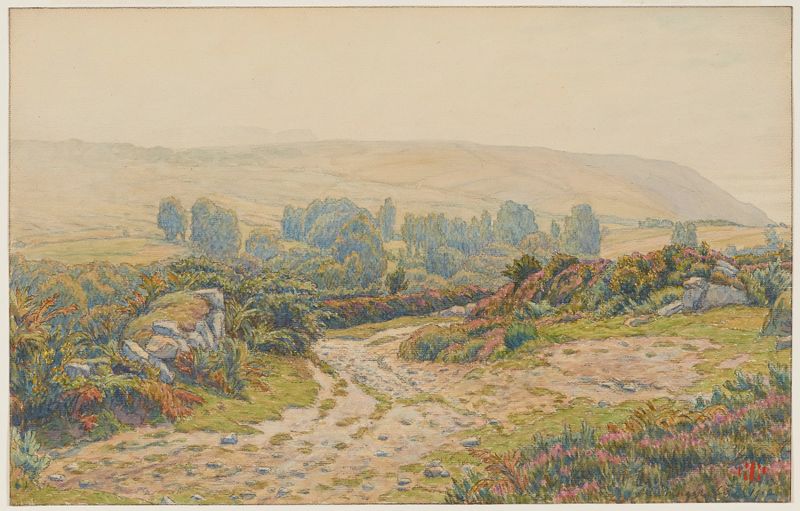
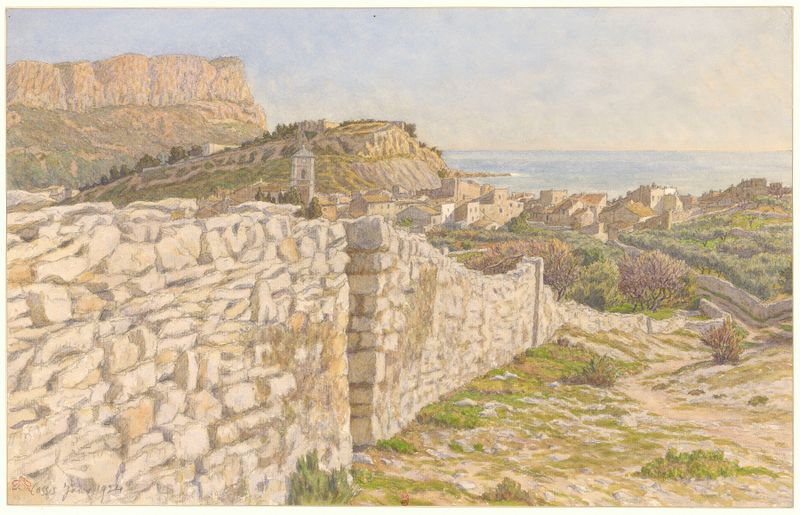
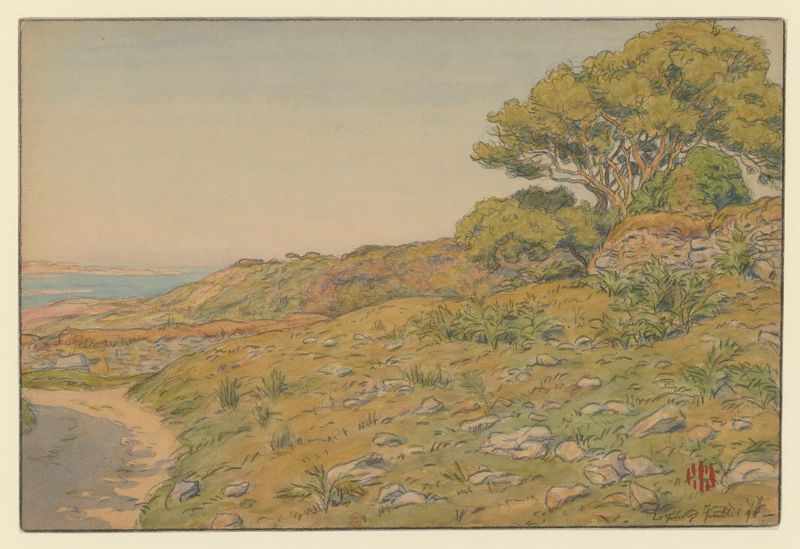
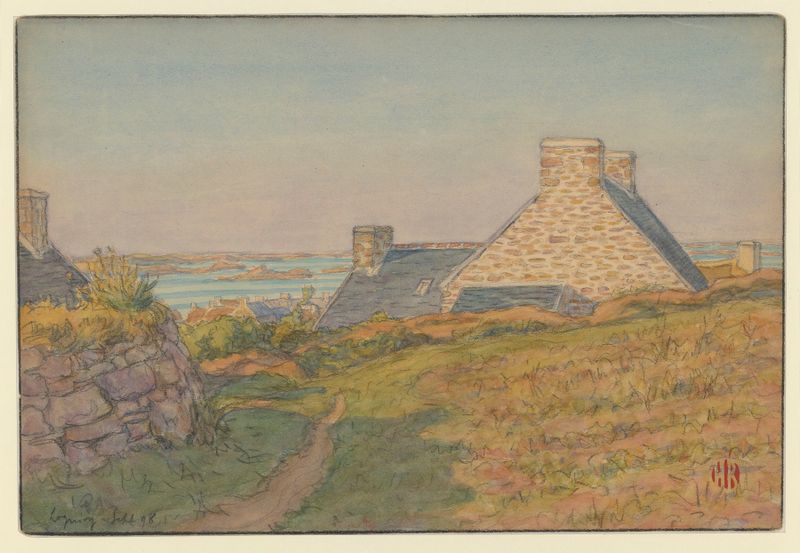
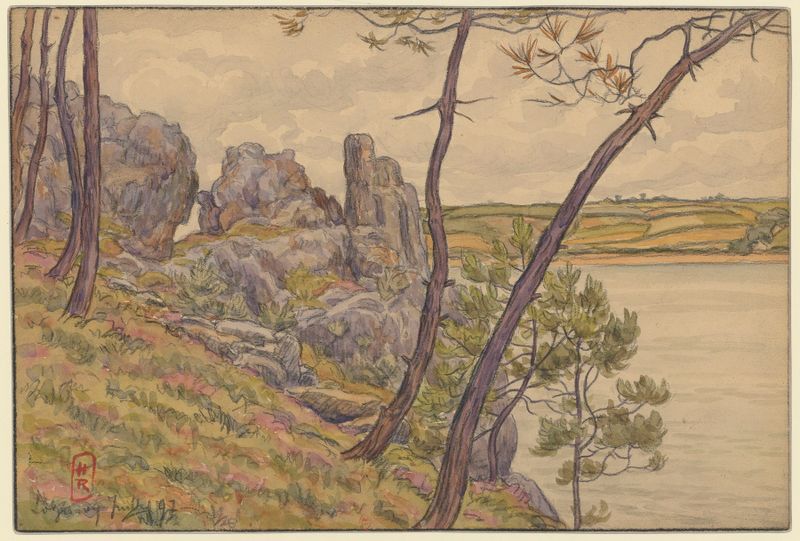
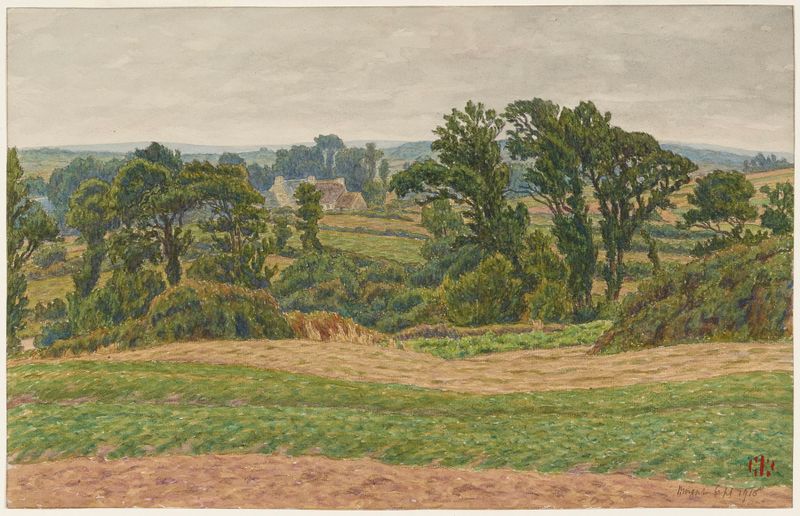
In the quietude of a moment, Les Trois-Epis invites us to ponder the passage of time and the legacies we leave behind. This artwork stands as a testament to memory, evoking a sense of nostalgia while simultaneously challenging us to reflect on our own histories. Look to the horizon where muted blues and greens converge, creating a serene landscape that draws the eye toward a distant village. Notice the delicate brushwork that captures the interplay of light and shadow over rolling hills, each stroke whispering tales of nature's cycles.
The soft pastels blend harmoniously, suggesting not just a scene, but a state of being — a tranquil embrace of rural existence. The tension in this work lies in its balance between stillness and the unrelenting march of time. The gentle slope of the land juxtaposes the vibrant burst of trees, hinting at life's resilience even amidst inevitable change. Each element, from the quaint architecture to the expansive sky, reflects a longing for continuity and belonging, marking the significance of place in shaping our identity. Created in 1919, during a period of upheaval in Europe following World War I, Rivière sought solace in nature as he grappled with the scars of conflict.
This painting emerged at a time when artists were exploring new ways to connect with their environments, responding both to personal loss and collective grief. It encapsulates a moment in his life when the act of creation became a means to reclaim hope and assert the beauty found in everyday landscapes.