
L’église De Vernon, Temps Gris — History & Facts
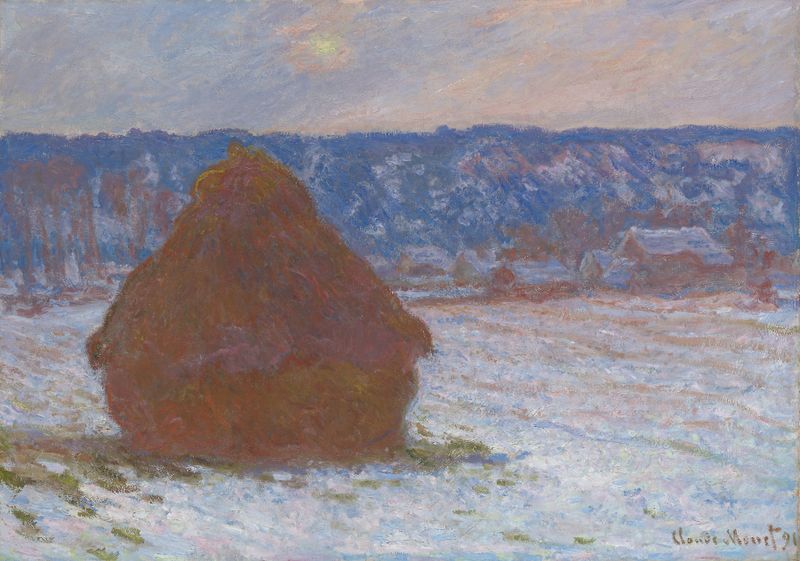
What if silence could speak through light? In L’église De Vernon, Temps Gris, a moment suspended between the ephemeral and the eternal beckons us to contemplate the destiny of an ordinary scene transformed into something profound. Begin your exploration on the left, where the church rises stoically against a backdrop of muted grays. Notice how the soft, diffused light bathes the structure, illuminating its intricate details while shrouding others in uncertainty. The brushstrokes dance gently, creating a sense of movement in the clouds above, as if the very atmosphere is alive, breathing in harmony with the tranquil foreground. Within the stillness lies an exploration of contrast; the solidity of the church stands resolutely against the transient play of weather.
This tension mirrors the fleeting nature of existence, where light and shadow engage in a delicate embrace, suggesting both permanence and impermanence. The darker tones in the background hint at the weight of history, while the brighter patches of sky offer a glimpse of hope, echoing the duality of human experience. Claude Monet painted this piece in 1894 while in Vernon, France, amidst his prolific years exploring the nuances of light and color. At the time, he was already renowned for his role in the Impressionist movement, which sought to capture fleeting moments.
His focus on the interplay of natural light and architecture during this period reveals his deepening understanding of perception and the essence of reality itself.
More Artworks by Claude Monet
Browse all →








More Architecture Art
Browse all →
The statue of Liberty
Frédéric Auguste Bartholdi

View of Houses in Delft, Known as ‘The Little Street’
Johannes Vermeer

View of Houses in Delft, Known as ‘The Little Street’
Johannes Vermeer

The Cathedral in Rouen. The portal, Grey Weather
Claude Monet

The yellow house
Vincent van Gogh

The Church in Auvers-sur-Oise, View from the Chevet
Vincent van Gogh